The 2026 FIFA World Cup is starting, which has several unique features. Match schedule

11 June 2026, 14:29
11 June 2026, 14:29
The 2026 FIFA World Cup will be the largest in the tournament's history – it will feature 48 teams, and matches will be hosted by three countries at once: USA, Canada, and Mexico.
The new format includes an expanded group stage and an additional playoff round. In total, the tournament will feature more matches and more participants than previous World Cups with 32 teams.
According to FIFA and specialized media, the group stage will consist of 12 groups of four teams. The top two teams from each group, as well as some third-placed teams, will advance to the knockout stage.
More teams from different confederations will also get a chance to qualify for the World Cup, particularly from Africa, Asia, and Oceania.
The final match of the 2026 World Cup will take place at MetLife Stadium in the USA, and the official anthem of the 2026 FIFA World Cup is the song "Dai Dai," performed by Colombian singer Shakira in collaboration with Nigerian musician Burna Boy.
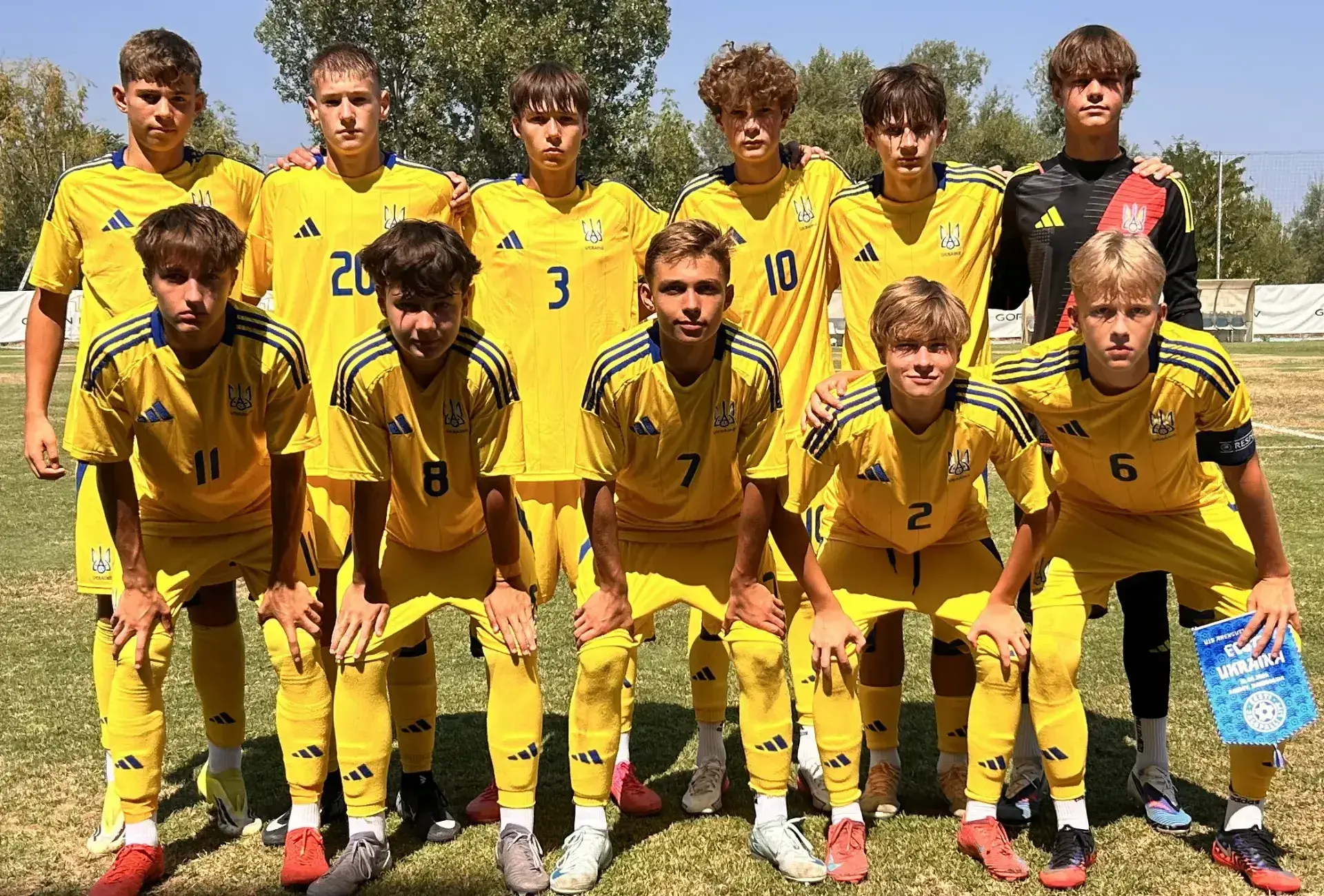
By the way, Ukraine's team finished second in their group in the European qualifiers for the 2026 World Cup, behind France, and lost to Sweden in the playoff match, thus failing to qualify for the World Cup.
Participants and Groups of the 2026 World Cup
For the first time, 48 national teams will play in the 2026 FIFA World Cup. Among them are four debutants: Cape Verde, Curaçao, Jordan, and Uzbekistan.
Group composition:
Group A: Mexico, South Africa, South Korea, Czech Republic
Group B: Canada, Bosnia and Herzegovina, Qatar, Switzerland
Group C: Brazil, Morocco, Haiti, Scotland
Group D: USA, Paraguay, Australia, Turkey
Group E: Germany, Curaçao, Ivory Coast, Ecuador
Group F: Netherlands, Japan, Sweden, Tunisia
Group G: Belgium, Egypt, Iran, New Zealand
Group H: Spain, Cape Verde, Saudi Arabia, Uruguay
Group I: France, Senegal, Iraq, Norway
Group J: Argentina, Algeria, Austria, Jordan
Group K: Portugal, DR Congo, Uzbekistan, Colombia
Group L: England, Croatia, Ghana, Panama
32 teams will advance to the playoff stage: the top two from each group, as well as eight best third-placed teams.
2026 World Cup Schedule
- June 11
22:00. Mexico – South Africa. Group A.
- June 12
05:00. Republic of Korea – Czech Republic. Group A.
22:00. Canada – Bosnia and Herzegovina. Group B.
- June 13
04:00. USA – Paraguay. Group D.
22:00. Qatar – Switzerland. Group B.
- June 14
01:00. Brazil – Morocco. Group C.
04:00. Haiti – Scotland. Group C.
07:00. Australia – Turkey. Group D.
20:00. Germany – Curaçao. Group E.
23:00. Netherlands – Japan. Group F.
- June 15
02:00. Ivory Coast – Ecuador. Group E.
05:00. Sweden – Tunisia. Group F.
19:00. Spain – Cape Verde. Group H.
22:00. Belgium – Egypt. Group G.
- June 16
01:00. Saudi Arabia – Uruguay. Group H.
04:00. Iran – New Zealand. Group G.
22:00. France – Senegal. Group I.
- June 17
01:00. Iraq – Norway. Group I.
04:00. Argentina – Algeria. Group J.
07:00. Austria – Jordan. Group J.
20:00. Portugal – DR Congo. Group K.
23:00. England – Croatia. Group L.
- June 18
02:00. Ghana – Panama. Group L.
05:00. Uzbekistan – Colombia. Group K.
19:00. Czech Republic – South Africa. Group A.
22:00. Switzerland – Bosnia and Herzegovina. Group B.
- June 19
01:00. Canada – Qatar. Group B.
04:00. Mexico – Republic of Korea. Group A.
22:00. USA – Australia. Group D.
- June 20
01:00. Scotland – Morocco. Group C.
03:30. Brazil – Haiti. Group C.
06:00. Turkey – Paraguay. Group D.
20:00. Netherlands – Sweden. Group F.
23:00. Germany – Ivory Coast. Group E.
- June 21
03:00. Ecuador – Curaçao. Group E.
07:00. Tunisia – Japan. Group F.
19:00. Spain – Saudi Arabia. Group H.
22:00. Belgium – Iran. Group G.
- June 22
01:00. Uruguay – Cape Verde. Group H.
04:00. New Zealand – Egypt. Group G.
20:00. Argentina – Austria. Group J.
- June 23
00:00. France – Iraq. Group I.
03:00. Norway – Senegal. Group I.
06:00. Jordan – Algeria. Group J.
20:00. Portugal – Uzbekistan. Group K.
23:00. England – Ghana. Group L.
- June 24
02:00. Panama – Croatia. Group L.
05:00. Colombia – DR Congo. Group K.
22:00. Switzerland – Canada. Group B.
22:00. Bosnia and Herzegovina – Qatar. Group B.
- June 25
01:00. Morocco – Haiti. Group C.
01:00. Scotland – Brazil. Group C.
04:00. South Africa – Republic of Korea. Group A.
04:00. Czech Republic – Mexico. Group A.
23:00. Curaçao – Ivory Coast. Group E.
23:00. Ecuador – Germany. Group E.
- June 26
02:00. Tunisia – Netherlands. Group F.
02:00. Japan – Sweden. Group F.
05:00. Turkey – USA. Group D.
05:00. Paraguay – Australia. Group D.
22:00. Norway – France. Group I.
22:00. Senegal – Iraq. Group I.
- June 27
03:00. Cape Verde – Saudi Arabia. Group H.
03:00. Uruguay – Spain. Group H.
06:00. New Zealand – Belgium. Group G.
06:00. Egypt – Iran. Group G.
- June 28
00:00. Panama – England. Group L.
00:00. Croatia – Ghana. Group L.
02:30. Colombia – Portugal. Group K.
02:30. DR Congo – Uzbekistan. Group K.
05:00. Algeria – Austria. Group J.
05:00. Jordan – Argentina. Group J.
Related News