Ukraine faces its toughest winter: Russians are changing tactics of attacks, - Shmyhal
04 August 2026, 13:54
04 August 2026, 13:54
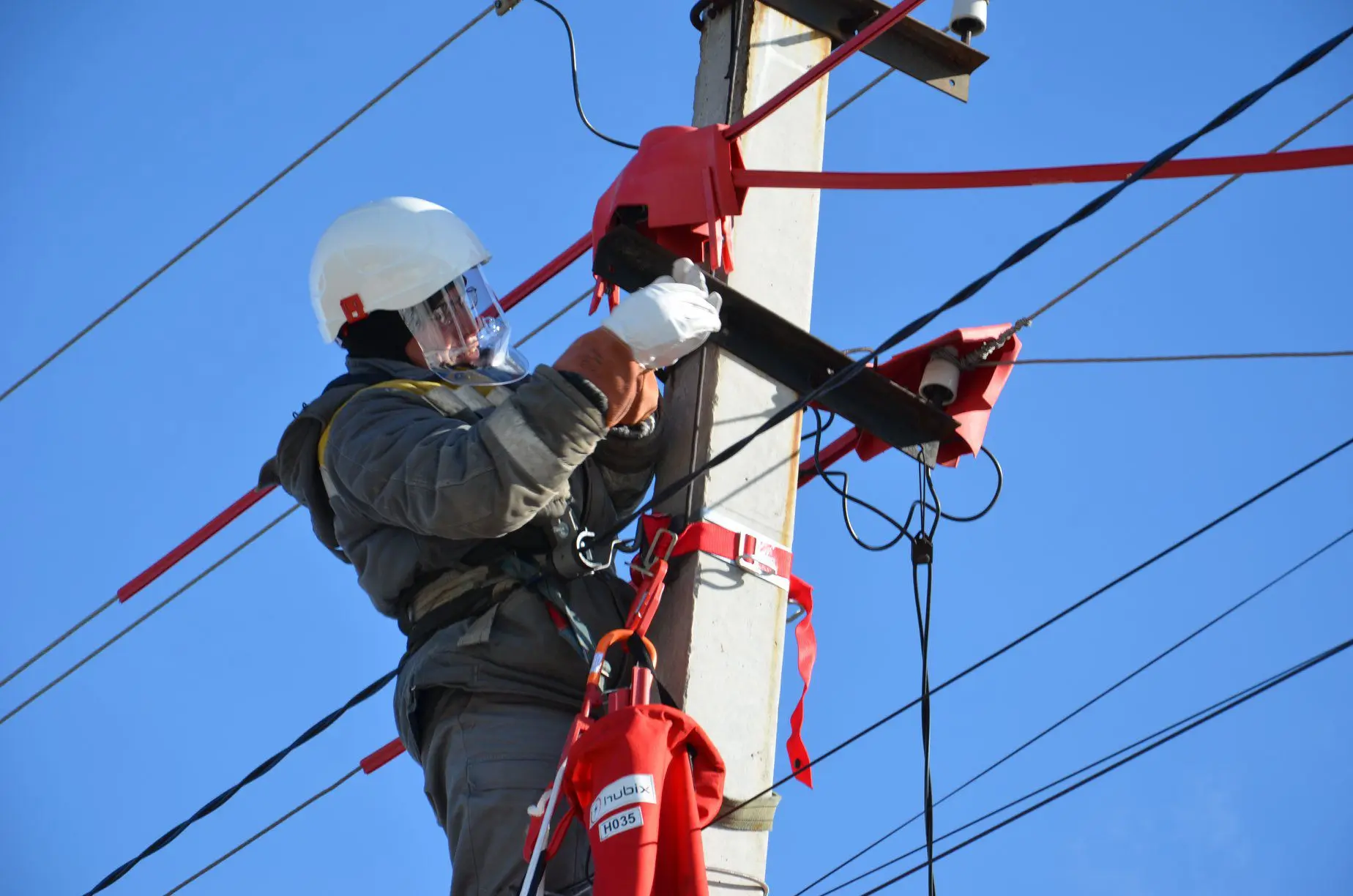
The upcoming heating season could be the toughest test for the Ukrainian energy system since the start of the full-scale war. Russia aims to completely disable the country's critical infrastructure to weaken its economy and defense industry. This was stated in an interview with the publication POLITICO stated Deputy Prime Minister and Minister of Energy Denys Shmyhal.
According to him, Ukraine and Russia are currently engaged in a grueling struggle to destroy each other's energy systems – a campaign that will determine any future peace negotiations.
He stressed that the current situation resembles a decisive moment in a duel: "It's like the 12th round, and each boxer hopes their opponent will fall first." Ukraine is responding with a long-term campaign of strikes on Russian oil refineries, which has already disabled about 40 percent of the enemy's primary oil refining capacity.
The main danger of the upcoming winter lies in the fact that the Kremlin has changed its tactics of attacks. If previously the target was exclusively electricity and heating, now the enemy is trying to destroy the water supply and sewage system.
The scale of destruction of Ukrainian generation is already critical. Before 2014, Ukraine produced 54.5 gigawatts of electricity; after the full-scale invasion, the capacity decreased to 32 GW, and this year, as a result of winter shelling, production has fallen to only 12 GW. A deficit of 6 GW forces the introduction of blackout schedules across the country, as Russians have destroyed or damaged over 80 percent of Ukrainian power plants.
According to Shmyhal, to survive another winter, Ukraine needs reliable sky protection and significant financial resources. To shoot down Russian ballistic missiles, the state requires at least 300 PAC-3 interceptors for Patriot air defense systems. Kyiv, together with its allies, is persuading countries like Spain and Greece to transfer these missiles.
In addition to air defense, Ukraine is actively developing a decentralized energy system – building protective coverings for electricity, water, and gas storage, as well as distributing modular boilers and generators that are harder for the enemy to disable.
However, the country still needs reserves of equipment and funds. Although about 40 countries and organizations have already donated 2.1 billion euros to the Energy Support Fund for Ukraine, an additional 500 million euros are needed for equipment before the frosts, as well as about 400 million euros for the recovery of Naftogaz.
Despite hopes that the war would stop in the fall due to sanctions and strikes on the RF, the government is preparing for a worse-case scenario.
Read also: Zelensky imposed sanctions on a company in the Lviv region
We remind you that, on the other hand, the Prime Minister of Ukraine, Serhiy Koretskyi, previously said that Ukraine should consider the worst-case scenario regarding the state of its energy sector in winter. This will allow for better preparation for the possible consequences of Russian attacks.

Related News