The place where revolutions were made over coffee and cognac in Lviv. Memoirs of Lviv residents
05 August 2026, 20:35
05 August 2026, 20:35
The city remembers only as much as we can preserve. Since "Dzyga" got new owners, Lviv's cultural environment has keenly felt that its unique institutionalism is gradually dissolving in time. The gallery and business remain, but the history and spirit of the artistic association are disappearing and need to be documented, otherwise they risk turning into a myth without a material basis. Especially now, when the war has sharpened the sense of fragility of what we love. Everything passes, suddenly disappears, and iconic phenomena remain unexamined.
That is why people for whom "Dzyga" meant a lot – Hrytsko Semenchuk, Lida Savchenko-Duda, Yulia Khomchyn, and Vlodko Kaufman – came up with the idea to create a live archiving laboratory, which grew into two complementary projects. The foundation was laid by the initiative "30 Years of Dzyga in Lviv: Archiving a Cultural Phenomenon", which focused on the initial systematization of materials.
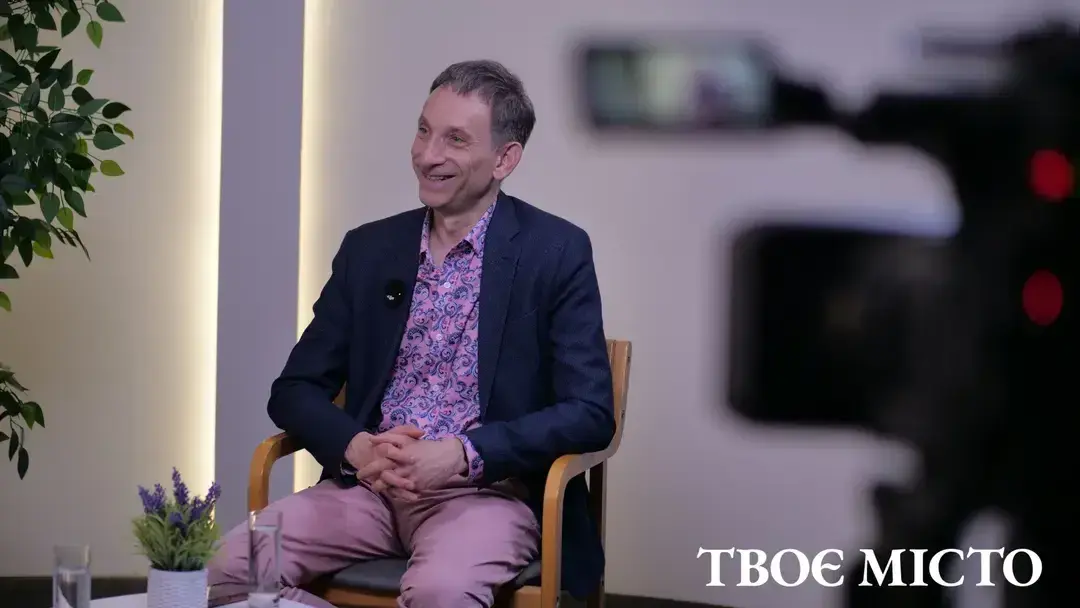
The project began on July 18 with the event "Dzyga Phenomenon" in Markiyan Ivashchyshyn's corner, where the memoirs were actually recorded, a part of which is presented in this text. And the logical continuation, aimed at digitizing the database and recording oral history, is the project "Dzyga: A Living Archive."
"Dzyga" as a Phenomenon of Freedom
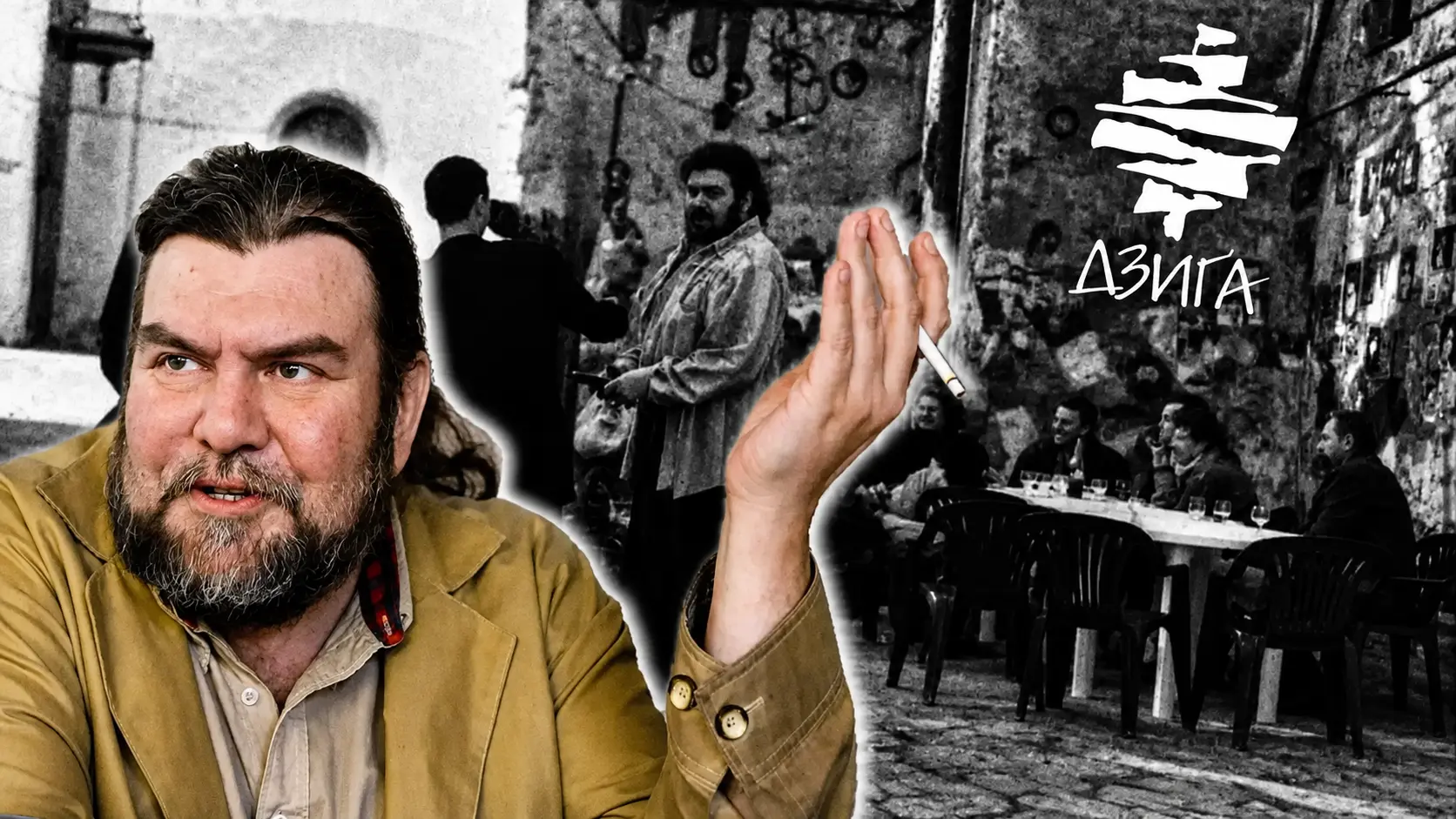
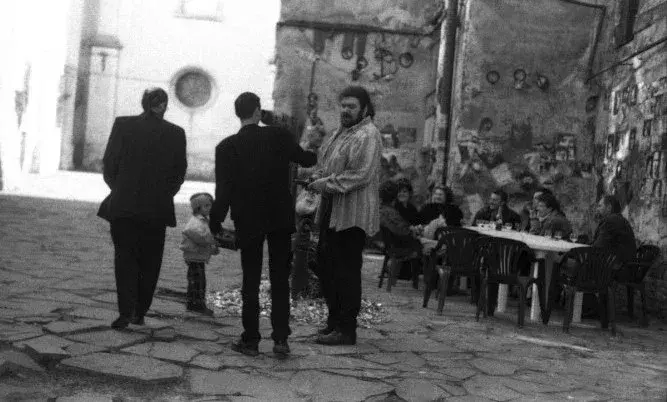
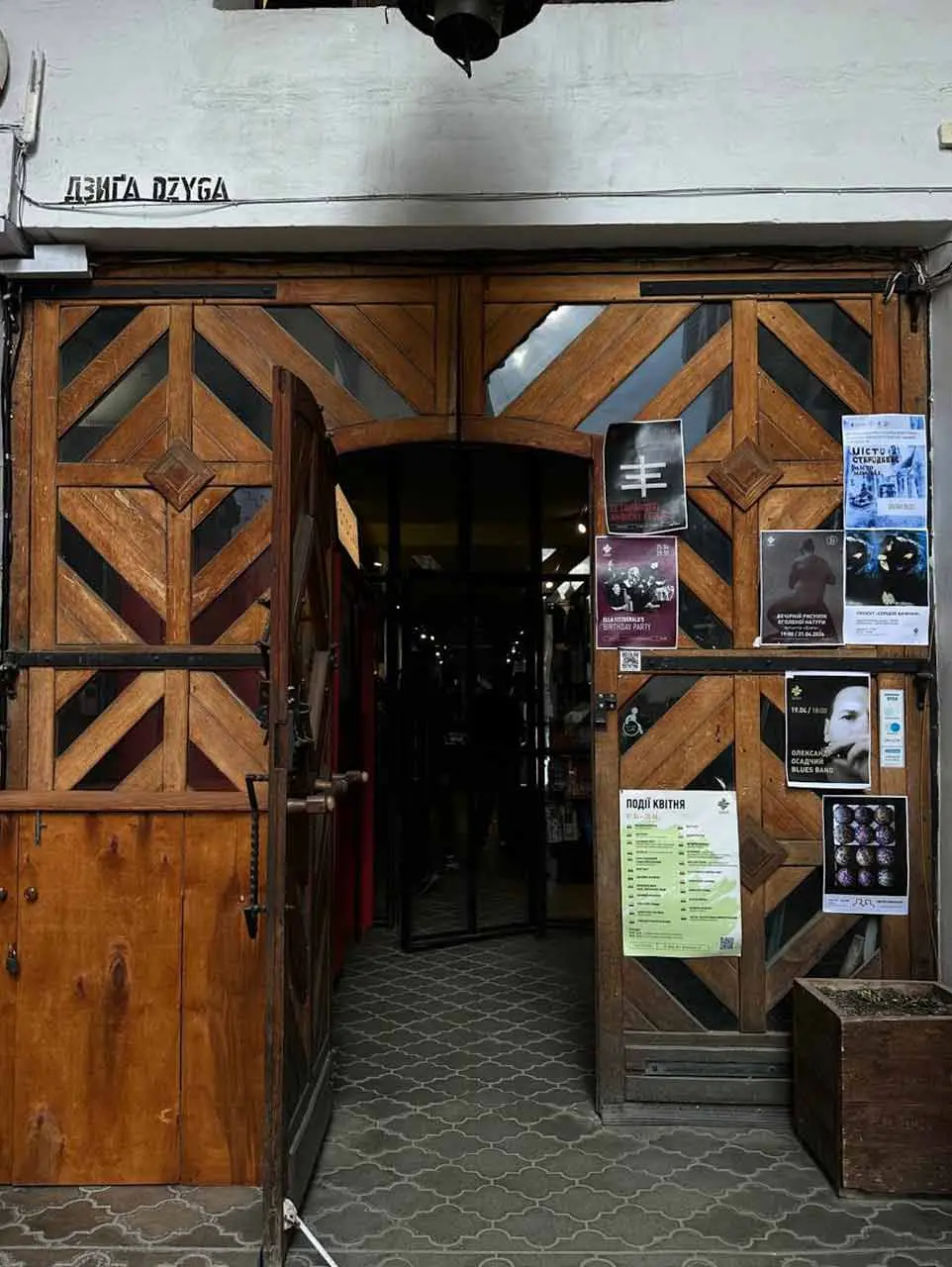
Memory has its own smells, sounds, and geometry. For several generations of Lviv residents, it smells of coffee, cognac, and cigarette smoke in the office, where its owner – Markiyan Ivashchyshyn – was not always visible through the dense smoke screen. It has the shape of a round table to the right of the gallery entrance, where Marek used to sit. It sounds with the songs of "Mertvyy Pivin" at "Prokyadannya" in the town hall courtyard, and now – in Markiyan's corner. "Dzyga" is a place where our Ukrainian identity was born. Founded in 1993, the artistic association became one of the first independent cultural centers in Ukraine. But behind this official formulation lies much more.
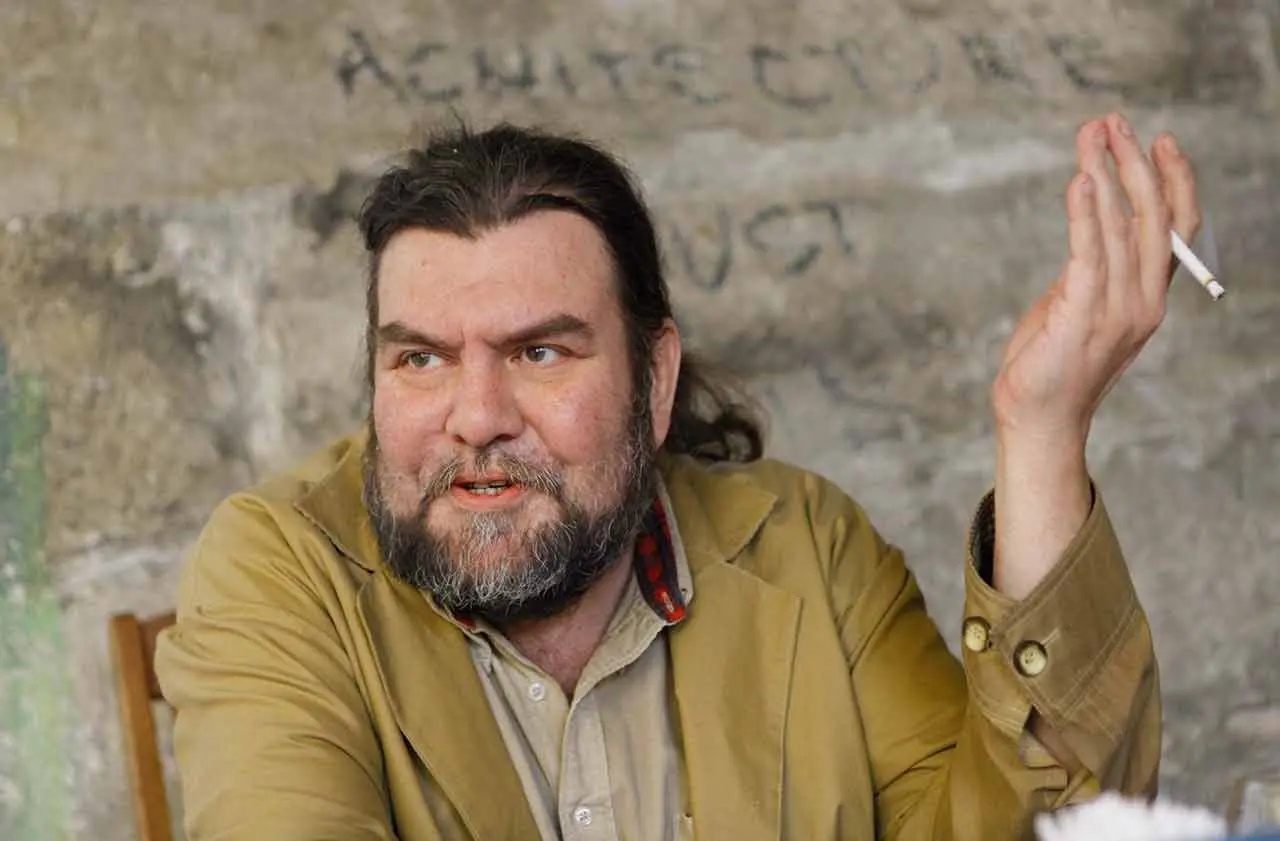
Read also: He lit up many stars. In memory of Marek Ivashchyshyn
Cultural Polygon: From "Vyvykh" to the Performance Art School
The first large-scale explosion that laid the foundation for this freedom was the festival "Vyvykh" (1990, 1992). Culturologist Zenoviy Mazuryk believes that the second "Vyvykh" gave a powerful impetus to the creation of "Dzyga", uniting Kurbas theaters, "Voskresinnia", and many other people.
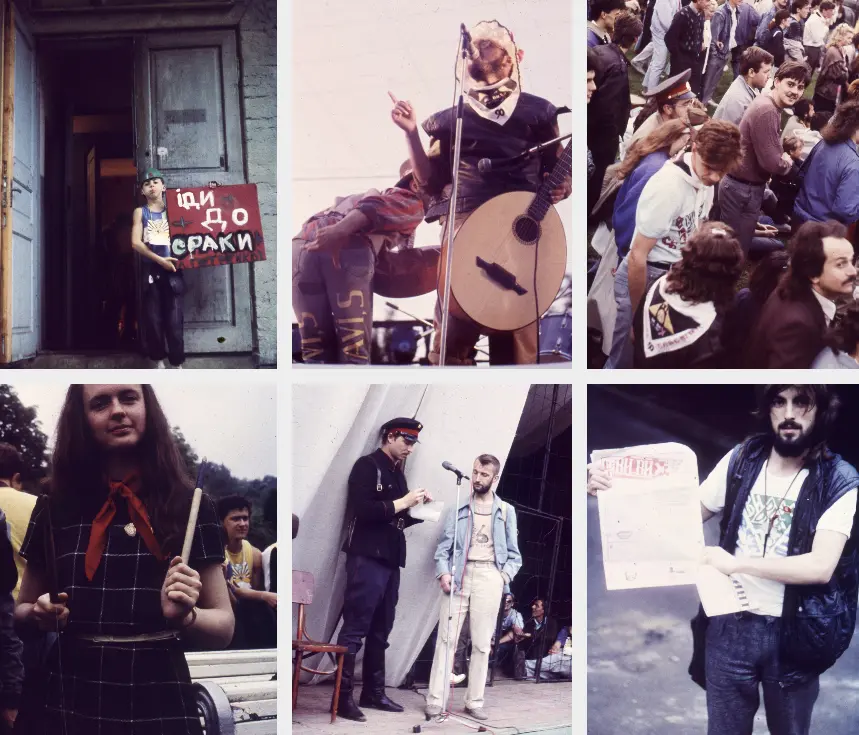
Dzyga was a magnet for ideas that arose spontaneously, literally out of thin air. And Marek was the center of gravity, to which crowds of people flocked: from musicians to people's deputies. Everything instantly moved from word to deed.
Other legendary projects were born just as easily. When the band Mertvyy Piven needed an album cover for "Shabadabada," which included the song "Starenky Harley" (a parody of the Pikardiyska Tertsiya's "Starenky Tramvay"), Vlodko Kaufman, over coffee, drew a rooster on a Harley on a napkin with colored pens in a few minutes.
And when the idea for the "Listen Ukrainian" event arose at the Lyalka club, Serhiy Proskurnia suggested taking the festival to the streets. The loud concerts of Viy, Komu Vnyz, TNMK, and Tartak played in a tiny 100-person club, while thousands of people watched the live broadcast on large screens in front of the Puppet Theater.
Dzyga not only provided a stage for musicians and a space for writers, but it also became a salvation for contemporary visual art. Artist Mykhailo Barabash describes those times as a void, when art academy graduates simply had nowhere to go.
For many young artists, Dzyga was a space where risks were allowed. Artist Yaryna Shumskaya recalls how art academy teachers forbade performances, telling them to "do it somewhere else."
Aesthetic Resistance and Statehood: Art as a Weapon
Culture and politics at Dzyga always went hand in hand, but it was a politics of values. In the late 1980s, as psychotherapist Roman Kechurrecalls, peasant culture dominated, and pro-Ukrainian youth were just beginning to test the boundaries.
Writer and journalist Oksana Forostyna (Press Secretary of the
Responsibility for those around became a key feature of this environment. Alina Nebelmes, who worked as a journalist in Lviv media for a long time, shares memories of the first student protests: “In 2001, we, Lviv students, went to Kyiv for the “Ukraine Without Kuchma” rally. When we were waiting for the train to Lviv in the evening, we were warned to remove our identification marks and stay silent, because our Ukrainian language immediately gave away where we were from. Memory recorded how Marek took our group to the nearest McDonald's so we wouldn’t freeze on the platform, and then put us on the train. He stood by the dumpster on the platform and watched. Only now do I understand what responsibility he felt then”.
The entire movement required colossal resources, and the most acute clash with the system was the fight for a free press. Yaroslav Rushchyshyn and Markiyan Ivashchyshyn created the "Lvivska Hazeta" – the most unprofitable project, which exhausted the business but preserved independent journalism. The first editor of the newspaper Oleh Onysko recalls the furious pressure of the repressive government machine under Kuchma.
“When Lviv entrepreneurs complained about pressure from tax officials (the Lviv tax office was headed by Viktor Medvedchuk’s brother at the time), we balanced our coverage of these conflicts. Otherwise, our publication wouldn't have become a phenomenon. But this led to terrible problems: Marek was arrested, and armed men broke into Slavko’s factory. But they held firm bravely and never asked us to write something ‘softer’ or compromise, ” he says. – When “Lvivska Hazeta” was being pressured, Medvedchuk’s closest associate Taras Kozak drunkenly shot a pistol in the “Vienna Cafe”. We, having a daily newspaper, knew about it, but couldn’t publish it, because we would have been flattened. So, we leaked this information to our Polish colleagues from Rzeczpospolita, then reprinted their material – and still lost the lawsuit in Lviv because our translation was not notarized. Today, such a wild situation is unimaginable”.
Culturologist Zenoviy Mazuruk was the bridge that often connected officials' offices with the bohemian environment: “Today I saw materials about Jazz Bez being handed over to the archive. So, the first time Marek came to my office and said: 'Save us, because there will be no Jazz Bez, there is no one to help.' Then he first received a small amount of budget funds, and the festival survived... In those times, the authorities did not want to allow private cultural initiatives that operated independently to develop. But they should have understood that such institutions perform functions that state museums or theaters cannot handle”.
Walls that heard everything: the living memory of the community
If the walls of the gallery and cafe could talk, they would tell thousands of stories. For the poet Olenka Pavlova "Dzyga" was always a magnet, especially during the Publishers' Forum: "I have a dream report that I never wrote: to cover the Publishers' Forum without leaving "Dzyga", because everyone gathered here. It was the Forum in its best times, when you come here and drink beer with Lyishya, Neborak, Midyanka. Serhiy Zhadan told how from the second-floor window, right above the entrance, he and Mysko Barbara read poems. Somewhere on YouTube I have a video from under "Dzyga", where we sit at Marek's table. Forum, evening, Taras Prokhasko and Andriy Lyubka sing "We are forest devils", rats run like in Paris – and it's just beautiful: everything is bohemian, it's wild, it's gorgeous! And then some old ladies call the police. I was so struck by this: the history of Ukrainian culture is happening here, the best Ukrainian artists have gathered, they are singing songs, and you are calling the police?".
Yaryna Melnyk, who worked as an administrator from 2014, experienced both the old gallery and the renovated space: "When they renovated and the halls appeared on the second floor, I couldn't accept it for the first year – it seemed like the chamber "Dzyga" had ended. But that windowsill on the second floor became a place of peace for me. We met countless dawns there after festivals, listening to the silence over Virmenska Street... There used to be a joke that "Dzyga" could organize any festival in a day with everything: advertising, guests, catering. And this team spirit was amazing. No one complained, no one asked "why" or "what for". There's a project – we do it.".
Vitaliy Grabar, working as a photojournalist, turned the gallery walls into an analogue of social networks that didn't exist yet: "I remember the times of tax audits. I was a photo editor at "Lvivska Gazeta" then, and we were asked to find photos from concerts in the archive to verify the presence of sponsor photo banners. God, what times those were! And then I had a permanent exhibition at "Dzyga": photos from concerts in and around "Lalka". It was very convenient: when there was free space on the walls, or when it was necessary to cover some holes or stains, the photographs did a great job... Social networks didn't exist then, so collecting such live feedback was much more interesting. And it was near "Dzyga" in 2003 that I met my future wife.".
Yaryna Yakubyak from "Mertvyy Pivden" emphasizes the inviolable sacred status of this location: "When "Dzyga" arrived on Virmenska Street, it became a kind of place of power. You could always come here, meet the same people with whom you could consult, talk, cry... Here, after cognacs with coffee, crazy ideas were born, which seemed absolutely utopian with the first cognac, and with the last one, we were already signing contracts... There are places in the world that are not subject to any changes. This place is sacred for many people, and this is not an exaggeration. Including for the youth who come to our concerts now – they understand it too, they feel it.".
Archive and memory: preserve to move forward
Head of the Institute of Cultural Strategy Yulia Khomchyn says that the idea of archiving arose during Lviv's application for the title of European Capital of Culture (ECoC):
Preserving the thirty-year heritage of the legendary "Dzyga" turned out to be such a large-scale task that it was organically divided into two complementary stages. The foundation was laid by the project "30 Years of Dzyga in Lviv: Archiving a Cultural Phenomenon" (NGO "Virmenska 35" with the Institute of Cultural Strategy and the art center "Dzyga" with the support of Goethe-Institut Ukraine), which focused on the initial systematization of artifacts.
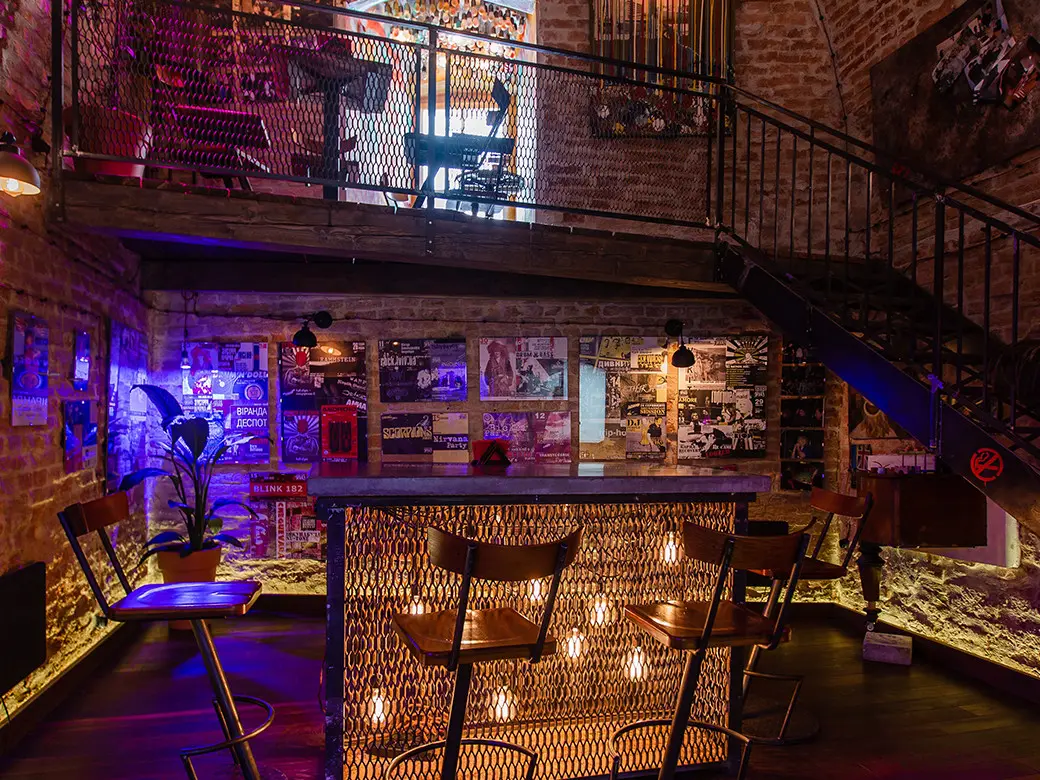
Its logical continuation, aimed at transforming this work into a public digital format and supplementing it with oral history methodology, became the project "Dzyga: Living Archive", which is embodied by the
Yulia says that "Dziga" is a big part of her and who she is now: "I got there as a student, I started as a volunteer at the Publishers' Forum. After university, Marek offered me a job – and so I worked at "Dziga" for about 15 years. I was involved in managing artistic projects, fundraising, partnership development, and communications. For 15 years, I worked on the international festival Jazz Bez, "Flugery Lviv", and many other projects."
The interlocutor states that it is very difficult to give up what shaped her: "I deeply believe in the values embedded in these projects. I don't know how one can stop Jazz Bez, which has been around for 25 years. I recall 2014, when Marek said: 'We will take Jazz Bez to Sloviansk, Druzhkivka, and Kramatorsk. Because it's necessary. Because jazz stitches the country together and creates space for dialogue and understanding among all of us.' "Dziga" laid the foundation for the emergence of such powerful organizations as NGO "Virmenska 35", the Institute of Contemporary Art, and the Art Council "Dialogue", which continue this work. Therefore, I continue doing it."
For archiving, Yulia brought her badge from Sevastopol. Once, at the invitation of local activists, she, Vlad Troitskyi, Sviatoslav Pomerantsev, Yurko Vovkohon, and other cultural figures traveled there to develop the idea of revitalizing the Petropavlivska Fortress and planned a festival there.
The launch of the digital platform within the "Dziga: Live Archive" project is planned for September 2026. Until then, the project team urges everyone who has photographs, posters, flyers, programs, videos, audio recordings, or other materials related to "Dziga" to join the creation of the live archive. After all, the history of this place is the history not only of one institution but of thousands of people who created the culture of independent Ukraine, and this memory deserves to be preserved for future generations. Contact person for project communications: Olesya Levytska, [email protected].
Full or partial republication of the text without the written consent of the editorial office is prohibited and is considered a violation of copyright.
Related News