Starfall peak tonight: major astronomical events in May not to be missed
05 May 2026, 17:20
05 May 2026, 17:20
Several astronomical events that can be seen with the naked eye will take place in May. Specifically, there will be the peak of the Eta Aquariid starfall, three space bodies (Venus, the Moon, and Jupiter) will be located near each other, and at the end of the month, there will be a "blue micro moon." This was reported by "Universe Space Tech."
Eta Aquariid starfall
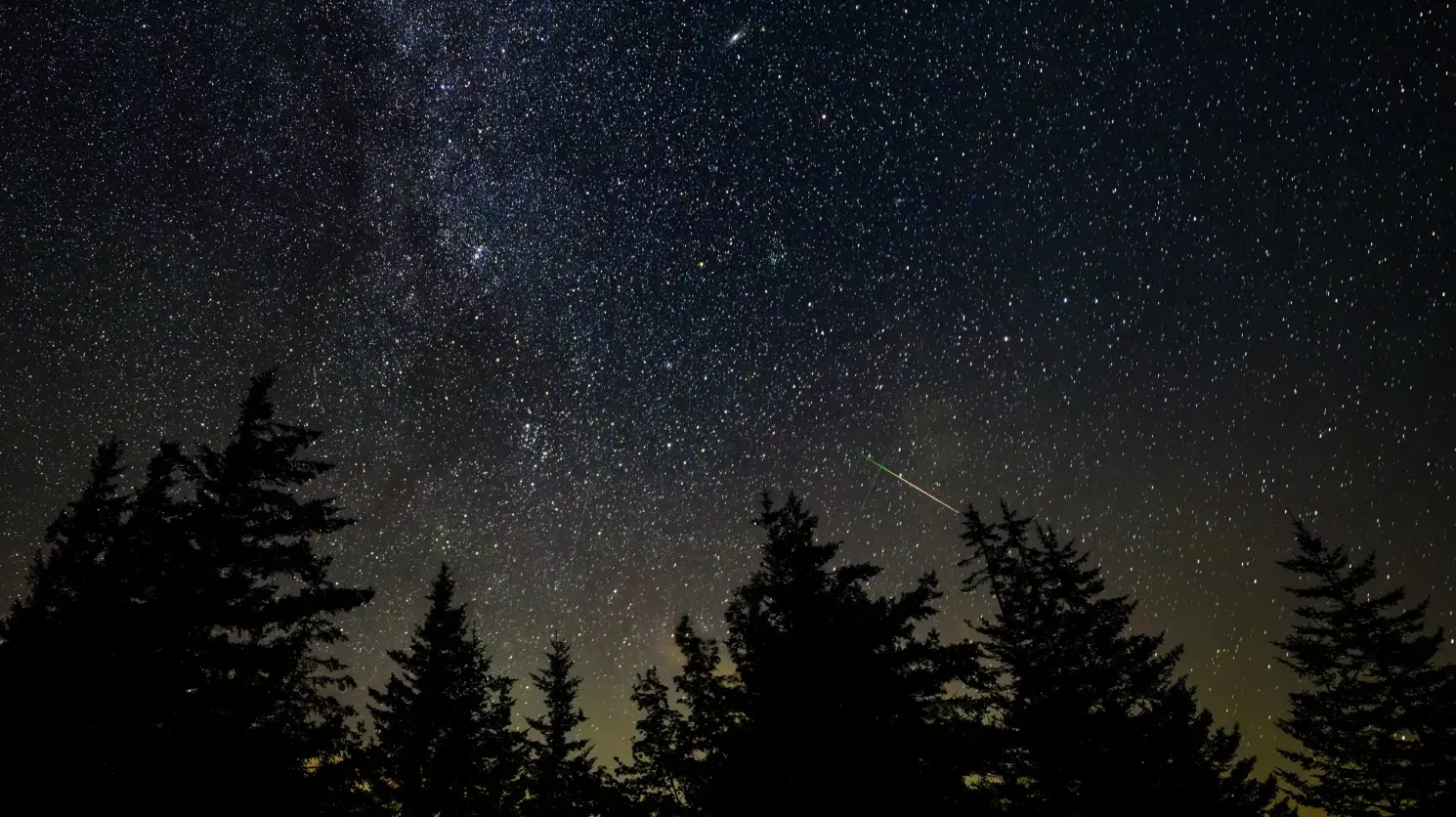
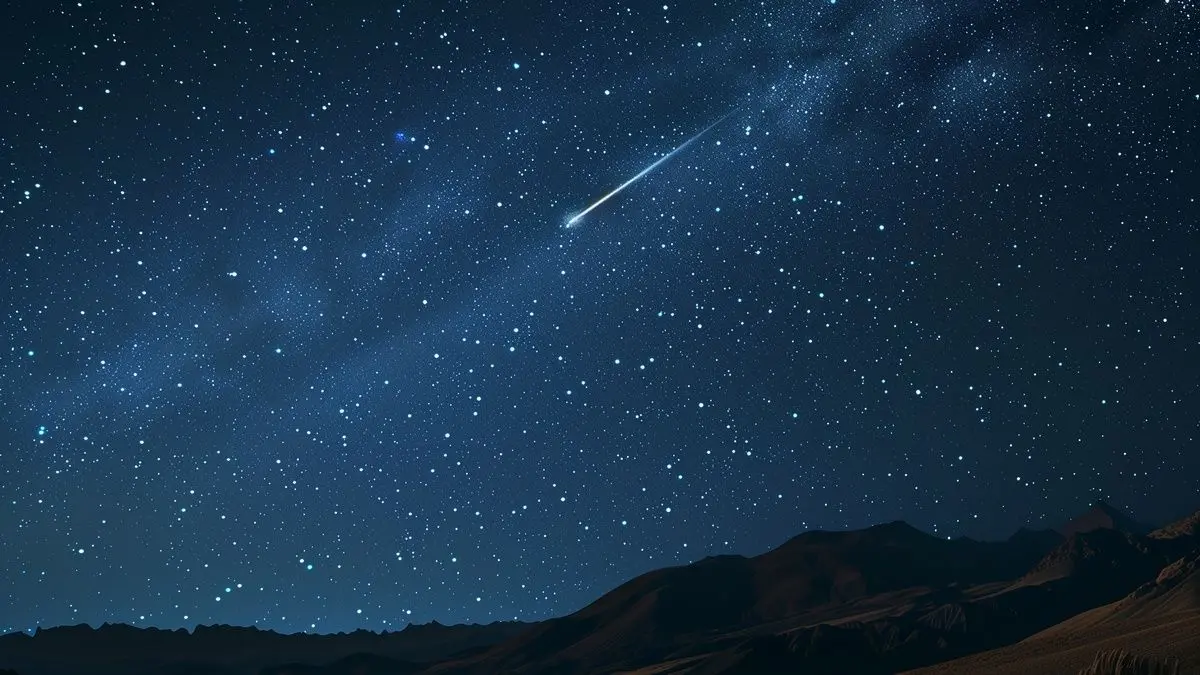
On the night of May 5 to 6, the peak of the Eta Aquariid meteor shower will occur, which is one of the brightest astronomical events of May.
The Eta Aquariids are active every year from April 19 to May 28. This meteor shower occurs because Earth passes through a dense trail of dust left behind by Halley's Comet. Our planet does this twice a year, which is why we have another starfall, the Orionids, in the autumn.
Halley itself orbits the Sun every 76 years. The last time it approached the Sun was in 1986, and the next time is expected in 2061. Currently, the comet is far beyond the orbit of Neptune.
As Earth moves through Halley's debris, small particles enter the atmosphere at speeds of about 65.4 kilometers per second, creating fast meteors and persistent light trails. Seeing bright fireballs is possible, but rare.
This year, the Moon will be in a waning crescent phase, illuminated by 84%. Its bright light will "hide" faint meteors, which may cause the visible intensity of the starfall to drop to less than 10 stars per hour.
The best time for observation is before dawn on May 6, when the (constellation Aquarius) will rise highest, and the Moon will descend, clearing the sky of excess light. You won't need special equipment — everything can be seen with the naked eye.
Venus, the Moon, and Jupiter
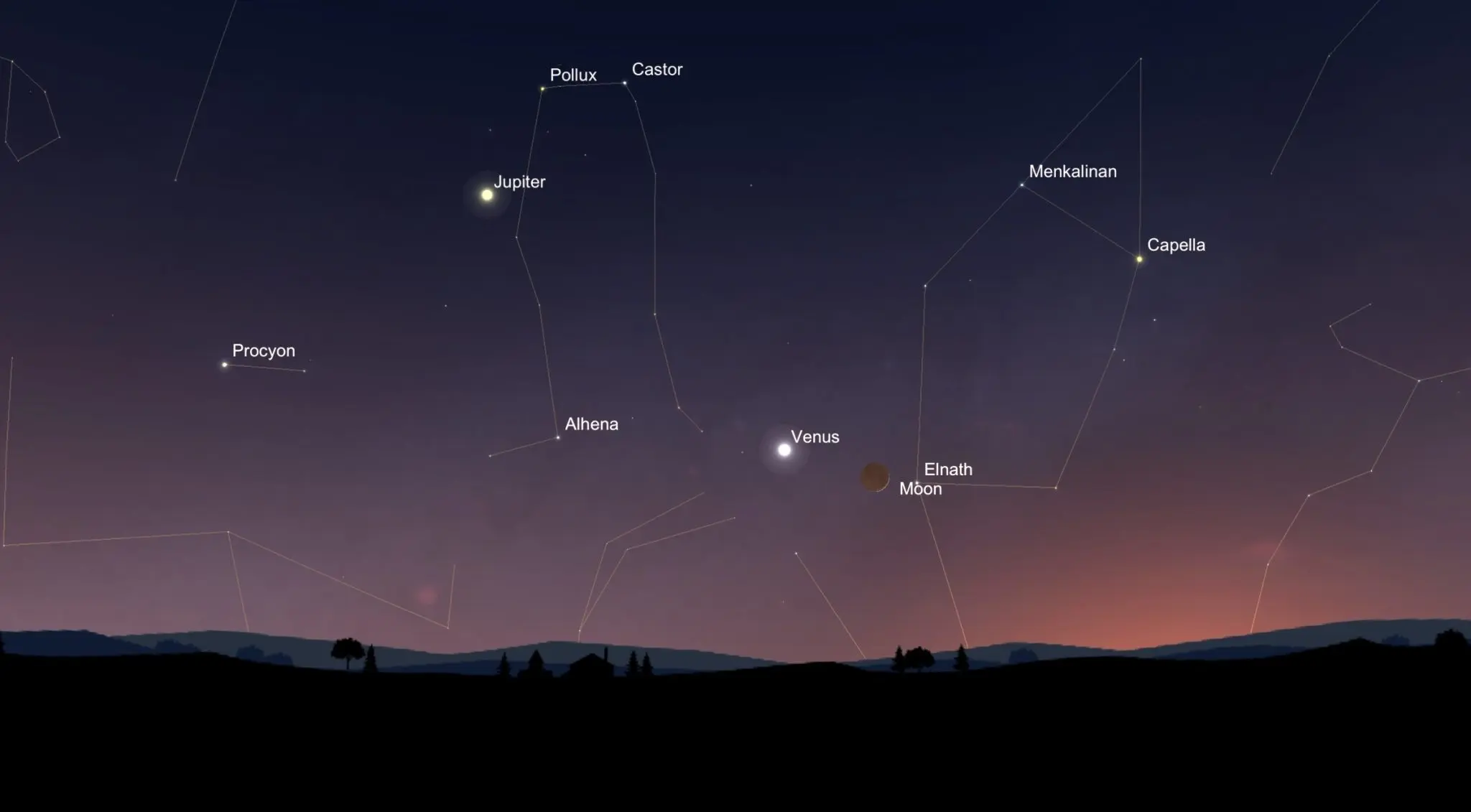
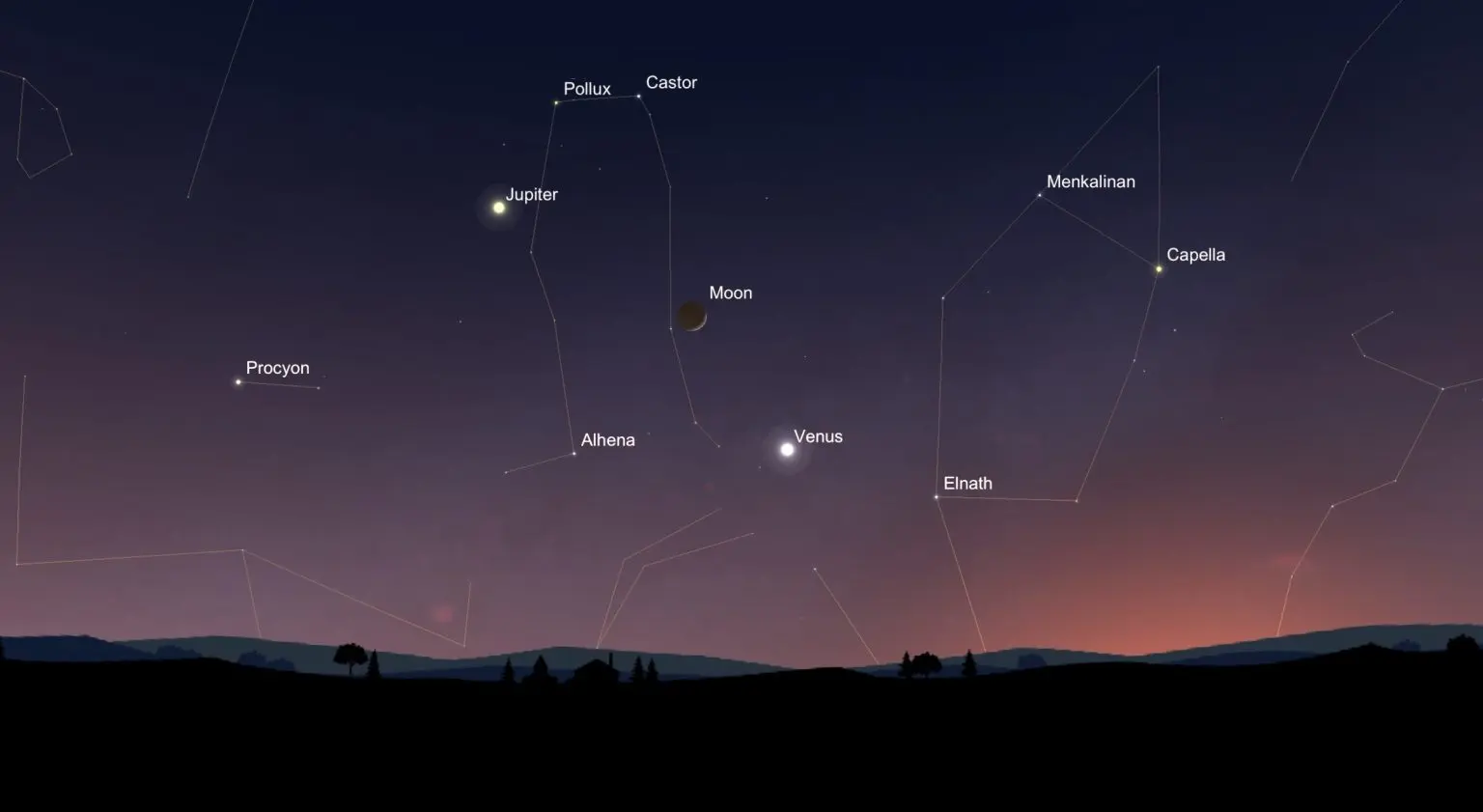
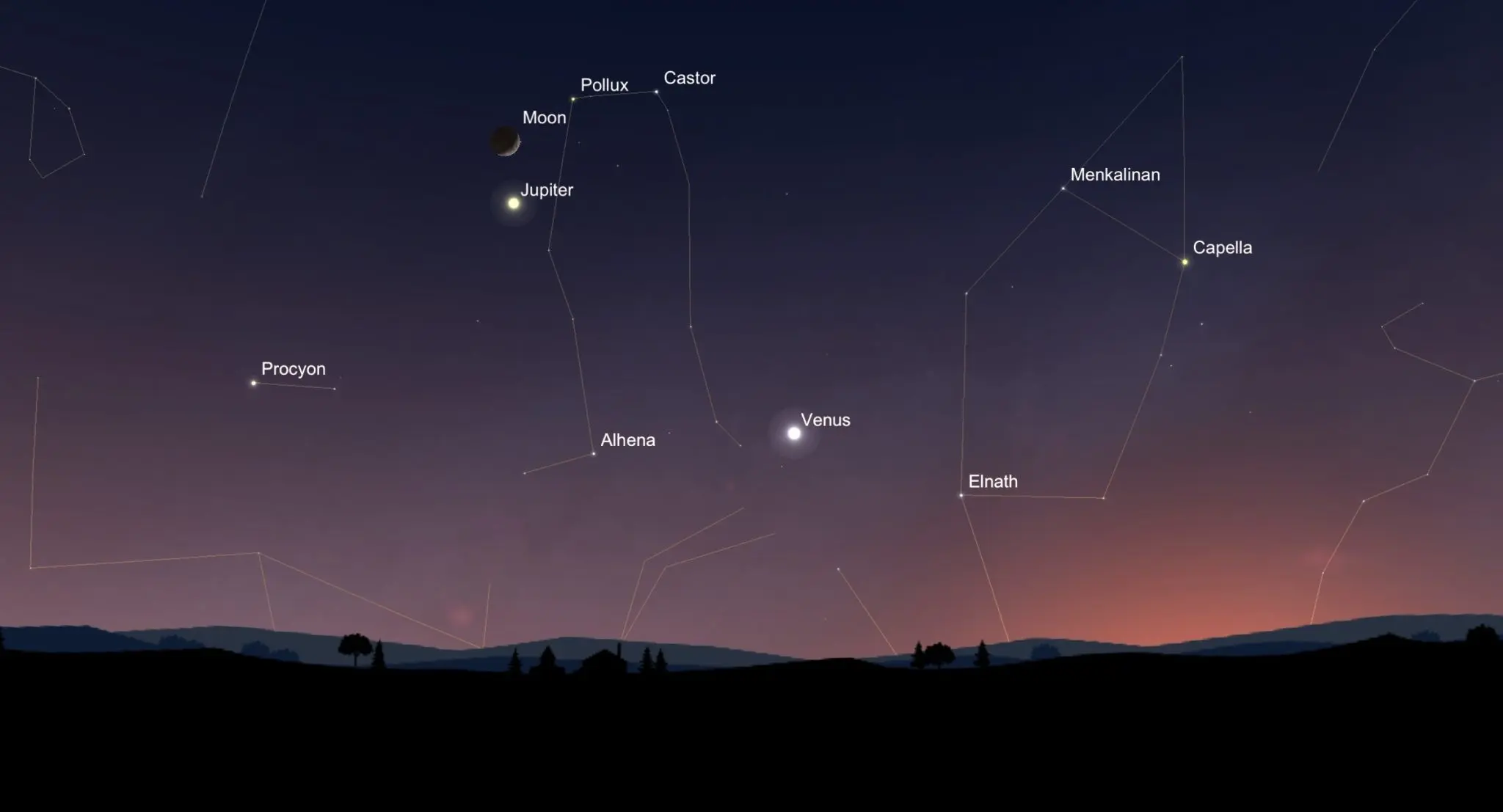
On May 18, the young Moon will still be thin, illuminated only by 6%, and will keep company with Venus, which will be approaching its highest position and will be easy to spot. On the 19th, our satellite will be located almost exactly between the two brightest planets. And on May 20, the Moon will have already moved toward Jupiter and will hang right above it.
During the day on May 20, Jupiter can be viewed through a telescope by using the Moon as a guide. This is an amazing experience, as even during the day it is not difficult to see the dark wide bands in the planet's atmosphere.
Blue Micro Moon
On May 31, the second full moon in a calendar month can be observed — a phenomenon that occurs once every 2-3 years. In such cases, the full moon is called "blue" (although the third full moon of an astronomical season that has four full moons is also traditionally called this). Usually, during the year we see a 100% illuminated Moon 12 times, but sometimes, as in 2026, it will happen 13 times. However, it should be noted that the moon will not be blue in color, but will be a regular full moon.
The full moon on May 31 will occur when the Moon is almost at the furthest point of its orbit, i.e., close to its apogee. The exact time of the full moon is 11:45 Kyiv time (08:45 UTC), while less than a day later, on June 1 at 07:32 (04:32 UTC), our satellite will move to its maximum distance from Earth. Such a phenomenon is sometimes called a "micro moon," meaning the Moon will not be as large and bright as usual (its visible size will be about 7% smaller than average).
Also, this full moon will be the most distant in 2026. While the average distance from Earth to the Moon is 384,472 km, during the full moon on May 31, it will reach 406,135 km.
Other astronomical events that don't require a telescope
May 13 — conjunction of the Moon (11%) with Saturn (+0.9m). The best time for observation is before dawn on May 14, but both bodies will be very low above the horizon.
May 16 — New Moon, exact time 23:01 Kyiv time (20:01 UTC).
May 22–29 — Venus at its highest altitude in the evening sky. The exact date depends on your geographic location.

Related News