Crimea is becoming more isolated. What is happening on the peninsula and what to expect
15 June 2026, 15:13
15 June 2026, 15:13
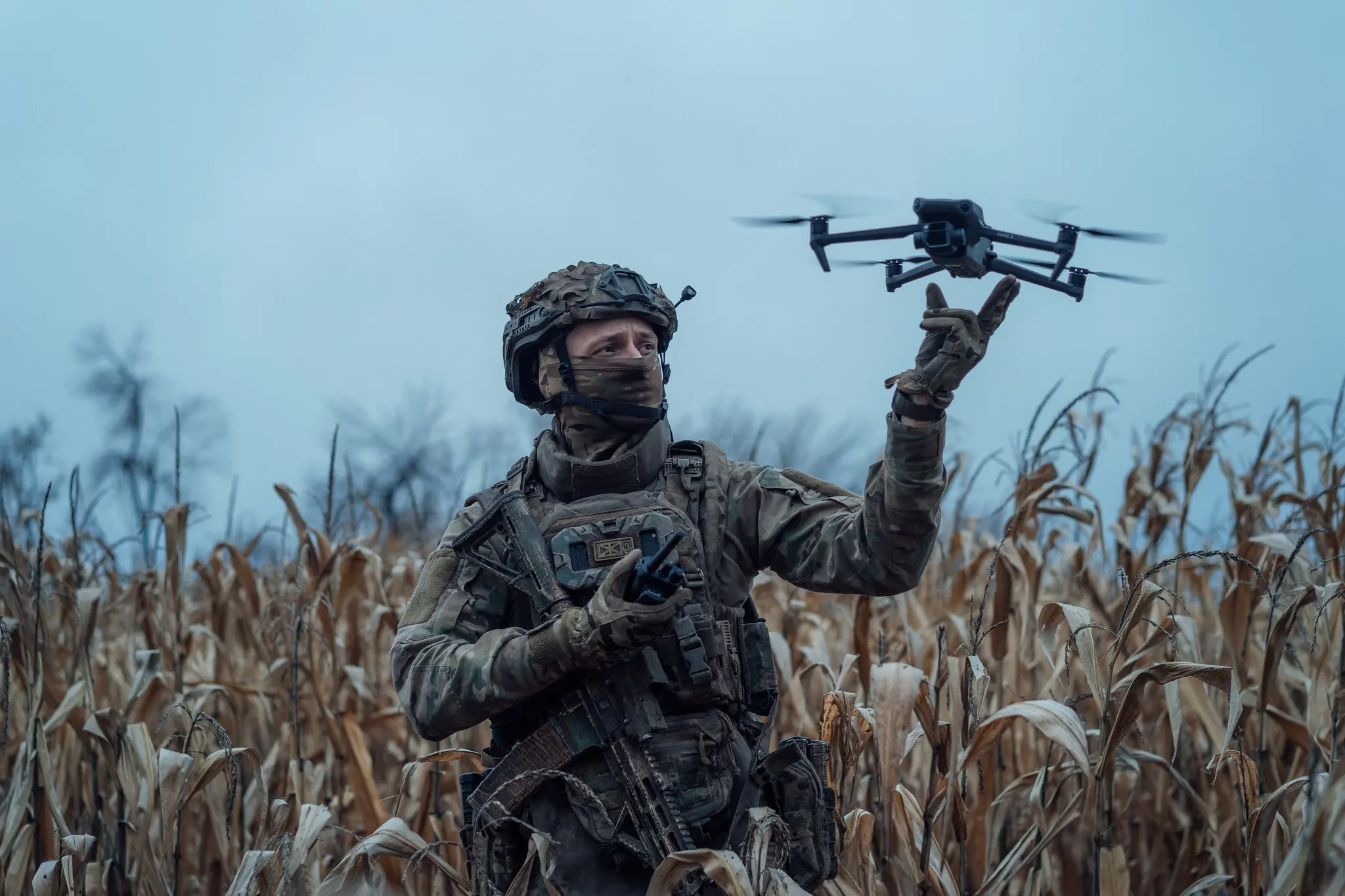
Last week, the commander of the unit Robert Brovdi stated that the Unmanned Systems Forces of Ukraine plan to completely isolate the temporarily occupied Crimea from Russia, and on June 15, the permanent representative of the President of Ukraine in Crimea, Olga Kuryshko, in a column for "UP" explained in more detail what is happening there and what to expect.
What crises are we talking about?
According to Kuryshko, the fuel, logistics, and transport crises have simultaneously escalated in occupied Crimea. fuel, logistics, and transport crisesRestrictions on fuel sales, disruptions in transport operations, and complications in communication with mainland Russia have overlapped with regular reports of explosions and air defense activity.
Since the end of May, the occupation administration has introduced restrictions on gasoline sales – initially up to 20 liters per person, and later switching to sales by coupons. In Sevastopol, restrictions were supplemented by digital passes via QR codes linked to the Russian messenger "MAX".
On June 5, cash sales of fuel on the peninsula were effectively halted. The next day, about 400 units of public transport did not go out on routes due to a shortage of fuel.
Against the backdrop of a fuel deficit, disruptions in logistics operations are being recorded. Tourists who were on the peninsula during the season report difficulties with departure, and in Crimea, a hotline has even been set up for those who cannot leave the territory.
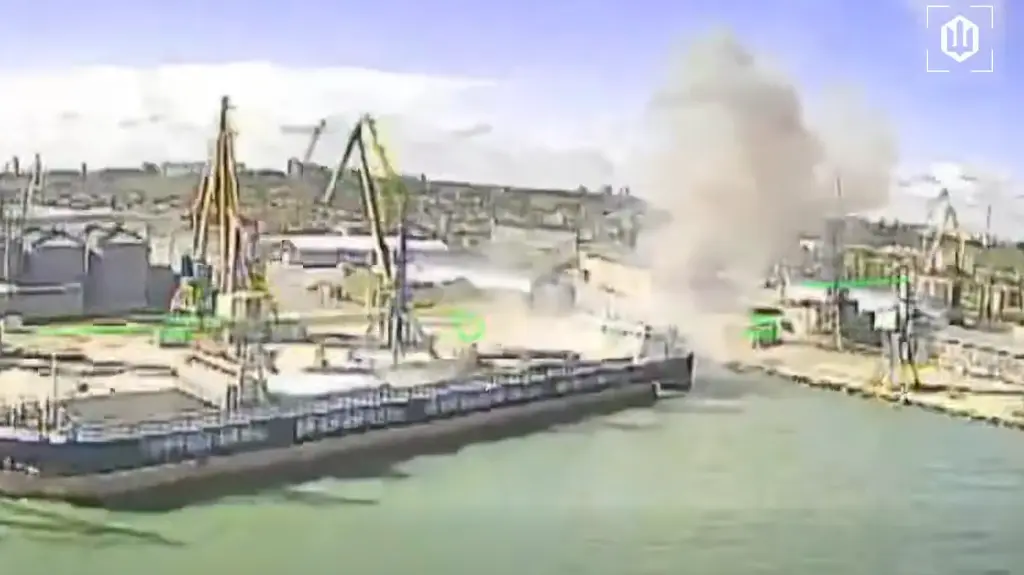
The reasons for the crisis include disruptions in supply chains and strikes against Russia's oil infrastructure. According to public statements by the Ukrainian side, a significant portion of primary oil refining capacity has been put out of action since the beginning of 2026.
Read also: Complete isolation of Crimea: "Madyar" plans to "cut off" the peninsula from Russia
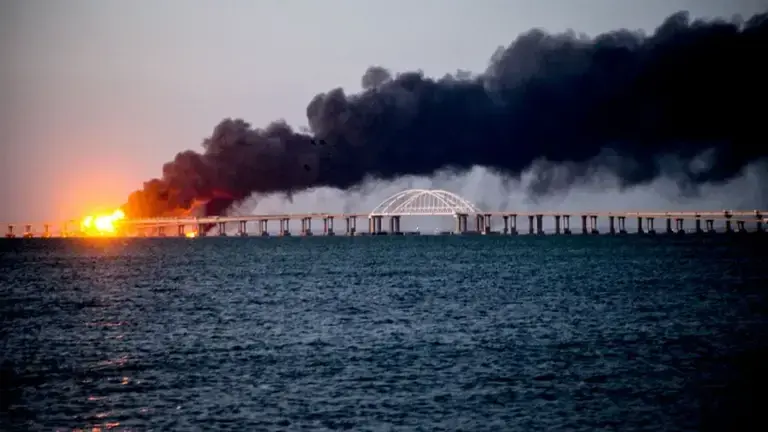
Transport links with Crimea are further complicated.Damage to the Chongar bridge and other infrastructure facilities used for supplying the peninsula is reported. Railway traffic has also been altered – trains stop on the approaches to Kerch, and passengers are transferred to buses.
Concurrently, regular incidents with drones are being recorded. In Sevastopol and other cities on the peninsula, reports of air defense activity, explosions, and fires after falling debris are coming in.
Against the backdrop of these events, the occupation administrations claim to be "in control of the situation"; however, the actual disruptions in fuel supply, transport, and logistics indicate the growing isolation of the peninsula.
What are the moods in Crimea?
Local residents and tourists report fuel shortages, queues at gas stations, and a decrease in the tourist flow. Some vacationers are trying to leave Crimea early, but departure is difficult.
Olga Kuryshko emphasizes that the Ukrainian Defense Forces are striking at the military objects and logistics of the occupying army, not at the civilian population, which is confirmed by the nature of the attacks. At the same time, risks for civilians remain, so it is important to avoid being near military facilities, ports, railway junctions, and areas where equipment is based.
Kuryshko also urges not to succumb to the panic spread by the occupation administration and notes that claims of 'controlling the situation' are not confirmed by actual events.
She advises staying in touch with relatives on the mainland of Ukraine, using secure communication channels, and not ignoring air raid sirens. If it is possible to leave, she advises leaving the temporarily occupied territory.
"It is better to take care of your route home to Russia in advance, while this country still exists on the world map."
Chairman of the Board of the Crimean Tatar Resource Center, member of the Mejlis of the Crimean Tatar people Eskender Bariev, commenting on the situation with logistical routes that Russia uses to supply occupied Crimea, stated that Russian citizens illegally staying in Crimea since 2014 should not postpone their departure.
According to Bariev, the bridges that Russia used for military logistics and maintaining the occupation of Crimea are gradually losing their function.
How strikes on Crimea could change the course of hostilities in southern Ukraine
In a report on June 12, the American Institute for the Study of War writes that since the beginning of spring 2026, Ukraine has been increasing the scale and intensity of strikes on Russian logistics, military equipment, and manpower, which restrains the advance of Russian troops on the battlefield and disrupts Russian logistical routes in the occupied territories of Ukraine, especially in southern Ukraine and occupied Crimea. At the same time, they warn that damaged bridges can be repaired, and the occupiers have already started repair work.
Recall that the Chongar bridge, which Russian troops use to connect occupied Crimea with the occupied part of the Kherson region, after a repeated strike was completely disabled, and on the night of June 13, the Ukrainian military hit railway connections and a pontoon crossing in the Kherson region.
By the way, the Drone Systems Forces of Ukraine plan the complete isolation of the temporarily occupied Crimean Peninsula from the Russian Federation.

Related News