"Podil Is Ceasing to Be a Place to Live": Historian Explains the Biggest Threat to Kyiv's Oldest District
10 July 2026, 17:00
10 July 2026, 17:00
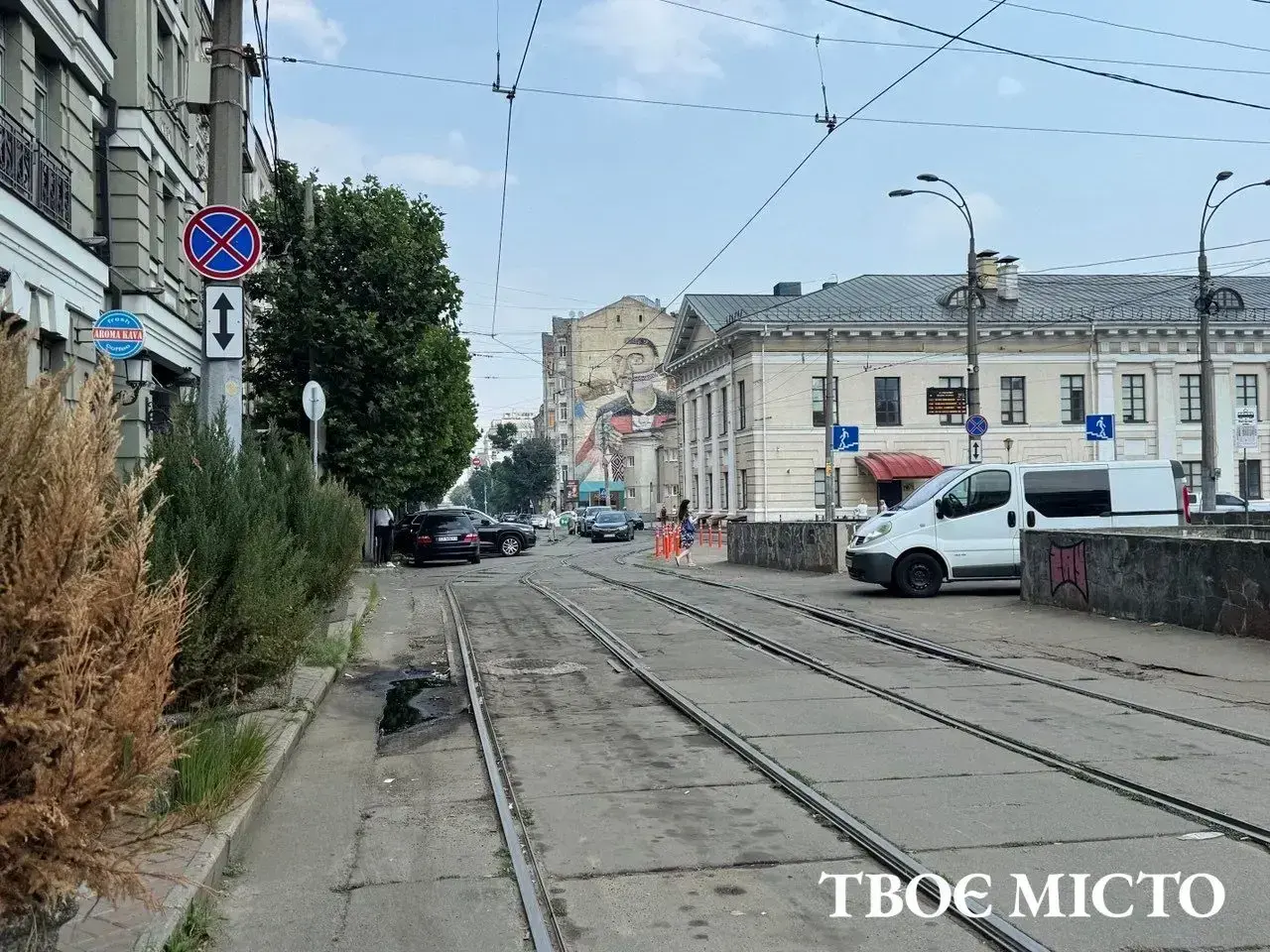
Podil is increasingly transforming into a space for business, tourists, and short visits, gradually losing its residential function. It is this, rather than the appearance of new establishments or modern buildings, that historian and heritage expert Anton Korob calls the main threat to the oldest district of the capital. This is reported by reported by "Your City".
Why Podil risks losing its identity
According to historian and heritage expert Anton Korob, the main value of Podil lies not only in individual historical buildings but also in the urban environment shaped over centuries.
He emphasizes that the district has never been an open-air museum—Podil has always changed. However, today these changes increasingly lead to the historical district losing its character.
Not buildings, but the urban environment
In the expert's opinion, the greatest danger is not the opening of new coffee shops, restaurants, or creative spaces.
According to him, in recent years, historical buildings in Podil have increasingly changed their purpose and have been transformed into restaurants, bars, offices, or other commercial spaces. Such changes in themselves are not a problem, but a danger arises when the commercial function begins to displace the residential one.
In this case, the district gradually ceases to be a place of everyday life and becomes a territory of short visits.
Where else can you feel the real Podil
Despite active transformations, the historian is convinced that authentic Podil can still be found.
According to him, the historical environment has been best preserved not on popular tourist routes, but in old courtyards with open galleries, wooden stairs, grapevines on facades, and buildings that survived the fire of 1811.
It is these inconspicuous places, according to the expert's conviction, that still preserve the memory of old Podil.
More details on why Podil was the heart of Kyiv for centuries, how historians, architects, and local lore experts assess the modern changes in the district, what threatens its authenticity the most, and whether the historical environment can still be preserved – read in the material from "Your City".

Related News