Millions for renovation, but few customers: what went wrong with the Bessarabsky Market in Kyiv
17 November, 19:00
17 November, 19:00
A Beautiful Space Short on People
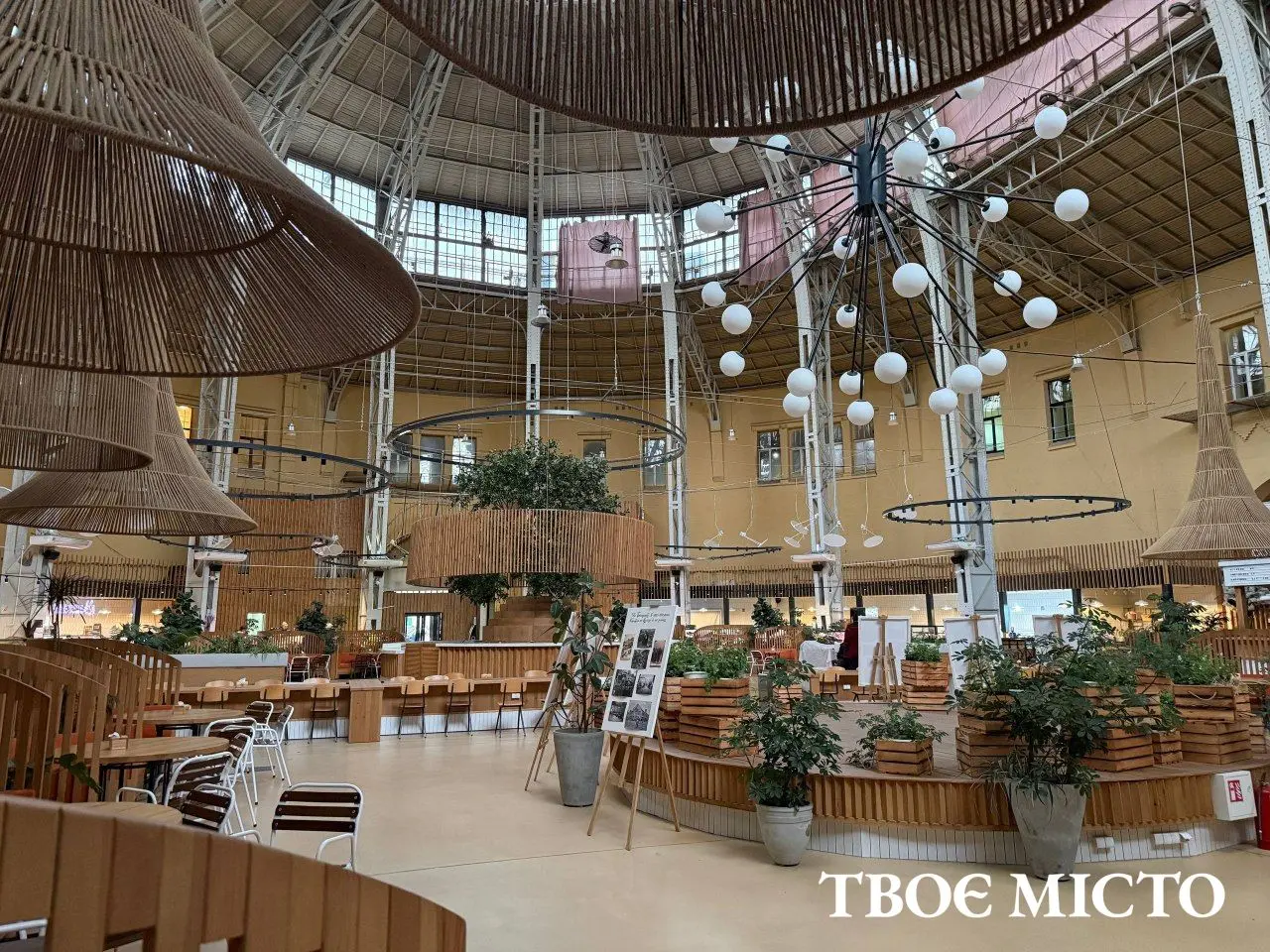
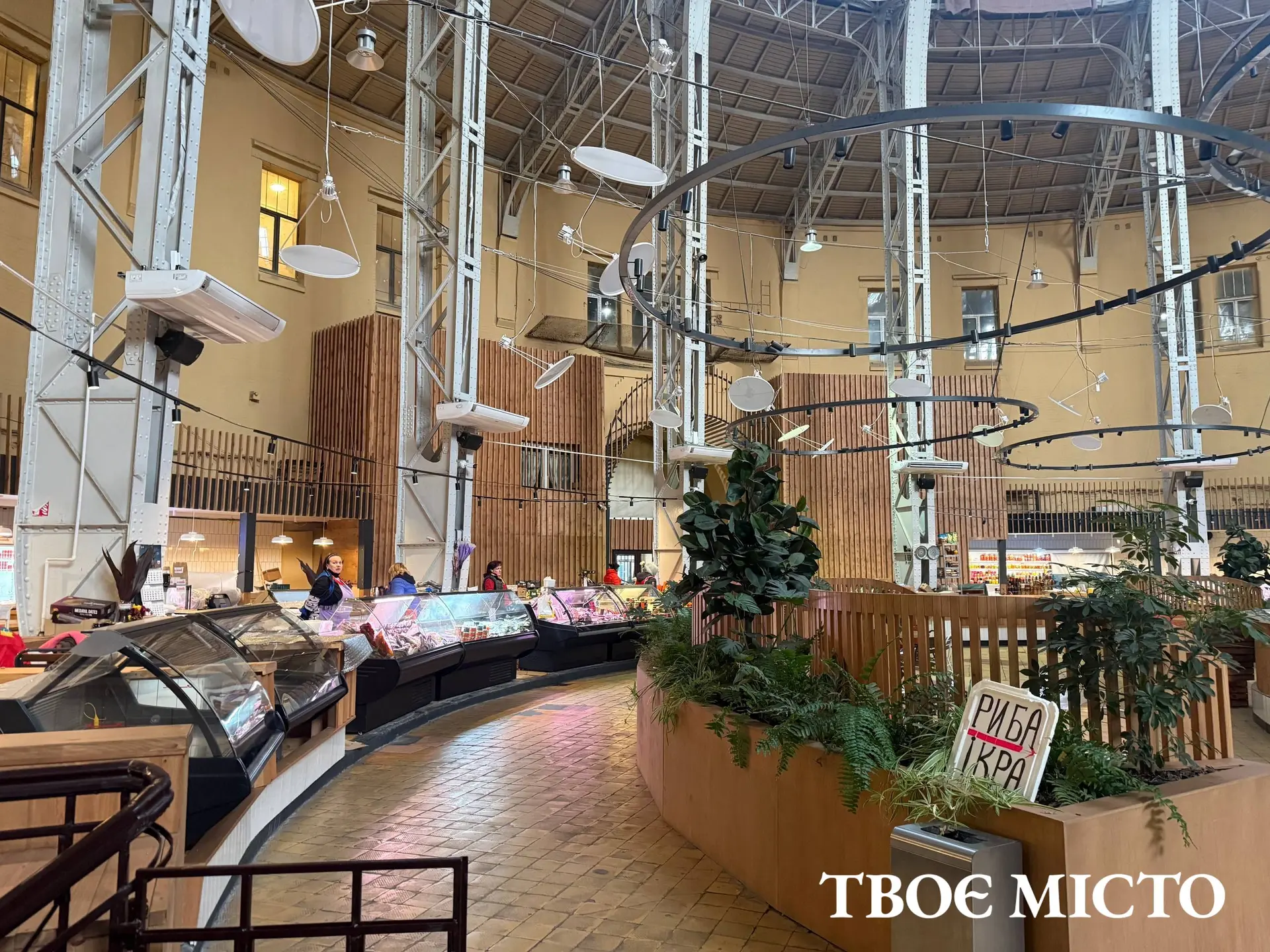
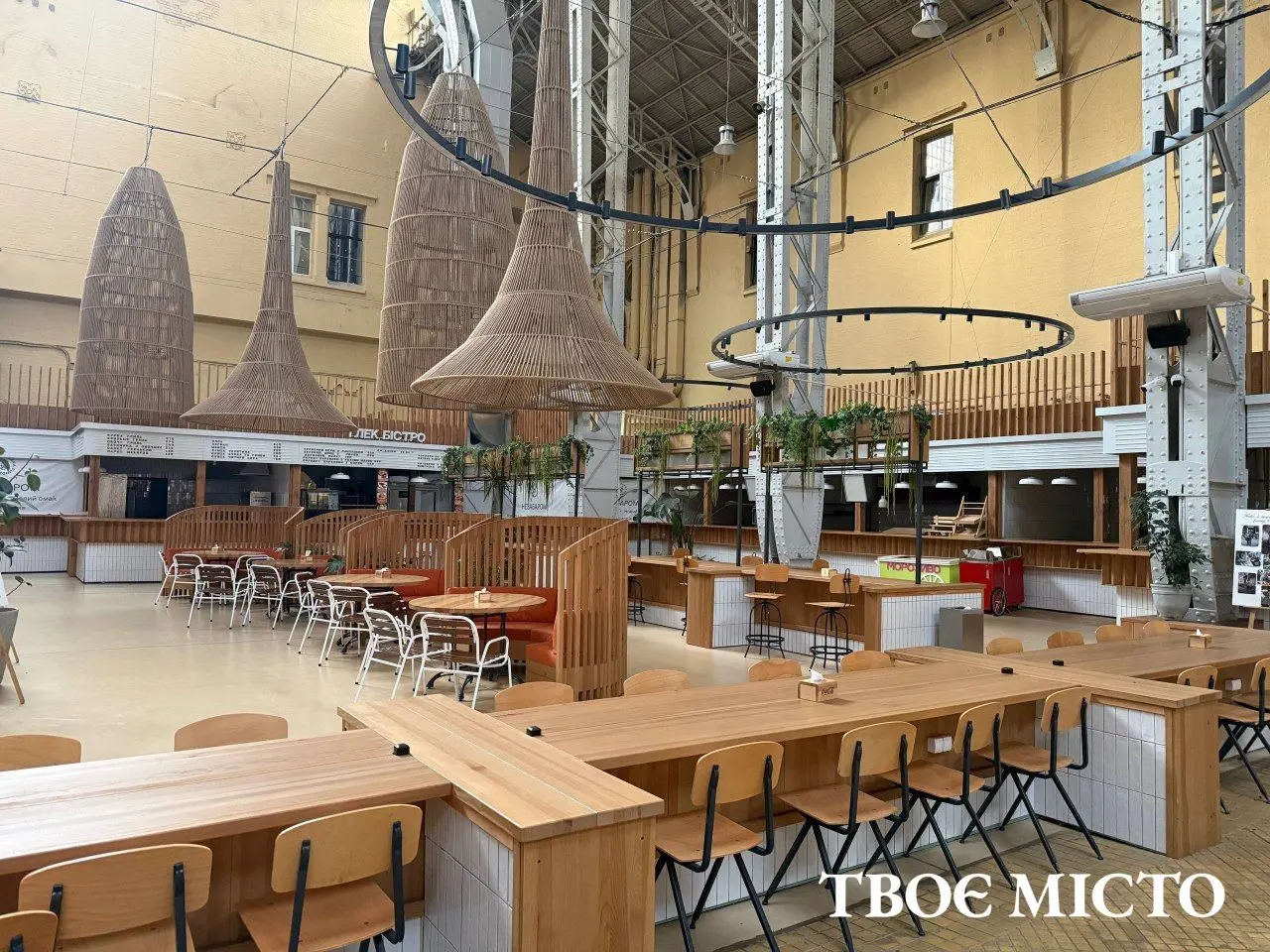
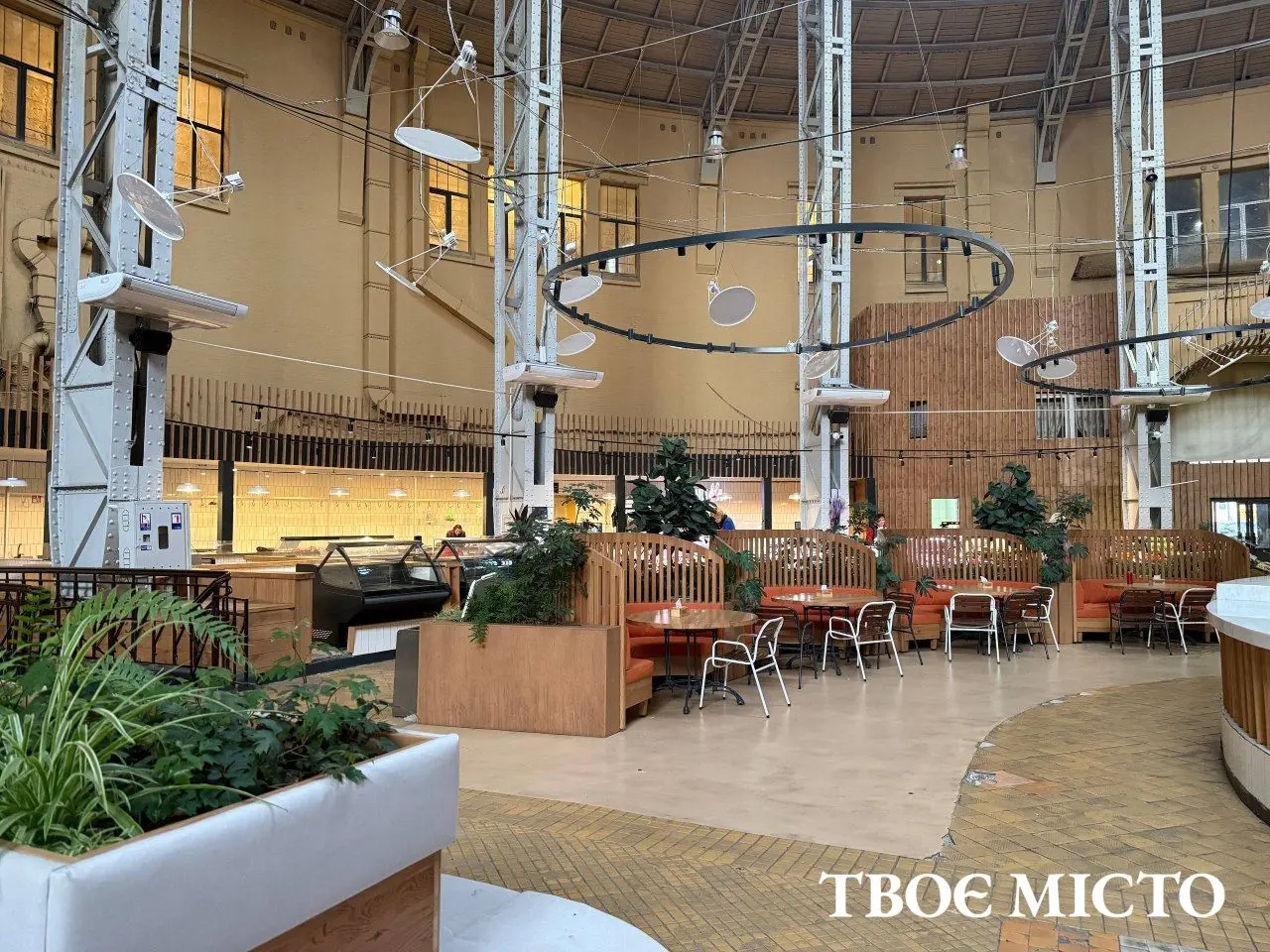
Behind the doors of Bessarabsky Market are a spacious hall, neat trading structures, display cases with products, and gastronomic outlets. At first glance, everything looks like a modern urban space where you can not only buy groceries but also have a coffee, grab lunch, or meet friends.
But during our visit, what stands out most is something else — the almost complete absence of visitors.
Near some of the trading outlets there are no customers. Some gastronomic establishments are closed. Among them is Glek Bistro. The space, which was conceived as a meeting place for city residents, at this moment resembles more a trading hall waiting for visitors.
Social media users have also repeatedly written about this.
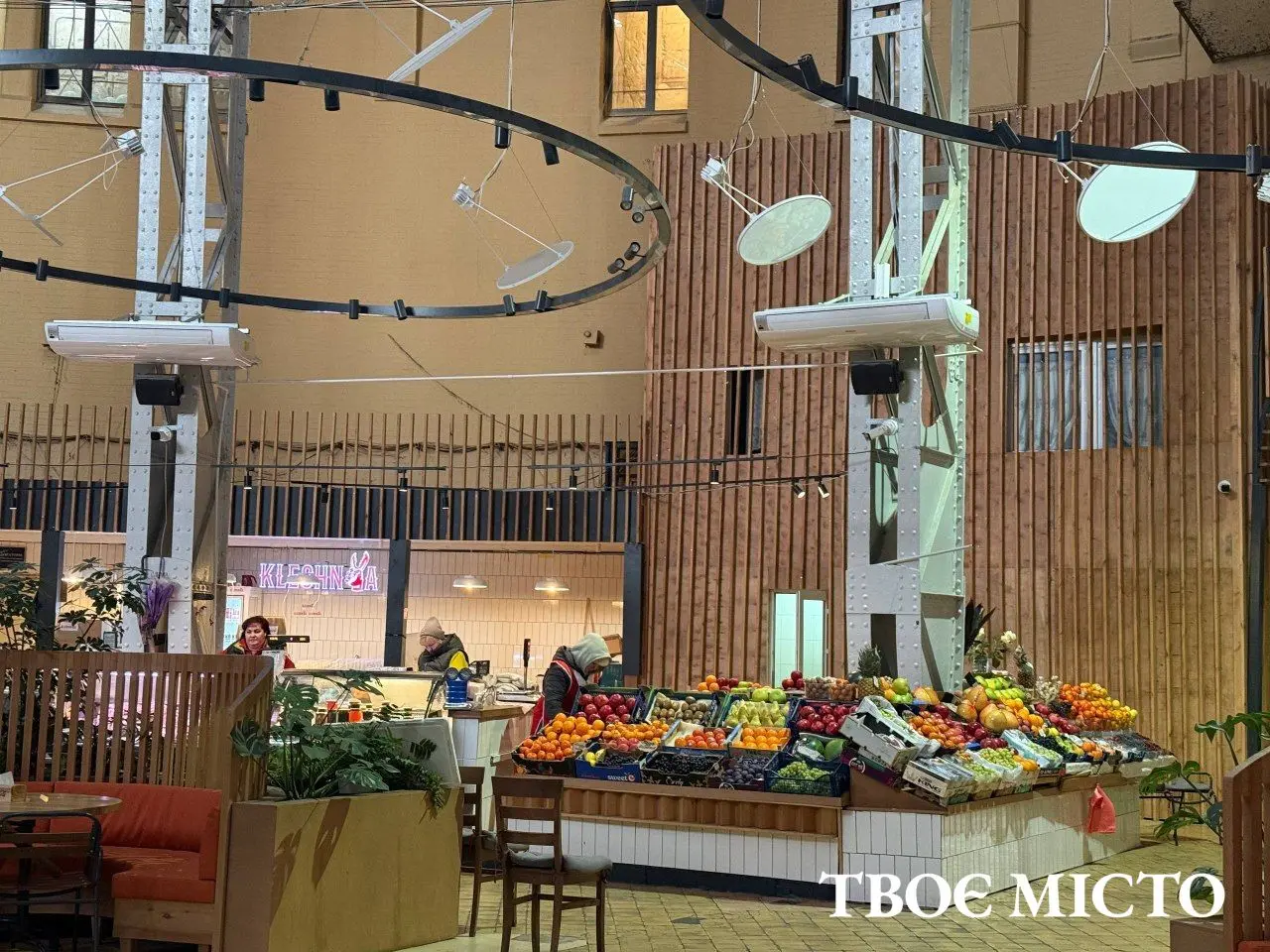
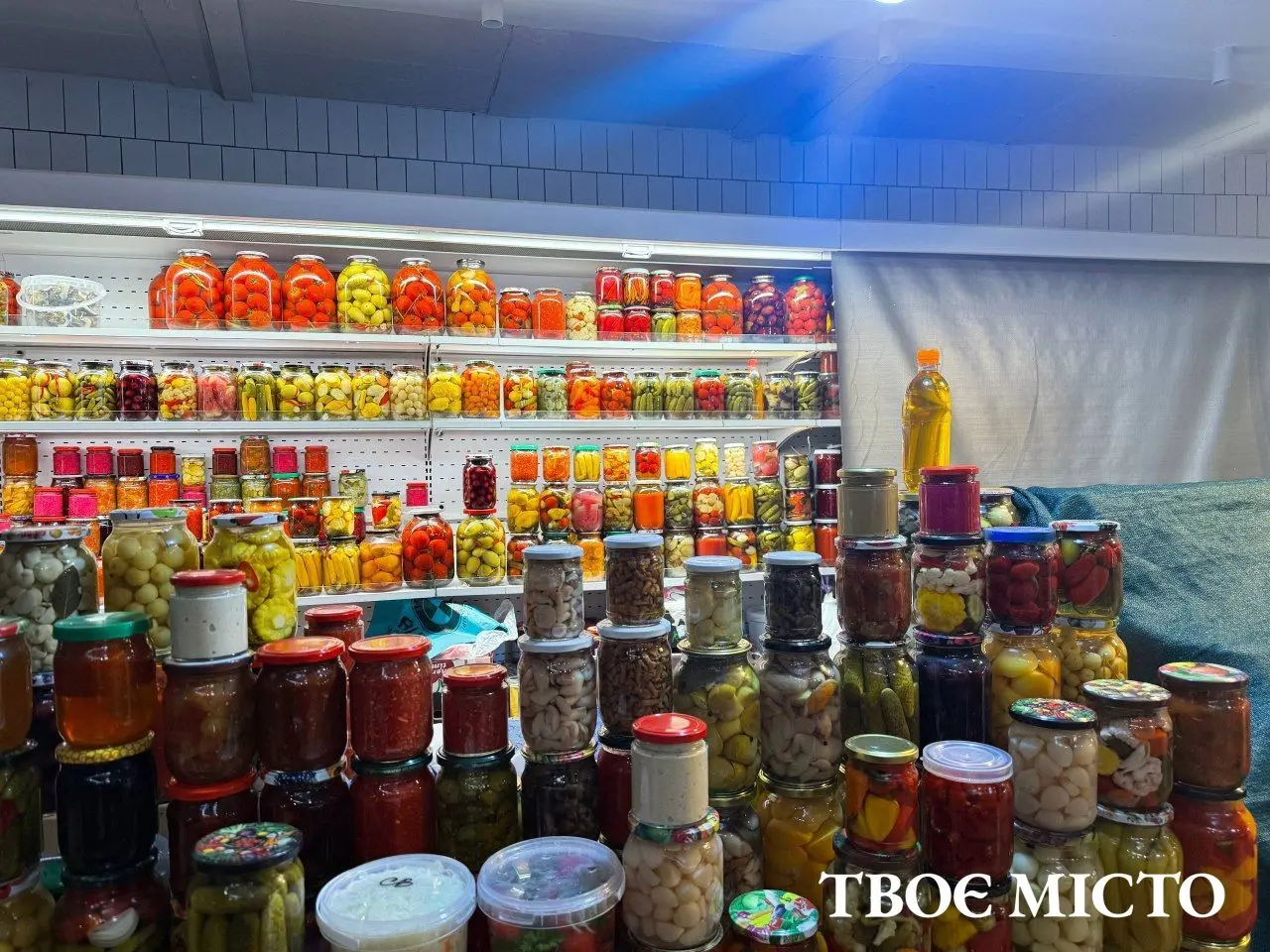
At the same time, it would be wrong to call Bessarabka completely empty. Individual vendors continue to work here; you can buy vegetables, fruit, meat products, pickles, and delicacies. There are outlets with coffee, sweets, and other gastronomic offerings.
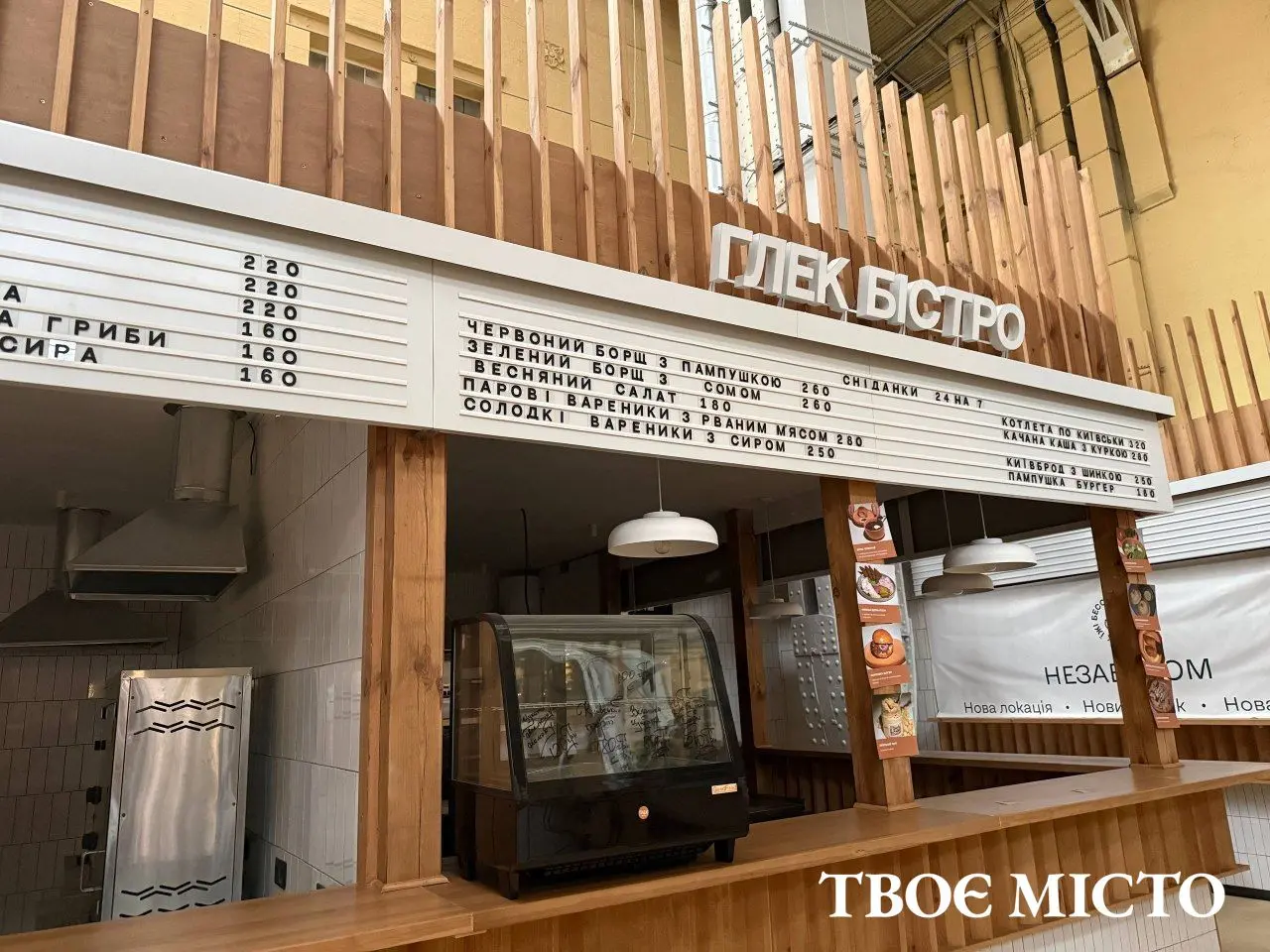
Still, the contrast between the renovated interior and the number of customers is noticeable.
We also pay attention to prices separately. For example, at one of the fruit stalls, tangerines were offered at 250–300 hryvnias per kilogram. For a buyer accustomed to ordinary food markets or supermarkets, such a price may be a reason to refrain from purchasing.
Of course, the price of a specific product depends on the variety, origin, and quality. A single price tag does not allow assessing the market's entire pricing policy. However, what we saw raises a question: which customer is Bessarabka targeting today?
Does it remain a place where Kyiv residents can come for ordinary groceries, or is it gradually turning into a space for those willing to pay more for special assortment and atmosphere?
During a brief conversation, one of the saleswomen recalled that the market used to be famous for its large number of customers. Asked whether it is equally busy here now, her answer was no longer so optimistic.
However, a single visit does not allow establishing the market's average attendance. This requires data from the administration and observations on different days and at different hours. Instead, what we saw allows us to speak of a noticeable difference between the expected activity of the gastronomic space and its condition at the time of our visit.
A similar picture during his visit to Bessarabsky Market was seen by local historian and head of the State Historic and Architectural Reserve "Ancient Kyiv" Roman Malenkov. He noted not only the empty trading spaces but also the absence of craft producers, which, in his view, could have become the main draw of the renovated space.
According to Malenkov, the initial idea of combining a traditional farmers' market, craft producers, and a small food court seemed promising to him. However, in his opinion, it was not realized: craft producers never became part of the space, and a significant number of former traders moved to other markets after the reconstruction.
Malenkov also spoke with vendors who continue to work at Bessarabka. According to him, they named the lack of customers as one of the main problems. At the same time, as the local historian states, citing the traders, the fee for a trading spot is about 200 hryvnias per day.
He separately pointed to the parking problem, although he does not consider it the only cause of the current situation. As an example, he cited well-known European markets, in particular La Boqueria in Barcelona, where the absence of surface parking directly next to the building does not prevent high attendance.
In his view, what matters more for Bessarabka is creating an appealing trading concept that could bring back customers and entrepreneurs. Despite his critical assessment of the market's current state, Malenkov is convinced that the historic space can still be revived.
Over a century of trade: why Bessarabka matters for Kyiv
To understand the current debate around Bessarabsky Market, it is worth returning to its history.
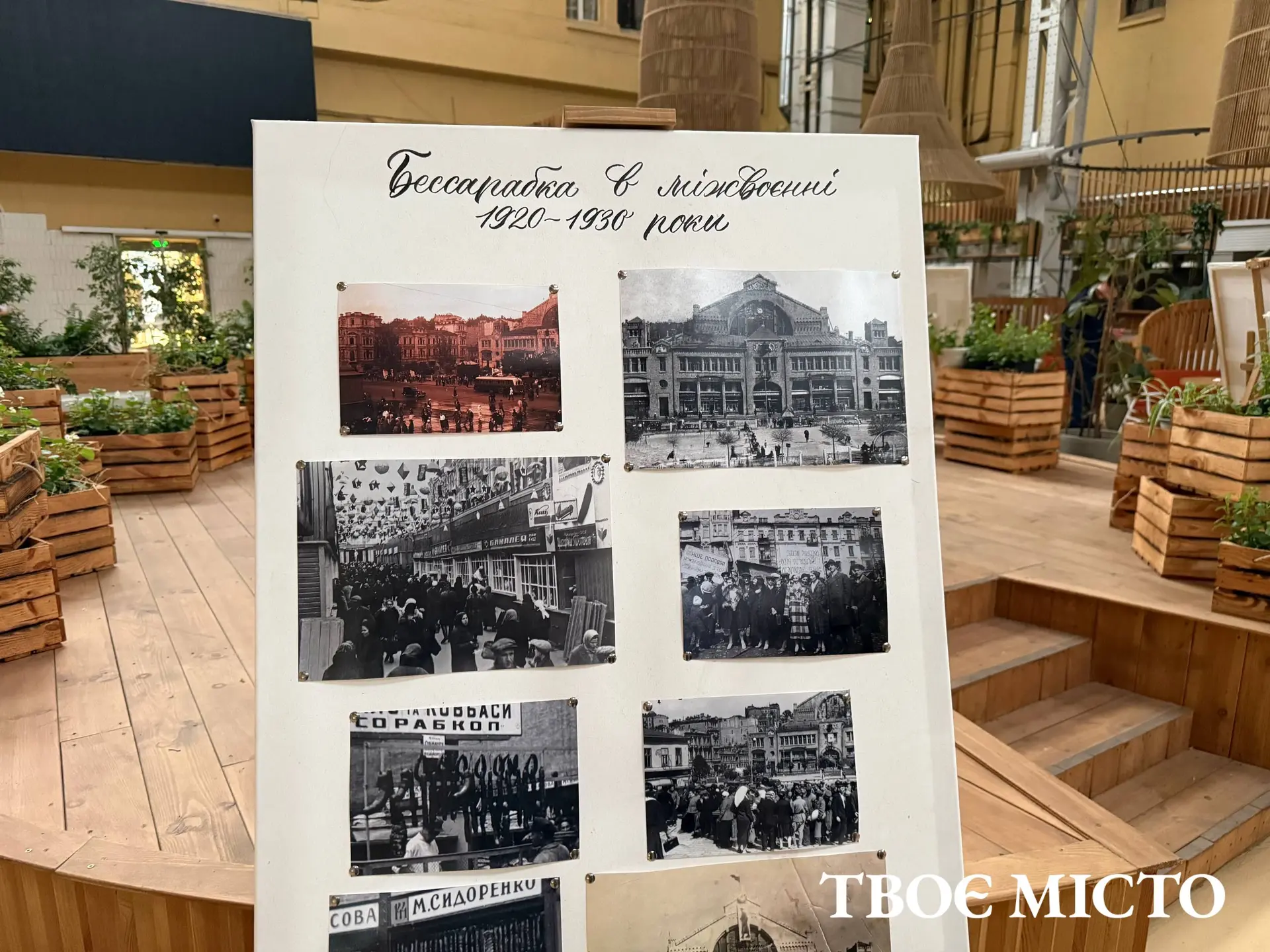
Trade on Bessarabska Square existed long before the appearance of the well-known covered building. In the 19th century, a spontaneous market with numerous stalls and trading pavilions formed here.
At the beginning of the 20th century, the city decided to organize trade. The construction of a new covered market became possible thanks to funds bequeathed to Kyiv by industrialist and patron Lazar Brodsky.
The building was constructed during 1910–1912 according to a design by architect Henryk Gay. The solemn opening took place in July 1912.
For its time, Bessarabsky Market was not just a trading place but a modern engineering facility. Refrigeration equipment was installed in its basement premises, allowing products to be stored under proper conditions.
The building's architecture also stood out among the development of its time. The spacious trading hall, metal ceiling structures, large windows, and decorative finishing combined practicality with characteristic features of Art Nouveau.
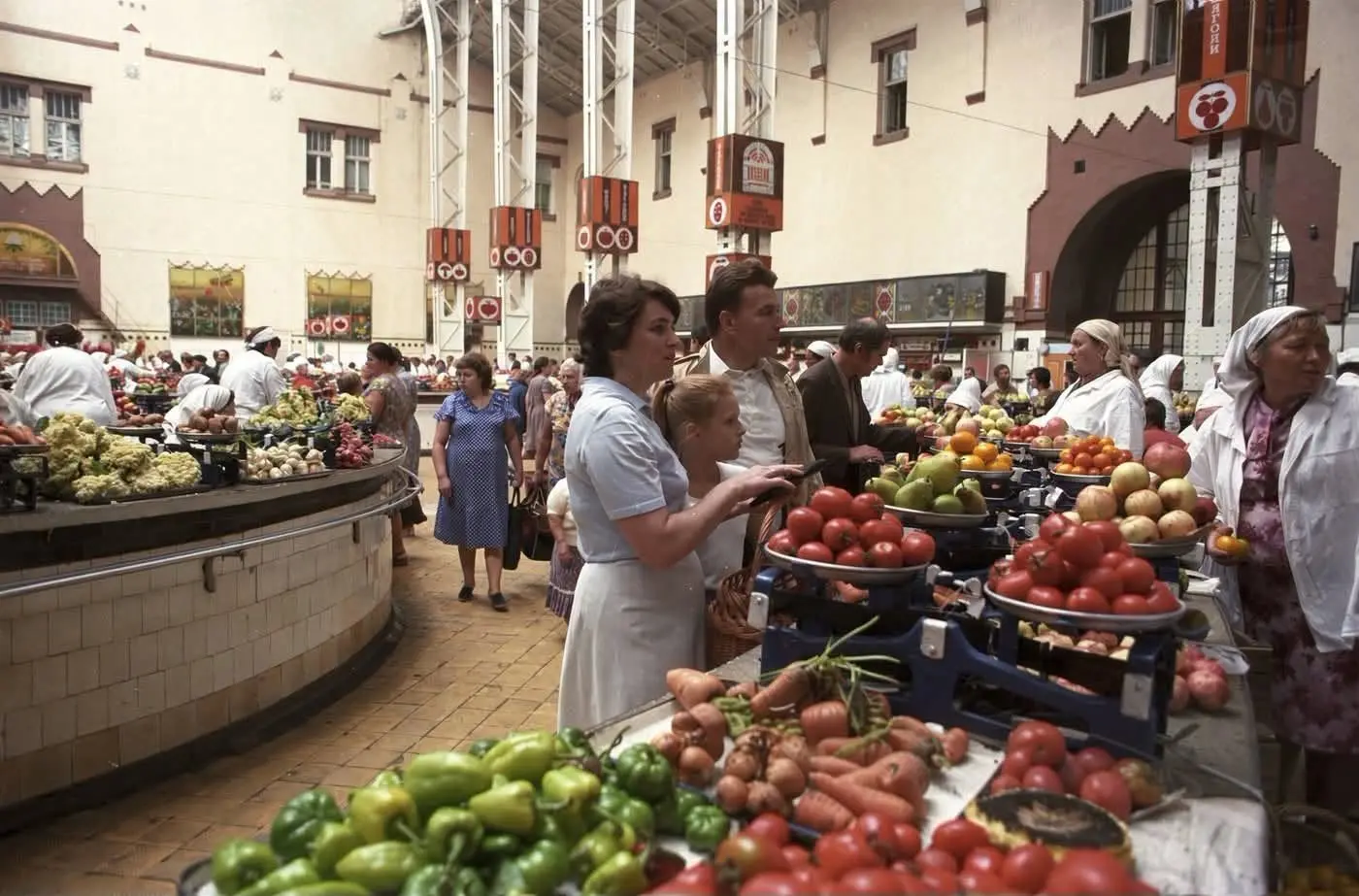
At the time of opening, 31 shops and 165 trading spots were set up here.
Over more than a century, Bessarabka has gone through various historical periods, changes in urban development, and trading traditions. However, its main function remained unchanged for a long time — the sale of food products.
Today the building has the status of a architectural and urban planning monument of national significance. Therefore, the discussion about its future concerns not only the commercial success of individual establishments, but also the role the historic market should play in modern Kyiv.
How Bessarabka Was Turned into a Gastronomic Space
The idea of renovating the Bessarabsky Market did not emerge yesterday.
Back in 2015, there were discussions about creating a full-fledged gastronomic space here. Practical implementation of more large-scale changes came much later.
In 2024, repair work began inside the building. It sparked debates among activists who advocate for the protection of architectural heritage. In particular, questions arose regarding the nature of the work and the necessary approvals.
The renovation team explained that the historical structures would not be changed, and that the new organization of the space would combine traditional trade with modern gastronomic formats.
On December 10, 2025, the renovated Bessarabsky Market opened to visitors.
The concept envisaged 17 gastronomic outlets and a bar, as well as about 400 seats. The total investment was estimated at approximately 3.5 million dollars. According to then project head Natalia Dzhulay, more than half of this sum was credit funds, and the rest was the participants' own investments.
The idea was to turn Bessarabka into a place people would come to not only for groceries, but also for gastronomic experiences.
However, just a few months after the opening, reports of difficulties began to appear.
In June 2026, the media reported on several operators leaving the food hall, including Gelarty, Sushi Icons, and "Ministry of Desserts". It was also reported that the "Vytach" project had ceased operations.
Representatives of the restaurant business also discussed the problems with footfall. Among the possible causes named were the characteristics of pedestrian traffic near Bessarabska Square, parking difficulties, and insufficient guest flow.
At the same time, the mere fact that several establishments have closed does not yet explain what was decisive: rent, a mismatch between expectations and real demand, management problems, or the overall economic situation.
To answer this, it is necessary to know how many operators are working today, what financial indicators the project has, and why entrepreneurs decided to leave the location.
His explanation of the reasons for the failure of the gastronomic concept offered is a Kyiv scholar, researcher of the history and architecture of the capital, Yehor Kravets. He not only observed the renovation of Bessarabka, but also for some time collaborated with the project team.
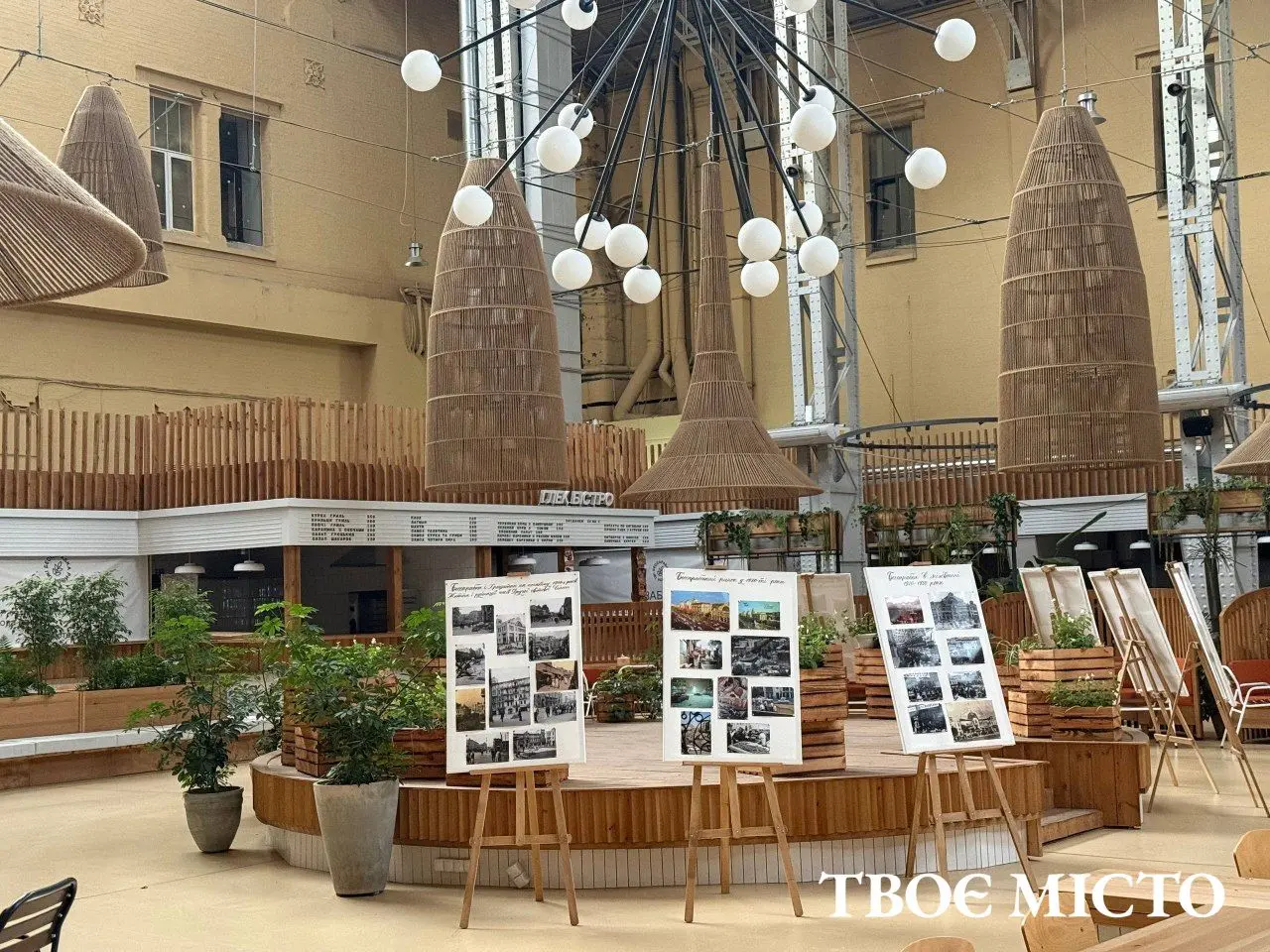
According to him, in April 2026 he voluntarily helped organize a thematic photo exhibition for International Monuments Day and prepared a lecture on the history of the market. At the same time, this collaboration allowed him to become more familiar with how the gastronomic space was organized and with the conditions for its residents.
Kravets admits that he initially supported the renovation of Bessarabka, but later doubted the viability of the chosen concept.
In his view, one of the main mistakes was the attempt to recreate on Bessarabsky Market the food market format from Arsenalna. After all, these locations have significantly different conditions.
Previously there were relatively few food establishments near Arsenalna, so the new gastronomic space met the existing demand. By contrast, the Khreshchatyk and Bessarabska Square area already has a large number of restaurants and cafes in various price categories.
In addition, Kravets draws attention to the features of the historic building itself. In his view, comfortable long-term stays for visitors would require additional engineering solutions, including for temperature control in summer and winter. Implementing them would require significant investment and, at the same time, a careful approach to the authentic elements of the structure.
The researcher names pedestrian accessibility as another problem. Despite its location in the very center of the capital, Bessarabsky Market, in his view, is insufficiently integrated into convenient walking routes. Intense car traffic and complicated crossings do not encourage people to come here by chance during walks.
At the same time, Kravets is convinced that under such conditions the gastronomic space could attract visitors through two approaches: an exceptional assortment or affordable prices. Instead, in his view, visitors were mostly offered ordinary dishes at high prices.
The researcher also emphasizes the lack of a sufficient number of authentic producers and offerings that could set Bessarabka apart from other gastronomic locations in Kyiv.
However, he considers the most important problem to be not only economic or infrastructural miscalculations, but also the insufficient involvement of Kyiv residents in discussing the future of the market.
Kravets reminds that Bessarabsky Market is a heritage of the city community, and therefore decisions on its development should be made taking into account the opinion of city residents.
In his belief, despite the unsuccessful experience of the current gastronomic project, Bessarabka has the potential for revival. However, for this, owners and managers need to reconsider their approach to developing the space and involve the public, entrepreneurs, and specialists in discussing future changes.
"People were not told why to come": what Yevhen Klopotenko says
Chef, creative entrepreneur, and civic activist Yevhen Klopotenko, in a comment to "Tvoye Misto", said that the current difficulties of the Bessarabsky Market did not come as a surprise to him.
In his view, the main problem arose already at the project preparation stage, when decisions about the future of the historic space were made without sufficient involvement of the community.
Klopotenko is convinced that before the renovation began, there should have been a broad discussion with Kyiv residents, entrepreneurs, civic activists, and experts. They could have helped determine which features of the market should be preserved and which should be developed.
According to him, instead, the city's residents were presented with an already formed concept.
At the same time, the chef does not dispute the very idea of combining the market with a gastronomic space. On the contrary, such formats can be successful if they meet the needs of visitors.
The problem, in his opinion, is that Bessarabka has never offered Kyiv residents sufficiently convincing reasons to come here regularly.
He also points to practical shortcomings. In particular, according to him, the parking lot was opened only three to four months after the updated market launched, and the organization of access remained unclear to some visitors.
However, transport accessibility is only one component of the success of such a space.
Indeed, Bessarabka is located in an area where many restaurants, cafés, and fast-food outlets already operate. Therefore, the new gastronomic space has to compete not only for passing bystanders but also for regular visitors.
That is why the question arises: what should make a person come back here a second time, a third time, and make Bessarabka part of their everyday route?
Not just food: what the renovated market lacks
According to Yevhen Klopotenko, one of the possible alternatives was not to replace the traditional market with a gastronomic space, but to develop them together.
For example, keep trade in everyday products, support local producers, and at the same time create new reasons to visit.
Among the possible solutions, Klopotenko names a bakery, a brewery, culinary workshops, art events, and other activities.
This refers to a space that is not limited to selling ready-made dishes, but has its own cultural and social function.
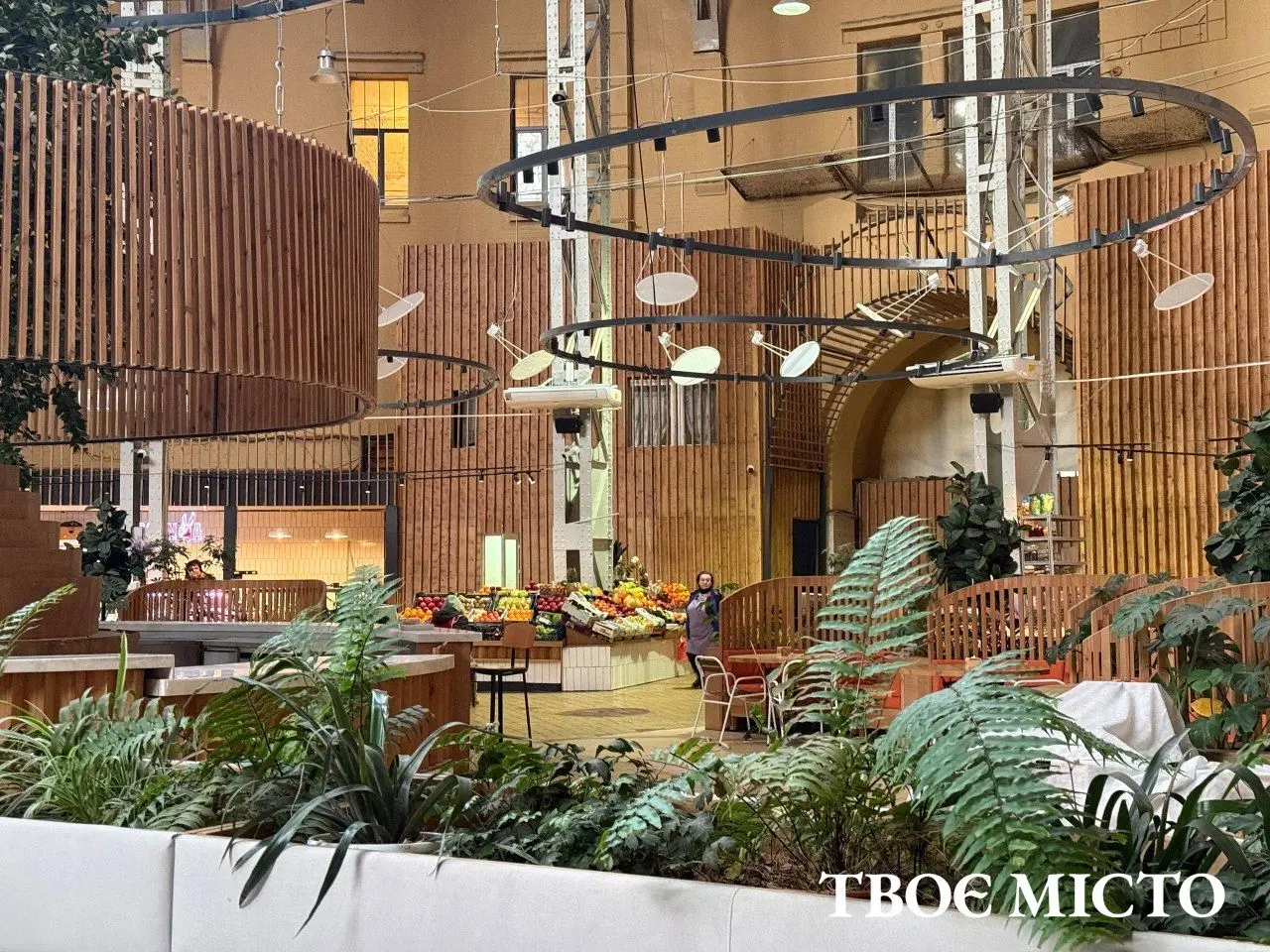
For example, a person may come to the market for seasonal vegetables, grab a coffee on the way, meet a local producer, or attend a culinary event. In that case, gastronomic establishments do not compete with traditional trade for space, but complement it.
However, this requires not only an attractive concept but also a well-thought-out economic model: accessible conditions for entrepreneurs, a clear assortment, constant communication with visitors, and regular events.
And this is where a broader question arises: can a historic city market be both commercially successful and accessible to different groups of city residents?
After all, if the space focuses mainly on expensive gastronomic products, it risks losing some of the buyers who previously came here for everyday shopping.
On the other hand, the development of a gastronomic direction is not in itself a problem. What matters is that it does not crowd out the market's main function and has sufficient demand.
Can the current concept still be saved?
Despite the fact that some establishments have left Bessarabka, the market continues to operate. However, the question of its further development remains open.
Yevhen Klopotenko assesses the prospects of the current format rather pessimistically.
The chef names a broader participation of the community in managing the market as one of the possible directions for change.
At the same time, transferring management to the community is only one of the possible approaches, which would require a separate legal, financial, and organizational justification.
That is why it is important to understand which solutions the administration of Bessarabsky Market and the participants of the renovation project are ready to propose today.
Do they plan to revise the concept? Will they change the working conditions for entrepreneurs? Have they analyzed the reasons for the outflow of establishments? And is there a specific plan for bringing visitors back?
Without answers to these questions, it is difficult to assess how far the current difficulties are temporary and how far they require a fundamental revision of the operating model.
Zhytniy Market: Can Kyiv Avoid Repeating Past Mistakes
The debate over Bessarabka extends well beyond a single market. In Kyiv, discussion is underway about the future of another historic trading site: Zhytniy Market in Podil.
Yevhen Klopotenko is taking part in a civic initiative that proposes preserving Zhytniy Market and rethinking its functions.
The proposed concept also envisions combining traditional trade with gastronomic spaces, local producers, and public activities.
However, according to Klopotenko, the implementation process is currently not moving forward.
According to him, the Kyiv City Council must consider three possible options for the future of the market:
- lease;
- sale;
- community management.
At the same time, Klopotenko states that over the past six months, city authorities have not contacted his team about further implementation of the concept.
Thus, the history of the Bessarabsky Market is important not only for its own future. It may help the city understand which mistakes to avoid when renovating other historic spaces.
After all, both locations have not only economic but also social significance. Decisions about their future affect entrepreneurs, buyers, local residents, and the urban environment as a whole.
What needs to change for Bessarabka to become a place for Kyiv residents again
The story of the renovated Bessarabsky Market raises several questions, the answers to which matter not only for its administration.
Above all, the city must determine whether the current concept meets the real needs of visitors. For this, it is insufficient to assess the appearance of the space or the number of open gastronomic outlets.
Specific indicators are needed: attendance, number of working tenants, occupancy of trading spots, reasons for closures of establishments, and economic results of operations.
No less important is the question of accessibility. A historic market in the city center may offer expensive delicacies and signature gastronomy, but is there still room on it for everyday purchases?
Community participation deserves separate attention. If renovating a historic space affects its functions and accessibility, residents should have the opportunity not only to review a finished decision but also to influence how it is shaped.
Ultimately, the future of Bessarabka depends on whether those responsible for its development can offer not just a new look, but a clear and viable operating model.
To find out the reasons for the closure of some gastronomic establishments, obtain information about attendance at the renovated Bessarabsky Market, and learn about plans for its further development, "Tvoye Misto" sent a request to the market administration. At the time of preparing this material, the editorial office is awaiting a response. We will continue to follow the situation and will report the administration's position once it is received.
During our visit, the trading hall was quiet. Some counters were operating, some gastronomic outlets remained closed, and vendors were waiting for customers.
More than a century ago, the Bessarabsky Market was built as a modern trading space meant to meet the city's needs. Today, efforts are once again being made to adapt it to the new era.
Yet the main question remains the same: can Bessarabka be a place that is genuinely needed by Kyiv residents themselves, and not just a beautiful historic building with an expensive renovation?
Full or partial republication of this text without the written consent of the editorial office is prohibited and considered a violation of copyright.

Related News