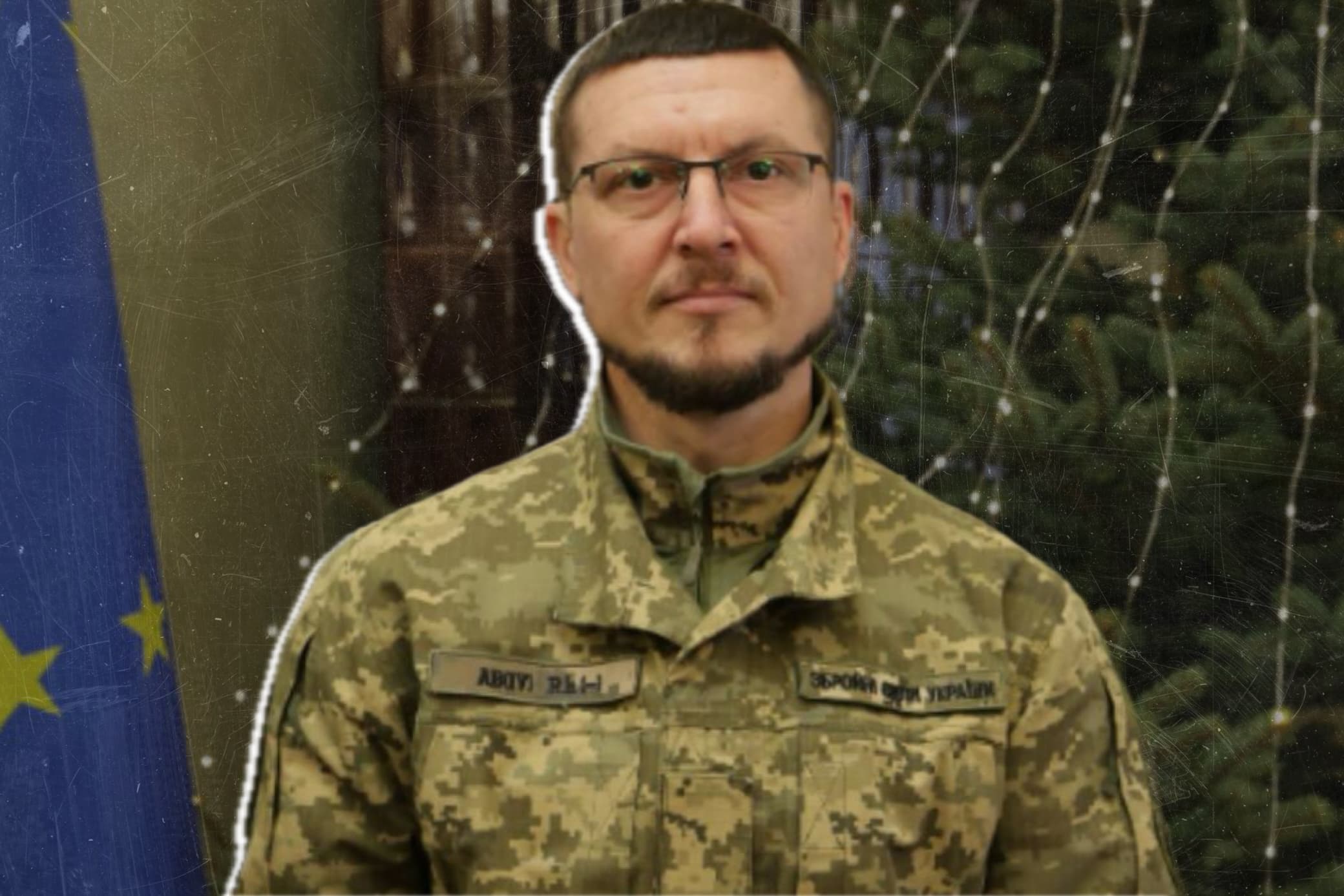
42 days of resistance. 42 days of mortal danger. 42 days of resilience. Lyubomyr Mikalo became a living legend of the 103rd Territorial Defense Brigade even while he was in complete encirclement. Today, all of Ukraine knows about him. For his personal courage and heroism, he received the highest state award—the title of Hero of Ukraine—defending the country from the first days of the full-scale war.
How he managed to survive in the enemy ring and not break, what exactly gave him strength in the hardest moments, and to whom he gave a promise that kept him going until the end, as well as how not only the accuracy of a shot but also a cool head and instant reaction saved his life and those of his comrades more than once, Hero of Ukraine Lyubomyr Mikalo, who is originally from Sheptytskyi in Lviv region, told “Tvoe Misto.”
“We were supposed to go to the position for only a few days…”
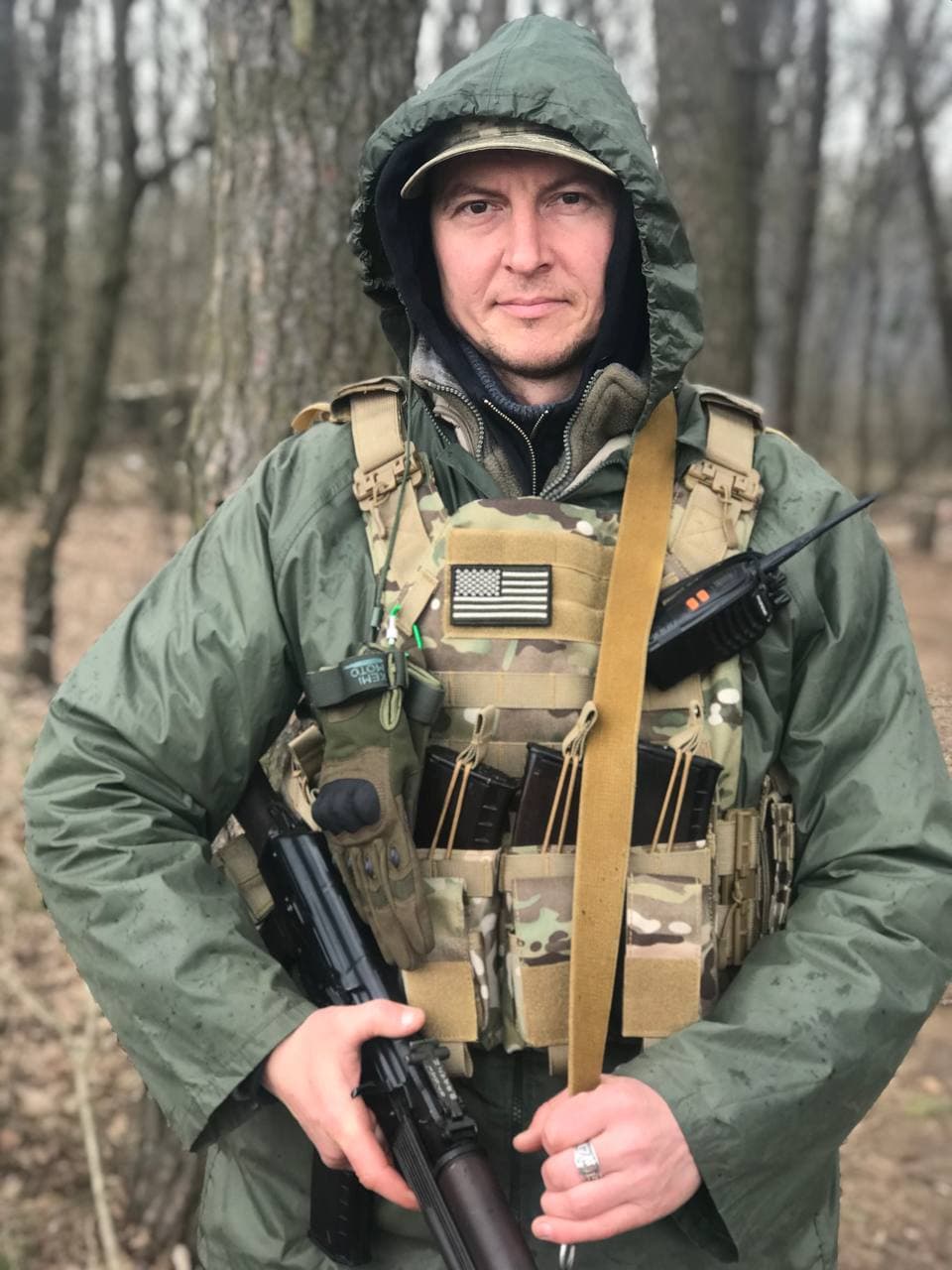
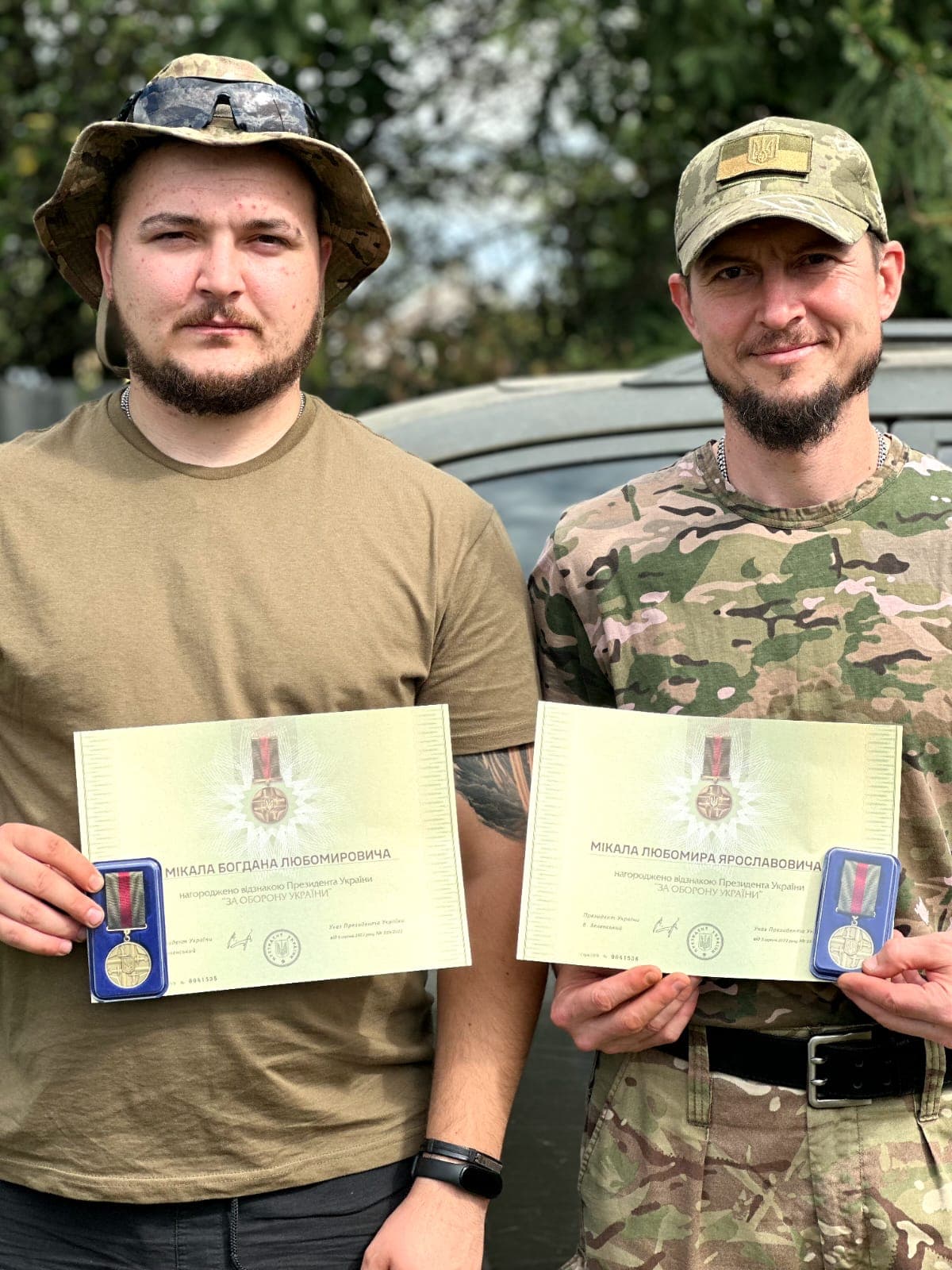
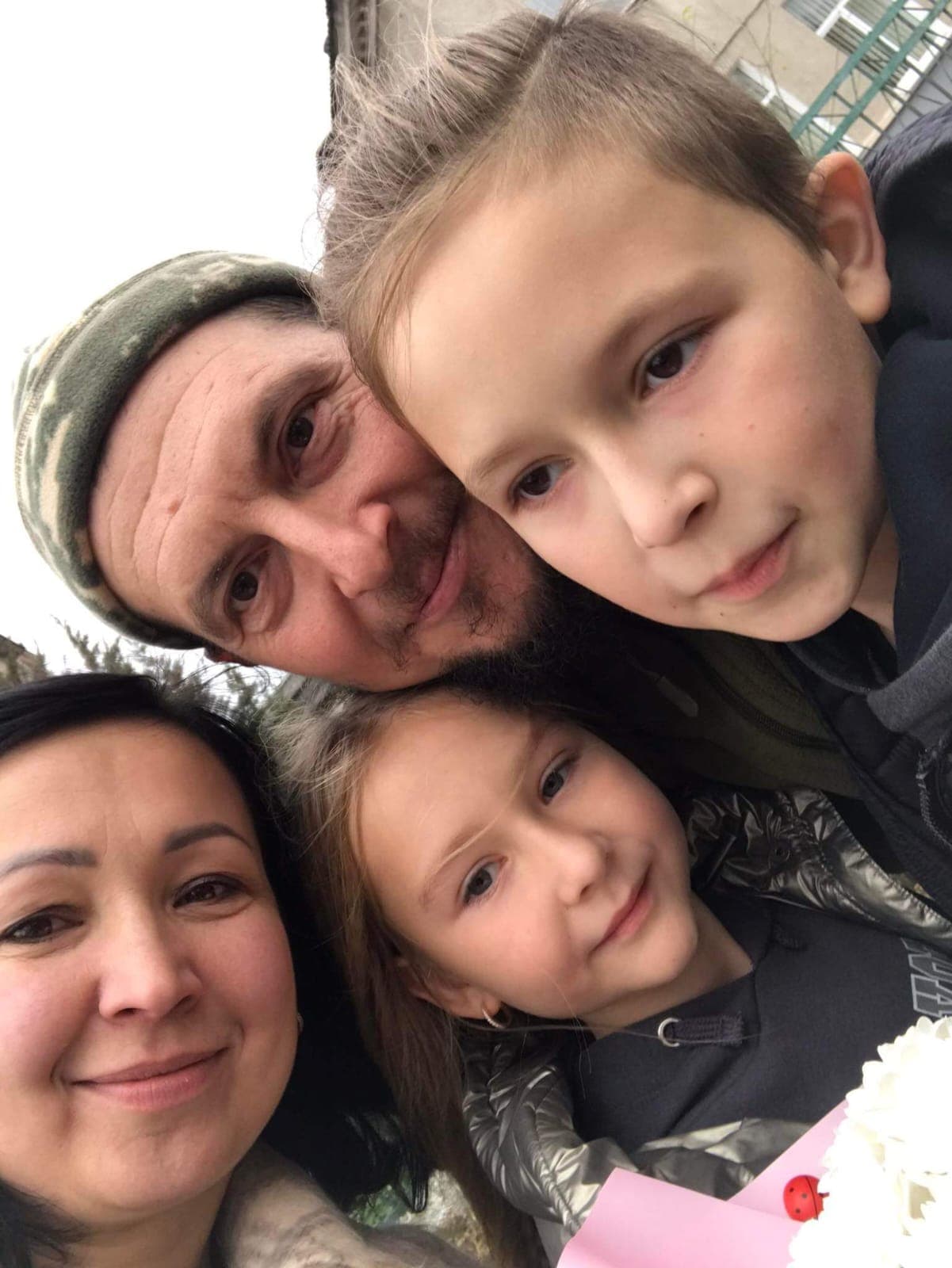
Lyubomyr Mikalo is 47 years old. He is an infantryman of the 103rd Separate Territorial Defense Brigade named after Metropolitan Andrey Sheptytsky, and a father of three children. For a year and a half, he fought in the same trench and lived in the same dugout with his eldest son. Now Bohdan serves in another unit as a UAV operator. His younger son Matviy is 13 years old, and his daughter Teresa is 10.
Lyubomyr joined the army on the first day of the full-scale invasion—together with his eldest son. That is where the call sign “Batya” comes from. Before the war, he had no military experience: he worked as a metal structure installer, building factories and plants across Ukraine with his team. Since the start of the full-scale war, he has defended the country in Donetsk, Luhansk, Kharkiv, and Sumy regions.
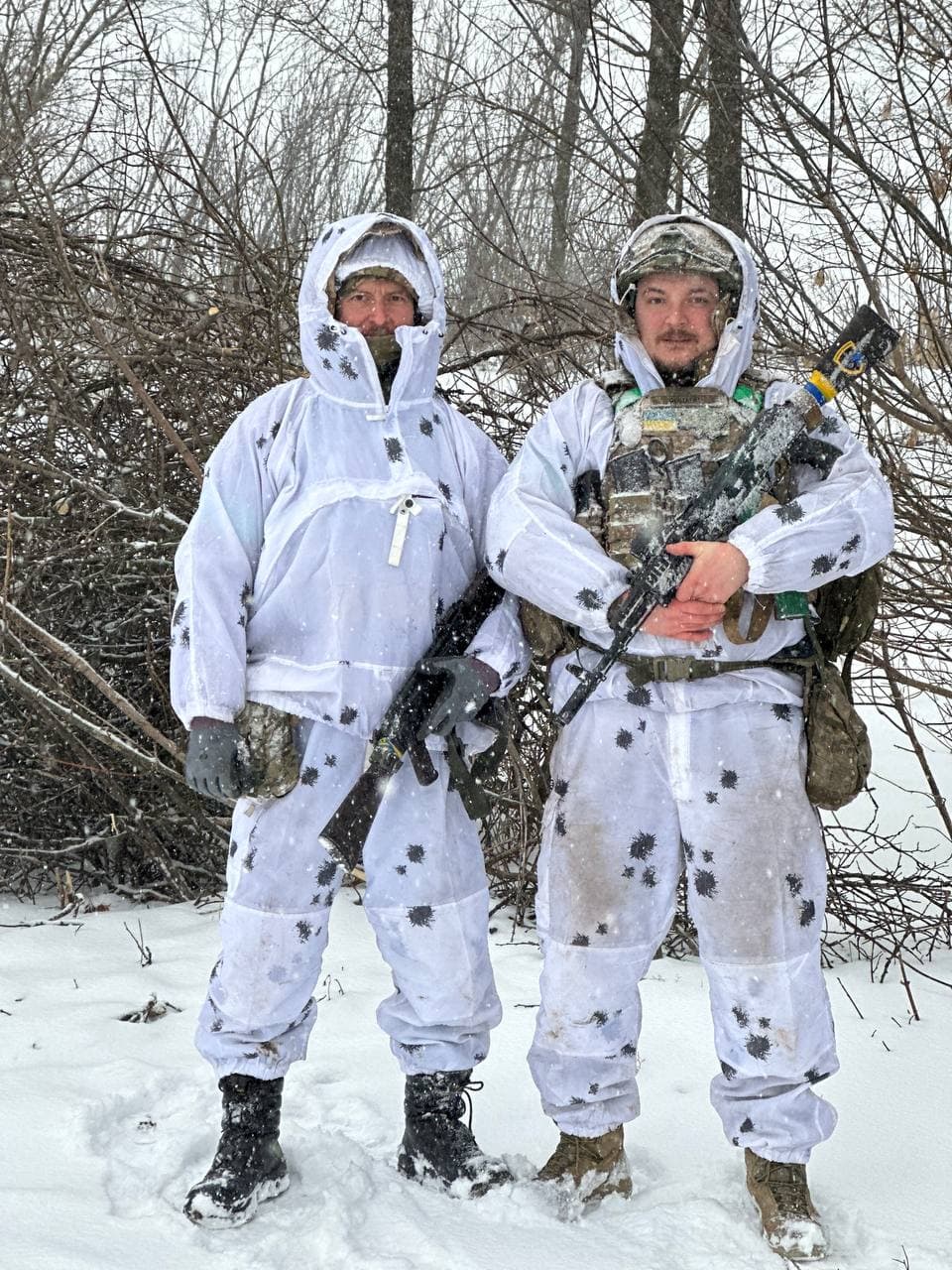
On May 30, 2025, Lyubomyr Mikalo, along with a group, was to go to a position near the village of Oleksiivka in Sumy region.
“It was supposed to be an ordinary combat mission—a few days at the position, a night arrival, nothing unusual,” —Lyubomyr recalls.
But the situation on the battlefield changed every minute. The enemy advanced further than expected. When they were about 150–200 meters from the position, fire was opened on the vehicle.
At first, they didn't even realize it. Houses were burning all around, slate was cracking on the roofs—the sound was like machine gun bursts. “It seemed to me that they were shooting at us,”— says the fighter. In response, he heard doubt: like, maybe it was just the slate.
They were unable to disembark. The basement they were supposed to enter was already on fire. The group took cover in the “zelenka” (vegetation), hiding from Russian drones, and reported over the radio that it was impossible to enter the position.
When the vehicle was driving away, the shooting repeated. This time, there was no doubt. “Then I knew for sure: it wasn't the slate. The enemy is already behind us,” —Lyubomyr reported to the command.
Not far from where the group disembarked, there was an abandoned cellar. Our military led the soldiers there with the help of a drone. In this cellar, underground, they spent 42 days in complete encirclement, resisting the enemy.
“We took up defensive positions, and already the next morning, around five, the first contact with the enemy occurred,” —recalls Lyubomyr Mikalo.— “They were heading to a position and didn't expect anyone to be in that basement. They passed very close.”
A comrade on guard eliminated the enemy practically at point-blank range—from two meters away. To avoid unmasking the position and giving themselves away, the soldiers didn't know if he was alone. The body was pulled into the basement.
“We understood that we couldn't leave him there,” —says Lyubomyr.— “But there was no way to pull him out. The enemy passed us every day on the way to positions, and we constantly repelled assaults to prevent them from advancing further.”
“The comrade, just as he was standing above, fell down into the basement to us”
Later, it turned out that such enemy activity was due to the fact that routes to enemy positions were laid past this cellar-basement.
“For the first 30 days, we destroyed Russians every day. There was virtually no silence. Only one day the enemy did not head to the position. Other than that—a short battle every day.”
On the sixth day, the enemy came in from the left flank and was moving right past them. A comrade on guard noticed the group in time. Two were likely eliminated immediately, and two others were wounded.
“We already had a captured assault rifle with an under-barrel grenade launcher,” —recalls Lyubomyr.— My brother-in-arms asked me to give him this weapon. I loaded a grenade and handed over the rifle. He managed to fire two shots… and at that moment something flew in from behind."
The brother-in-arms was standing almost at the top – otherwise it was impossible to shoot. After the explosion, he fell straight into the basement. "I quickly examined him. Shrapnel in the neck. There was no pulse anymore. He died on the spot."
From then until the end of the stay in the basement, two bodies were with them – the fallen brother-in-arms and the 'cargo 200' enemy. Lyubomyr says it was hard, but they did not feel abandoned.
"A Ukrainian drone was constantly working over us. If the enemy moved, we were immediately warned – from where and when. We were ready." When they heard the enemy nearby, they transmitted the direction over the radio – our drone would fly there and engage. "The connection kept us going. We knew we weren't forgotten." However, an attempt to evacuate the group from the encirclement was thwarted – the armored vehicle was destroyed on the way.
"I was thinking about my family all the time, knowing how they were waiting for me."
Heat. July. Constant thirst. Water was worth its weight in gold – it was shared by drops.
"We didn't drink water, but only moistened the throat. Five or six sips a day. During the entire time in the basement, we shared one cup of water among three of us twice. And once – coffee from a 'three-in-one' sachet," – Lyubomyr recalls.
There was also a lack of food. The minimum was dropped from drones – things that wouldn't break. One package of buckwheat was divided into two meals for three. When supplies ran out, they took water, food, ammunition, and power banks from the captured backpacks of the killed enemy.
Constant fatigue, lack of sleep, and tension did not let go for a moment – danger was expected every second.
But what pained him most was that his wife was worried, knowing he was surrounded.
"I imagined how hard it was for her, I was very worried about my wife," – Lyubomyr admits. – For my mom, for the children, for my grandmother, who is over 80 years old. All the relatives, when they found out we were at the position longer than we were supposed to be, were very worried."
He kept in touch with his wife through the commander.
"Over the radio, I passed a few words to the commander for my wife and mother. Communication with us was constant – the command asked how the situation was. In the evening, I asked: tell the relatives and families of the brothers-in-arms that everything is fine with us. My wife also wrote to the commander, asking about us. That’s how we 'communicated.' Thoughts of the relatives who were waiting kept me going mentally."
"We realized that the enemy had found us"
On the 40th day, a 'loud' contact with the enemy took place. Lyubomyr's brother-in-arms was on guard, and two Russians were passing by their basement, so he eliminated them. But it turned out that two more were walking behind.
"They didn't see us, but they heard the shots and opened fire. I climbed out to the surface and fired back, adjusting the aim with the help of a drone. We had to throw grenades, we 'made more noise' than usual – and the enemy finally detected us."
By the next morning, drops began near the basement. The defenders did not immediately realize that the enemy was already targeting them. They thought it was our guys working. But the drops were getting closer, and then the guys asked over the radio.
Since there were thickets around the basement, the enemy could not fly an FPV drone into it. "First, they dropped grenades to clear the brush with fragments, then they dropped incendiary grenades so that everything would burn out. They tried to throw gas grenades into our basement."
In the defenders' basement was a bed with a metal frame – they took it apart and placed it at the entrance to the basement, barricading themselves.
"By evening, they had destroyed the overhang, and our 'barricade' from the bed also suffered damage. Communication was still holding. I contacted the command – we have been discovered and they are actively working on us, something needs to be decided. In response, they asked for an hour. Then – to wait a little longer: there is no safe exit, the area needs to be further explored. Our units were already advancing from the left and right flanks towards us, but time was needed for this."
Death of another brother-in-arms…
In the damaged cellar, they remained for the night, becoming live targets for the enemy. In complete encirclement. Compromised. Waiting for new attacks.
"Already from the evening, we were digging a trench in the basement," – Lyubomyr recalls. – They dug all night. In the morning I was on the radio, the guys continued digging, sat down for a bit to rest on the breastwork—and an FPV drone flew in instantly. It hit the overhead cover, and another brother-in-arms was killed... Despite the pain and fatigue, we continued digging and hoped for God's mercy." The new morning began just like the previous one. Again, drops, "lighters," FPVs.
They were under continuous bombardment from drops; communications were cut. There was a ventilation hatch in the basement ceiling—initially blocked with bricks, but the enemy smashed it, and grenades could fly through the opening. Liubomyr covered it with a comrade's helmet; they waited out the FPV drone strikes and continued digging the trench with their last strength, their hands already bloody with blisters. An FPV constantly struck the "barricade" made from a bed, which was barely providing protection anymore; this routine lasted until evening.
“Around 7:00, another FPV hits. It almost completely smashes that ‘barricade,’ makes a hole in the corner above the entrance. We somehow patched it all up again and are ‘waiting’ for the next hit. Already lying at the bottom of the trench, an FPV does fly in again. The explosion was very powerful, we were deafened, we felt something heavy fall on us, our heads were buzzing, our ears ringing. I tried to get up, but something wouldn't let me move. I called out to my comrade; he answered, said he was alive but also couldn't get up. I was in the same situation. After some time, I finally gathered my strength and realized that there were bags of earth on top of me, which we had used to line the trench breastwork. I somehow crawled out from under them and helped my comrade. I checked him over; he had small shrapnel wounds and burned hands, but overall we were intact.”
Nothing remained of the "barricade"; the basement was exposed. “But thank God, there were no more FPVs. The enemy was probably certain that after such massive attacks, no one could remain alive”.
The path from encirclement: 10 km on foot with injuries and concussion
Suddenly, everything went quiet. Fortunately, they managed to restore some form of communication. There was no direct link to the command, but they reached defenders at neighboring positions. The command said to wait for darkness, and then an attempt would be made to lead them out of the encirclement.
“We waited for night and received the go-ahead to exit. We had a portable radio, a drone flew in, surveyed the area, and they told us we could go. We emerged onto the surface from the basement where we had held the defense for 42 days. Following the drone, we reached a tree line. We were very tired and wanted to rest for at least a few minutes, but we were told to go to another tree line. And again across the field. Only there were we able to rest for a few minutes. Then through the tree line another 700 meters to our guys' position.”
Along the way, the guys found a bottle of water with less than half remaining, but those sips became a true treasure. On the last day, the water ran out, and they sucked on wet wipes to keep their throats from drying out. They finally reached the positions of our military, where they were fed and given drink, but they still had to walk about seven kilometers across open areas. Exhausted, wounded, and concussed, Liubomyr, with broken ribs and ruptured eardrums, covered 10 kilometers on foot in heavy body armor.
“When we reached the evacuation point and got into the car to the stabilization point, I finally breathed a sigh of relief,” Liubomyr admits. “ Even though drones were still flying above us, and danger remained every minute.”
“I returned. I kept my promise!”
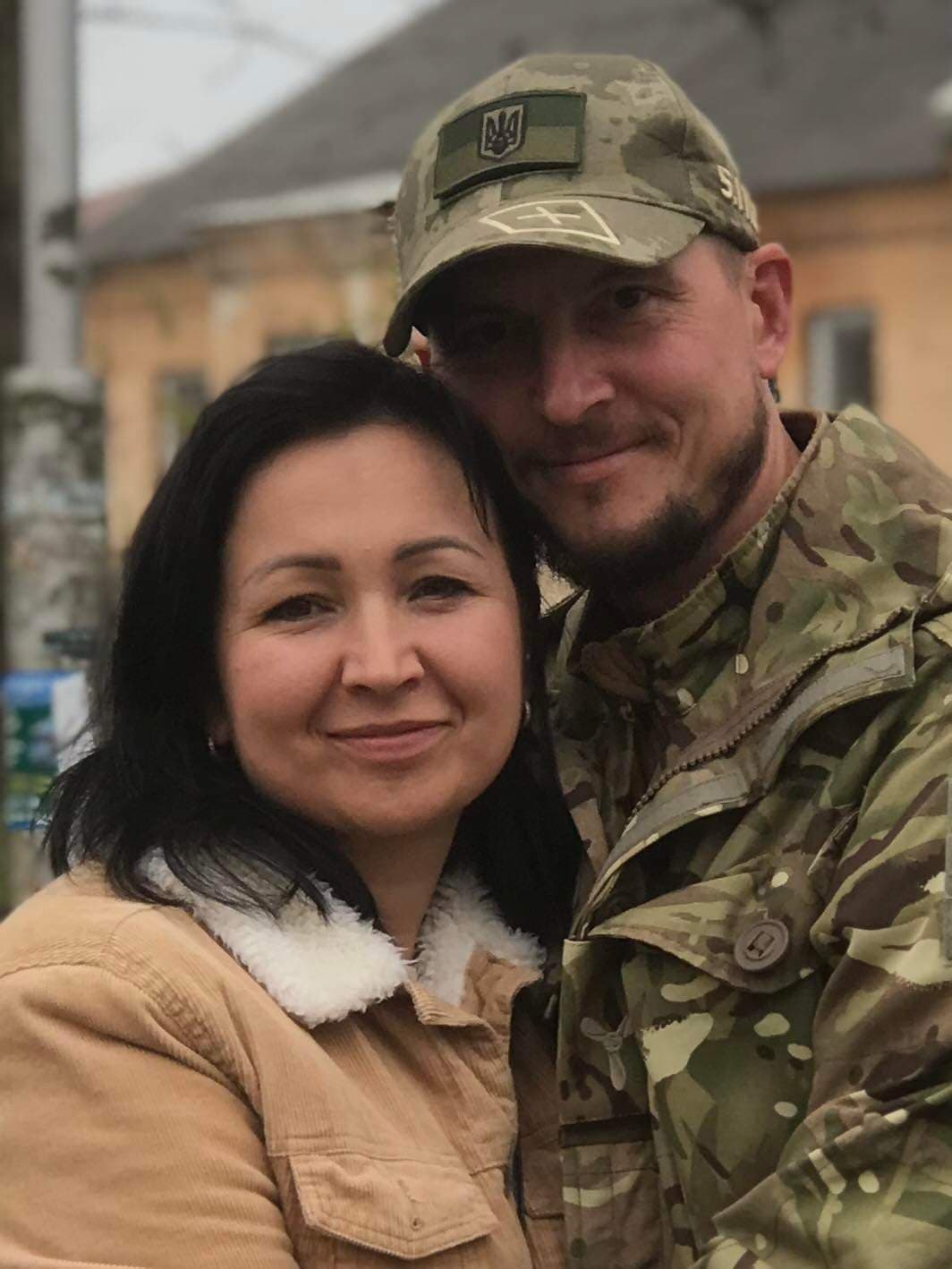
When Liubomyr reached the stabilization point, he immediately called his wife. Natalia didn't pick up... He was instantly alerted, but calmed himself down, thinking she had gone out somewhere on business. A minute later, his son Bohdan called the commander who was with Liubomyr, and he handed him the phone. The son said he was glad they had made it out of the encirclement, but added: “Just don't worry, Mom is in surgery right now...”
This news was simply staggering. It turned out that as Liubomyr was coming out, his wife was just preparing for surgery; she had been diagnosed with oncology. When he came out of the encirclement, his son called her and told her about it. He managed to do it before the surgery. He said: “Mom, Dad is out now, be at peace!”
The first phone conversation with his wife took place after her surgery. Natalia was in an oncology hospital in Lviv, while Liubomyr was in a hospital in Poltava, where he underwent surgery to restore his hearing.
“I was shocked by both the surgery and the diagnosis, – Liubomyr admits. – I didn't know anything until then; they simply didn't tell me anything, probably shielding me from such news.
When I went to war, I promised my wife I would return. And hearing her voice, I said to Natalia: 'I'm out. I've returned. I kept my promise! I thought about you all the time, I worried, and I stayed alive for your sake.'” He added that he knew how everyone had prayed. She replied: “You have no idea how many people were praying for you!”
According to Liubomyr, while in encirclement, he also said prayers. The soldier is convinced of the power of prayer. He shared this story: a comrade on guard duty eliminated one enemy but didn't see the second. He was already coming down the stairs into the basement, and Liubomyr was supposed to replace him. Just as he ran to the entrance, a grenade flew into the basement. It rolled slowly down the stairs...
“We froze. Five seconds pass—no explosion. I realized I hadn't heard the click of the pin, so the grenade wouldn't go off. I ordered the guys to find it. I just peeked out—I see the enemy winding up to throw a second grenade. He was immediately eliminated. That grenade fell half a meter from him and exploded. If he had managed to throw it into the basement, it definitely would have detonated. Then I said to the guys: you see, Cossacks, our prayers and the prayers of our loved ones saved us.”
Liubomyr only saw his wife at the beginning of August, about a month after getting out. He had constantly imagined the moment he would ring the doorbell and Natalia would open the door—and he would finally see her.
“Everything happened just as I imagined, – Lyubomyr smiles. – “While still on my way, I wrote to my wife that I was arriving soon, that I would be there shortly. But I didn't know that the flower shop doesn't open so early. I had to stand and wait. My wife was already worried, asking where I was. I had to make something up about why I wasn't home yet to reassure her. But I arrived with flowers. Natalia opened the door. Naturally, she burst into tears… First, I went into my daughter's room, woke her up, and she rushed to me and hugged me. Then I went to Matviyko, kissed him, my son woke up and was happy. He thought that finally, I was home. Finally with the family.”
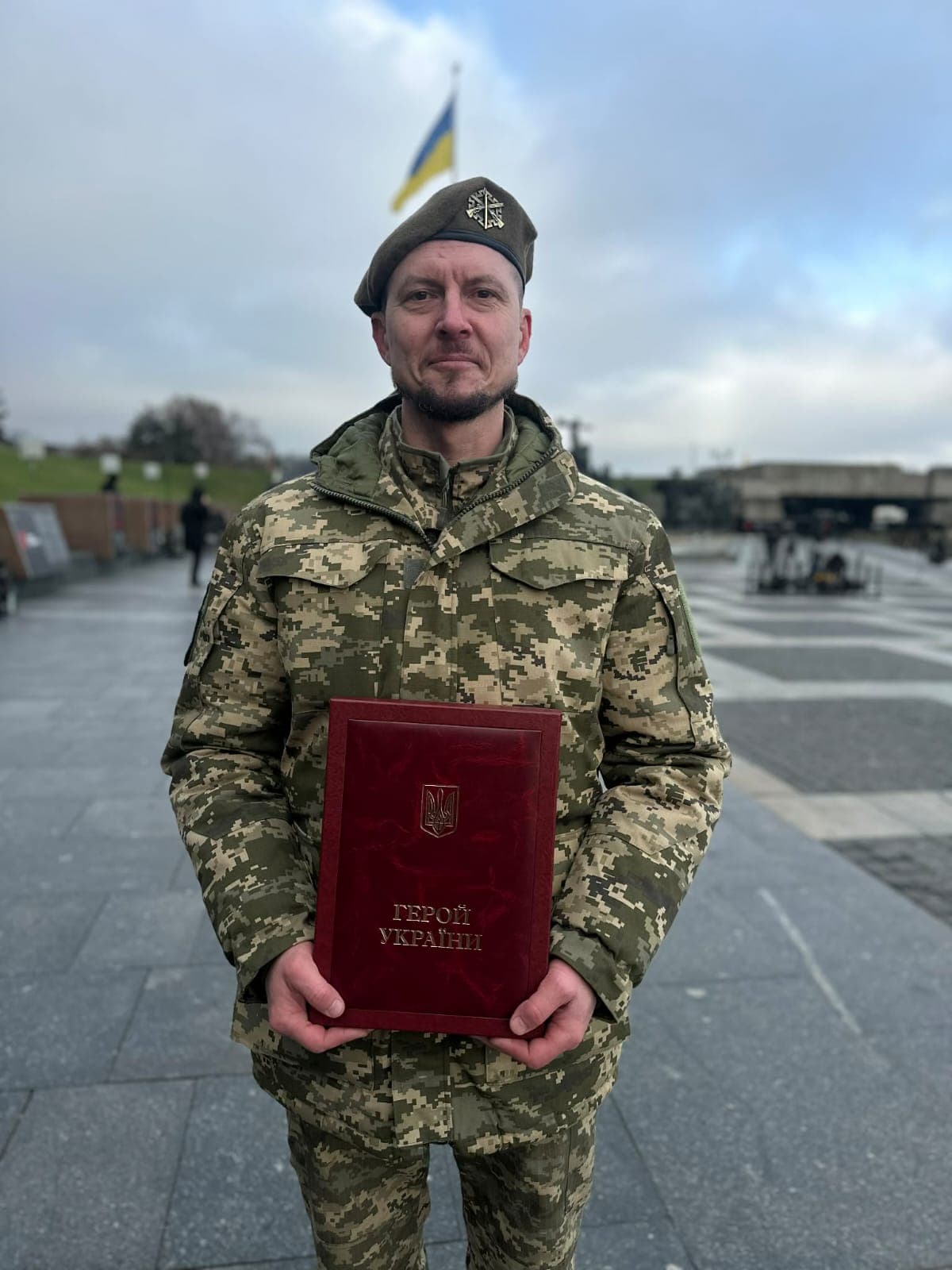
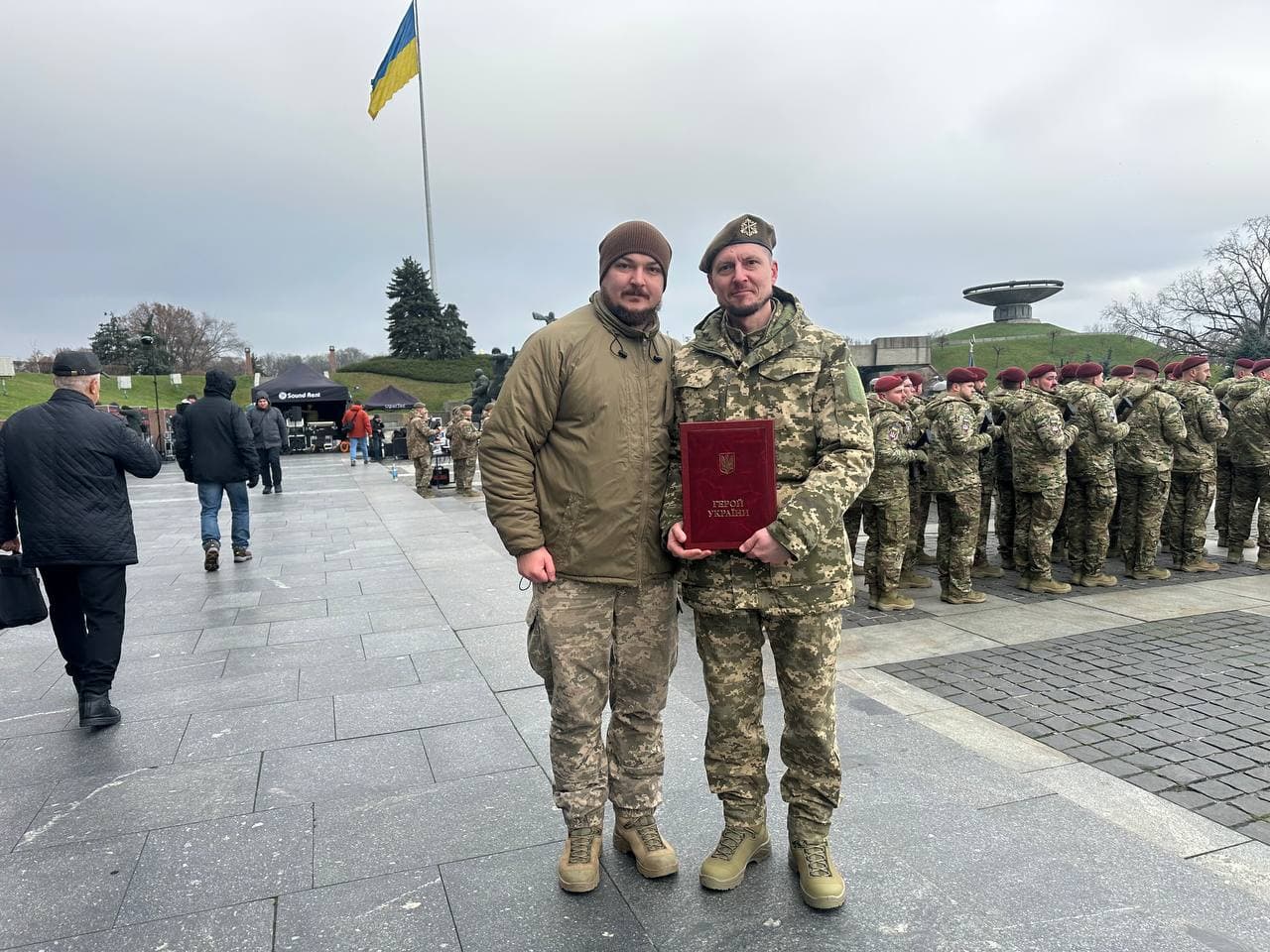
Lyubomyr Mikalo – Hero of Ukraine
Once he received a call from Kyiv and was told that he had to come to the capital for an award ceremony. Until the very last moment, the man did not know what kind of award it was. He was told that he had been nominated for an award, but Lyubomyr could not even imagine that it would be the title of Hero of Ukraine.
“I only found out about it on the evening before the ceremony. To receive the title of Hero of Ukraine and the ‘Gold Star’ is a great honor for me. I am proud of it, as is my entire family. Although even before this high award, my son always told me: ‘Dad, you are a Hero to me.’”
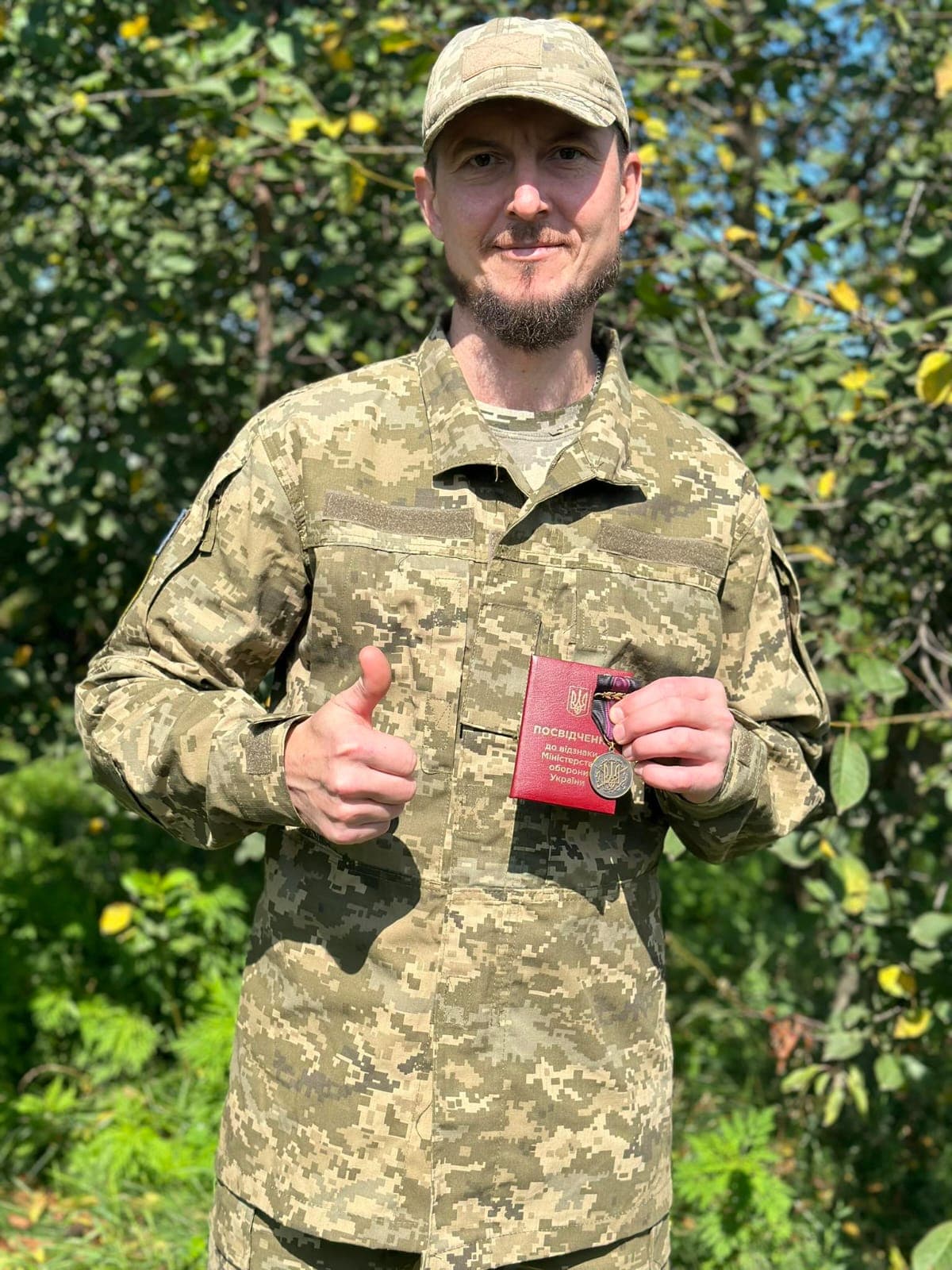
Four members of Lyubomyr's family are currently fighting.
“If you don't want to fight in the enemy's army, then fight in your own against the enemy, protecting your country and, above all, your family,” – emphasizes Lyubomyr Mikalo. – “We are fighting for the country's independence and must stand until the end, even if it takes our last bit of strength.
Who else will do it? Shall we wait until the enemy comes to our home? The enemy doesn't knock; he kicks the door open and says: you are captives, you are nobody, you are slaves. To prevent this, we must defend our country.”
Natalia Merkulova
Photo provided by Lyubomyr Mikalo
Full or partial republication of the text without written consent of the editors is prohibited and considered a copyright violation.
To receive the latest and breaking news from Lviv and Ukraine, subscribe to our Instagram and Viber.
Live broadcasts of important events and weekly video programs – about current Lviv issues in 'Theme of the Week', intellectual conversations on national topics in 'Accents of Your City', and public discussions for the joint search for better solutions to city community challenges – watch on our YouTube channel.