The Ukrainian pilgrimage route Camino Ruteno, which passes through Lviv, Ternopil, and Ivano-Frankivsk regions, is being prepared for presentation in Italy and admission to the European Federation of Saint James Way. This was told to "Tvoe Misto" by the head of the sports department of the Lviv RMA, Roman Khimyak.
"Already on May 7–8, a presentation of a section of the Camino Ruteno route will take place in Italy, along with the consideration of its inclusion in the European Federation of Saint James Way and a vote on membership. All preliminary mechanisms have already been completed", he noted.
Camino Ruteno or the Ruthenian Way
According to Roman Khimyak, the Camino Ruteno route has a historical basis and covers the territories of Galicia, specifically passing through ancient settlements and sacred sites.
This refers to a route that runs through the territories of Ivano-Frankivsk, Ternopil, and Lviv regions and is part of a broader network of pilgrimage routes. In particular, it integrates into the Camino Podolico branch, which covers Vinnytsia and Khmelnytskyi regions, and then extends west towards Poland and European routes.
According to preliminary estimates, the length of Camino Ruteno is about 355 km. As Roman Khimyak notes, the route is laid through the territory of historical Opillia, mostly along rivers and their beds, in accordance with the medieval pilgrim paths of the 13th–15th centuries. Archaeological finds also confirm the historicity of the route.
Read also: Lviv will become the final point of the Camino Ruteno pilgrimage route being created in Galicia
Where the route runs in the Lviv region
In total, pilgrims will pass through three regions via key settlements: Chortkiv – Yazlovets – Buchach – Rukomysh – Monastyryska – Mariiampil – Halych – Krylos – Bilshivtsi – Rohatyn – Strilyshcha – Bibrka – Zvenyhorod – Lviv.
According to Roman Khimyak, within the Lviv region, the route covers a number of key locations. Among them are the Church of Saints Nicholas and Anna in Bibrka as an example of sacred and defensive architecture of a historical city with Magdeburg Rights, the "Ancient Zvenyhorod" reserve as an important center of the Princely Era, the Church of Saint Michael the Archangel in Pidberiztsi with examples of unique wall paintings, as well as the Garrison Church of Saints Peter and Paul in Lviv, which will become one of the final points of the route in the city.
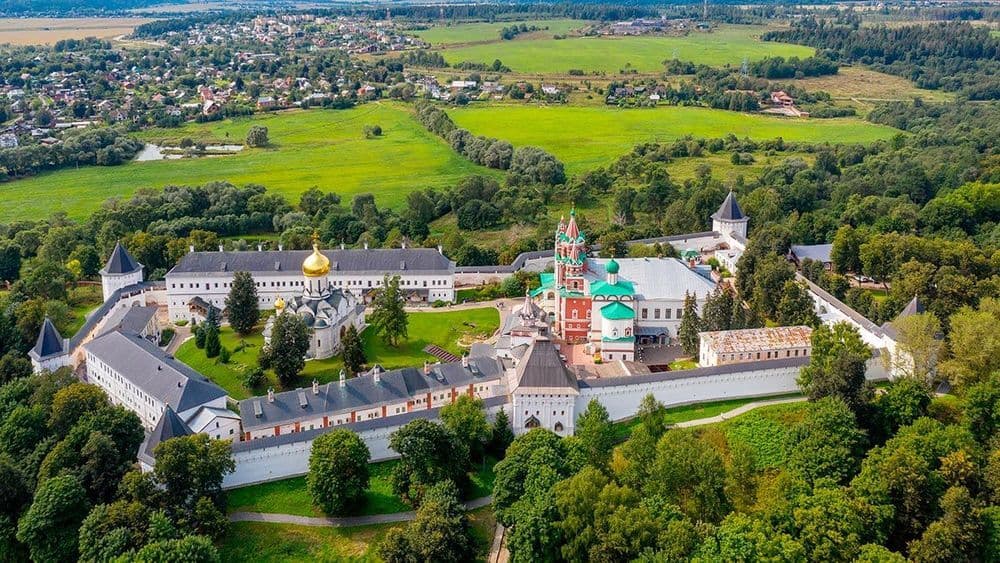
In the tourism department of the Lviv City Council, "Tvoe Misto" reported that the final location for the route's end within the city is still being agreed upon.
Camino Ruteno is a classic ascetic pilgrimage route without elements of comfortable tourism. According to Khimyak, its estimated duration is 17–20 days, assuming a daily distance of about 15–20 kilometers. He added that, based on the experience of foreign pilgrims walking the Way of St. James, people often spend the night in sleeping bags during such routes, sometimes on the floors of schools in small settlements.
The shell as the main landmark
The Camino Ruteno pilgrimage route is at the stage of formalization: testing of the path and development of the model for its future functioning are ongoing. In parallel, the communities through which the route will pass are developing the basic infrastructure for travelers.
This involves creating places for overnight stays, campsites, and tourist services along the entire path of the pilgrims. The LODA notes that the route currently has only partial marking, and the full implementation of key elements of the pilgrimage system is planned after receiving international recognition.
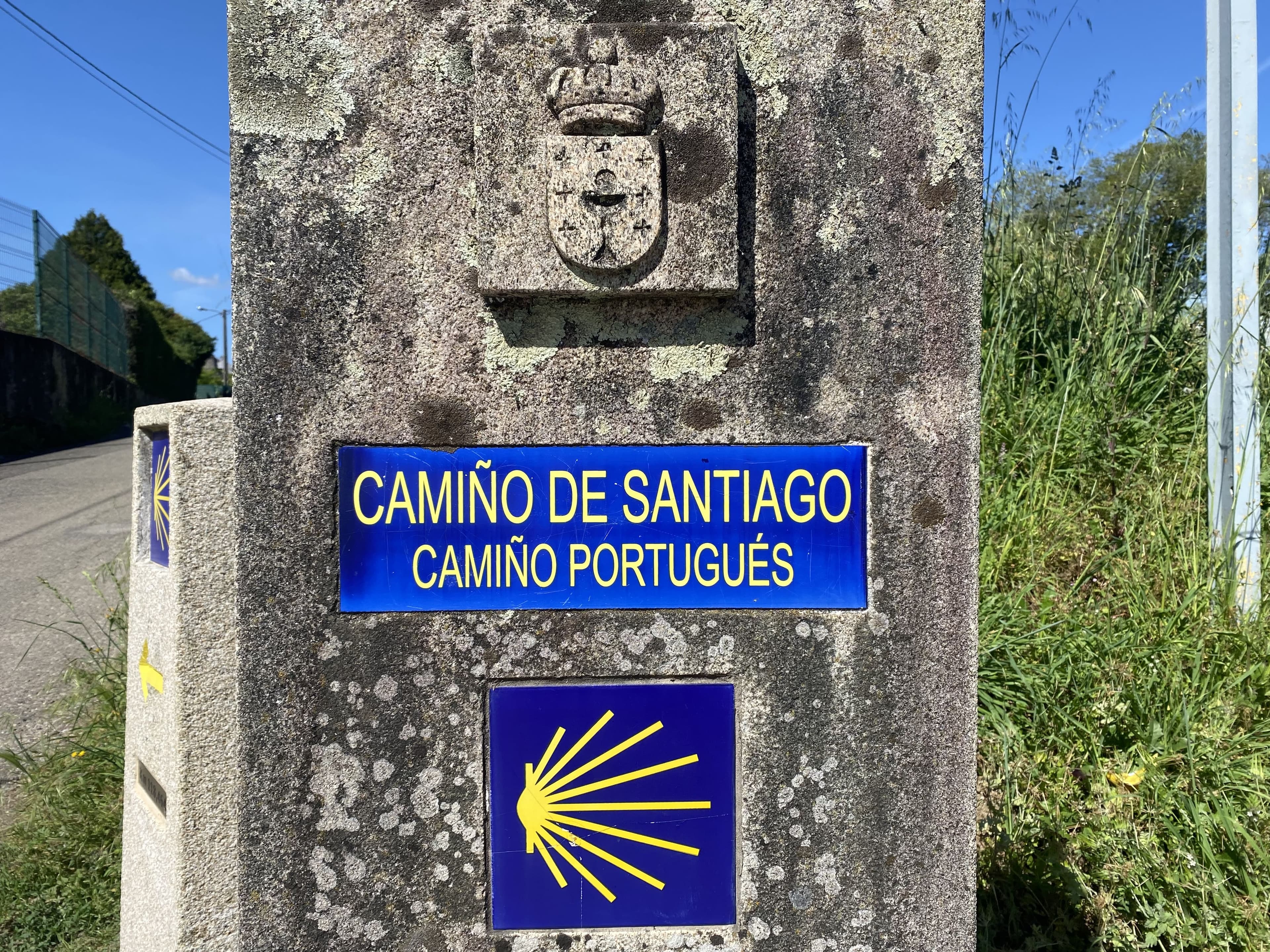
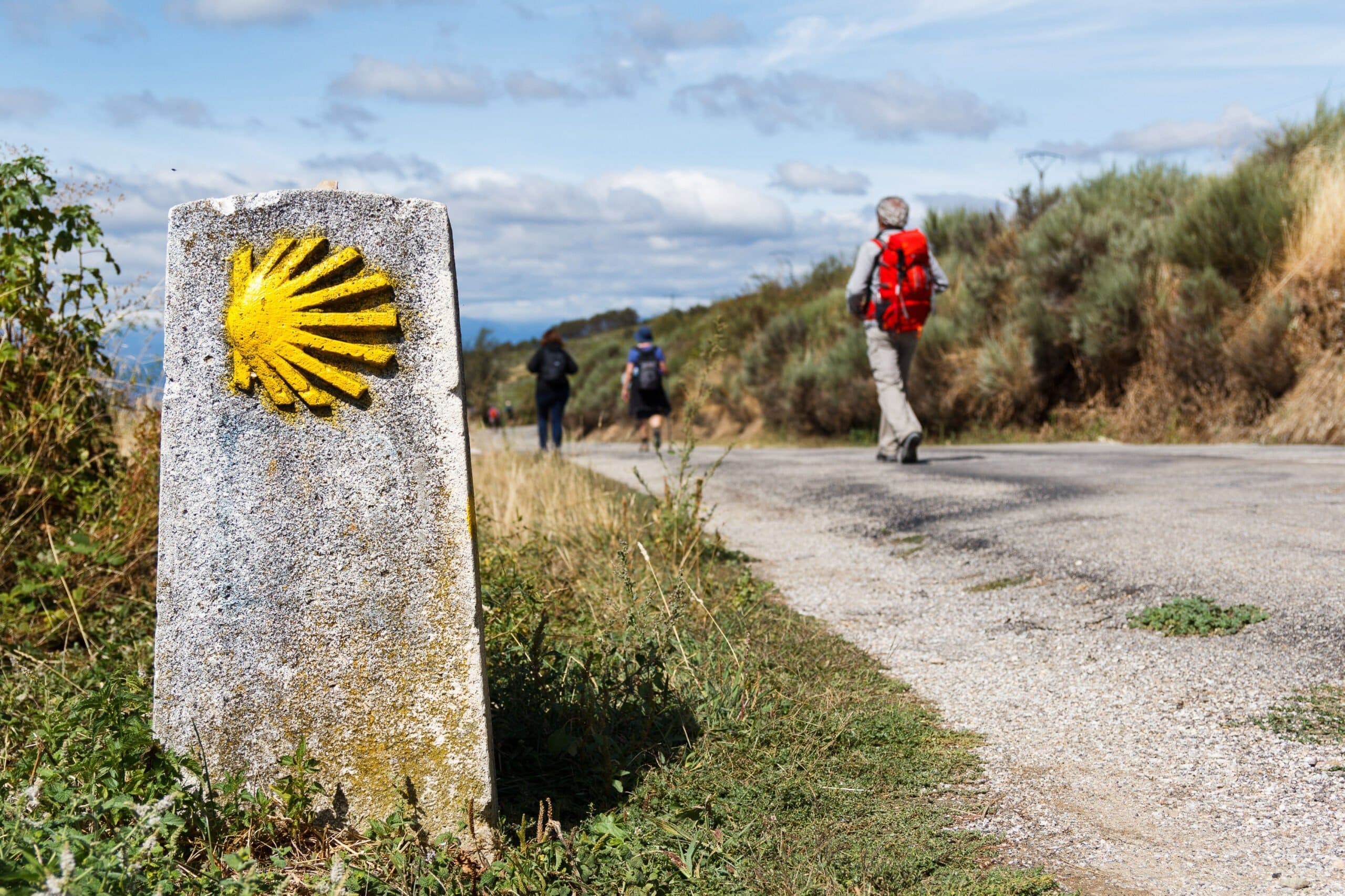
As Vitaliy Muzhyk explained, the system of navigation signs involves the use of symbolism characteristic of European pilgrimage routes, in particular the shell symbol. In addition, the route will be further marked with yellow navigation signs.
Every pilgrim will have a pilgrim's passport
One of the key elements of Camino Ruteno, like any pilgrimage route, is the pilgrim's passport system. In it, throughout the journey, marks in the form of stamps will be recorded at key locations—churches, places of overnight stay, and tourist sites. The number of such marks is not fixed.

According to him, the issuance of passports will be organized at the starting point of the route—the city of Chortkiv. The possibility of an additional issuance point on an intermediate section is also being considered. In Lviv, however, they provide for the issuance of certificates of completion of the route, and it is the filled-out passport with stamps that will become the basis for receiving it.
Where pilgrims will spend the night
In the implementation of the Camino Ruteno pilgrimage route in the Lviv region, the communities through which the pilgrims' path will pass will play a key role. These are Bibrka, Zvenyhorod, Lviv, and other settlements of the route.
As Roman Khimyak noted, communities should become the main participants of the project and join the development of infrastructure, in particular, determining places for overnight stays and other tourist sites.
"Someone has to moderate this process, but such stakeholders should be the communities of Bibrka, Lviv, Zvenyhorod, and other settlements where pilgrims will stay," — he said.
According to him, the infrastructure will depend on the characteristics of each territory: some settlements have historical and sacred sites, others will perform a primarily transit function. In places of significant historical importance, pilgrims will stay longer, so it is necessary to provide conditions for a safe stay there.
At the same time, he emphasized that the route provides for a simple, ascetic format of travel, like all pilgrimage paths. Abroad, travelers often sleep in in sleeping bags, or in school gyms in small settlements.
Background information
The Way of Saint James (Camino de Santiago) is a network of ancient pilgrimage routes to the tomb of the Apostle James in Santiago de Compostela in Spain, which has been active since the 9th century. The main goal is spiritual search, cultural enrichment, or hiking. The path is marked with shells and leads through Europe, ending in Spain, and also has branches in Ukraine.