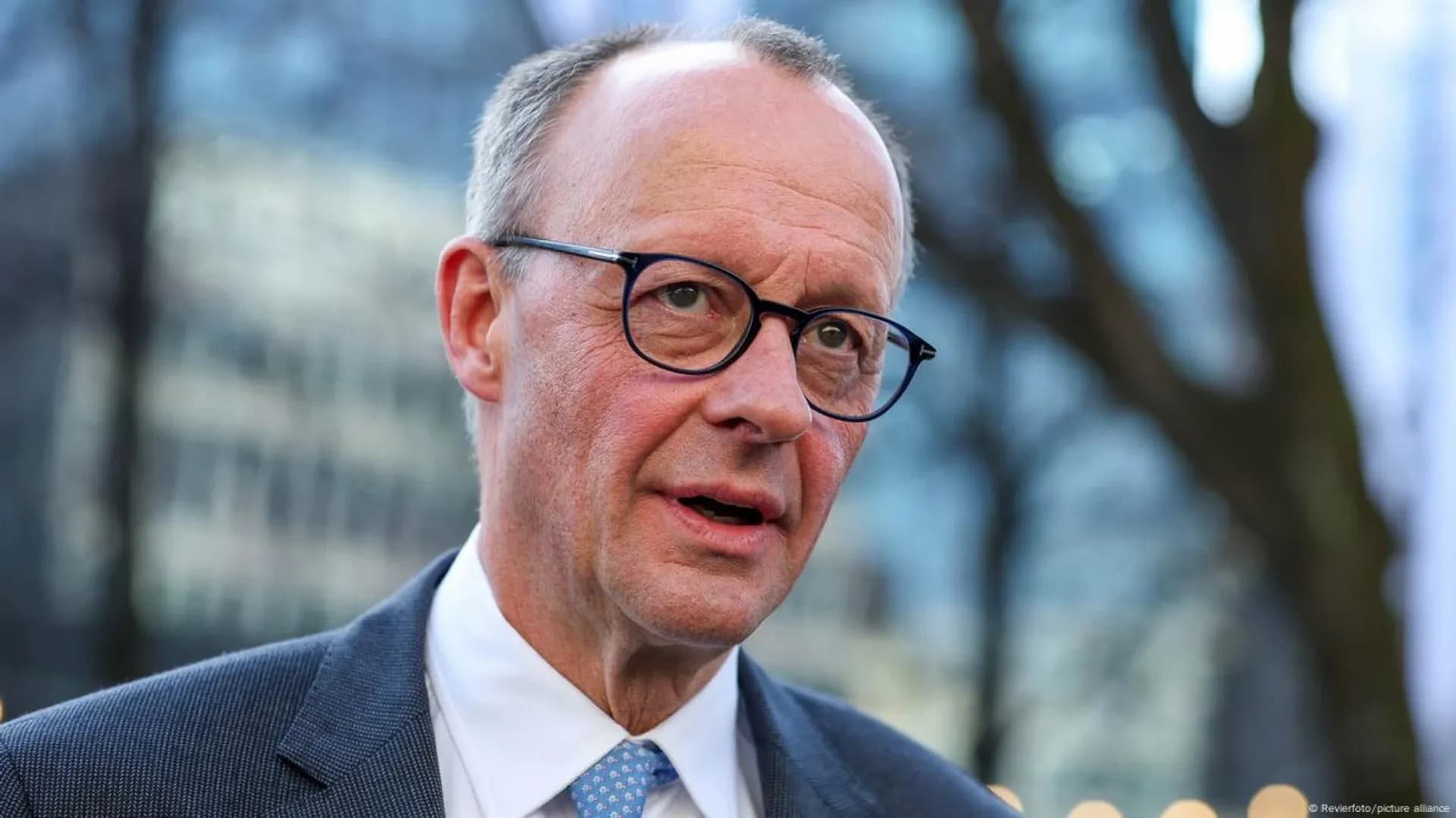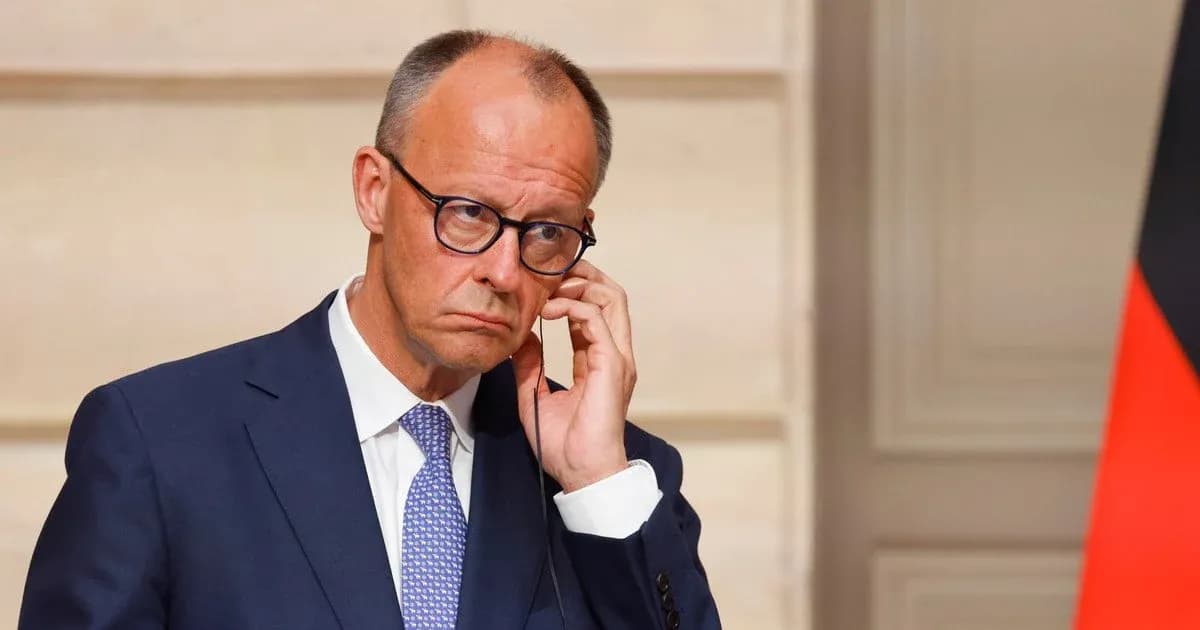
German Chancellor Friedrich Merz, speaking at the Ukraine Recovery Conference in Gdańsk on June 25, stated that European countries have united around Ukraine to protect freedom on the continent. At the same time, he addressed the Prime Minister of Poland, Donald Tusk, recalling the historical experience of Polish-German reconciliation after World War II.
In his speech, Merz noted that more than 87 years ago, World War II began near Gdańsk, and decades later, Germany and Poland were able to build good neighborly relations by signing a corresponding agreement.
He also thanked the Polish people for the path to reconciliation and emphasized that Europe has a common goal today.
According to the chancellor, supporting Ukraine is a matter of protecting the freedom and security of all of Europe.
We remind you that there is a conflict between Poland and Ukraine over the naming of a Ukrainian unit after the UPA Heroes. The day before, the leader of the Polish Law and Justice party, Jarosław Kaczyński, announced his refusal of a Ukrainian order after the President of Poland deprived Zelensky of their state's highest award – the Order of the White Eagle.
Read also: Sadovyi was called a "Banderite" in Poland who "does not pay a Polish firm"
Later, the Ukrainian president sent the award by "Nova Poshta," and Ukrainian officials and Zelensky's predecessors, in a sign of support, also began to refuse this order. In particular, Viktor Yushchenko, Petro Poroshenko, Leonid Kuchma, Head of the President's Office Kyrylo Budanov, and Foreign Minister Dmytro Kuleba.
After that, Polish activists announced the creation of the "Public Order of the Future" for the President of Ukraine Volodymyr Zelensky and the Ukrainian people.
"TheCity" discussed the topic of Ukraine-Poland relations and how to come to an agreement with psychotherapist Roman Kechur. More details here.
Also earlier, historian Igor Galagida told "City" about the truth and myths of the Volhynian tragedy, about 30,000 Ukrainian victims of that period, 20,000 of whom are named, why Sahryń should become a new symbol for Ukrainians, and proposes a constructive approach to the Polish-Ukrainian discussion – not to argue about who started it first and who is to blame. Read here.