First time after escalation in relations. Ukraine's visit confirmed in Poland
Updated at 29 July 2026, 14:19
Updated at 29 July 2026, 14:19
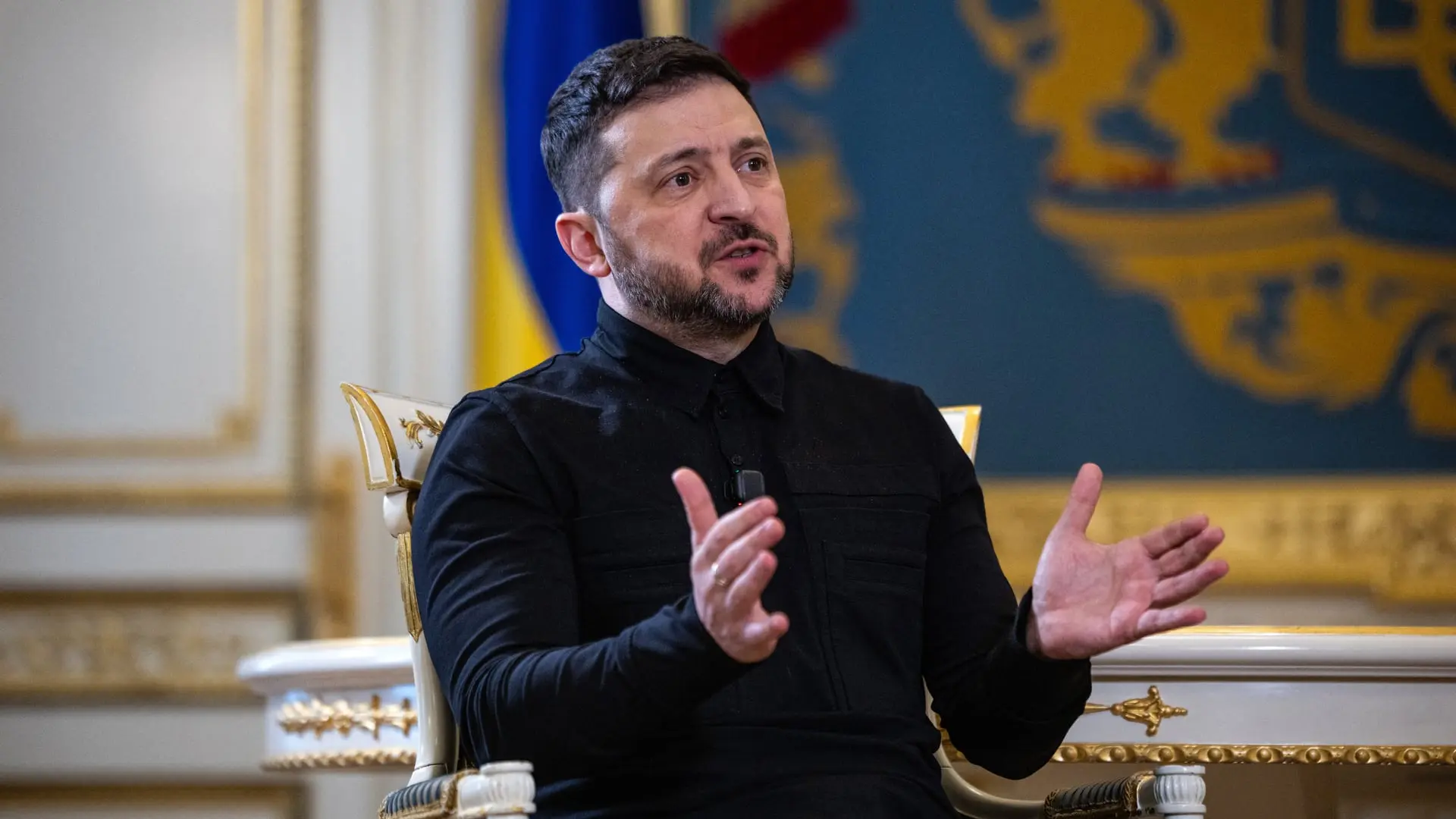
The President of Ukraine Volodymyr Zelensky will arrive in the Polish city of Lublin on Wednesday, July 29, where he is to meet with the Prime Minister of Poland Donald Tusk. The information was officially confirmed by the press service of the Polish government, reports "European Pravda".
According to the Polish government, the main topic of negotiations will be summing up the results of Zelensky's visit to the United States and his meeting with US President Donald Trump.
Polish media had previously reported on the preparation for this visit.
This will be the first visit of Volodymyr Zelensky to Poland after the escalation in relations between Kyiv and Warsaw. Tensions arose after the Ukrainian president's decision to name one of the military units after the UPA heroes, which drew criticism in Poland.
Against the backdrop of diplomatic disputes, cases of aggression towards Ukrainian citizens have also become more frequent in Poland recently. At the same time, the current meeting between Zelensky and Tusk could be an important step towards further dialogue between the two countries.
Read also: Polish government commented on attacks on Ukrainians
We remind you that in Poland occurred another attack on Ukrainian citizens due to their national origin. In Wroclaw, unknown individuals beat up a young couple - a girl Nastya and her boyfriend Maksym. The girl's mother said that the attackers reacted aggressively to the Ukrainian language and accent. The next day, two suspects were detained in Poland. They face imprisonment.
The conflict between Poland and Ukraine began after Volodymyr Zelensky named one of the units "in honor of UPA Heroes".
Later, the Polish president Karol Nawrocki stated, that Ukraine is allegedly "not ready" to be part of the European family due to the glorification of "bandits" and "murderers" from the Ukrainian Insurgent Army. He also deprived Zelensky of the Order of the White Eagle.
Historian Ihor Halahida told "Your City" the truth and myths about the Volhynian tragedy, about the 30,000 Ukrainian victims of that period, 20,000 of whom are named, why Sahryn should become a new symbol for Ukrainians, and offers a constructive approach to the Polish-Ukrainian discussion – not to argue about who started it first and who is to blame. Read here.
Related News