The tenth blow to "Lukyanivska": how the metro station is being restored after a Russian attack. Photos
21 July 2026, 16:15
21 July 2026, 16:15
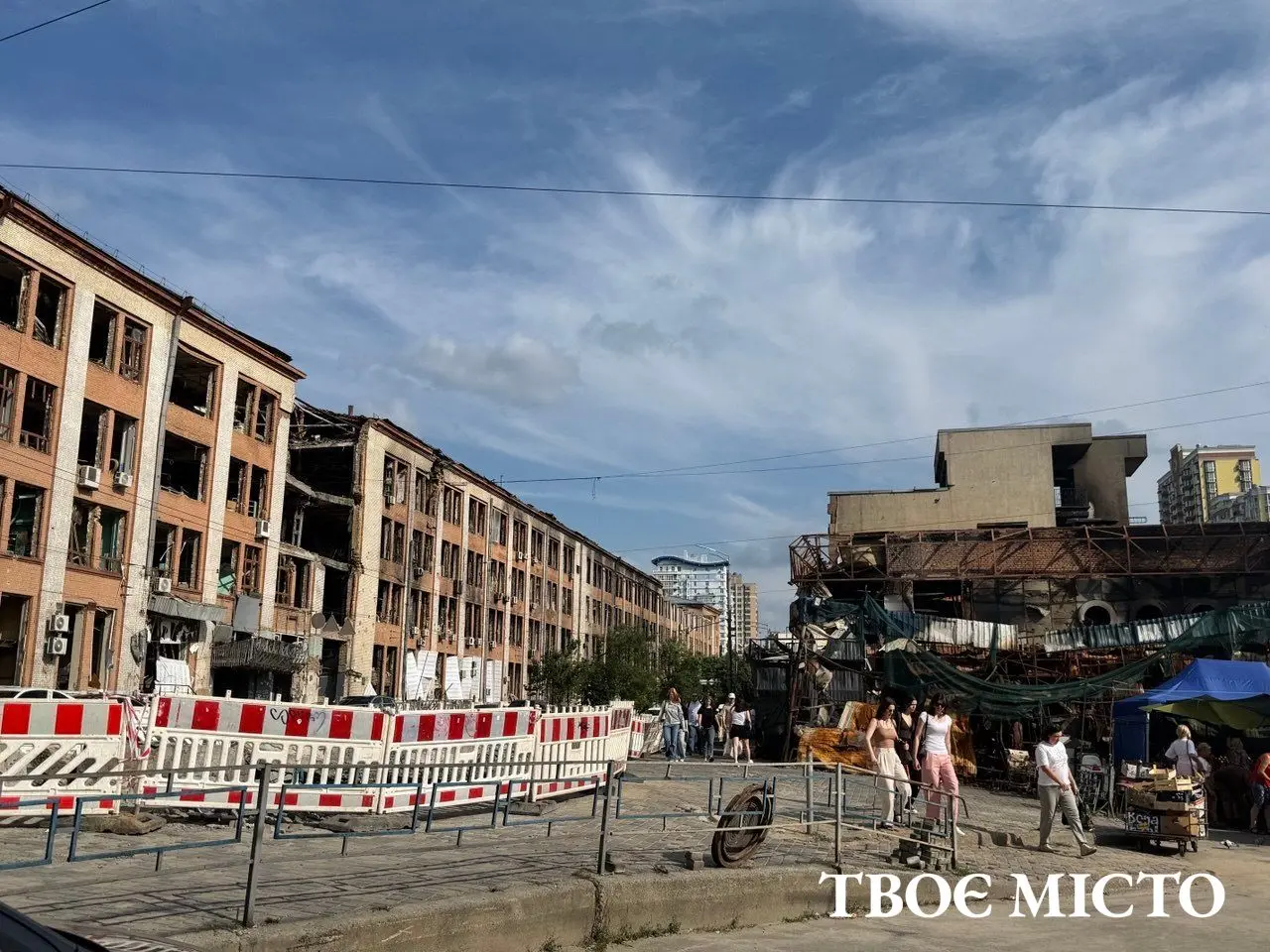
After the night attack, the blast wave damaged the facade of the above-ground lobby, escalator equipment, and individual infrastructure elements of the "Lukyanivska" metro station. Despite this, after the air raid alert ended, specialists began work to restore safe train traffic and station operation as quickly as possible. This was reported by Kyiv Metro in a commentary to "Tvoe Misto".
"Lukyanivska" has been damaged for the tenth time since the beginning of the full-scale war.
Kyiv Metro reported that the night attack was the tenth case of damage to the "Lukyanivska" station since the beginning of Russia's full-scale invasion. As during previous shelling, this time the destruction was caused by a powerful blast wave, not a direct hit to the station complex.
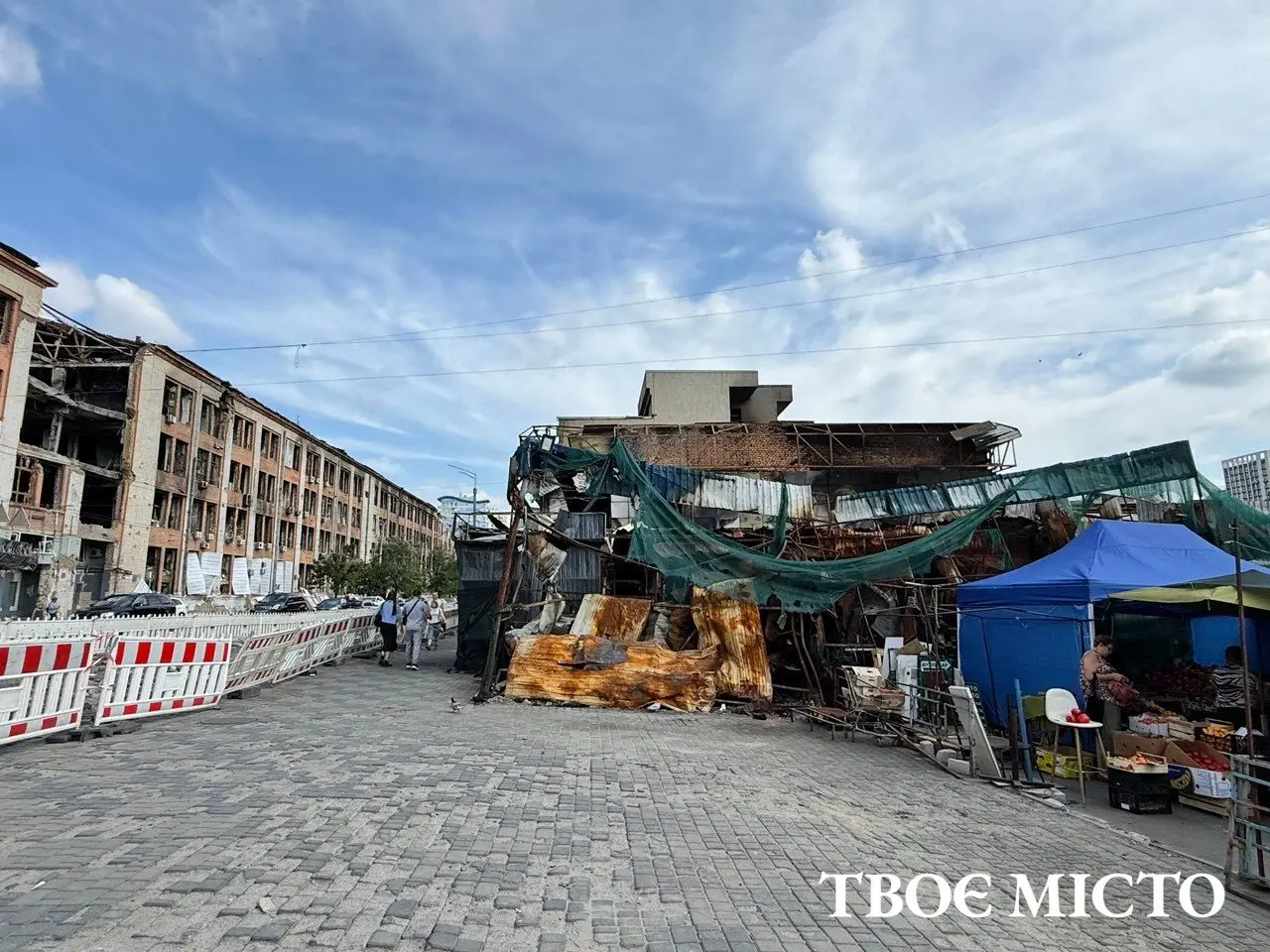
The above-ground lobby was the most affected. The blast wave damaged the building's facade, blew out the OSB sheets that had covered the window openings after previous attacks, and also destroyed individual external elements, including the drainage system.
Inside the lobby, escalator equipment was also damaged. The enterprise explains that the balustrades, the plastic elements of the structure along the handrails, proved to be the most vulnerable. However, the main problem arose after the explosion, when fragments of the facade and construction debris began to enter the mechanisms.
At the same time, turnstiles and passenger automation did not suffer significant damage. After the air raid alert ended, specialists checked each piece of equipment to ensure that all systems remained safe for passengers.
Why dust appeared on the platform
After the attack, videos from the station platform spread widely on social media, where due to a thick curtain of dust, many assumed that the metro was filled with smoke.
Kyiv Metro emphasizes that, in reality, there was no fire or destruction inside the station.
According to the company's representatives, the blast wave raised a huge amount of dust on the surface, which, through the inclined escalator shafts, fell down to the platform.
The duty personnel immediately switched the ventilation to a different mode to clear the air as quickly as possible.
Several hundred people were in the shelter.
During the night of the Russian attack, the metro once again became a haven for Kyiv residents. According to Kyiv Metro, a total of almost 14,000 people were at various stations in the capital during the air raid alert.
Directly at the "Lukyanivska" station, which was at the epicenter of the blast wave, several hundred people took shelter. The exact number is not disclosed by the metro for security reasons.
At the same time, the enterprise emphasizes that all people were located precisely on the station platform, which serves as a shelter, and not in the above-ground lobby.
After the air raid alert ended, the station remained closed for passenger entry and exit due to the need for repair work. People who were in the shelter were transported to neighboring stations by trains.
As a result of the strike, Kyiv Metro employees were not injured. Among the people present at the station, only one case of injury was recorded.
How the algorithm works after a missile strike
Kyiv Metro explains that after each shelling, the primary task is not to restore the station's appearance, but to ensure the safe operation of all infrastructure.
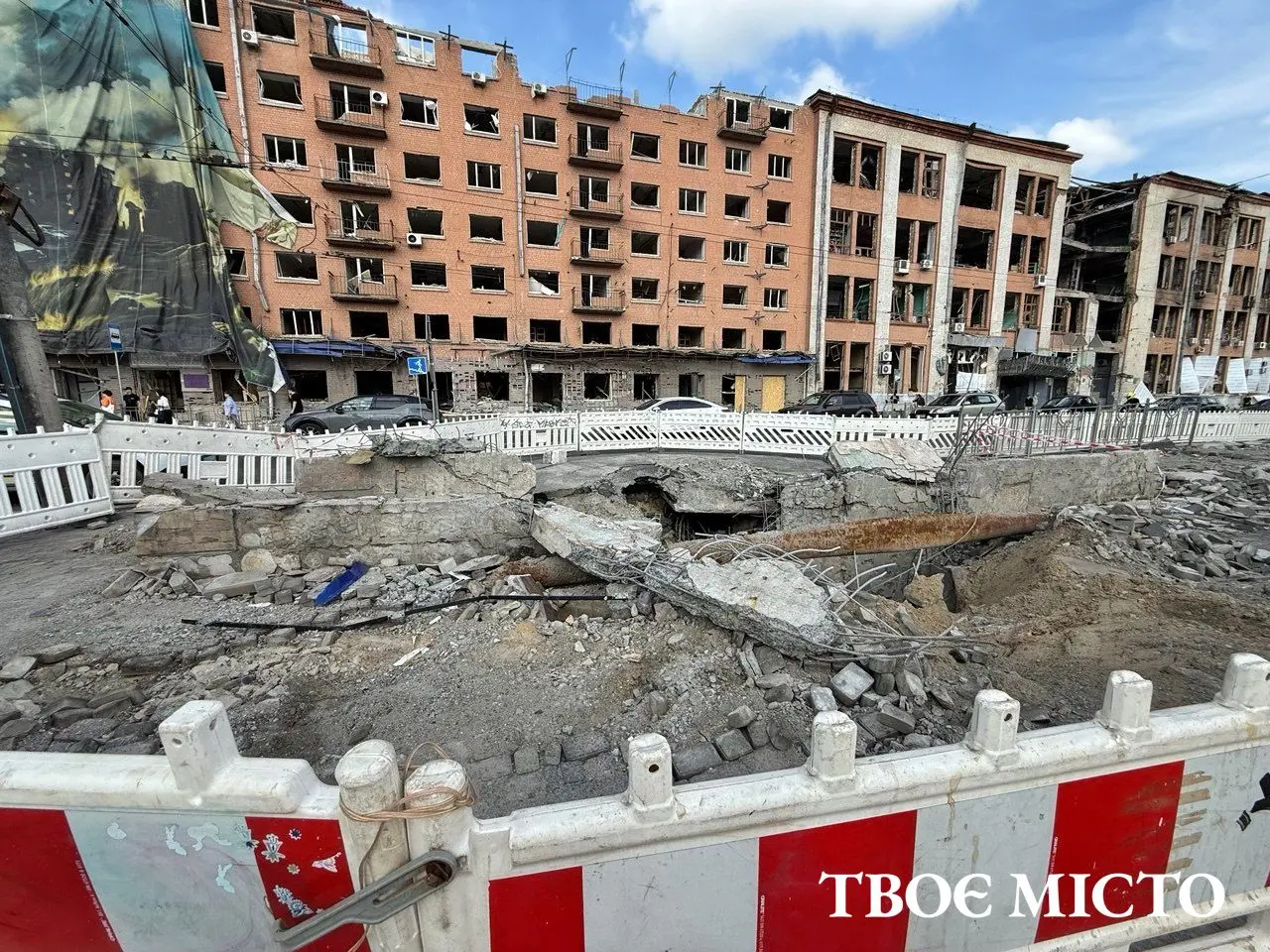
As soon as the air raid alert ends, all relevant services arrive at the site - structural maintenance specialists, electricians, escalator equipment specialists, and staff responsible for turnstiles and passenger automation. Each of them conducts a separate inspection of their area.
According to the enterprise representatives, employees first clear all construction debris from the passenger area, dismantle damaged facade elements that could pose a threat, and then proceed to equipment inspection.
Escalators are inspected with particular care. Even small particles of glass, concrete, or wood can get into the moving parts of the mechanisms and cause them to malfunction.
This time, the work was further complicated by the fact that the attack occurred on a weekend. Although there are always duty crews working at the enterprise, significantly more employees can be involved in eliminating the consequences on weekdays.
The metro administration notes that the duration of restoration depends on the scale of damage each time.
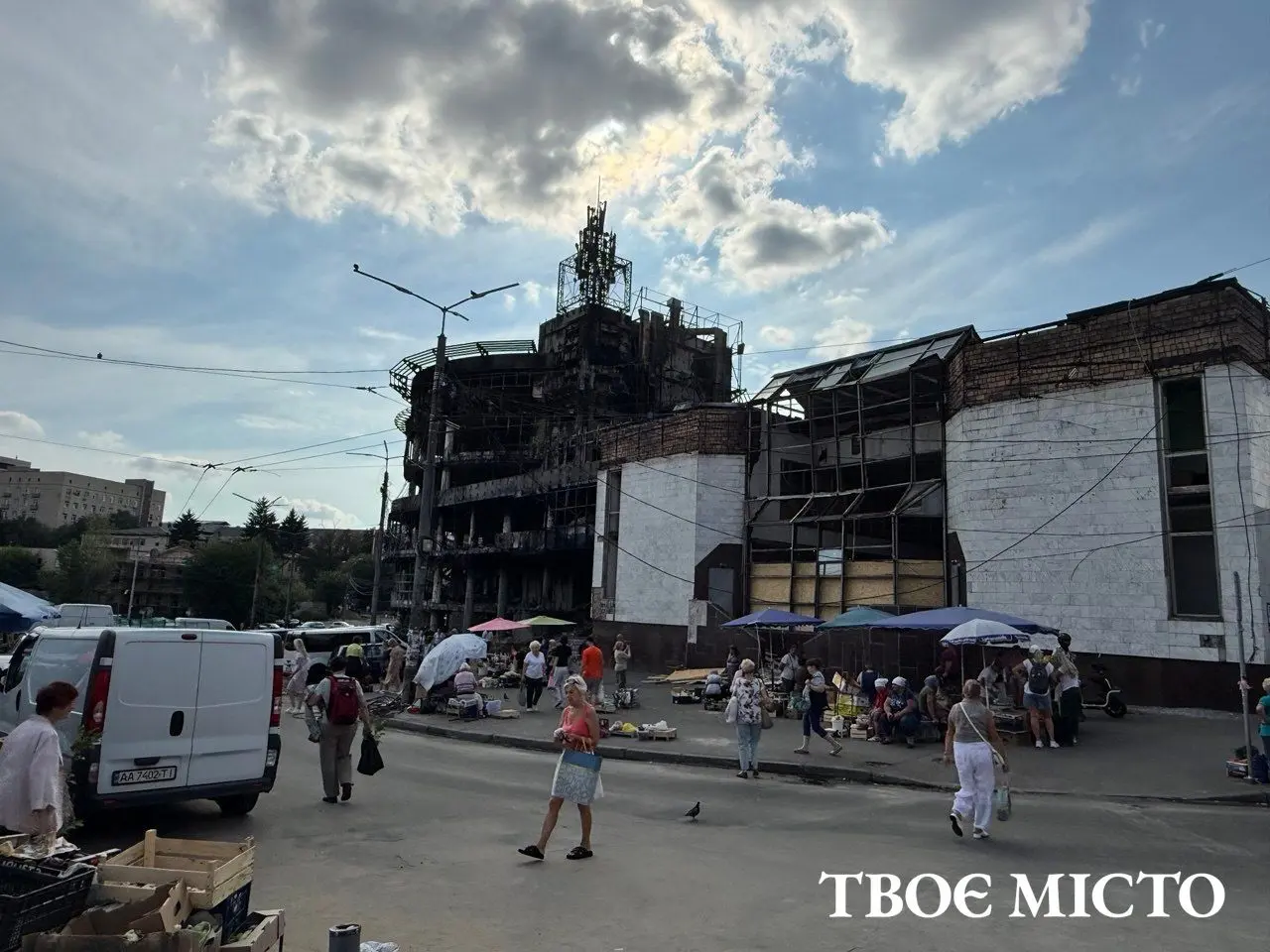
After cleaning – restoration of the facade and dome
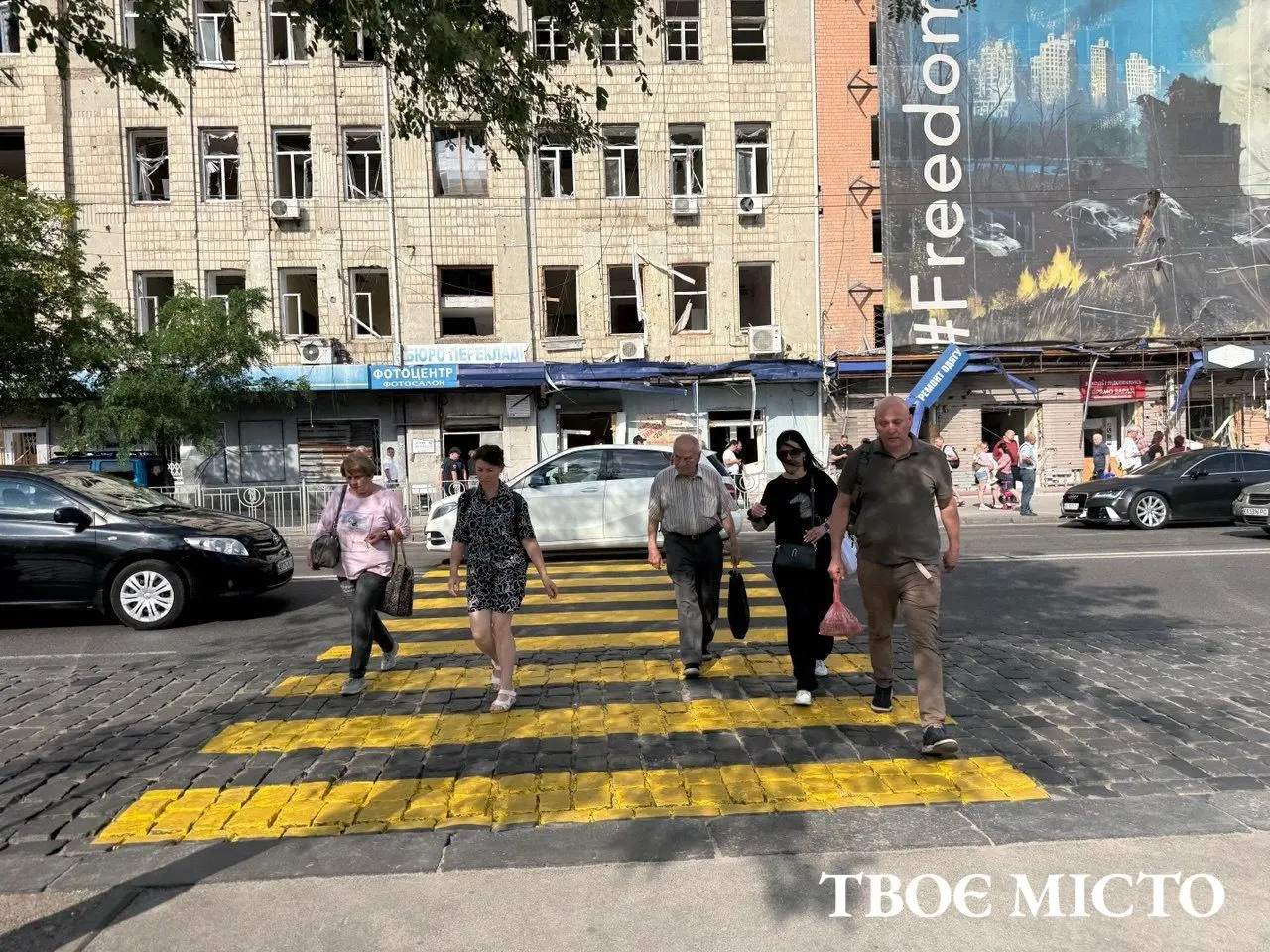
Although the station is already operating for passengers again, restoration work continues. Kyiv Metro explains that the primary task was to ensure the safe operation of the station, while the full restoration of damaged elements will be carried out in stages.
First of all, employees tidied up the first level of the ground lobby - they removed debris, covered the damaged openings, and prepared the station to operate as a shelter. After all, every night, during air raids, "Luk'yanivska" receives people again.
Simultaneously, work continues on the second level of the building, where shattered window openings are being re-covered. The next stage will be the restoration of the large glass dome over the station entrance, which also suffered damage from the blast wave.
According to the enterprise's representatives, "Luk'yanivska" suffered the most damage on March 15, 2022. It was then that the blast wave almost completely destroyed the large stained-glass windows of the ground lobby. After that, they were temporarily replaced with OSB sheets, which take the impact again during each new attack.
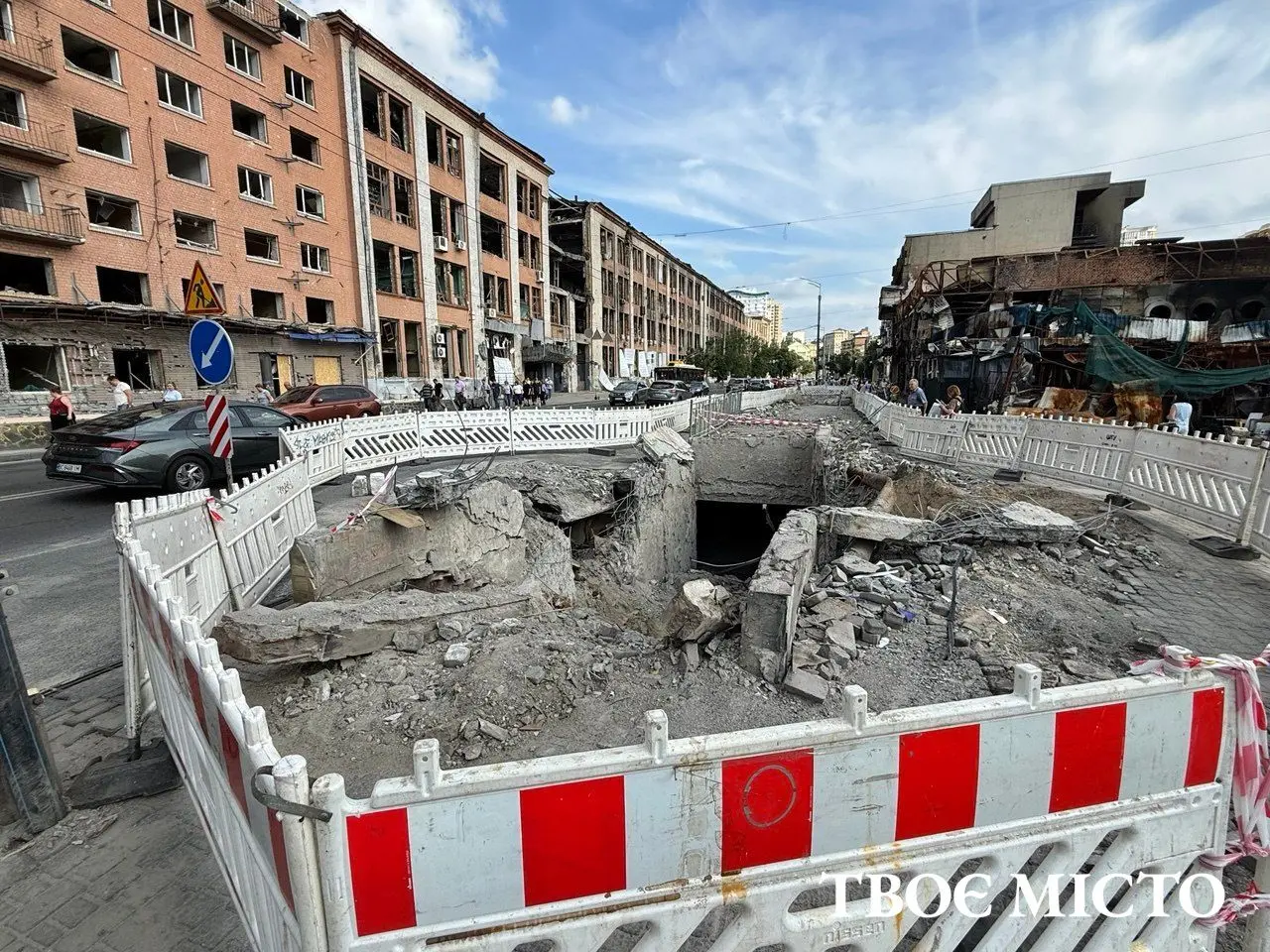
"Don't panic, but listen to the metro employees."
Kyiv Metro emphasizes: over more than four years of full-scale war, the enterprise's employees have repeatedly practiced emergency response algorithms. That is why the main request to people during an air raid is to remain calm and follow the staff's instructions.
According to the enterprise's representatives, even if atypical situations arise after an explosion – dust appears, lighting goes out, or ventilation operation changes – it does not mean that the shelter has ceased to be safe.
The metro recalls that a similar operating principle was applied during a major blackout when a train with passengers stopped in the tunnel due to a power outage. The driver immediately explained the situation to the passengers, after which metro workers, along with rescuers and law enforcement officers, organized a controlled evacuation.
The enterprise says that clear communication helps to avoid panic and ensure people's safety even in the most difficult conditions.
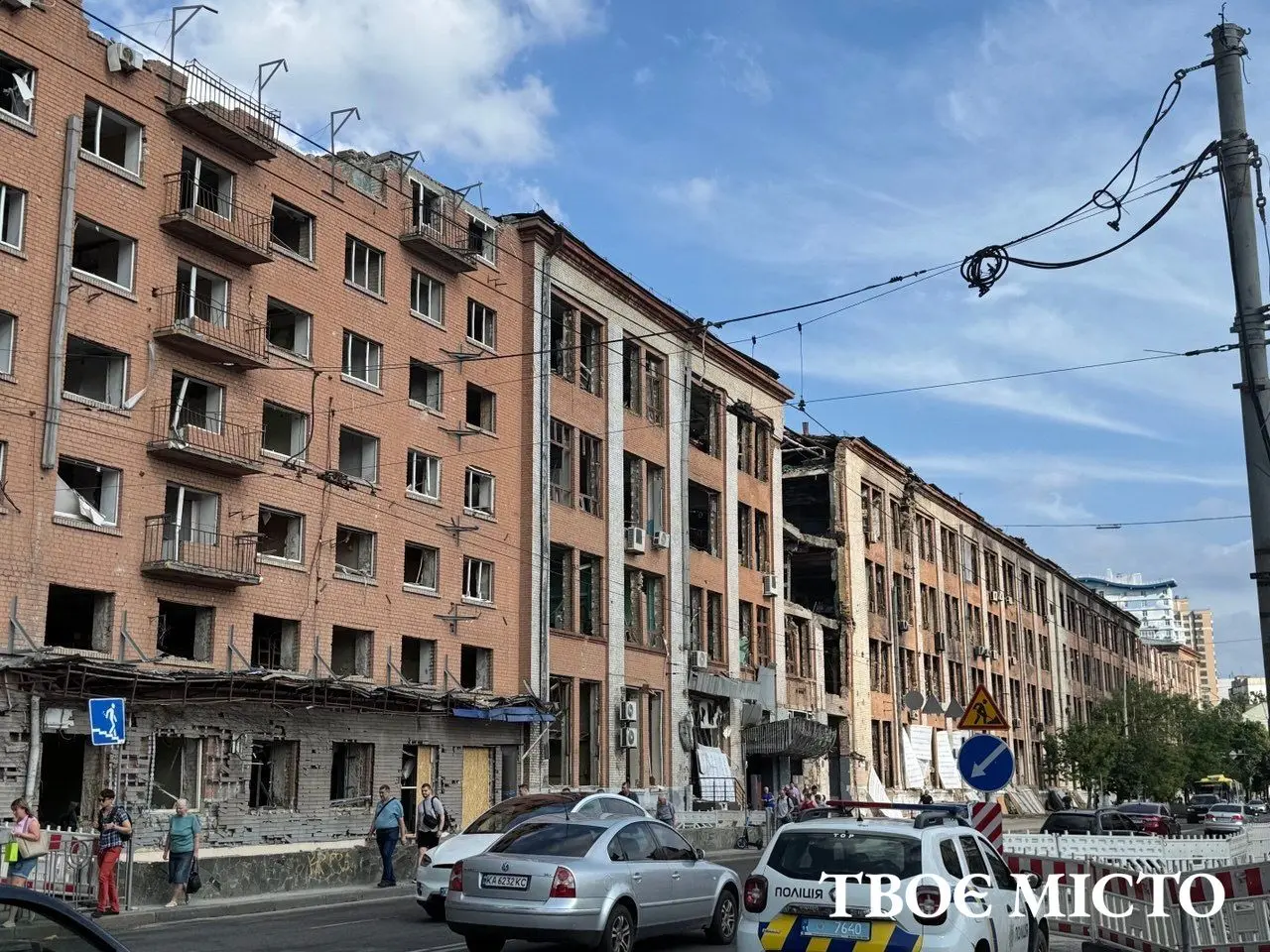
Consequences of the attack on Kyiv on July 19
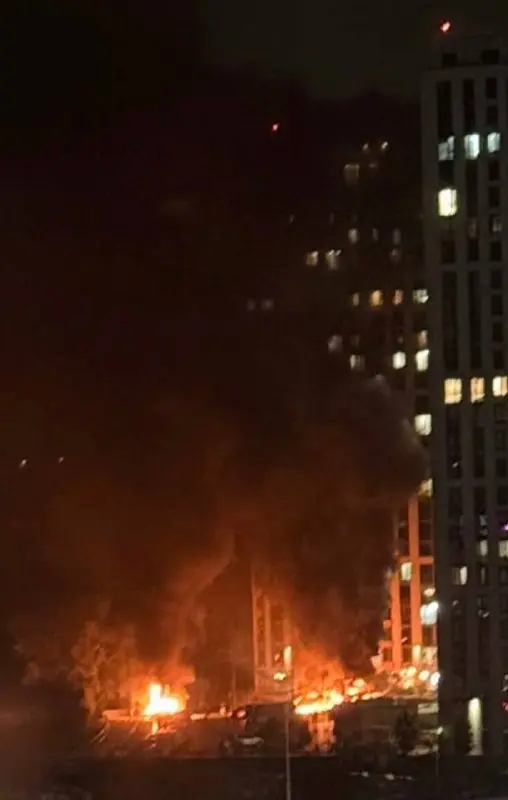
Damage to the "Lukyanivska" metro station was just one of the consequences of another massive Russian attack on the capital on the night of July 19.
According to the Air Force of the Armed Forces of Ukraine, Russia attacked Ukraine with dozens of missiles of various types and a large number of attack drones. The main strike was on Kyiv.
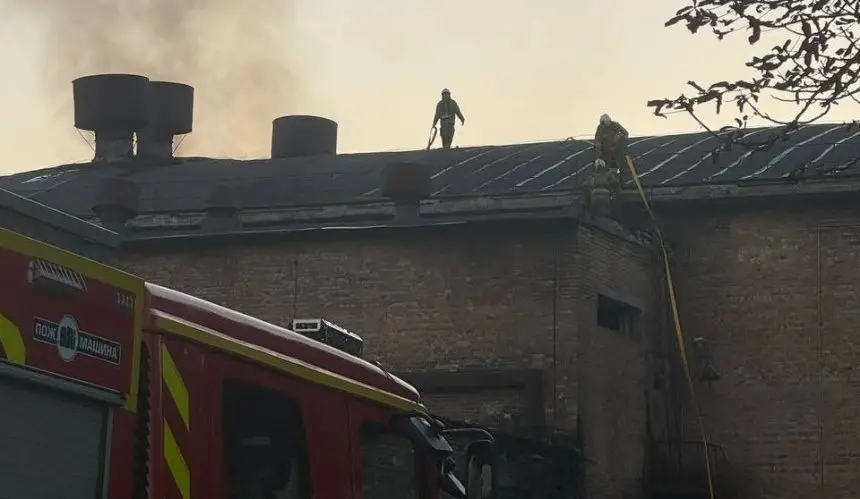
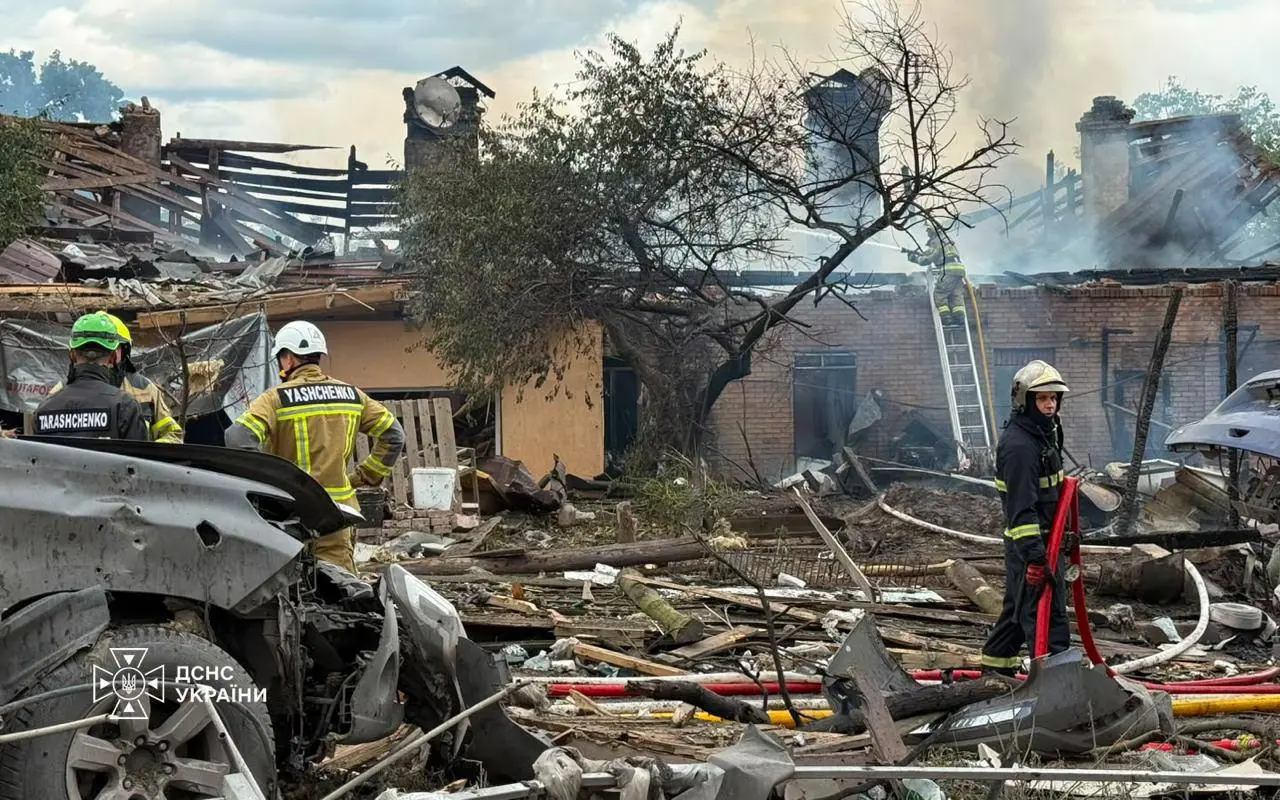
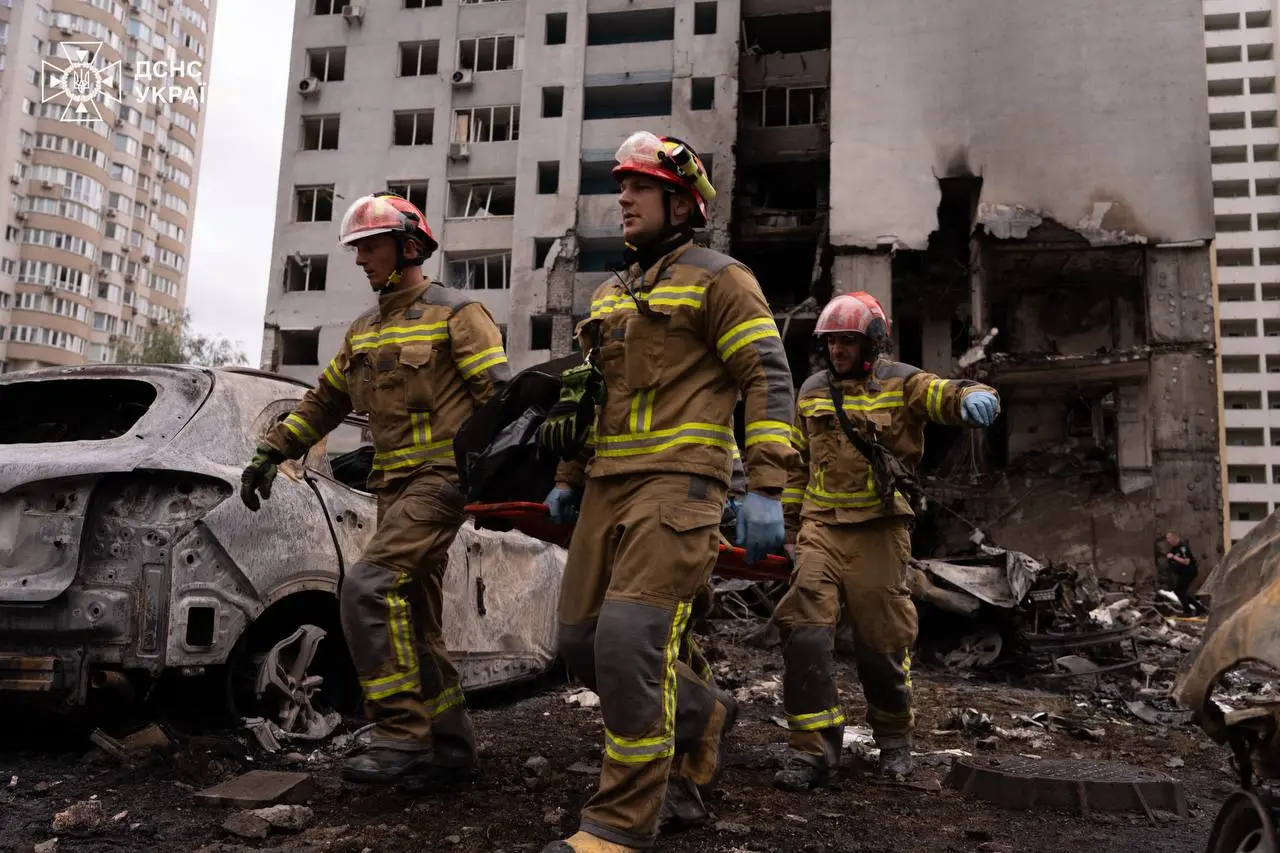
As a result of the shelling, residential buildings, civilian infrastructure facilities, non-residential structures, and transport infrastructure were damaged in various districts of the capital. Rescuers extinguished fires and cleared debris at several locations simultaneously.
According to the State Emergency Service of Ukraine, as a result of the Russian attack, one person was killed, and 15 others were injured. Later, the number of casualties increased to 16. The most significant destruction was recorded in the Shevchenkivskyi and Solomianskyi districts of the capital.
In the Solomianskyi district, a five-story residential building was damaged. Rescuers dismantled the hazardous elements of the facade and balconies that could pose a danger to residents. Meanwhile, in the Shevchenkivskyi district, work continued to extinguish fires in non-residential buildings and clear destroyed structures.
Nearly 600 rescuers and dozens of units of special equipment were involved in eliminating the consequences of the strike. Work was carried out simultaneously at several locations in Kyiv, as well as in other regions that were also under Russian shelling that night.
President of Ukraine Volodymyr Zelenskyy announced that in just one week, Russia used approximately 1,450 attack drones, over 1,640 guided aerial bombs, and 99 missiles of various types against Ukraine. According to him, strengthening Ukrainian air defense, particularly protection against ballistic missiles, remains one of the key priorities.
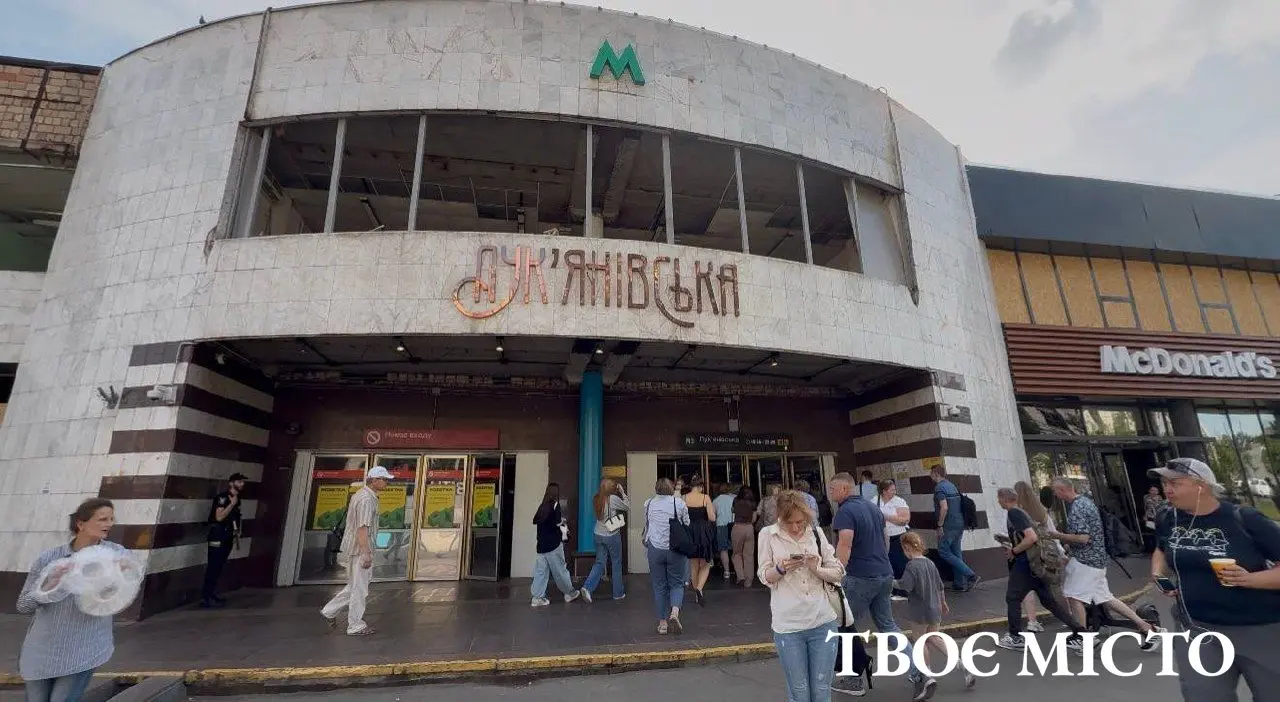
Meanwhile, "Lukyanivska" proves once again: even after the most powerful Russian attacks, the station returns to operation. However, each such recovery is not only the replacement of damaged structures or repair of equipment but also the meticulous work of dozens of specialists who, within a few hours, must again make one of the capital's most important transport hubs safe for thousands of passengers and people seeking shelter every night.

Related News