Destruction of the Carpathians for wind turbines. Report from Runa meadow, which became a construction site
24 September, 20:00
24 September, 20:00
"The destruction of the Carpathians is packaged in the guise of European integration"
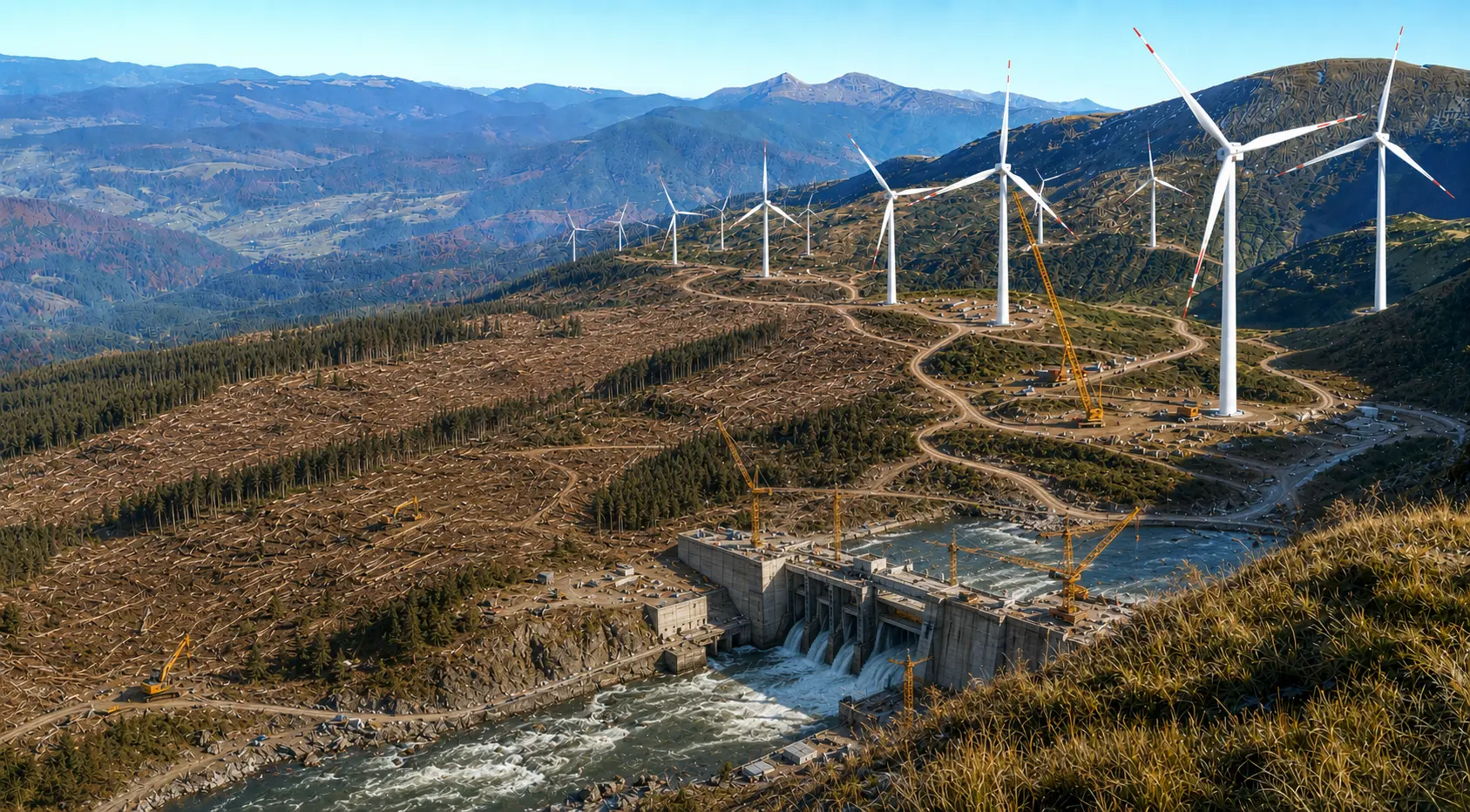
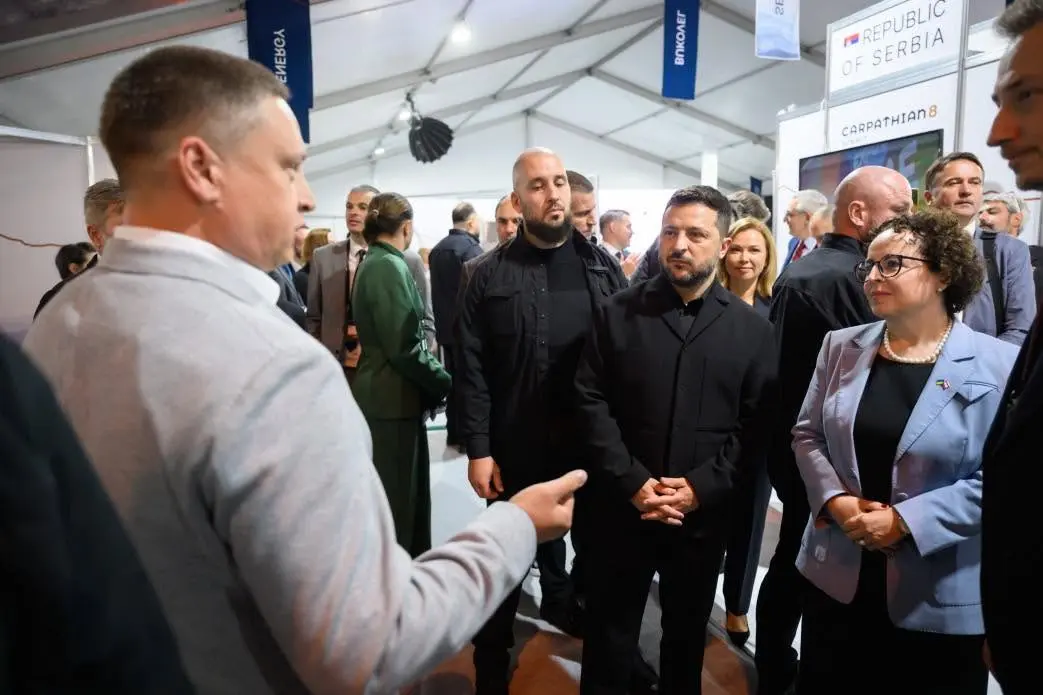
Among other things, he proposed developing a Carpathian wind energy cluster with a capacity of 1.5 gigawatts. Environmentalists, dividing this figure by the capacity of one wind turbine, calculated that it concerns three hundred wind turbines within the Carpathians.
In her opinion, the stated intentions to supply electricity to the EU are solely a "cover for the illegal construction of wind farms in the mountains."
Environmental activists also reacted sharply to Zelenskyy's words. On the page of the public initiative "Save Pikuy", they called this statement "legalization of an environmental crime in the Carpathians."
Start of construction without environmental impact assessment
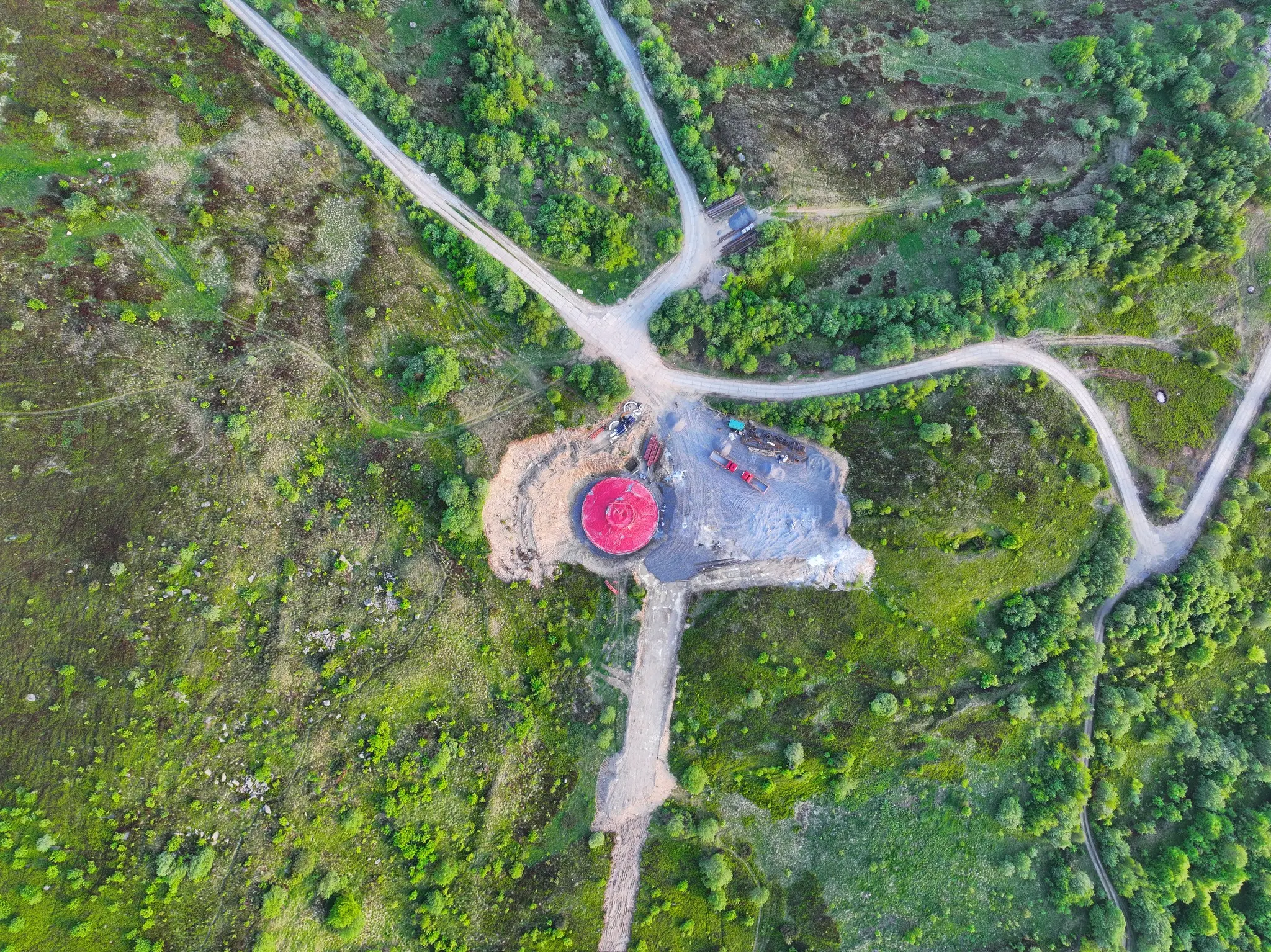
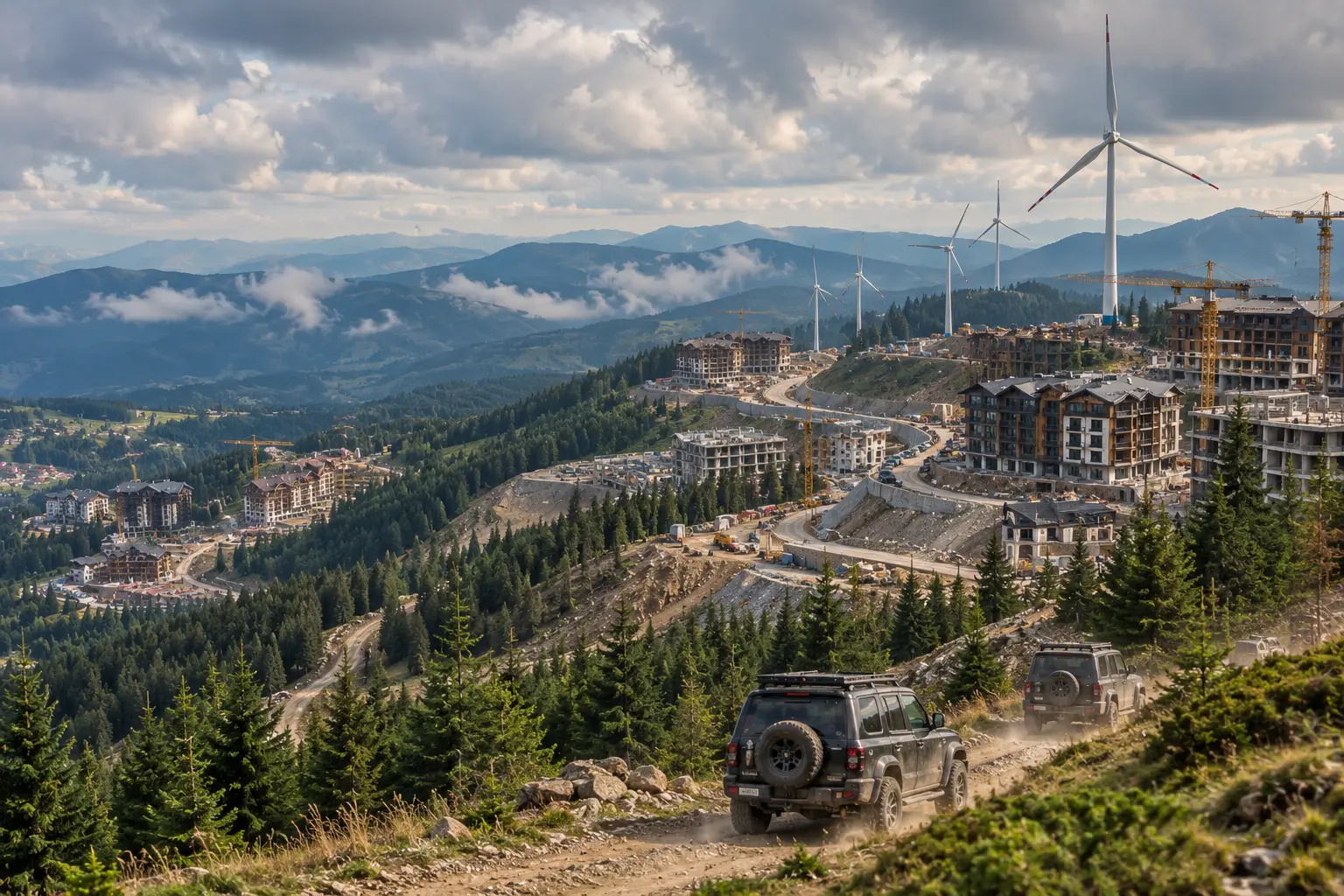
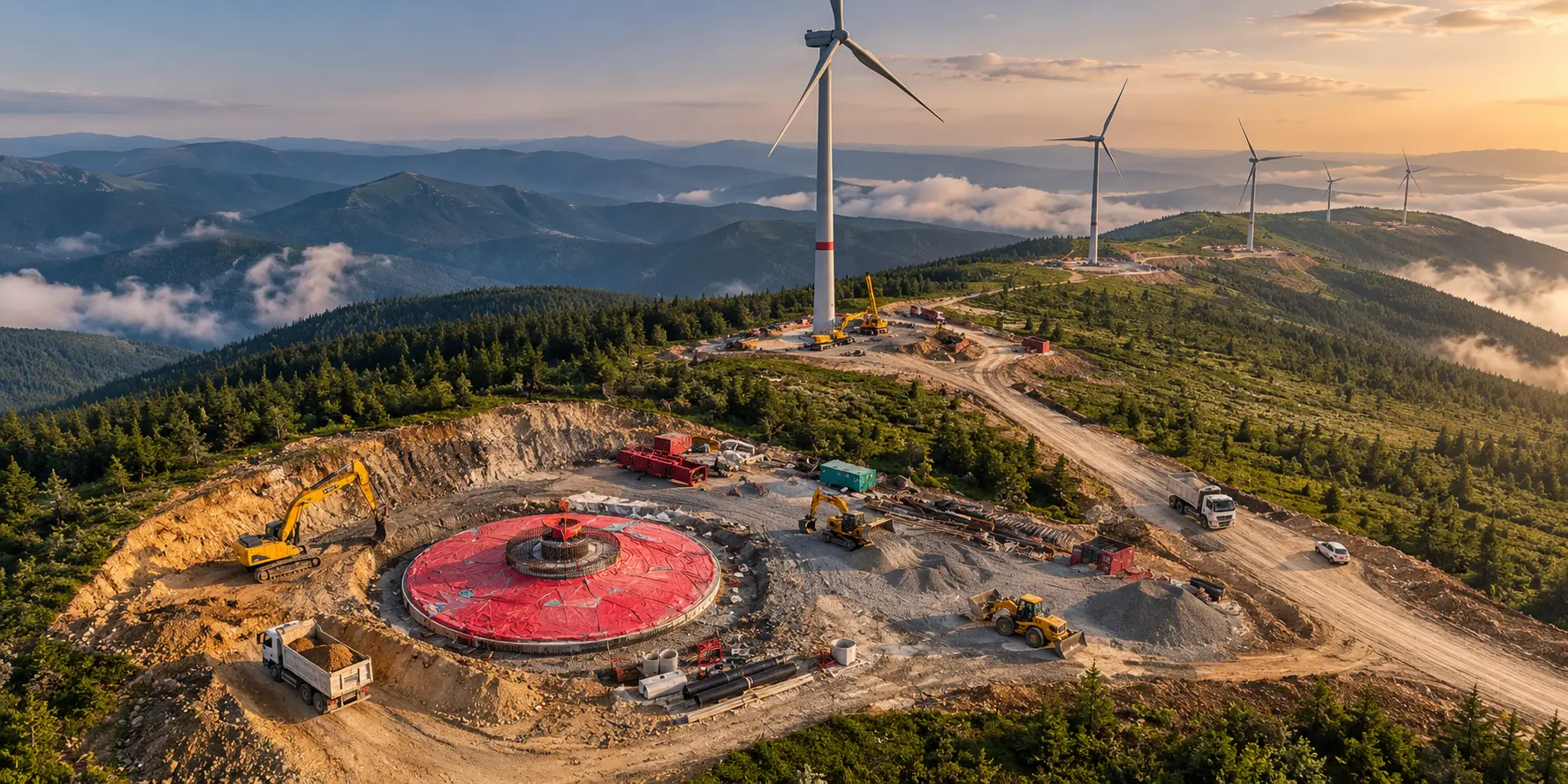
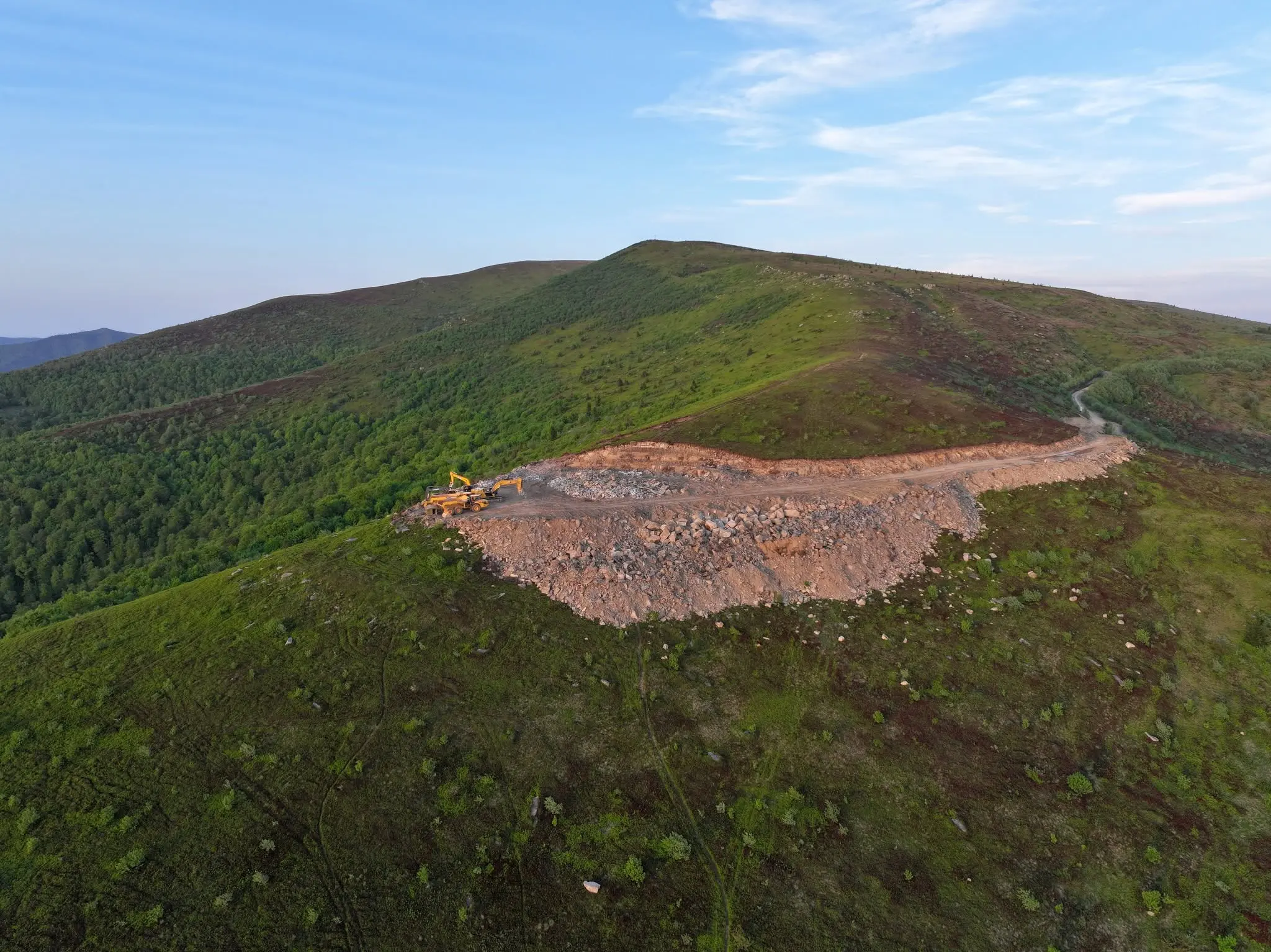
In fact, the political will to build wind power plants in the Carpathians has existed for a long time. This is evidenced by the process of Ukraine's first high-mountain wind farm construction on the Runa meadow in Zakarpattia, which involves the installation of 30 wind turbines at an altitude of one and a half thousand meters.
"Construction on the Runa meadow began more than a year ago, meaning when the environmental impact assessment was not yet ready (from the Ministry of Economy and Environment - Editor's note). But it is not allowed to build foundations and roads without obtaining this conclusion", – says in a comment to " Your City" Olha Mellen-Zabramna, head of the legal department of the international charitable organization "Ecology-Law-Human".The developer company LLC "Wind Parks of Ukraine", which relocated from Kramatorsk to Zakarpattia in 2022 due to the war, began construction work on the meadow in the spring of 2025. They received permission from the State Architectural and Construction Inspectorate for this, which was not stopped by the absence of a conclusion from the relevant ministry.
"Wind Parks" received the conclusion only in February 2026. And the ministry, unfortunately, recognized that their activities are permissible. But we believe that by doing so, it violated the law "On Environmental Impact Assessment".
Moreover, about thirty influential environmental NGOs submitted their comments, but not a single one was taken into account. Therefore, we understand that this was more of a political decision, rather than one based on scientific grounds.” – adds the lawyer.
Thus, the NGO "Ecology-Law-Human" decided to challenge this conclusion of the Ministry of Economy and Environment in court.
“From the ministry, we see only a farce”
In their comments experts from the NGO “Ecology-Law-Human” point out, among other things, that the Runa meadow is a candidate territory for the Emerald Network of Ukraine (whose status is approved by the Secretariat of the Bern Convention "On the Conservation of European Wildlife and Natural Habitats"). By ratifying the Bern Convention, Ukraine has committed to protecting rare species and habitats on all nominated sites.
Also, in 1999, Ukraine ratified the European Convention on the Protection of Bats. All its species living in Ukraine are listed in the Red Book.
"The bats around the Runa meadow feed precisely on the meadow. Therefore, by building wind turbines there, we create obstacles for their feeding. The relevant ministry should have taken this into account during the environmental impact assessment, but from their side, we see only a farce. It completely ignored the fact that there are many species of plants and animals on the Runa meadow that are listed in the Red Book", – adds the lawyer.
At the same time, the lawyer emphasizes that her environmental organization is not against wind power plants as such.
In one of his interviews the general director of LLC "Wind Parks of Ukraine" Vladyslav Yeremenko reacted to such criticism from eco-activists only with sarcasm.
According to him, it is necessary to compare the number of losses with what “we will get” in return. Thus, from the wind farm on Runa, they expect 156 megawatts of generation, which can provide electricity to 235,000 households.
Overall, the developer's position is clear – in times of war, it is necessary to strengthen Ukraine's energy security and decentralize the energy system.
A new road at the cost of felled hectares of forest
How does the construction of "green energy" facilities in the Carpathians, which is called so because of its minimal negative impact on the environment compared to traditional energy that causes greenhouse gas emissions, look in practice?
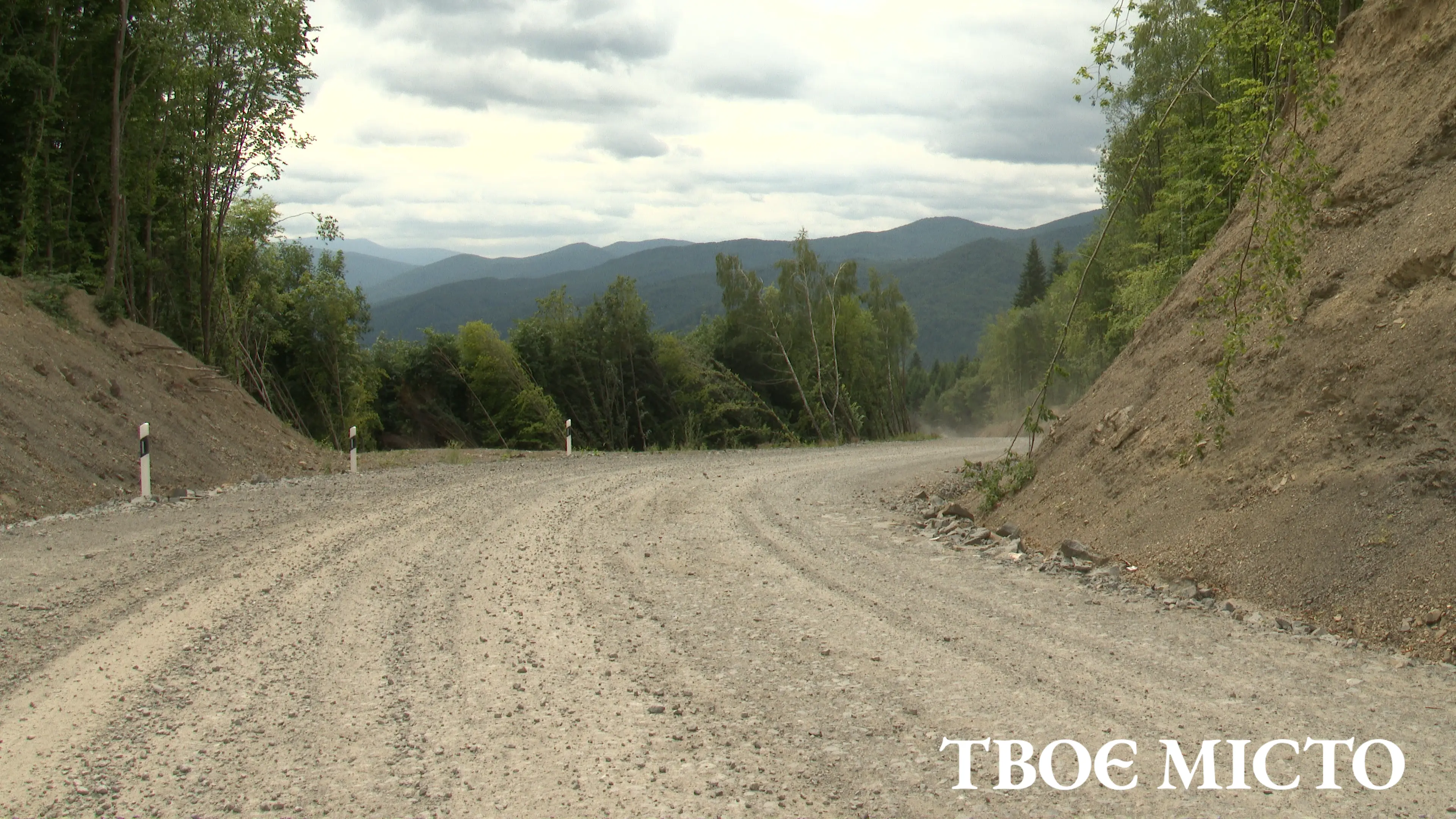
“This road is eight kilometers long. It never existed here before! There was a regular dirt road leading to the meadow nearby. And what do we see now?” – says activist of the NGO "Ecology-Law-Human" Kateryna Polyanska, with whom we are standing in the forest at the foot of the Runa meadow from the side of the village of Zhdenievo in Transcarpathia.
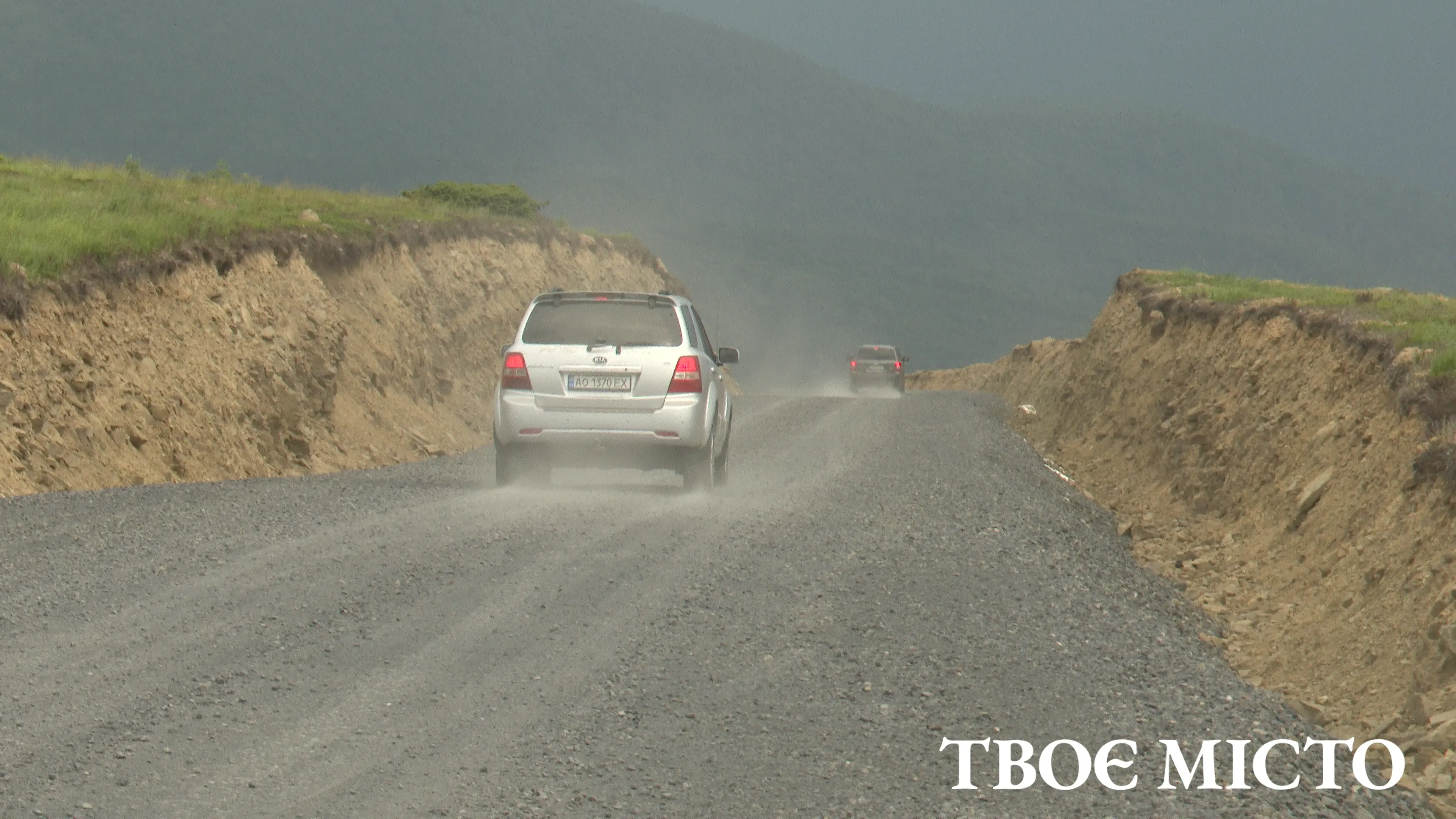
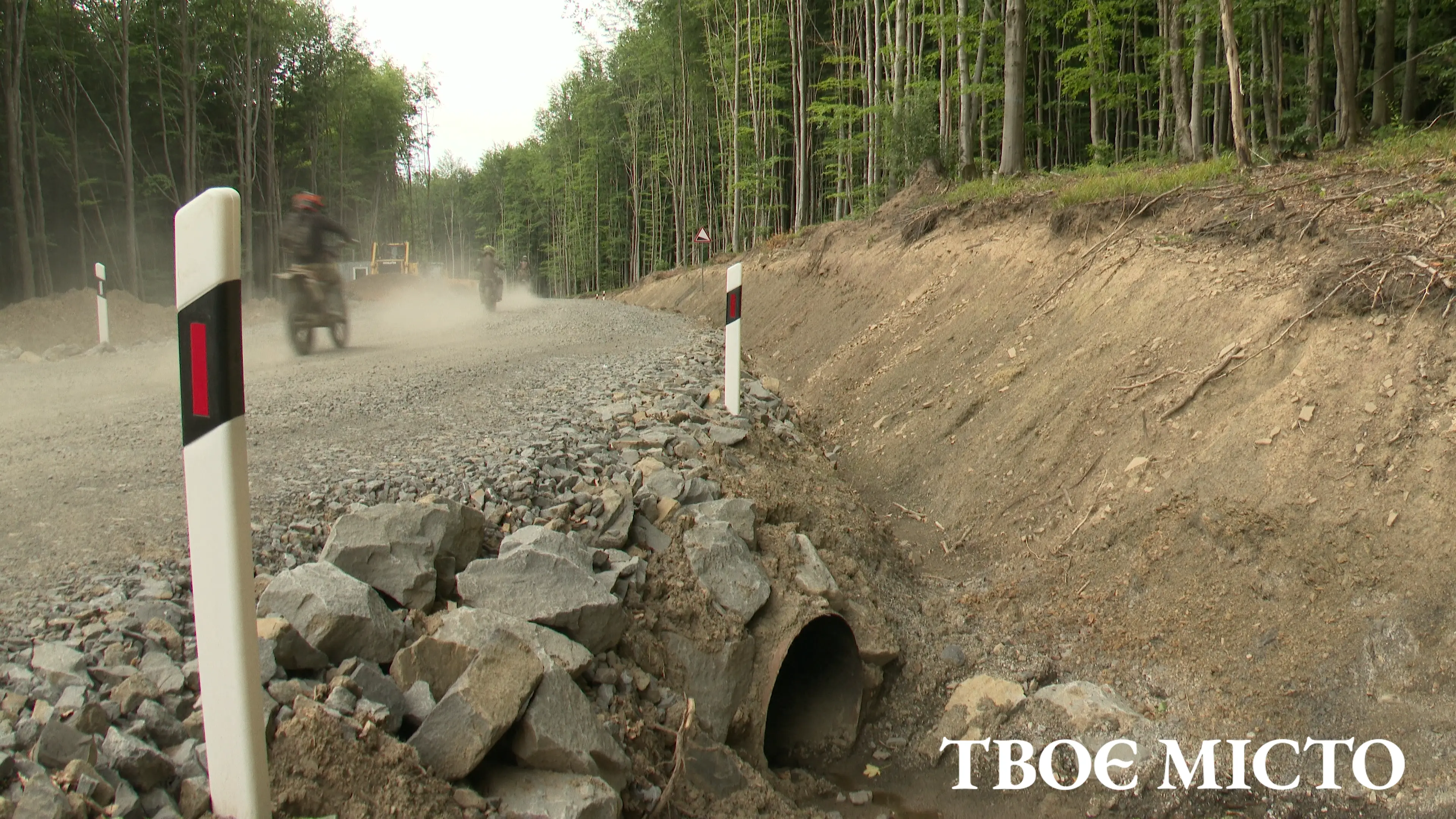
The newly built paved road is indeed impressive. It is designed for two lanes and is covered with fine gravel or crushed concrete, so after a car or scooter passes, thick dust rises. Along the road, on the roadside, there are piles of wood that have not yet been removed after logging the forest to lay this "highway".
The newly formed vertical soil slopes above the road reach five to seven meters in height in places. On one of the sections, dozens of birch and beech trees have tilted downwards due to artificial soil landslides.
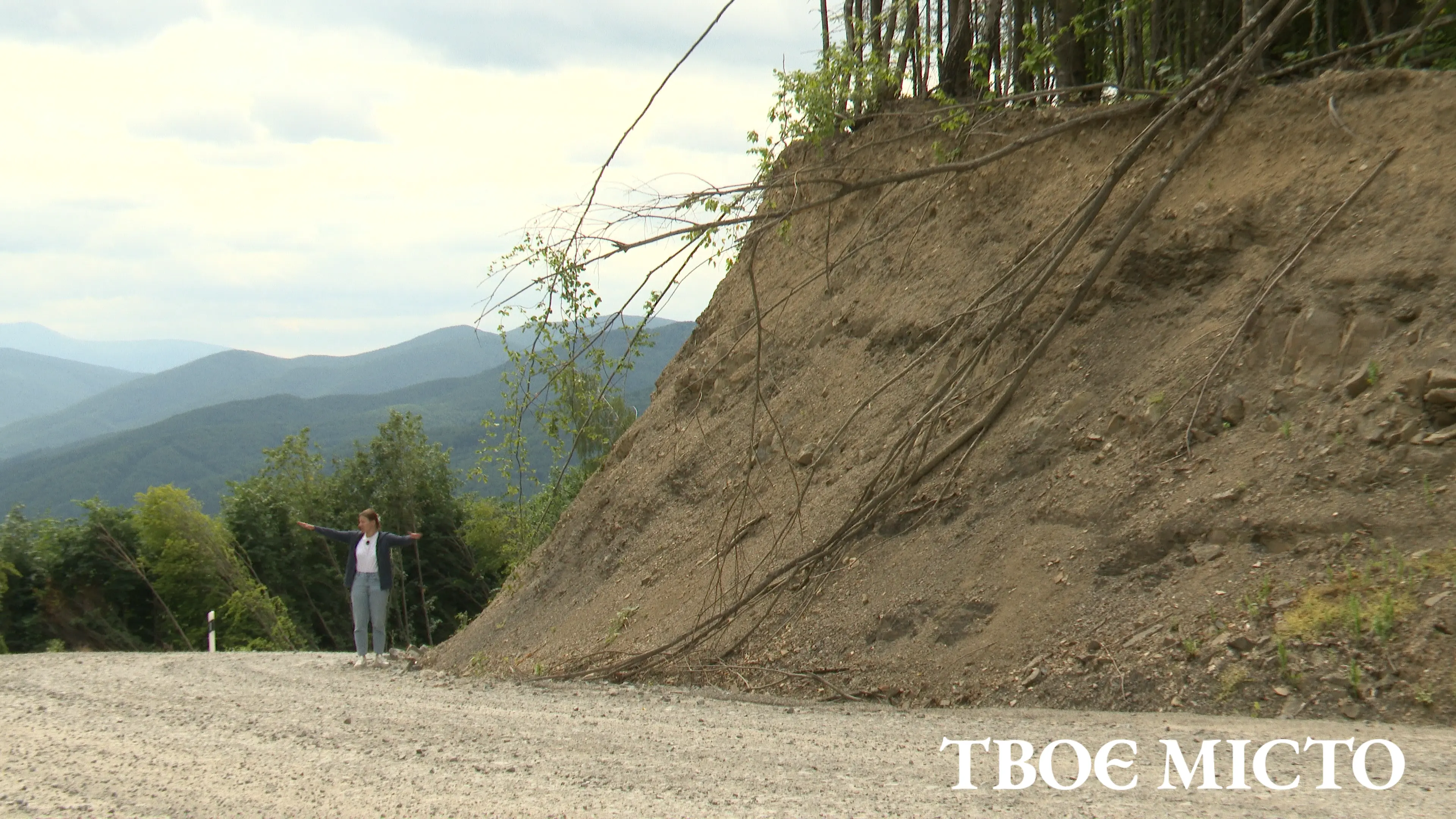
In fact, the main problem of building wind power plants in high mountains is the need to lay an industrial road – for bringing heavy equipment to the top, transporting turbines, and further servicing the wind farm.
"Is this what green energy actually looks like? When the wild nature of the Carpathians is destroyed barbarically and predatorily?" Kateryna reacts ironically.
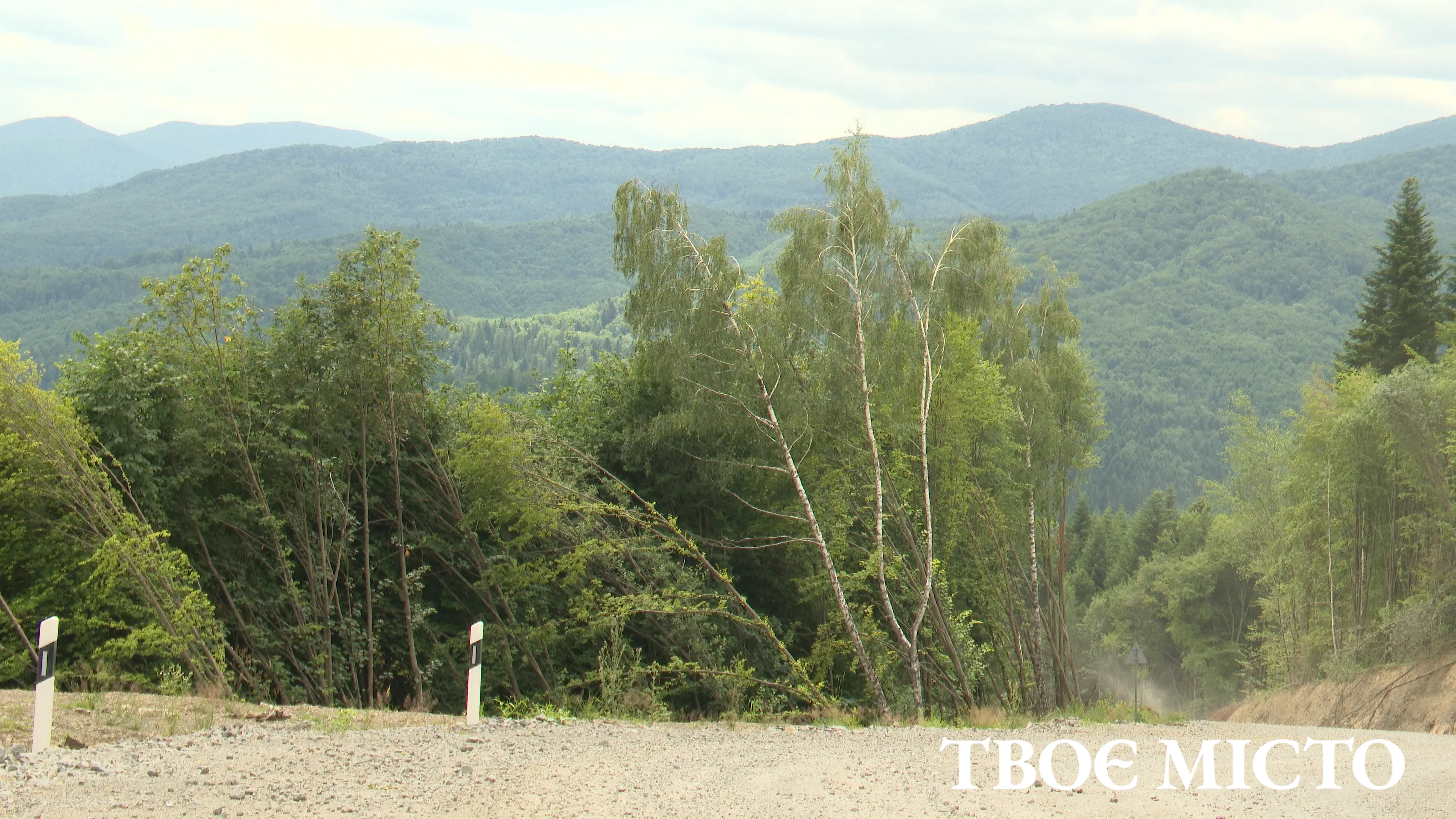
He adds that this is an "irreversible loss."
Court injunction to stop logging primeval forests that have already been felled
"That's it! For most people now, it's just a road. People driving here don't even know there used to be a primeval forest here", Kateryna states with despair as another car passes us on the way to the meadow, raising a cloud of dust behind it.
We are already higher up the ascent, where a section of valuable beech primeval forest used to pass. But it was also affected during the road construction.
"They simply have nothing sacred! Primeval forests are the most valuable areas and heritage of the entire Ukrainian people. It is untouchable territory that has not been logged for centuries, with not a single stump. And what do we see now?" the eco-activist reacts emotionally.
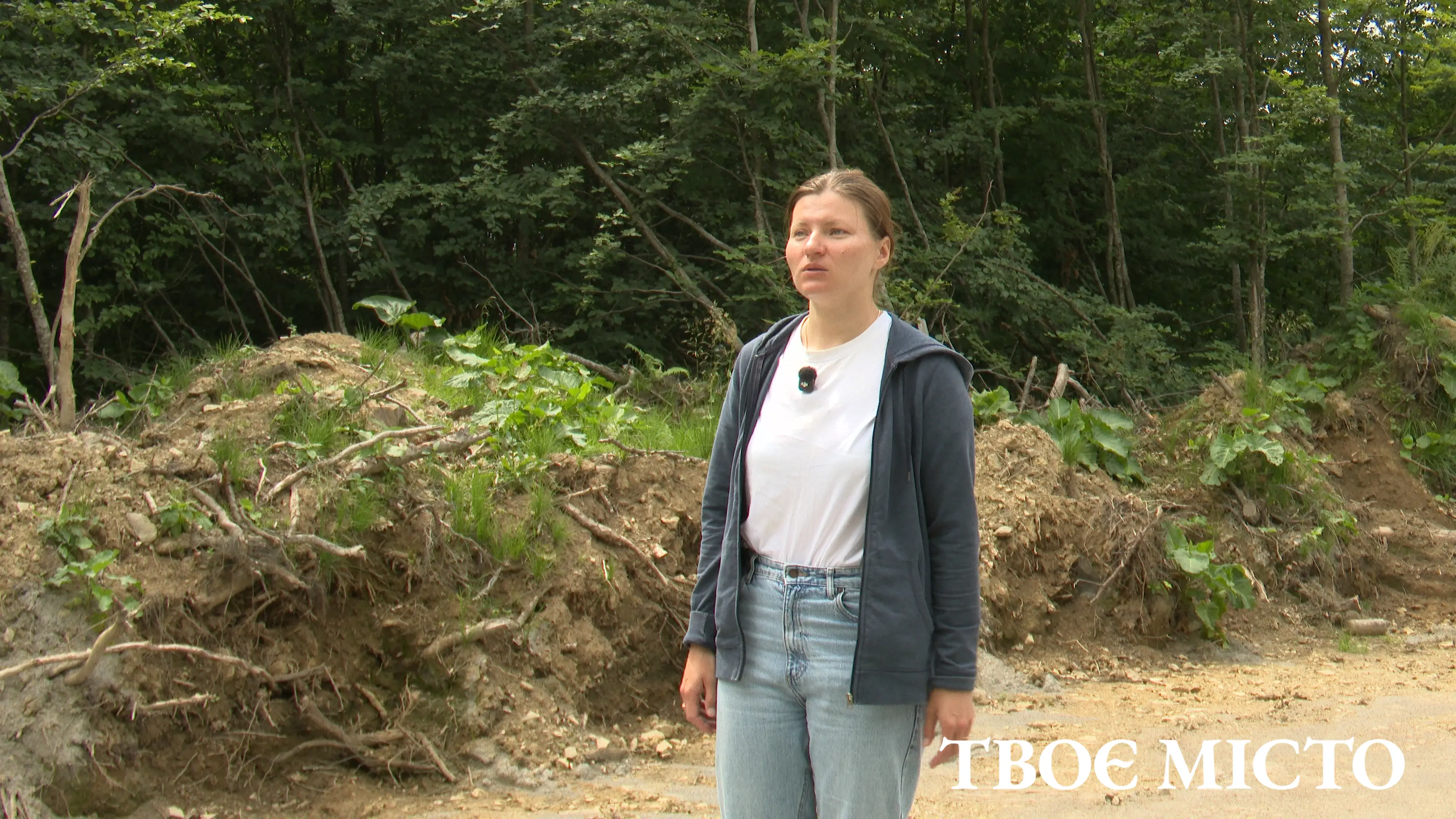
In July 2026, the Eighth Appellate Administrative Court finally revoked the permit for the clear-cutting of primeval forests for the construction of a forest road to the Runa meadow. However, this decision was too late – the trees had already been felled.
Ecologist Andriy Tupikov states that one hectare of beech primeval forest can hold up to 850 tons of carbon.
As a result, according to ecologists' calculations, the felling of forests during the construction of the wind farm on Runa released 76.4 thousand tons of carbon, and the destruction of meadows released another 12.9 thousand tons.
Construction sites on the meadow
The road from the forest continues through subalpine meadows. But in places, the high slopes of the dug-up soil create the feeling of walking through a tunnel.
Part of the turbine of the first future wind turbine is already visible from afar (as of September, it was fully erected, and the installation of the next ones is ongoing).
Workers engaged in installation are driving away motorcyclists from the construction site, who, testing the new road, stopped to look at what was happening.
"We don't like this either. Because they are destroying the Carpathians. So many trees have been destroyed", – says one of the drivers.
When asked that quads and motorcycles also negatively impact the ecosystem, he just smiled:
"Well, the damage from us, compared to what they have done, is a drop in the ocean."
He also complained that the developers, with their hard road, had spoiled their extreme motor-rallying experience.
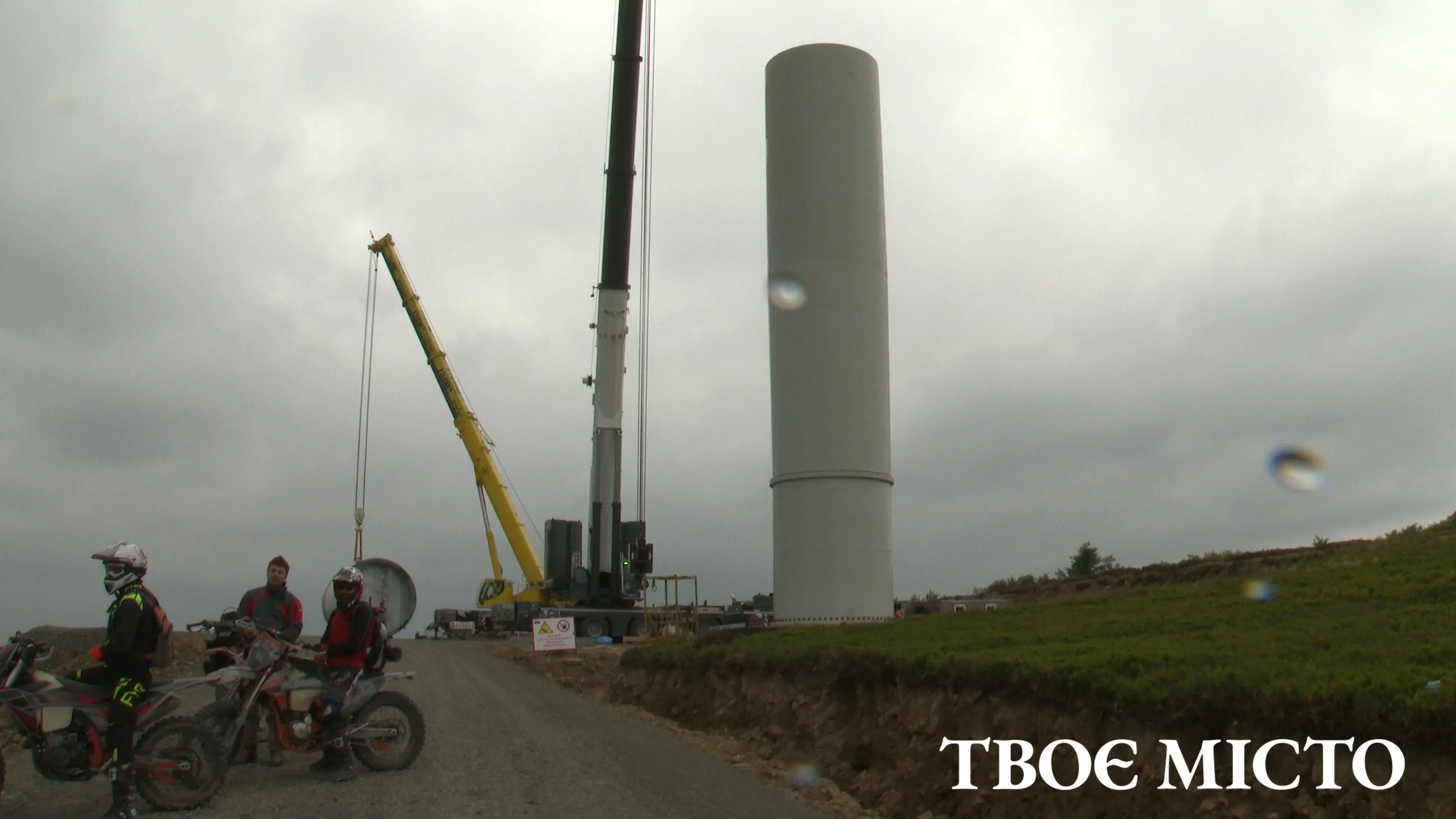
An employee also drives away eco-activist Kateryna, who is filming the construction:"Move away, it's dangerous here!" – persistently asks the man in protective clothing.
"We will move away. But you have destroyed such wild nature! This is worse than what the Muscovites are doing in eastern Ukraine! This is a shame and a crime!" – exclaims Kateryna in response.
To this, the man indignantly points to the meadows around:
"And this Mongolia – did we create that?!"
Kateryna is taken aback by such a claim about the lack of trees on the mountain meadow – implying that someone must have cut them down.
"This is a natural mountain meadow! Alpine pastures. Meaning the employees who are supposed to ensure the environmental friendliness of the construction process don't even understand the basics."
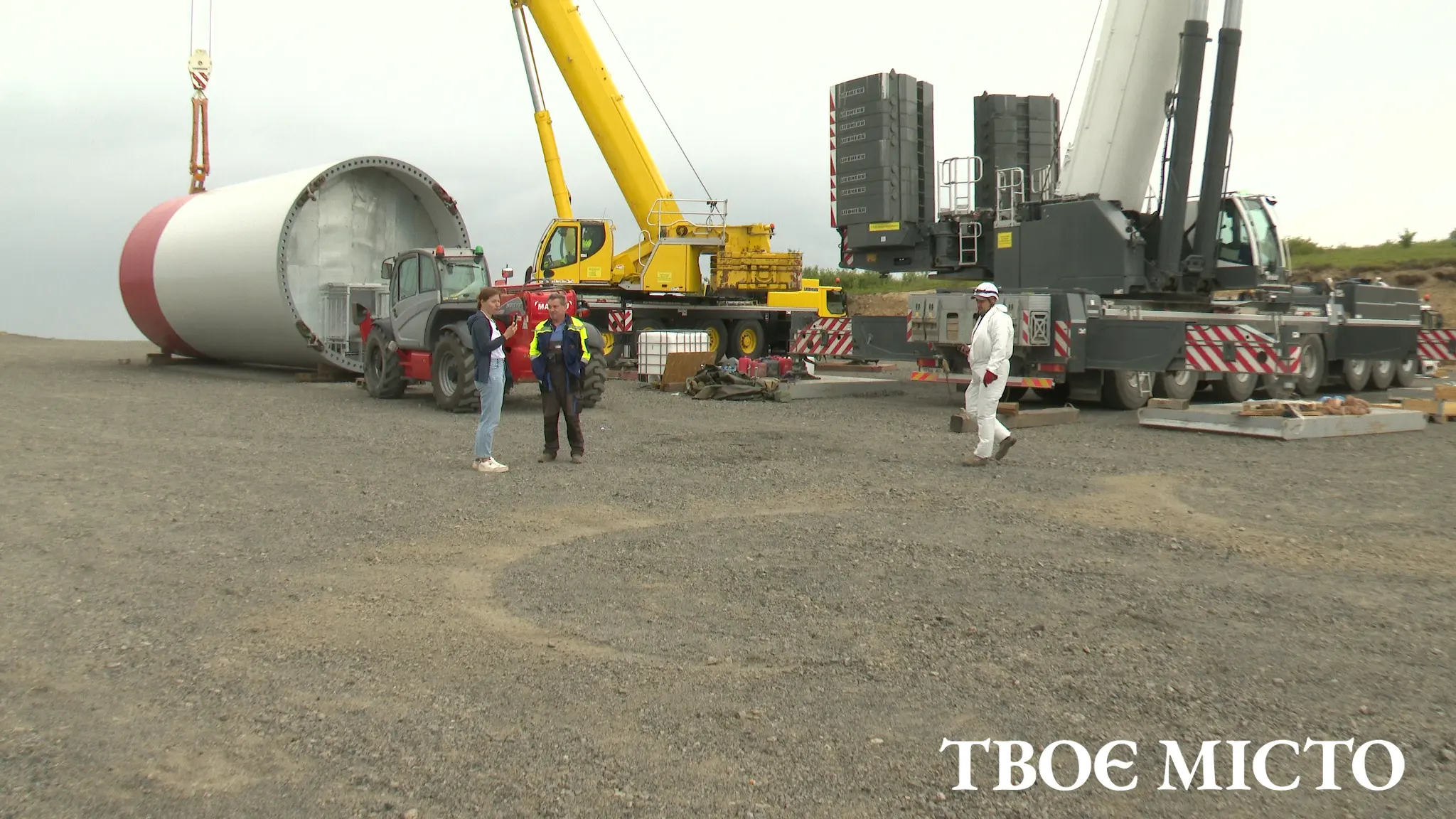
For the installation of each turbine, an excavator first removes the topsoil in an area of several hundred square meters – to level the mountain terrain. Then, it is covered with crushed building materials so that heavy machinery can operate. After that, a large reinforced concrete ring is installed – the foundation for the turbine.
In total, there will be dozens of construction sites here, as thirty turbines are being placed in different areas of the mountain meadow. This involves hectares of removed soil.
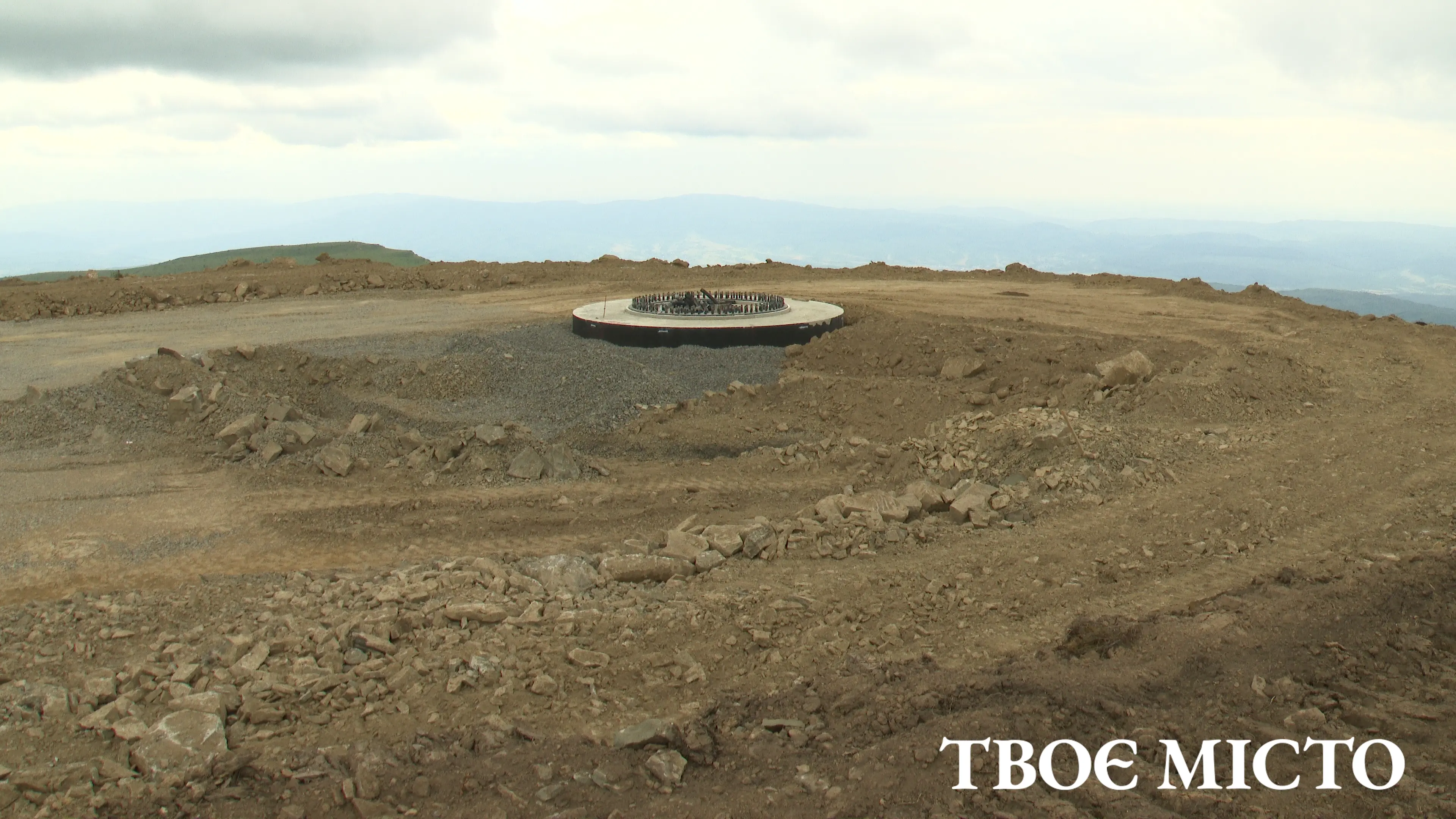
"The soil layer here is thin, so any activity accelerates the erosion process. The destroyed geological structure cannot be restored. Meaning they are fundamentally destroying this natural area", – Kateryna appeals to the developer's previous promises to carry out reclamation and restore the natural environment later.
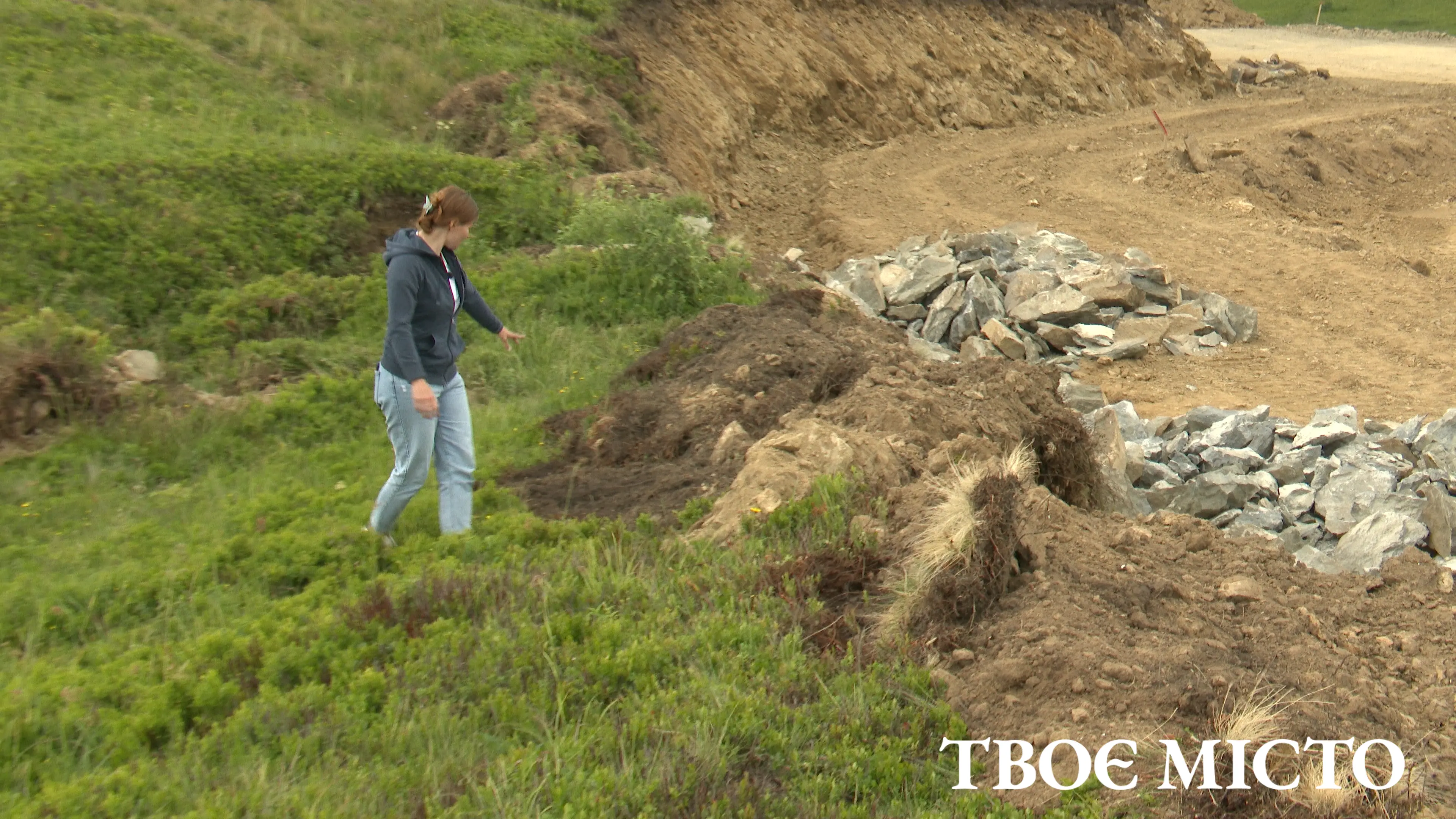
"The same fate awaits another seven mountain ridges."
On the way down, Kateryna and I stop by a mountain stream. However, we don't see any water here.
"A mountain stream used to originate here, its course has been destroyed. Now everything is littered with construction materials, meaning the ecosystem is ruined. No measures were taken to preserve the stream's course and the species living here. Although, according to the Water Code of Ukraine, the entire basin of small streams and rivers must be protected", – Kateryna Polyanska indignantly states.
But the most striking picture nearby is something else – a long and wide corridor of a newly created wasteland among the forest, where the soil is mixed with wood debris. A route for a power line is being laid here.
But a wind farm in the highlands is not just about towering turbines on the summit and a new road to them. To connect them, an 18-kilometer power line is designed along the entire ascent. Therefore, the forestry enterprise has already begun large-scale logging.
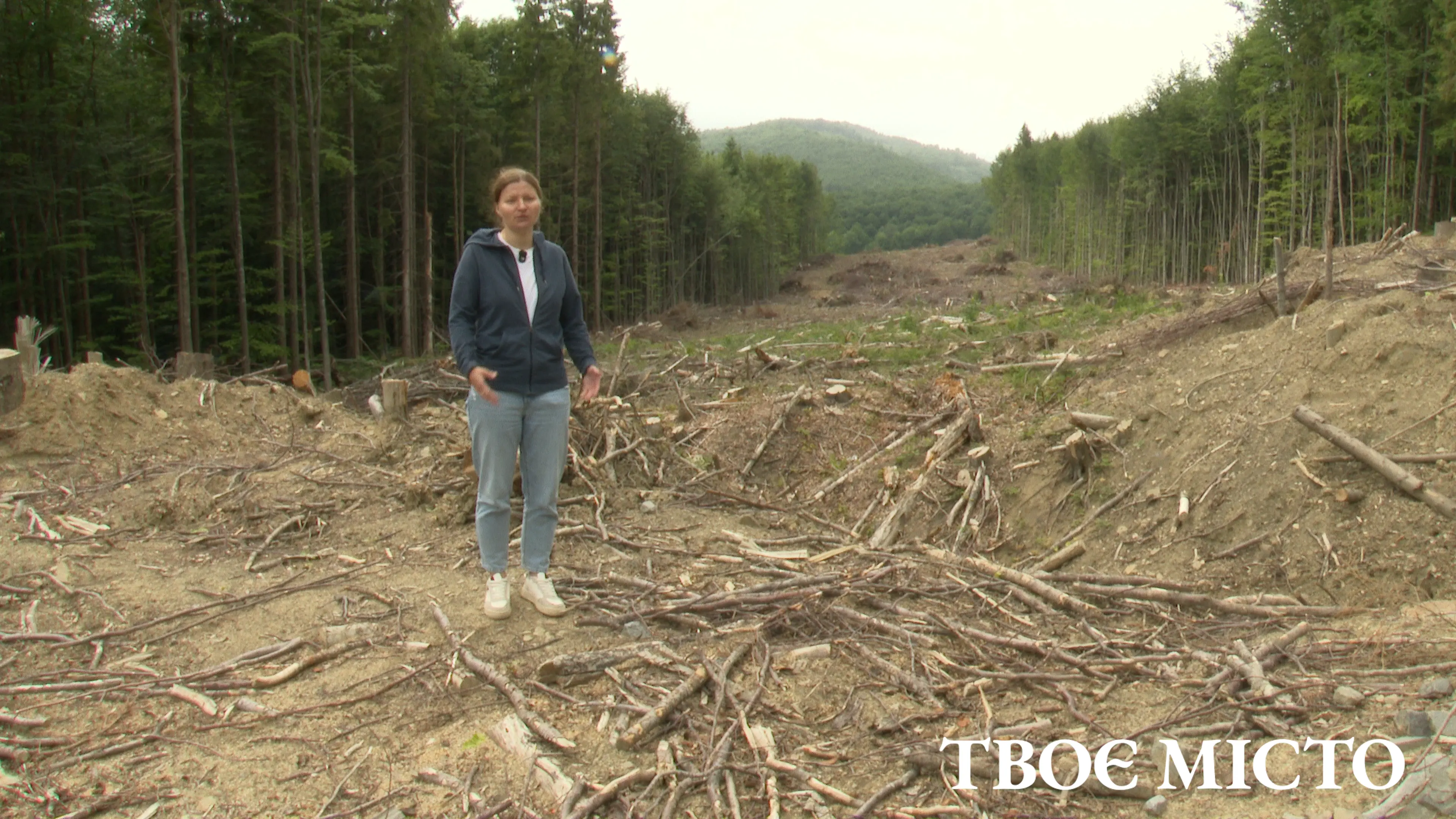
"And the same fate awaits another seven ridges of the Ukrainian Carpathians, where they want to build wind power plants. This is a predatory scheme – to destroy the natural heritage of the entire Ukrainian people under the guise of developing 'green energy'", – Kateryna summarizes, looking at the strip of cleared forest.
Kateryna reminds that the Carpathians occupy only 4% of Ukraine's territory, and mountain meadows – a tenth of the mountains. According to her, it is more practical to build wind farms on flat agricultural lands, which make up over 70% of Ukraine.
Proponents of building wind farms in the mountains, on the other hand, refer to European experience.
At the same time, ecologist Andriy Tupikov says that only 3% of European wind turbines are built in mountainous areas. In Germany, it's 0.1%, and in Poland, according to his data, there are no wind farms in the mountains at all.
Meanwhile, Ukraine considers the Carpathians one of the main locations for the development of wind energy, which, according to ecologists, contradicts its European integration intentions.
"We must approach the EU not only by legislation but also by observing the political documents that operate there. The European Union has a goal that about 30% of territories should become protected areas. But Ukraine is very far from this goal", - says Olga Melen-Zabramna, a lawyer at the Charitable Organization "Ecology-Law-Human Rights".
Indeed, as of today, less than 7% of Ukraine's territory belongs to the natural reserve fund. But there is potential to increase this share to 24% if valuable territories can be preserved.
"Back in 2006, we adopted a strategy for the development of the natural reserve fund. But over all these years, it has not been implemented. We can only hope that the European integration process will help to protect very valuable lands and not wait until they are destroyed by business", - adds Olga.
By the way, on July 8, 2026, the European Parliament adopted a resolution, in which it criticized the construction of wind turbines in the highlands of the Carpathians.
Three percent of profits and sweets for children
The community "Free Svydovets" indicates, that within the Zakarpattia region alone, the construction of seven wind power plants at an altitude of over eight hundred meters is planned. They say this is the number of locations mentioned in the changes to the regional planning scheme. But when activists submitted requests to state authorities for the exact locations of future construction, they were denied this information.
It is known that on August 15, 2025, the Zhdeniivka village council made a decision in favor of another wind power plant construction, approving the allocation of about 216 hectares of land on Mount Hostra and the Verkhovynskyi Vododilnyi mountain range.
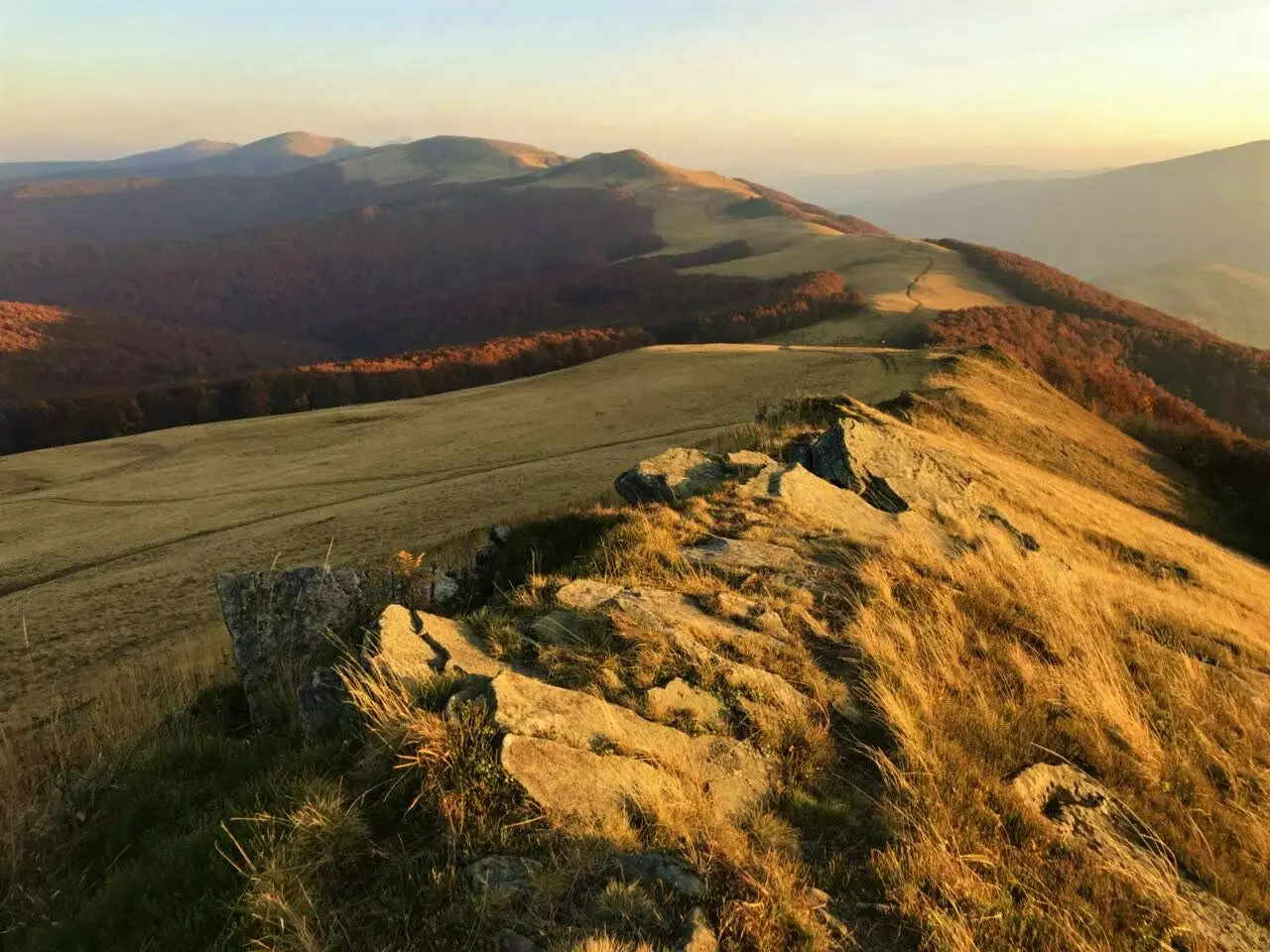
The village council explained the positive vote by the benefits for the community. This is because representatives of "Vetrovi Parky Ukrainy" LLC promise to pay communities that allocate land for wind turbines 2-3% of the profit from the sale of electricity.
For example, the Tur'ye-Remetivska village council, which allocated plots on the Runa meadow in 2024, is expected to receive up to 50 million hryvnias annually. These funds are planned to be used for the development of local infrastructure. In addition, the head of the village council, Nadiya Devitska, previously reported reported, that the developer of the meadow presented sweet gifts to elementary school students and bought an accordion for the music teacher during the Christmas holidays.
The Yaremche city council also approved the probable construction of wind power plants on its lands. In the spring of 2026, deputies voted for a memorandum on research for a future wind power plant on Mount Syholka and three meadows in the village of Mykulychyn in the Ivano-Frankivsk region.
Incidentally, earlier investigative journalists found out, that the developer company "Vetrovi Parky Ukrainy" LLC is associated with the former MP and ex-Party of Regions member from Kramatorsk, Maksym Yefimov, as well as Eduard Mkrtchan – the son of Oleh Mkrtchan, former general director of Industrial Union of Donbas corporation, who was sentenced to nine years in prison in Moscow in 2019 in a case of large-scale fraud. Eduard Mkrtchan also owns Furlender Windtechnology LLC, which produces equipment for wind power plants and has already begun installing it at Ruyne.
Photos by "Your City" and from social media
*This publication was prepared with the financial support of the European Union. The content of this material is the sole responsibility of the editorial office of "Your City" and under no circumstances can be considered as reflecting the position of the European Union.
Full or partial republication of the text without the written consent of the editorial office is prohibited and is considered a copyright infringement.

Related News