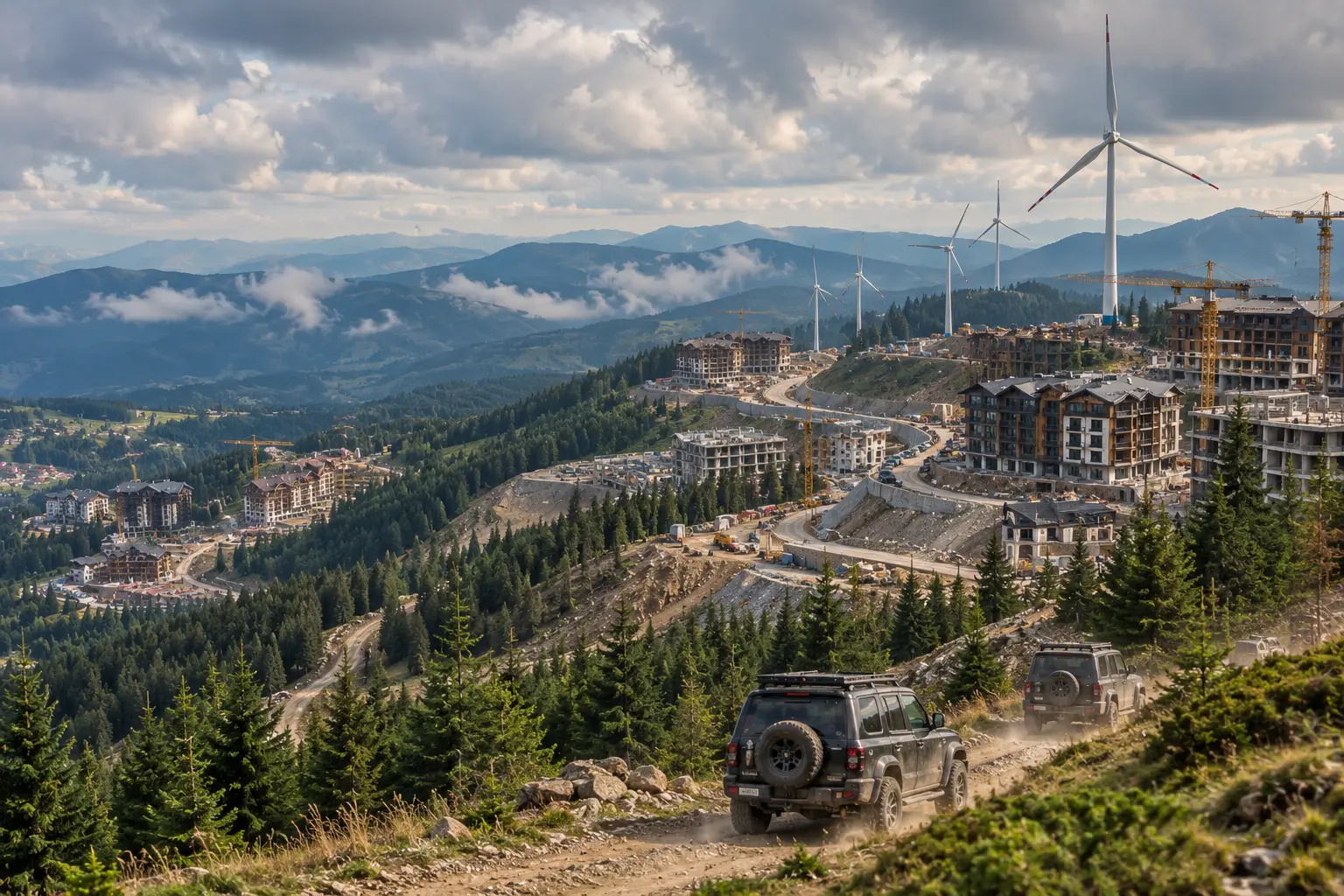
'We are not building Manhattan in the mountains.' How to develop the Carpathians and not destroy them
28 September, 20:35
28 September, 20:35
There are laws, but they are being sabotaged
Today, the region has to balance between the challenges of the energy crisis, the needs of relocated businesses, and its own status as a recreational zone with unique European ecosystems. Ecologist, leading expert of the Ukrainian Nature Conservation Group (UNCG), Candidate of Biological Sciences Andriy Tupikov is convinced that legislative safeguards exist, but they are not being implemented.
A telling example, according to him, is the fate of a petition to save the Carpathians, which he initiated six months ago. The document gathered over 26,000 votes, the President signed it and gave instructions to the government. At the last Carpathian Summit, the President stated that the Carpathians must transform. "Six months have passed. And what do we see? Complete sabotage of all the petition's demands. Nothing has been done. So my question is primarily to the President: why sign the petition and task the government if now we see the decision of the state apparatus – to break the Carpathians by force and disregard public opinion, international obligations? For what? Just to direct some investment flows to Ukraine?" Tupikov asks.

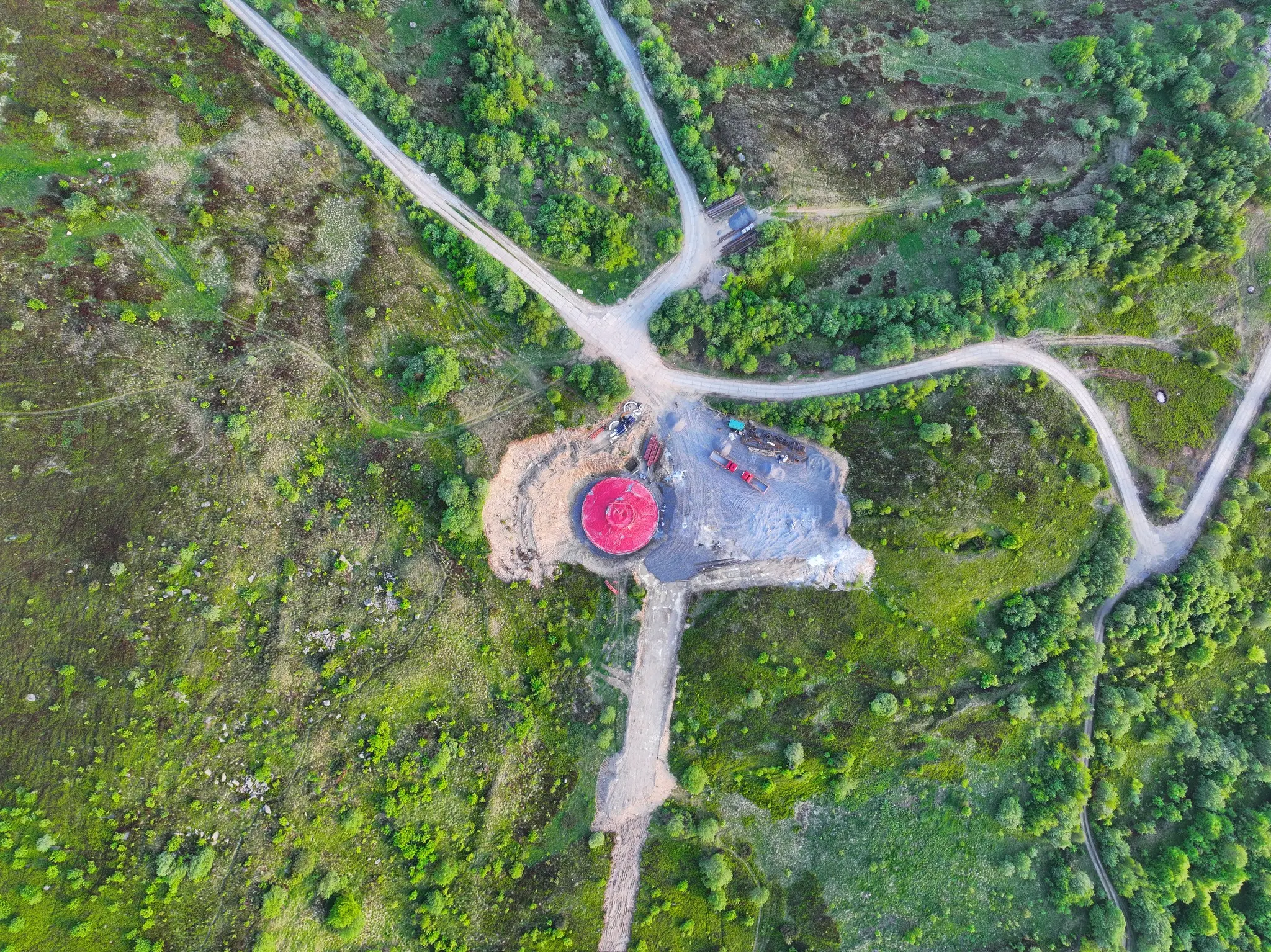
The most high-profile case is Runa meadow. The environmental impact assessment conclusion, according to the expert, contains many inaccuracies and gaps, and the project was divided into parts using the "salami-slicing" method – a favorite, as he puts it, of former minister Sobolev. "An illegal road has been built. We have a court decision stating that the logging permits issued for the destruction of valuable primeval forest areas to build the road were illegal, but the forest cannot be returned."Tupikov emphasizes.
The promised post-project monitoring is absent, and the prosecutor's office and eco-inspection are not responding to appeals. The inspection refuses to inspect, because the appeal was filed by a public organization, although the Constitutional Court equated such appeals with citizens' appeals, and they used to conduct inspections based on them. Officials' words diverge from actual actions in other projects as well. "During the construction of the power line road, we saw loud statements from the Ministry and the State Enterprise 'Forests of Ukraine': the entire leadership said they were stopping logging. But three weeks ago, they simply cut everything down. Their words are a complete zero, because they make public promises, which are easy to verify. We say we will preserve the Carpathians, and at the same time, we are planning new roads, cutting down primeval forests.".
Communities choose off-roading and wind turbines instead of nature protection
How does the state respond to the disregard of laws and what are the possible solutions to the problem? Oleh Bondarenko, Member of Parliament of Ukraine, head of the Verkhovna Rada Committee on Environmental Policy and Nature Management, emphasizes that the situation is much broader than Runa meadow and often lies in the position of the local residents themselves.
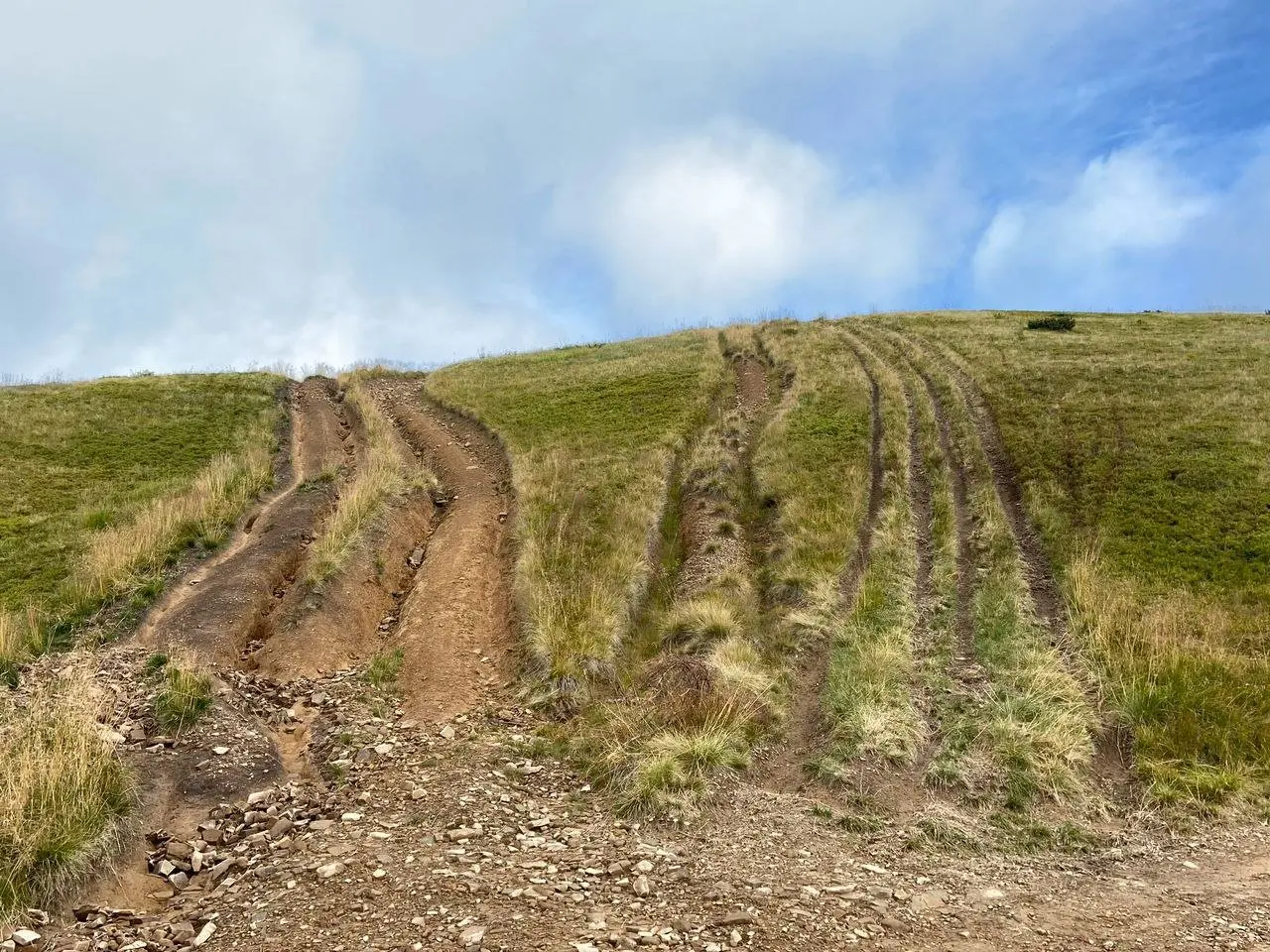
As an example, he cited sanitary logging in national parks. Park directors, according to him, "look at the floor" when asked what is wrong with the beech trees. This is because, in reality, these logging operations are a way to fill the park's budget and fulfill agreements with communities that need firewood due to a lack of gas. The same applies to off-roading. Bondarenko is categorically against it "in any form on the territory of the Carpathians," not only in the protected areas but also in the forest areas where red-listed species grow. "Off-roading is the destruction of the Carpathians. But when, as in Yaremche, the inspection starts to ban off-roading, the first ones to defend the off-roaders are the communities."he explains. The draft law on banning off-roading, which came from the ministry two years ago, "doesn't work," as he had warned, so the changes need to be strategic, not piecemeal.
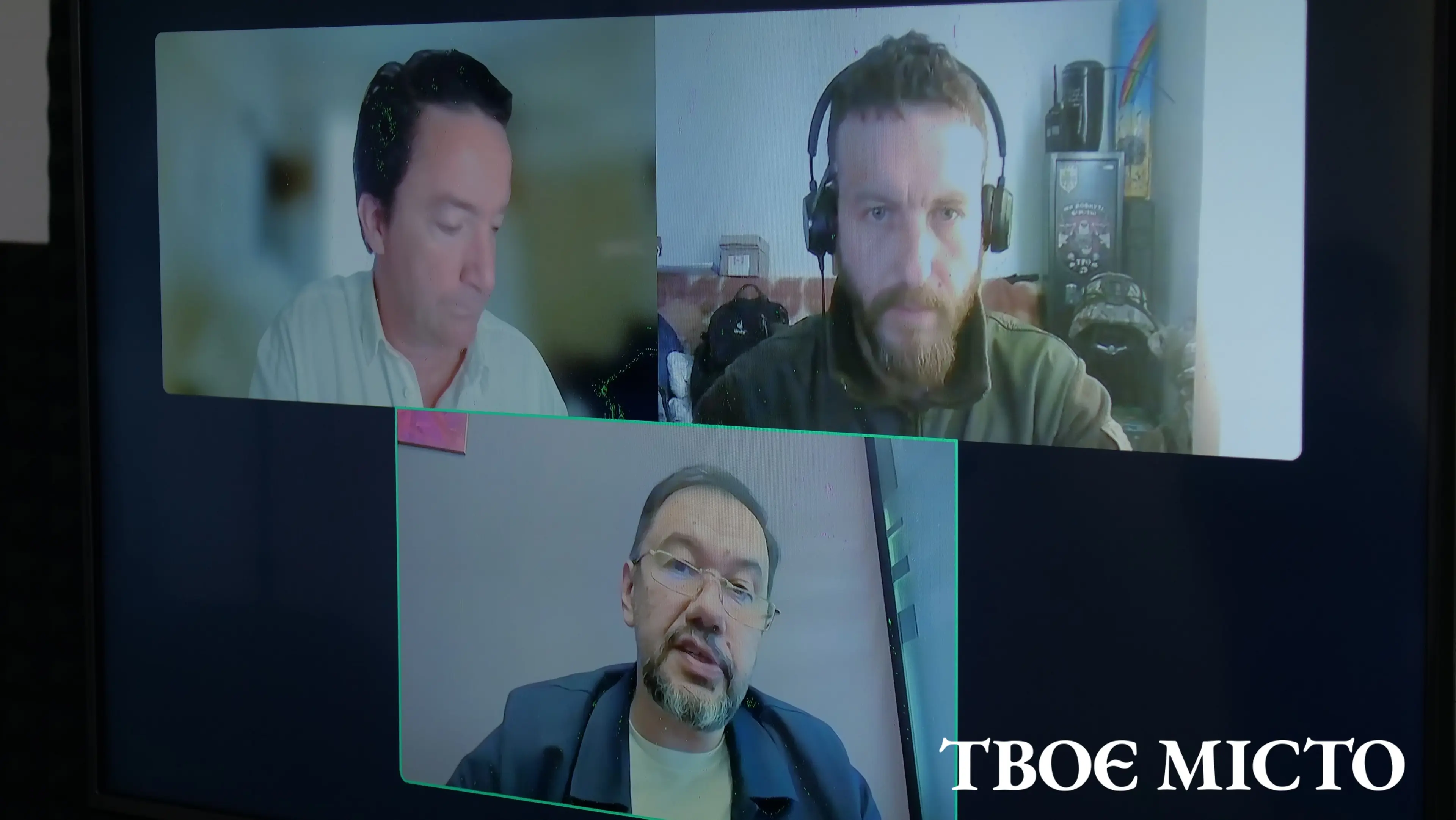
Regarding Runa, the committee chairman admitted that state bodies abused their power when issuing permits. Following a field committee meeting, relevant departments, including DIAM, Ministry of Reconstruction, and Ministry of Infrastructure, acknowledged the unacceptability of dividing the object into parts for separate applications. At the same time, Bondarenko believes that the President's words were "somewhat distorted": no one spoke of total development of the Carpathians; it was about the region as part of the country's potential, particularly energy.
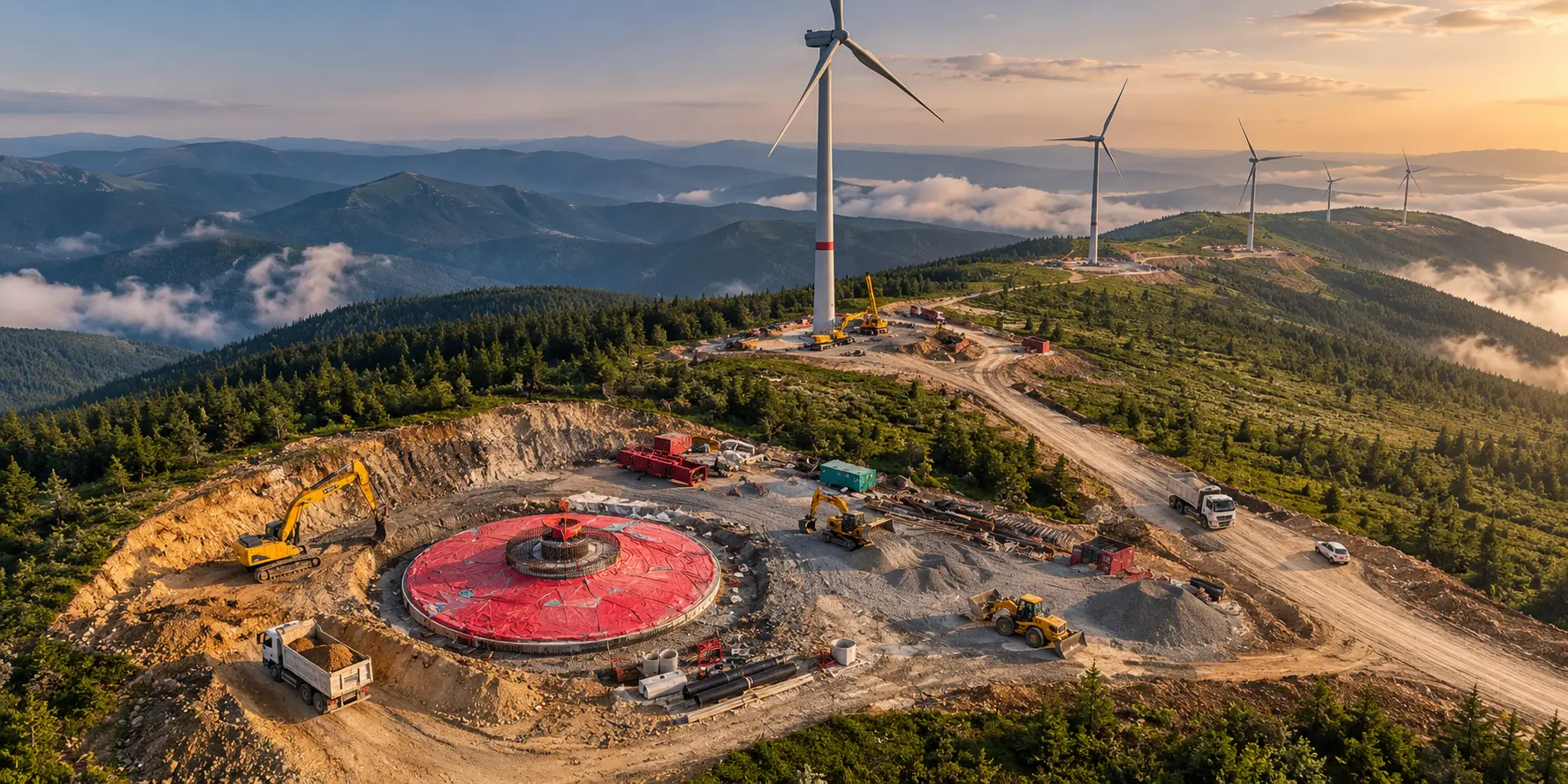
Does he support the development of wind turbines on seven out of twelve Carpathian ridges? Bondarenko explains that all procedures and environmental impact assessments conducted legally, under current legislation, do not provide grounds for prohibition. Therefore, the question needs to be asked more broadly – he says: "Do we accept the concept that the Carpathian ridges are inviolable and special territories where no development can occur under any circumstances? If so, let's convene large meetings, round tables, public discussions, and move in this direction."Otherwise, the public will keep looking for grounds for appeal, and they will become fewer, because somewhere there is a territory of the Emerald Network, somewhere the Red Book, and somewhere there is nothing.
According to him, it was the community of Runa meadow that chose energy supply over nature conservation and agreed to the location of the facility. Moderator Taras Yatsenko drew attention to the dubious nature of such a choice: the community receives 3% of the revenue from energy, about 50 million hryvnias per year, while the head of the enterprise gives candy to children for New Year.
Bondarenko attributes this problem to the shortcomings of decentralization. "Unfortunately, when granting powers to communities within the framework of decentralization, we did not establish any mechanisms to control the implementation of legislation. When we raise this issue, they tell us: 'Do not interfere with decentralization, it is going well.' However, the principle of 'a bad head will not be elected in the next convocation' does not work: by the time a bad head stops doing something, a year or five might pass, and it will be completely destroyed. Therefore, we need public support for effective control mechanisms.", â– summed up the parliamentarian.
How the Law on Mountains Saves from Chaotic Development
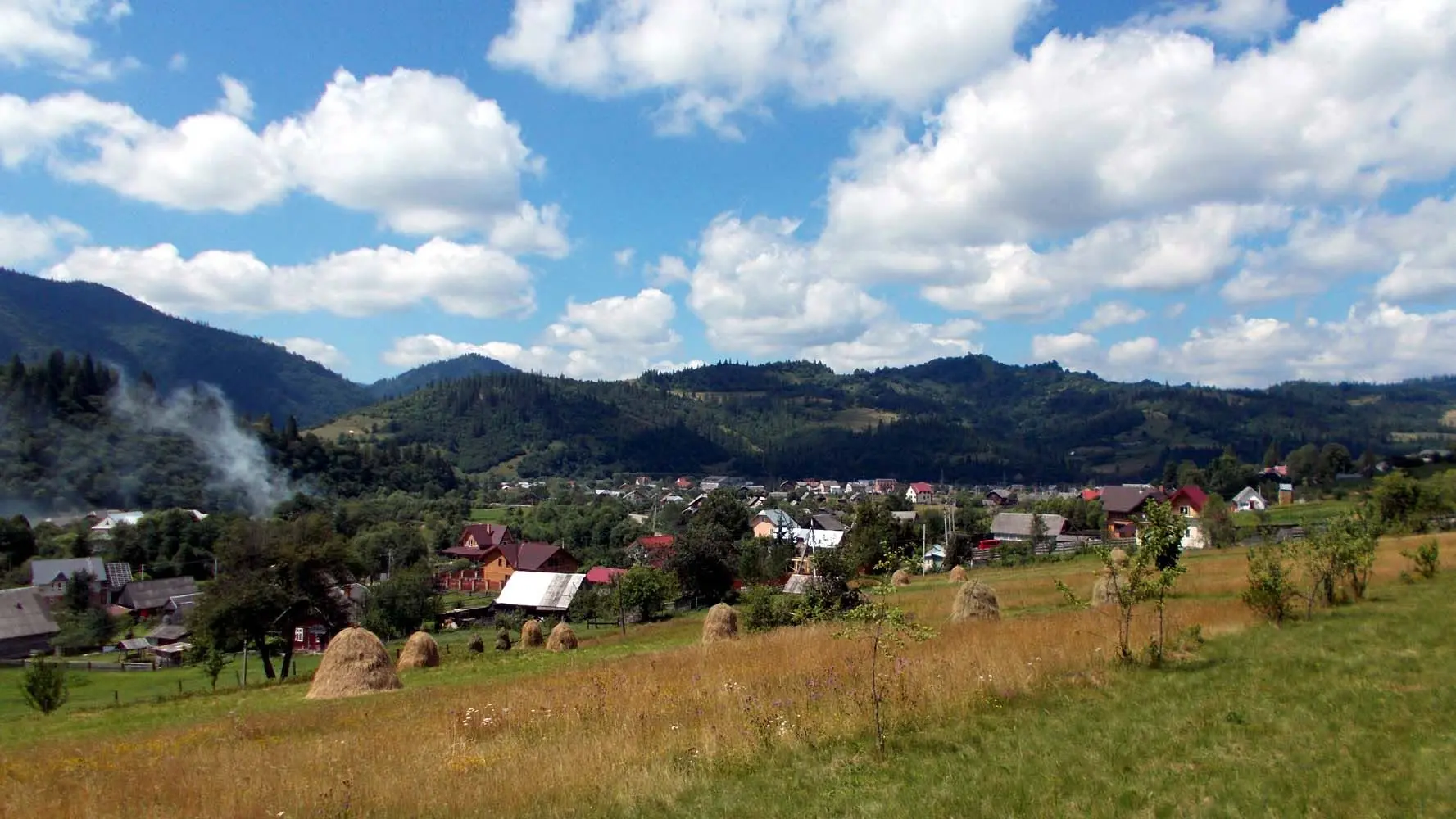
French architect and urban planner Martin Duplantier, who is working on the Olympic Village project for the 2030 Winter Games in the French Alps, spoke about the European experience. He reminded that the Carpathians occupy only 4–7% of Ukraine's territory, and this is its most valuable natural asset. "It may seem that developing the mountains and maximally utilizing them infrastructurally is a good solution because it develops the economy, brings taxes and additional profit. But in the long run, you lose one of your most valuable assets. You have gold in your hands.", â– emphasizes the expert.
Read also: Environmentalists report irreparable damage to the Carpathians on the Runa ridge
In France, everything that can be done in the mountains has been regulated by the Law on Mountains (Loi Montagne) since 1980: design, construction, new roads, logging. The basic rule is continuity: new construction is only possible as an extension of an existing village, which prevents scattered development on slopes. Building near lakes is generally prohibited within a certain distance, and changing the land use purpose of agricultural land is only possible with a special permit that must be stipulated in planning documents. Therefore, according to the architect, mountain resorts with a small proportion of forest, which he saw in Ukraine, are impossible for France: at a resort, the forest must remain the main part of the territory.

Another level of protection includes national parks (there are significantly more of them in France than in Ukraine), regional parks with buffer zones, and the European Natura 2000 network – an analogue of the Emerald Network, which requires an impact assessment for any project. To monitor the implementation of the law and coordinate all stakeholders, France has created separate state agencies for each of the mountain regions (Alps and Pyrenees) with four tasks: project development, regional image, biodiversity conservation, and communication among all parties.
Duplantier applies these principles in his work on the Olympic Village as well. "We are forced to do everything exclusively in connection with the village, which already has its own infrastructure. All new buildings have a unified design code of the Alps. This is low-rise construction, no more than two floors, and forest preservation.", â– he explains. Nature remains the number one priority, and buildings are integrated into the landscape, not the other way around: "We are not building Manhattan in the mountains."
How Ecology and Economy Are Balanced in the Regions
Yuriy Shpontak, Director of the Department of Ecology and Natural Resources of the Zakarpattia Regional State Administration, recalled that the community had been working on a detailed plan for several years, formed plots, and transferred them to a developer who began design work and impact assessment. Court proceedings halted the review of permits. Last year, after an on-site meeting, the State Inspectorate for Architecture and Urban Planning changed its position: wind turbine foundations are no longer considered separate structures.
Overcoming off-roading proved extremely difficult. "No inspector will chase that jeep or quad bike through the forest or meadow.", â– states Shpontak. Communities defend this business because they see development in it. The police and environmental inspectorate respond to egregious cases: an off-roader who threatened tourists was taken into custody, and in another case, a fine of 20,000 hryvnias was imposed. Another problem is the unwillingness of communities to create new national parks due to strict restrictions and the loss of land tax, and there are communities where a national park occupies over 70% of the territory.
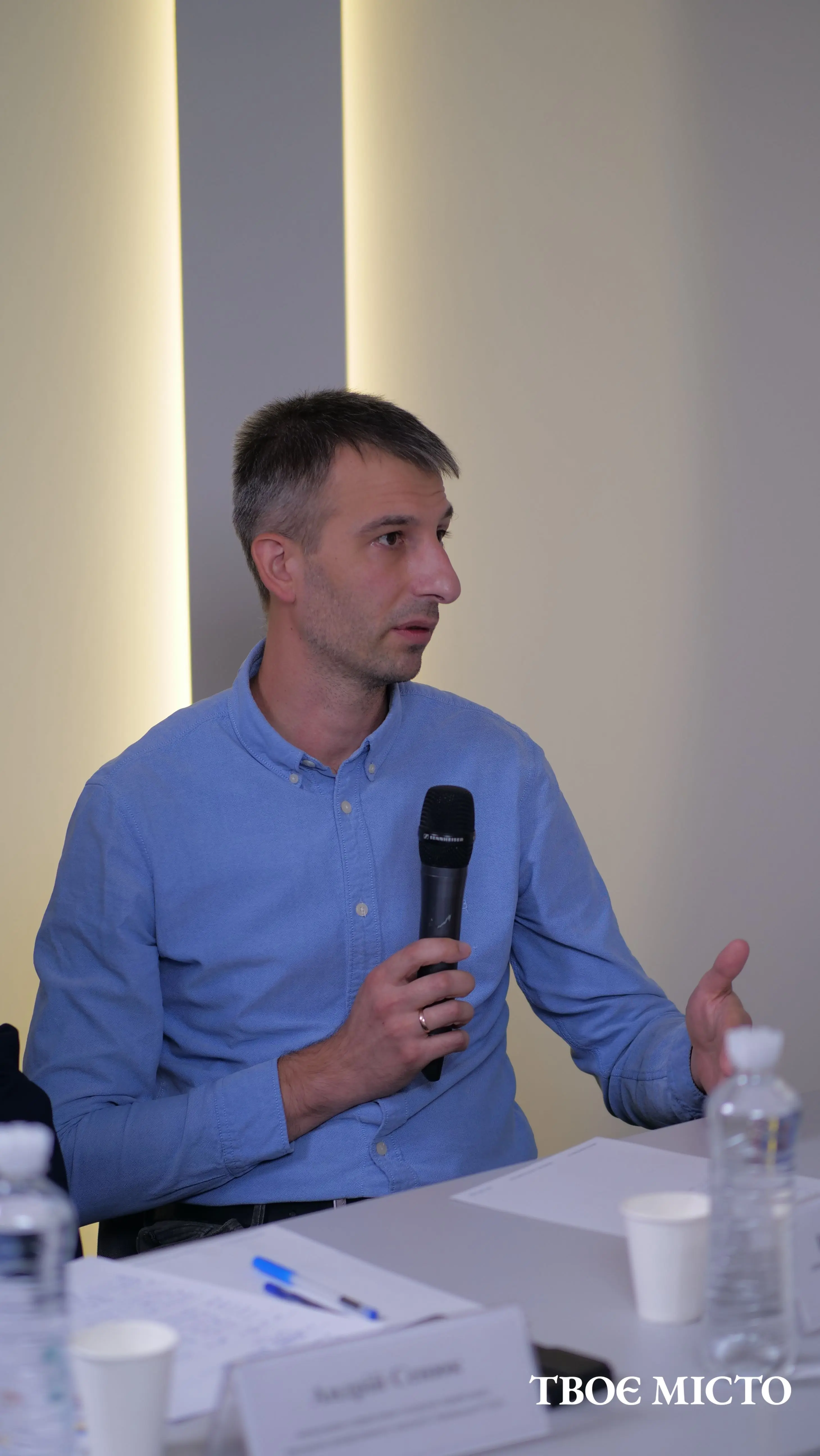
Andriy Senyuk, head of the Department of Natural Resource Protection of the Lviv Regional State Administration's Department of Ecology and Natural Resources, noted that the Carpathians occupy about 25% of the region's territory, where 12 mountain communities are located. During the war, when access to the sea is closed, the mountains have experienced significant tourist pressure, and some villages still lack proper roads. They are being repaired with various budgets, including funds from the Interreg Ukraine–Poland program. "The Lviv Regional Administration views the Carpathian territory not as a battle between economic factors and nature conservation, but as the formation of a balanced system for the development of mountain territories. That is, one must look from three perspectives: nature conservation, economic development, and the social block, because people live in this territory.", â– emphasizes Senyuk.
Read also: The Carpathians Under Threat? What to Do Now to Save Them
The region pays considerable attention to primeval forests: from 2019 to 2026, 13 primeval forest nature monuments were created on an area of 732 hectares, with four more in preparation. In some communities, such as Skolivska, the proportion of the protected natural area fund reaches 57%. As an example of preserving valuable territories, the official cited the Verkhovyna Watershed Ridge: "There is a quite interesting territory with 18 Red Book species, 11 of which are endemics that grow only there."The documentation project was prepared free of charge by Ivan Franko National University of Lviv, and the head of the Lviv Regional State Administration, Maksym Kozytskyi, submitted the package for an area of 403 hectares to grant the ridge protected status.
Business in the Mountains: A Compromise Between Tourist Influx, Development, and Off-roading
Rostyslav Mykhalchuk, Development Director of GORO Mountain Resort (OKKO Group company), is convinced that one should not ask 'either/or': development and nature conservation can be combined if there is a three-way dialogue between environmentalists, the community, and the state. The C8 initiative, despite differing attitudes towards it, offers an opportunity for infrastructure development. In particular, he mentioned roads to remote villages, as the road fund "leaves much to be desired," and the completion of the "Malyi Karpaty Kolo" (Little Carpathian Circle) project.
The company positions its resort as all-season. "No financial model can withstand an exclusive focus on winter.", â– explains Mykhalchuk. The emphasis is on interaction with nature: hiking trails, cycling tours, downhill mountain biking, a bike park. The resort should not become an "oasis behind a fence," so the business helps the community find funds for water supply and sewage systems, jointly cleans rivers, and launches educational programs. By 2030, they expect a tourist flow of about a million people here.
Jeeping remains an acute problem, which has become the only source of income for many local residents. Within the complex, Mykhalchuk assures, there will be no jeeping or quad bikes. He offers a compromise for local entrepreneurs. "Guys, fine, you can create your routes, agree on them, but you won't drive on our territory. Let people, if they wish, walk to our locations and then return to you.", - he says. It is more difficult with groups of jeepers from other regions who come for the weekend as "guests": "It's much harder to regulate this issue with them than with locals.".
The French architect did not even understand the word "jeeping" before the discussion, the moderator noted, and Mykhalchuk agreed: it is primarily a matter of public consciousness.
Regarding construction, the developer chose an "organic development" approach. Eight years passed from the idea to the start of construction, during which the company involved European partners to minimize interference with the ecosystem. "We try not to adapt nature to our needs, but to adapt our projects to it. Many chase profit: more square meters, more floors, denser construction. We are building the first group of hotels in a cascade, five floors high, so that the lower, middle, and upper ones do not block each other's views.", - says Mykhalchuk. The underground parking was initially proposed to be cast monolithically above ground, but European colleagues advised starting from the low ground and reaching road level, so only two floors remained above it. The construction density of the first phase is about 20%. "We probably overpaid a bit for the projects, but these solutions allow us to save on construction itself.", - he adds.
Myths surrounding jeeping and the danger of development
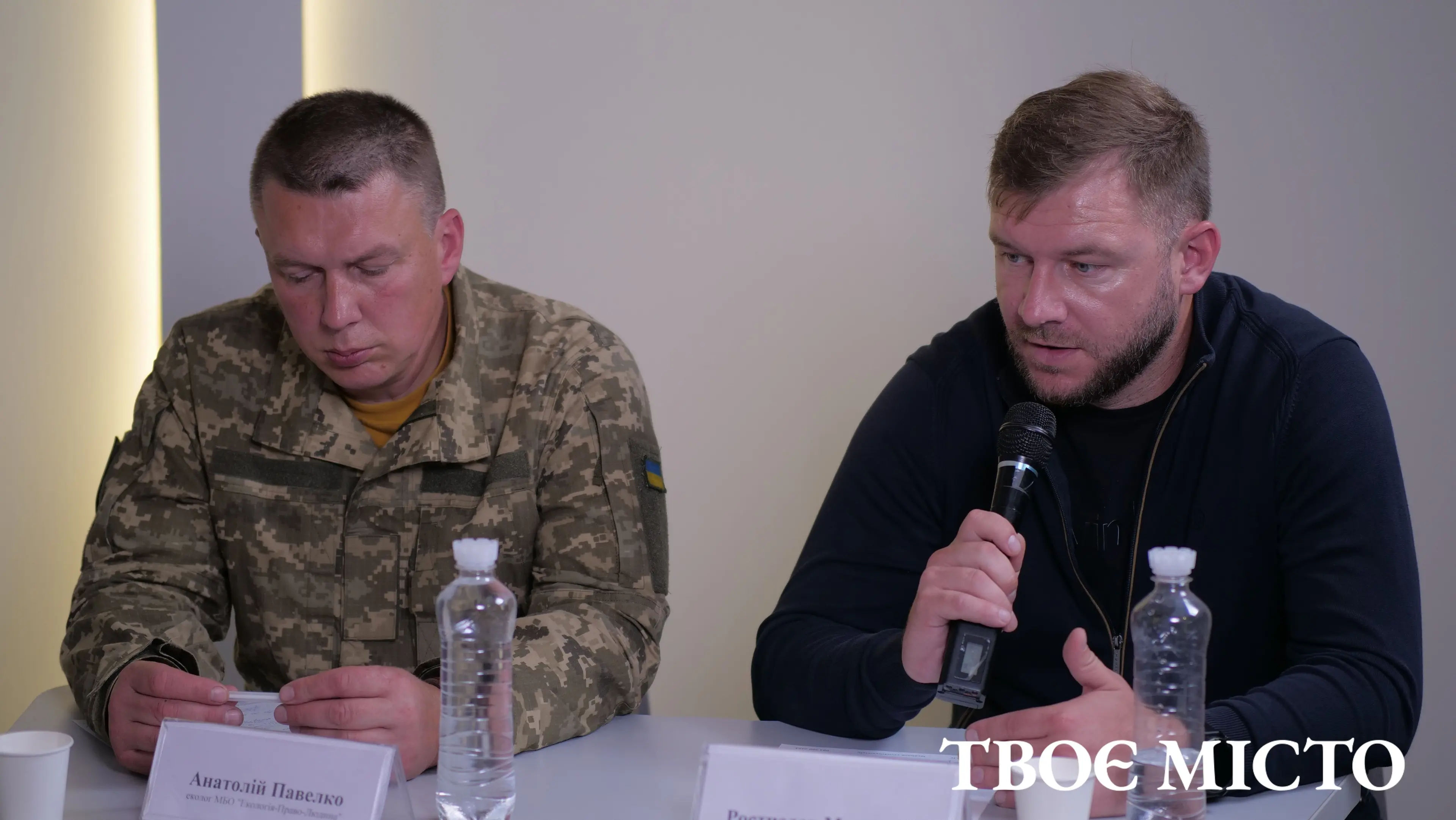
Anatoliy Pavelko, an ecologist at the NGO "Ecology - Law - Human," emphasizes that the problem of preserving mountains depends on the consciousness at all levels: citizens, heads of authorities, businesses, and high-ranking officials. As an example, he cited a school where his children study: they offered trips to Slavske with jeeping as entertainment, without explaining any prohibitions or harm to the environment. He calls the theses about "age-old traditions" a myth:
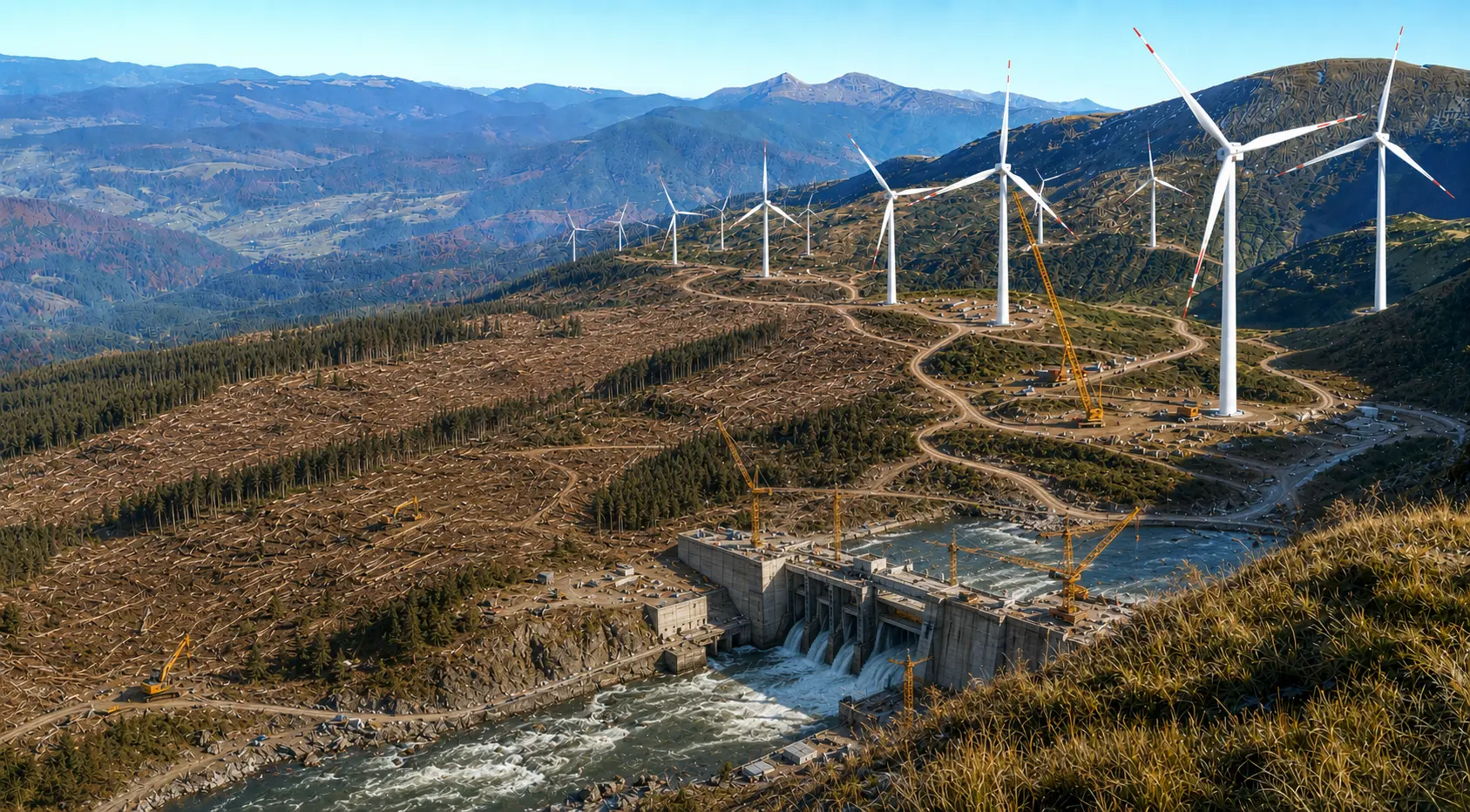
At the state level, he is concerned about plans for windmills on the Carpathian ridges: 1.5 gigawatts - slightly more than the capacity of one power unit of the Khmelnytskyi NPP. Gas storage facilities are located not in the Carpathians, but in Prykarpattia, and Hungary, with its new nuclear power plant, plans to supply electricity to its neighbors. Without considering the internal balance and partner needs, Pavelko warns, we risk ending up "at a village market with three cheese sellers and no buyers." Wind energy is truly "green" only when it doesn't destroy unique high-altitude areas, and there are enough agricultural lands for wind farms. Moreover, the wind doesn't always blow, and electricity is most needed in winter. Runah, according to him, is dozens of windmills across the entire mountain meadow and a stumbling block on the path to the EU.
The disregard for the cumulative effect and ecological capacity has already led to Bukovel becoming the largest source of pollution in the upper Prut River: permits were issued for each hotel separately. He calls fines for environmental law violations "ridiculous," and recent changes have simplified the reallocation of agricultural lands for development.
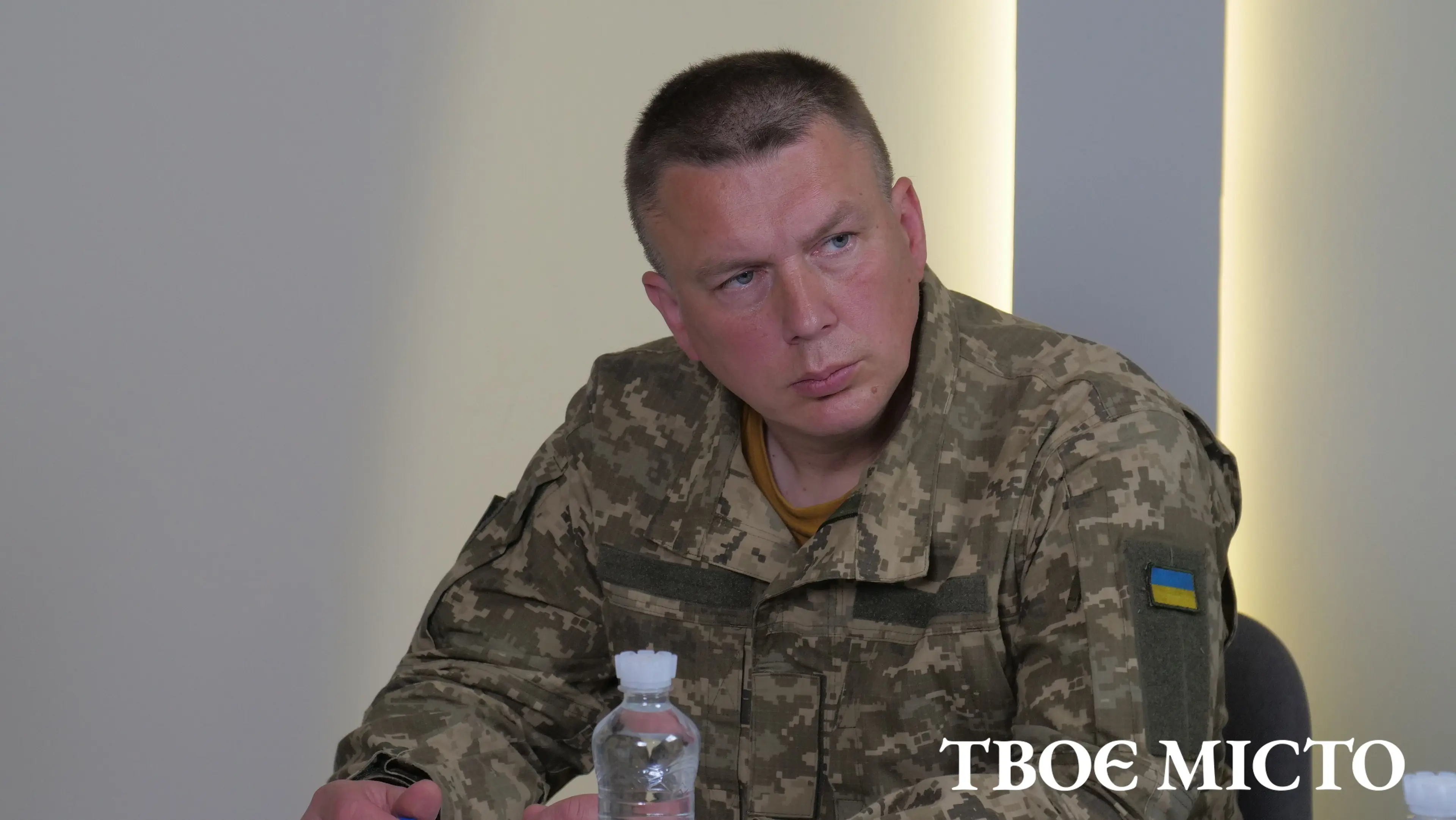
"If every businessman in our country presents the President or Prime Minister with a so-called investment project, which in the popular tongue is called "wishes," we will reach the situation that once helped Russia capture Donbas. Donbas in 2014 was a gray zone where state laws did not rule, but individual oligarchs did. If we disregard legislation and public opinion for the sake of another mega-resort or mega-project with wind power stations, there will be trouble. Citizens will lose faith in the state, and there will be an explosive situation.", - warns the ecologist.
Regarding priorities during the war, Pavelko emphasizes: billions should be directed to the front-line roads of the east, where road conditions affect lives, and to the maintenance of roads to remote mountain villages, because without them there will be no school or ambulance. The road to Bukovel is not such a priority.
Cultural heritage and European experience
The resolution of accumulated problems should be a unified legal framework. Duplantier calls for uniting authorities, communities, businesses, and ecologists to develop special legislation that will protect the mountains from chaotic development, and suggests that the French government agency Expertise France could help the regions. "The Carpathians are not only a unique ecological territory but also a unique cultural space with a very strong Ukrainian identity and specific crafts. If you don't take this culture as a strong element of development, you will lose a larger part of it.", - he emphasizes. In the law, the architect believes, this should be the first sentence.
Representatives of regional administrations supported the idea of updating legislation with the involvement of European experts. Yuriy Shpontak announced his readiness to participate if there are specific mechanisms. Andriy Senyuk said that the Lviv region was the first in Ukraine to start establishing 300-meter zones around archaeological sites in forests: until an object is studied, clear-cutting is prohibited there. The next step is the protection of high-altitude areas, as rivers originate in the mountain meadows. Senyuk believes that the state, at the Kyiv level, should limit construction in parts of the mountain meadows, and the department, if possible, is ready to initiate such a proposal and send it to the ministry and relevant committee.
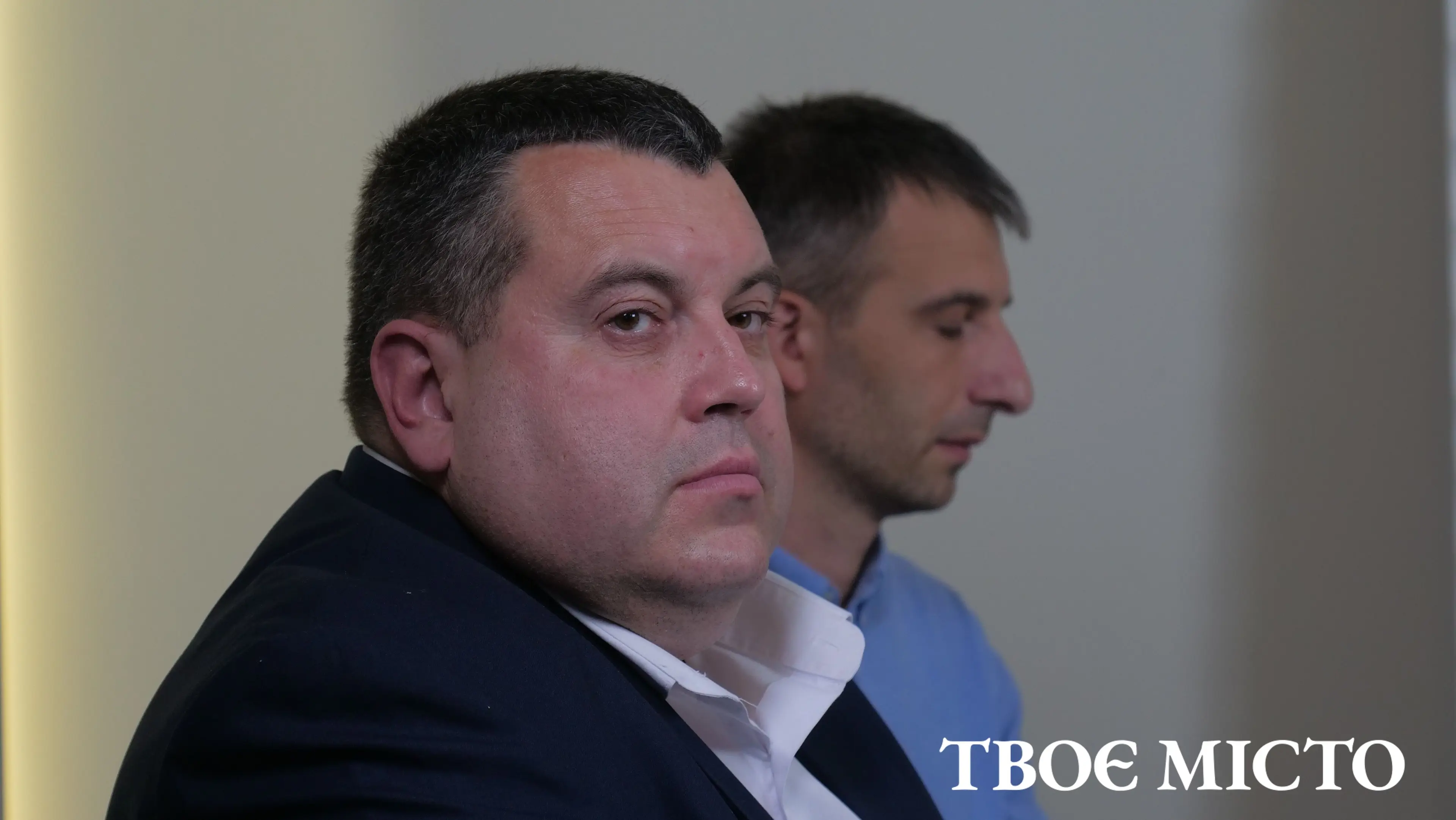
Pavelko added that a law on mountainous territories exists in Ukraine, but it weakly covers natural and cultural heritage, and French experience is very useful here.
Summing up the discussion, Taras Yatsenko noted that the law on mountains has been in effect in France since 1980, while Ukraine has not adopted a similar law in 35 years of independence. Preserving the Carpathians requires not only legal frameworks but also an understanding that the nature and culture of the mountains are a unique asset that creates added value for future generations.
The discussion was prepared with the financial support of the European Union. Its content is the sole responsibility of the editorial office of "Tvoe Misto" and under no circumstances can be considered as reflecting the position of the European Union.
Full or partial republication of the text without the written consent of the editorial office is prohibited and is considered a copyright infringement.

Related News