Let's not build another Donbas in the Carpathians, or What we need to change in our attitude towards the mountains
08 October, 20:36
08 October, 20:36
At all levels – from heads of state authorities to businesses and top officials of our state – there is a problem with consciousness. I will probably start with the lowest level.
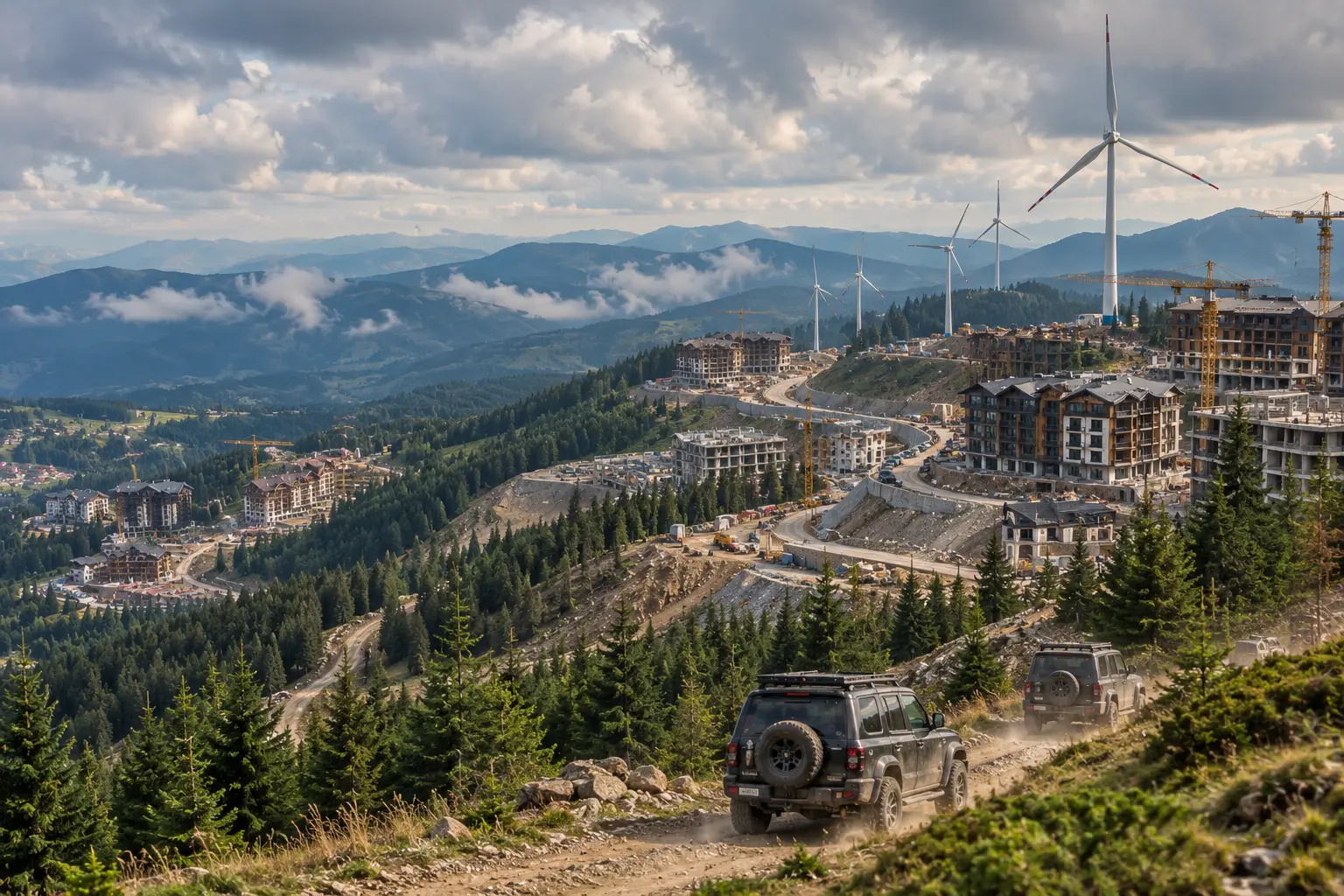
I can give a classic example about jeep tours. At the school where my children study, trips to Slavske were offered, which included jeep tours. For children, this was presented as a separate entertainment: why not ride around the mountains on SUVs, shout, wave your hands, and have fun? At the same time, the institution, which belongs to the Lviv City Council, does not educate people that jeep tours are, firstly, prohibited, and secondly, can pose a threat to the environment. This is a matter of the level at which we are shaping the consciousness of our children today.
Next is the consciousness of the citizen. Let's go back to jeep tours. They say that someone has been doing it for ages. Some tribes in Papua New Guinea have been eating people for ages. This does not mean we should continue to tolerate it. But more than that: when they say "for ages," there were no "ages" like that. I would like to see a grandfather or great-grandfather with a quad bike in the Carpathians. This is the last 15, maximum 20 years. Before that, there were the same horse rides, which are practiced today in national parks and which, perhaps, should be developed. But this requires knowledge and willingness from the residents, because working with a horse requires more effort.
Now further – about the consciousness level of the consumer. Who is the main consumer of these services? It is not the residents of the Carpathians who live in Slavske, Turka, Verkhovyna, etc. The user is a visitor from Lviv, Kyiv, Dnipropetrovsk region, etc. Let's recall the recent situation in Poland, when a Ukrainian citizen in a very expensive car drove onto a Polish lake for a ride. What happened next? First, an immediate fine. Second, a ban on entering Poland. And a negative reaction from Polish society. When this happens in Ukraine, some citizens gather and start saying: "This is my right." The right to what? The right to destroy nature or the right to break the law? A right is my ability to act within the existing legal framework, not to violate it and disregard legislation.
The next point concerns the development of the Carpathians and how it should proceed – from society and high-ranking officials, in particular the President of Ukraine. I am very sorry that things are being put into the hands and mouth of our president which then cause a negative reaction in society. If his entourage were adequate, they would have informed him about the Carpathian Convention, the Emerald Network, and the Bern Convention, to which Ukraine is a party, as well as about Ukraine's international obligations in environmental policy. That Polonyna Runa became a stumbling block, including on Ukraine's path to the EU.
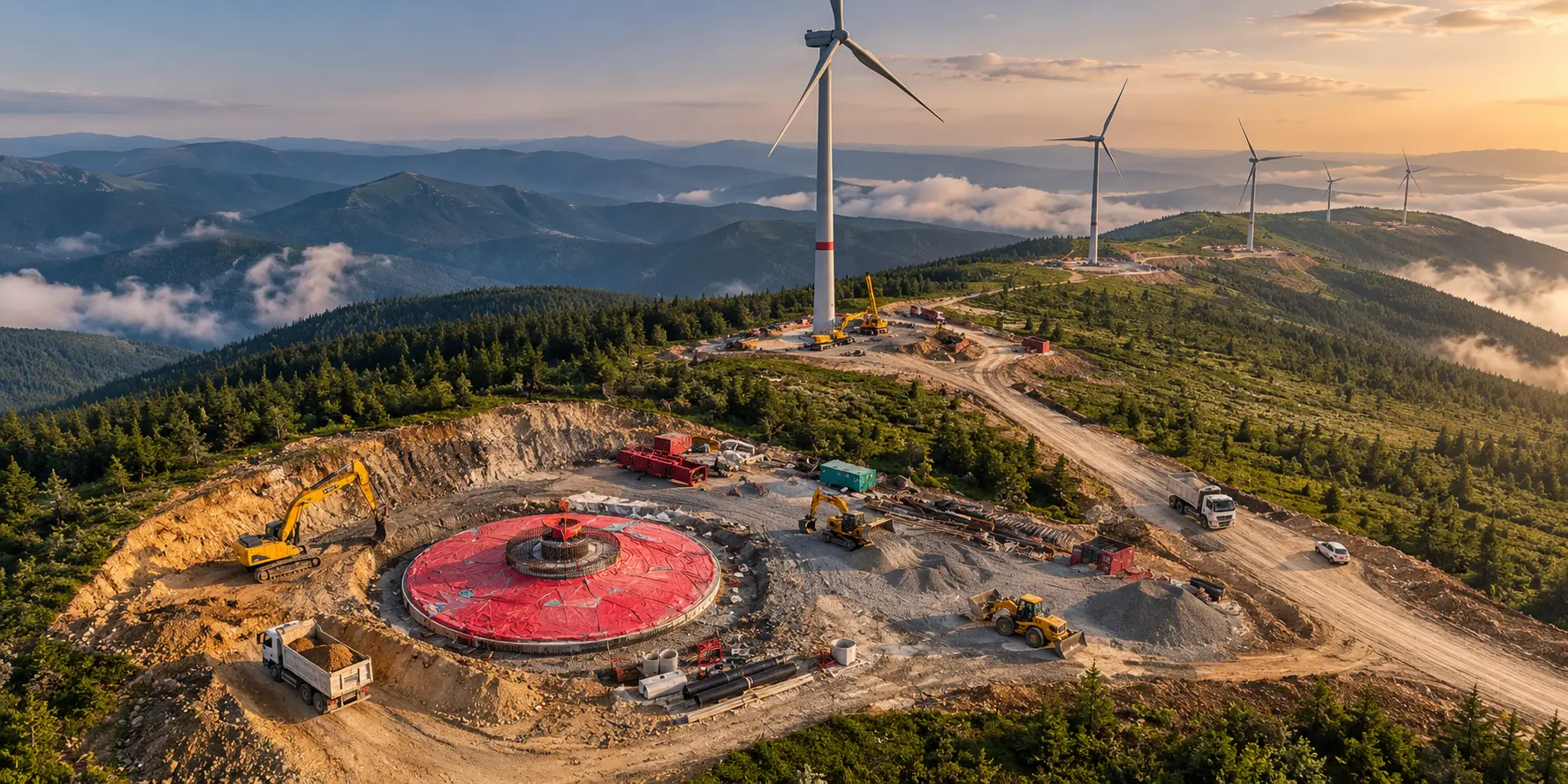
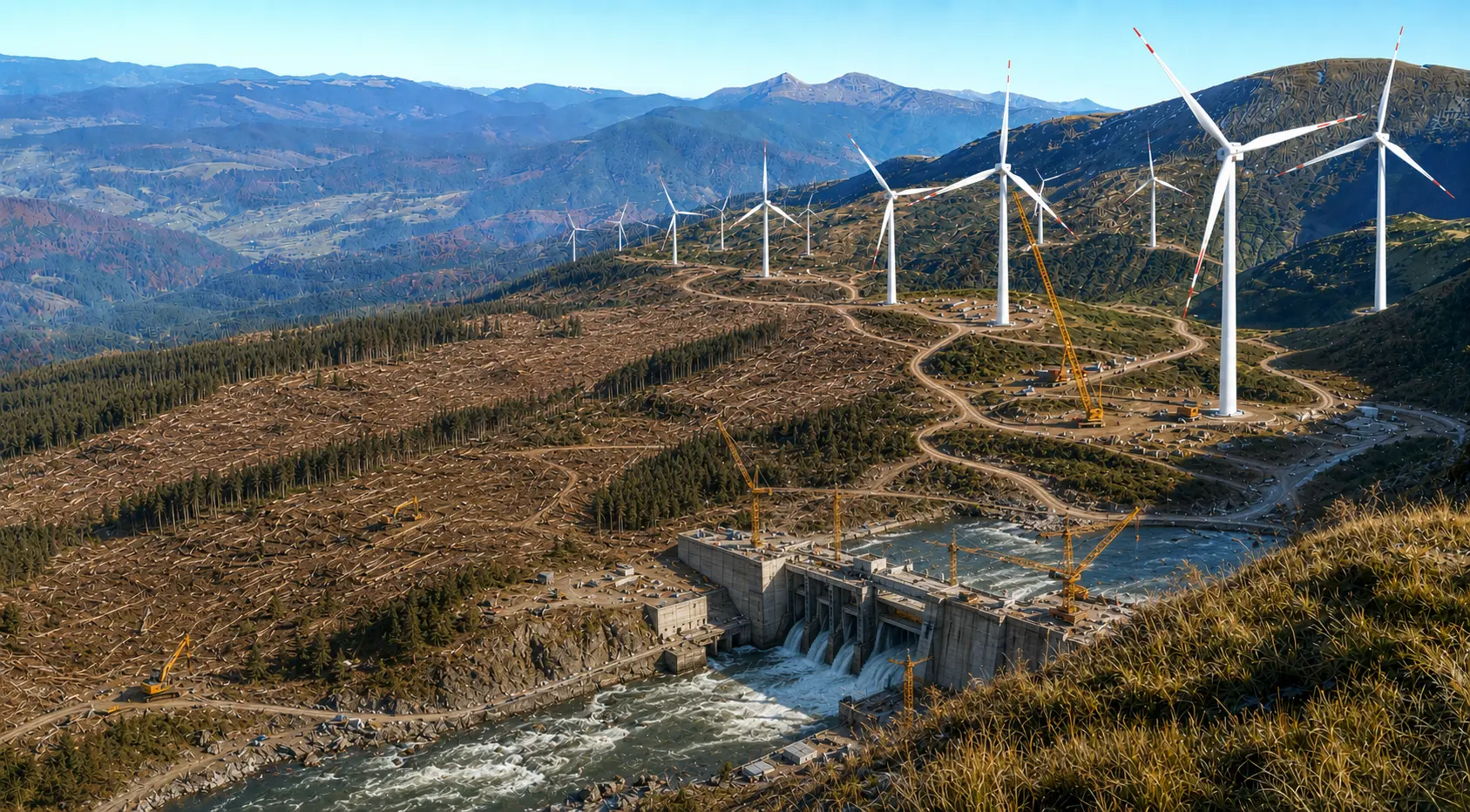
They would also have emphasized that some of the energy issues the president spoke about have solutions outside the Carpathian region. For example, gas storage facilities are located not in the Carpathians, but in Prykarpattia. As for the declared 1.5 GW of wind energy in the Carpathians – I would really like specialists to explain to Mr. President: this is slightly more than the capacity of one power unit of the Khmelnytskyi NPP. And all the Carpathian ridges are under threat.
Today, if every businessman comes to Mr. President or Mr. Prime Minister with a so-called investment project, which is called "whims" in the vernacular – "I want to build something here" – then we will reach the situation that helped Russia seize Donbas at one time. At the time of the seizure in 2014, it was a grey zone where not the laws of the state, but individual oligarchs ruled. The feeling was forming: this plot belongs to this oligarch, and this one to that one. And as a result, Donbas had the most complex environmental situation in Ukraine, when emissions and pollution of the environment from a large number of industrial enterprises were overlooked.
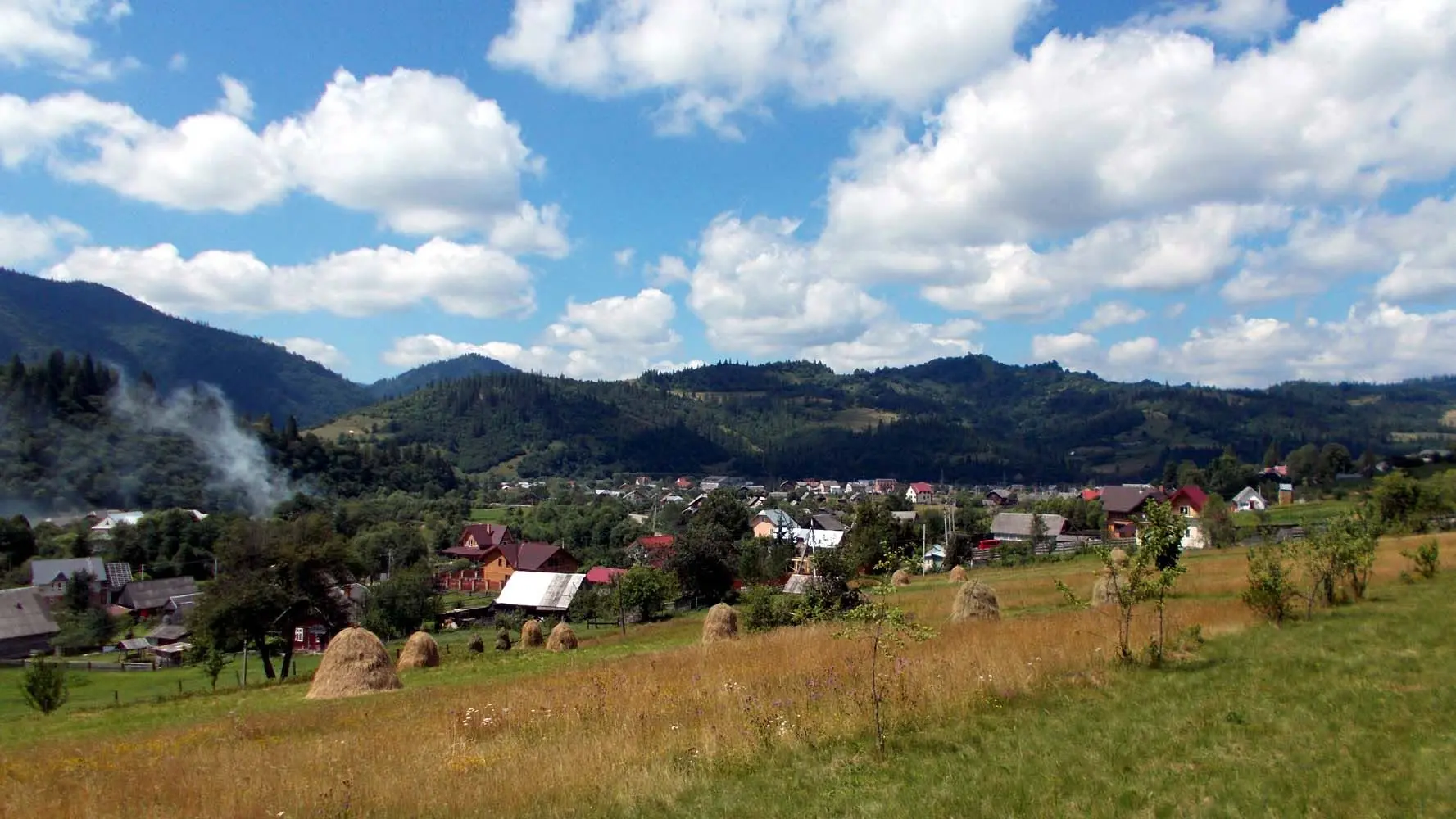
The Carpathians today are, above all, a natural value. If we destroy it, we will destroy the entire society that is formed around it. The need to find a balance is the key issue. But within the legal framework. If, as with Polonyna Runa, we disregard legislation, public opinion, economic indicators just because someone wanted to build another mega-resort or mega-project with wind farms, then there will be trouble. Trouble like citizens losing faith in their state and authorities that are unable to protect the law, nature, or their rights.
About the situation with Polonyna Runa
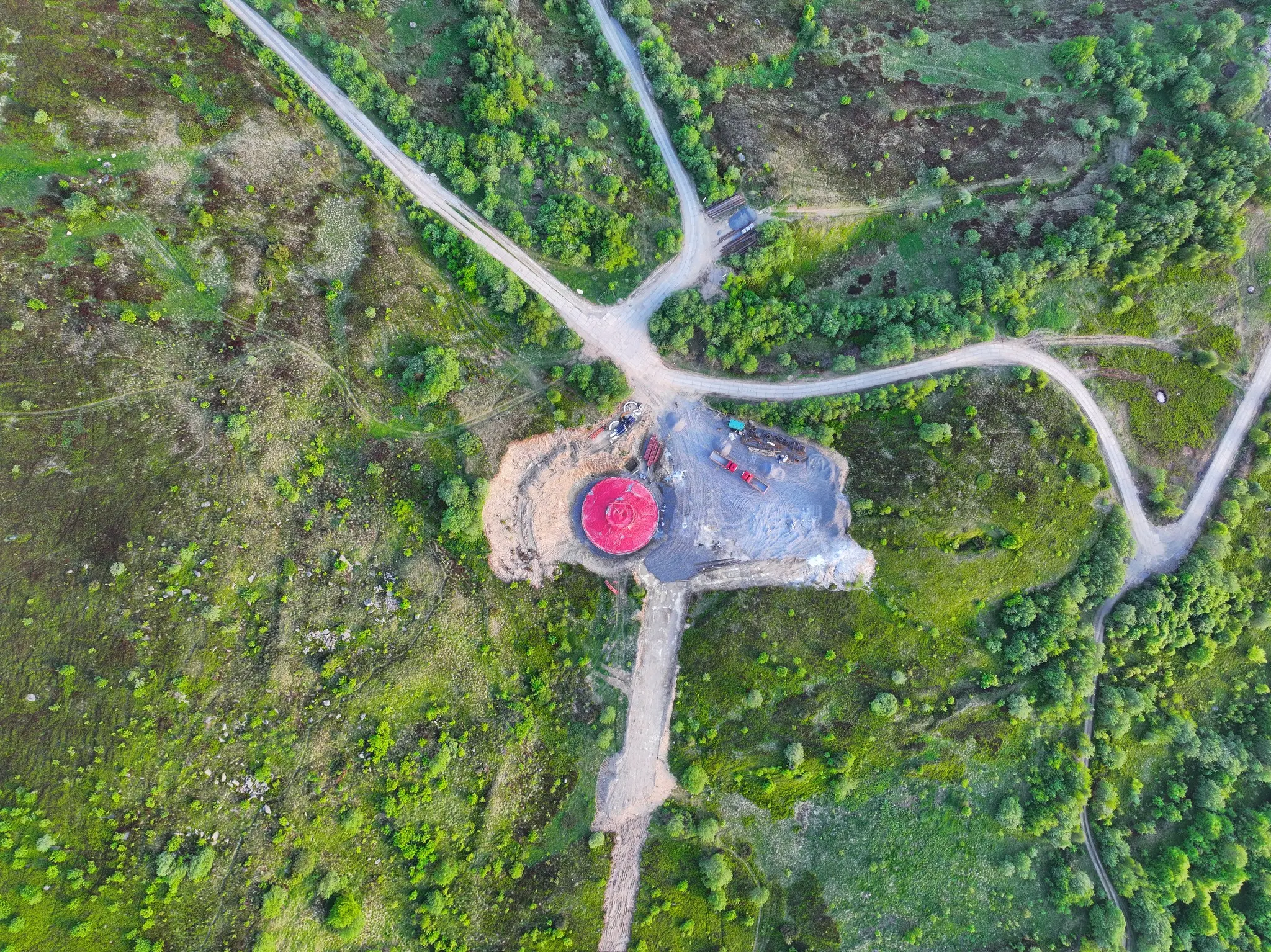
Why did the situation cause such indignation? Very simple. First – disregard for the law, second – the scale of the project. It's one thing when one or two wind turbines are installed on a relatively small plot. Another thing is when the entire meadow is covered with several dozen wind turbines. And the key question is how well these projects fit into nature. They don't fit in at all. And they don't fit into the Carpathians at all.
If we talk about energy, it needs to be addressed comprehensively. Why, for example, did we hear such a cold reaction from Mr. Mád (Prime Minister of Hungary – Ed.)? Because if our analysts had properly analyzed the situation and presented the relevant documentation to Mr. President, he would have seen that Hungary is building a powerful nuclear power plant, and its energy program includes supplying electricity to neighboring countries. Romania has a similar program. Slovakia is energy self-sufficient. That is, when we offer something, we must interest our partners.
And one more point regarding wind energy. We can claim a lot that it is green, but it is green only when it does not destroy the unique natural environment of the Ukrainian highlands. We have a lot of agricultural land where it can be placed without such destruction. The second question is how wind energy works. It works when there is wind. We need to balance the energy system so that in winter, when electricity demand is highest, and there is little sunlight and the wind blows occasionally, we do not find ourselves in a situation where the energy system collapses due to imbalance.
About legislation
We have certain legislative frameworks today. First – the legislation on strategic environmental assessment, which concerns territories as a whole and allows for consideration of various interests – tourism development, industry, agriculture, and nature conservation. Nature itself is the foundation, all our development is based on it. If we destroy it, we will come to nothing.
Second – compliance with environmental impact assessment legislation at the level of specific projects.
The third component – responsibility for violations of environmental legislation and consideration of cumulative effects. At one time, for example, regarding Bukovel, we encountered a situation where the cumulative effect was not taken into account. Permits were issued for each specific hotel or complex, and as a result, Bukovel is today the largest source of pollution in the upper reaches of the Prut River. Why did this happen? It's very simple: again, cumulative effects were not taken into account. We built a mega-resort where there was neither the appropriate ecological capacity of the territory nor a proper assessment.
Sanctions in Ukraine against violators of environmental legislation are absolutely insufficient. They are ridiculous. And the problem with calculating damages is another component that should also encourage a careful attitude towards nature.
Another important aspect is local communities. Ukraine has rushed to delegate many powers to them, but along with this, we must ensure that there is understanding and the necessary personnel at the local level. This is especially true for rural communities in mountainous regions, which are mostly subsidized. If funds are allocated to them, they must use both the funds and the natural heritage rationally. Because the people who remain here, will live here. So that they can build the Ukraine that people dreamed of when they took to the Maidan in 2014, not another Donbas, but in the Carpathians.
And another important point is roads. Remote settlements in the Carpathians need normal communication. During the war, the priority should not be roads to Bukovel, but roads to remote villages and in the east, where this is a matter of survival. Because if there are no roads, there will be no school, no work, an ambulance will not arrive, and people will be forced to leave. This should be a priority for local development even where there is a small population, because it is about people's survival and the preservation of cultural identity.
Read also: The Carpathians are under threat? What to do now to save them
Therefore, we need to treat nature and each other with care and adopt not the worst practices of the 19th century – "dig everything up and sell it" – but the best technologies and practices that exist today in the European Union and the world.
We would also very much like our legislation to develop with the help of the European Union. After all, recent changes in Ukraine, in particular the simplification of changing the intended use of agricultural land, contradict this European direction. Our business lobbied for this persistently, and those who opposed it were accused of hindering business development.
At the same time, I wholeheartedly support everything related to cultural identity. In Zakarpattia, citizens of France, together with Ukrainian ecologists, are helping to preserve nature and traditional agriculture and are opposing development, particularly in Svydovets.
The author's column reflects the subjective position of the author. The editorial board of "Tvoe Misto" does not always share the opinions expressed in the columns and is ready to provide those who disagree with an opportunity for an reasoned response.
Related News