Why some children learn well and others don't. A big interview about what influences academic success.
11 July 2026, 10:00
11 July 2026, 10:00
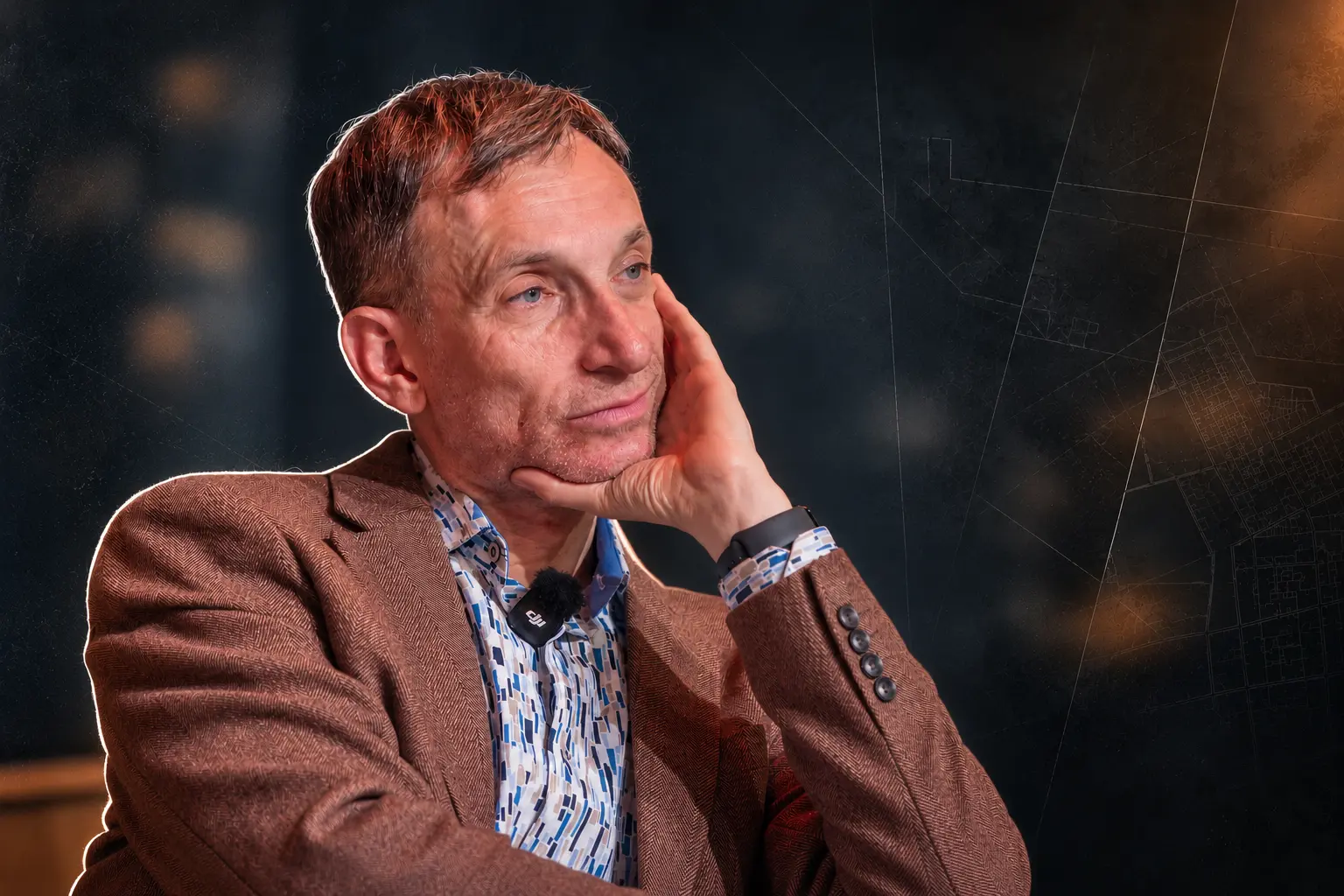
We discuss this in the second part of our conversation with the head of the Ukrainian Center for Educational Quality Assessment, Tetiana Vakulenko, for the Expert Club. Read the first part about the new DPA, the use of artificial intelligence, myths surrounding school rankings, and the results of the National Multisubject Test (NMT) at this link.
A decline in reading and global trends
PISA studies show a significant decline in schoolchildren's reading literacy worldwide, and the situation in Ukraine is also disappointing.
Reading is indeed a big difficulty. If we talk about learning losses, this is currently the most painful problem. Reading is very closely linked to cognitive focus, the ability to retain information, and sustained concentration on texts. Our reading literacy in PISA has dropped the most; here we have even surpassed the international trend: if in 2018 about 25% of children did not reach the basic level, then in 2022 it was over 40%. This is a dramatic decline. However, it should be understood that we conducted the study in October 2022, during large-scale targeted shelling of cities and the first power outages. PISA took place under conditions where reading is very problematic.
At the same time, the decline in reading skills is also a global trend. The rapid access to information, short text formats, videos, and scrolling interfere with concentration. Plus, the spread of artificial intelligence: many people are abandoning full reading of articles and uploading them to AI to quickly extract the essence. We need to fight this: read and discuss texts more. We also have a significant gap in reading between boys and girls – the former read much worse. This is often due to the fact that school texts do not match their interests. They are forced to read about friendship and puppies, while they would prefer to read about technology, robots, and sports.
How to encourage a child to read
It's true, my son chooses books about Minecraft.
And it's great that you support this aspiration! To encourage a child, you first need to look for reading material that is interesting specifically to them. "Harry Potter," for example, debunked many myths about modern teenagers who supposedly can't hold large amounts of information in their heads. In terms of volume, it's like "Dune"; it has great complexity, many characters and plotlines, but children retain all of it perfectly in their memory.
So, it can be achieved if you give the child what they want. We need to move away from the model of 'let's give them the same book we read ourselves.' If we force a child to read something like 'The Cauldron Bubbles' and expect them to get the same enjoyment we once did without phones, we will simply break their interest in reading. We, too, are not reading this book for entertainment now. And if a child reads manga (Japanese comics, ed.), then let them, even if there are only three words per page; there is a visual component that also needs to be understood and connected with the text. Eventually, they will move on to something more. But if you force them to read something outside their interests, they simply won't want to do it.
Do you recall how we had speed reading in school? Is that justified, or is thoughtful reading better?
Research for primary schools clearly states that speed affects quality. A child who reads very slowly loses the meaning of what they’ve read and cannot get absorbed in the text. But this is not about speed competitions or counting words, as cognitive processes work differently. A child needs to develop a certain speed simply to enjoy the process. In the computer-based PISA-2025, the results of which will be published in September, there are many interesting task formats. Including one where a short sentence is given, which can be absurd or adequate (e.g., 'birds built a power station' or 'Mariichka is reading a book'). The child needs to quickly answer whether it makes sense. The results are still confidential, but researchers are already seeing: if a child doesn't quickly grasp the idea of such a short sentence, then longer texts will also be difficult for them later, as they cannot maintain attention and focus on them.
Is there research on how much parents reading and setting an example correlates with whether children read?
Setting a personal example is the best way to engage a child. The presence of books and parents reading at home is one of the best predictors of a child's success in all subjects, not just reading. When parents work on themselves and cooperate with their child, it becomes a powerful support for their life success.
There is a very interesting PIAAC study where 30-year-olds worldwide undergo assessments in mathematics and reading and fill out a contextual questionnaire about their lives. Based on this, conclusions are drawn about how basic education and love for words and numbers influence success. People with higher reading and mathematical competencies have better health, perceive political processes more adequately, and are considered more pleasant to communicate with. Reading at home, enjoying it, discussing what you've read with your child, and showing that it's interesting is a great investment in their life.
Phones in school: prohibition is not an option, negotiation is
Could we ban phones for children in schools, and would it affect grades and assessment?
There are very few pure studies on the impact of phones. They are sometimes conducted with bias: either to show that it is evil, or vice versa – to demonstrate how wonderful it is. Researchers often build in the answers they want to get from the model from the start. It is important to distinguish what exactly the phone is used for. It should definitely be banned for scrolling. Our monitoring of fourth-graders shows: children with "mobile anxiety" (who are uncomfortable without a phone and constantly want to scroll) have significantly lower results in all disciplines. At the same time, phones can be used beneficially at school. There are game-based learning platforms like Kahoot. Instead of stressful frontal questioning at the board, the teacher displays questions on the screen, and children quickly and stress-free choose an answer. Therefore, with phones, balance is important. We cannot completely ban technology, but if we only use it to search for ready-made answers to simple questions, we will only become dumber.
I'm thinking about something else. When there were delays in printing textbooks, we used electronic versions on phones. And there were simultaneously 20 chats, 150 unsaved windows, constant chaos and distraction. Some countries are now banning phones until a certain age.
It's unlikely we'll be able to do that due to the war and security concerns. Now, phones are a matter of control, or at least the illusion of control: parents feel that if their child is reachable, then everything is fine. Besides, a complete ban immediately provokes opposition. We cannot ban phones, but discussing the hygiene of their use in school is extremely important. It is absolutely normal to reach an agreement with parents that phones are placed in boxes, and the child doesn't scroll TikTok from under the desk, as this is basic disrespect. But when parents themselves insist that such scrolling during lessons is normal, then it's a communication problem. We need to move towards each other: the system cannot be completely open if you demand that it only operate as it is convenient for you. This is a story of shared responsibility.
Head of the Lviv Education Department Andrii Zakaliuk proposed putting phones in boxes during lessons, but parents did not agree to this.
This issue still needs to be discussed. It is difficult to do this at the macro level for the entire city, as there are too many different situations and parents. But it can be negotiated individually at school, explaining the benefits: without phones, we can concentrate on the task, not photograph it in ChatGPT and get a ready-made answer, which will later block the thinking process. Having gotten used to quick answers, it is difficult to give them up. Then it becomes difficult to read and think. Thinking constantly is a challenge. But thinking is trained, just like the body. You can't run a marathon if you've been lying on the couch watching sitcoms for two weeks. It's the same with thinking: if you don't train it constantly, a person won't be able to reason, and life demands this from us all the time.
The culture of "doing things at the last minute" and senior specialized school
It seems that we are forming a culture of "catching up at the last moment". As if one doesn't need to try too hard for all 11 years, but two years before admission, one can find good tutors, prepare intensively, and pass the External Independent Evaluation (NMT). To what extent has this truly become a feature of our educational culture?
Such a culture does exist, and it is partly linked to imitation. We pretend that everything is fine, reach the exam, and it turns out that a child who really wants to be a doctor knows neither physics, nor chemistry, nor biology. The profession of a doctor is an abstraction for them, not enormous intellectual work and complex medical education. Being a doctor means making split-second decisions on which patients' lives and comfort depend. It seems that we accept such a situation because, in general, we focus only on key moments (admission, graduation, entering a profession), and not on daily work. And this needs to be collectively worked through.
We will have a specialized school, where in grades 10-12 students will have eight subjects. Won't these three years again turn into preparation for the NMT? And will it be necessary to take final tests and entrance exams in the 12th grade?
The idea is about a mandatory block of subjects (language, mathematics, history, foreign languages) that will certify the attainment of basic general secondary education. Deeper level tests will be related to the child's field of study. Then there will be no "teaching for the test," because children will study these subjects in depth for a longer time and have various elective courses. Thus, the test will simply be the culmination of thoroughly studied material. For example, it is very easy for teenagers from physics-mathematics or linguistic lyceums to pass our tests now, because they have gone far beyond the school curriculum. Therefore, the idea of a senior specialized school is to move away from teaching for a test, focusing on learning itself. Currently, the model is moving towards having final exams as the main ones, and providing admission based on them, as is the case in many European countries (Matura in Poland or Abitur in Germany). In fact, it is an exam of maturity and a summary of school education, which is simultaneously used for admission.
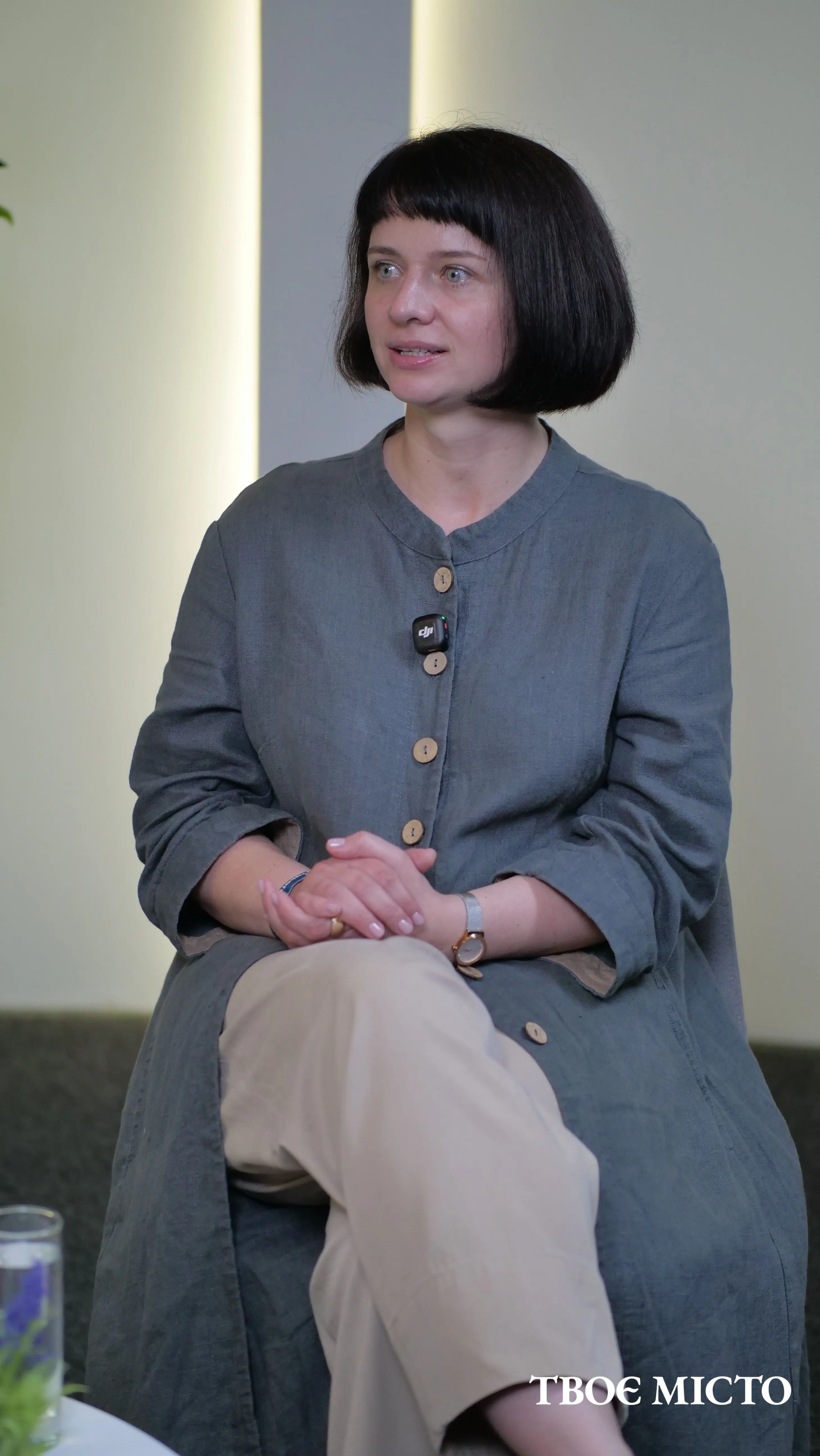
So, these are final exams in eight subjects plus those few related to the field of admission?
The final exams will be the entrance exams. It is envisaged that three to four subjects will be taken at a basic level, three at an advanced level, and these will be used for admission to the specialties the child needs.
Do you anticipate protests again? Because the number of exams was supposed to be reduced, but in fact, it is not becoming less.
No matter what we do, even if the system remained very stable, these problems would occur... I follow the news in other countries, and it's the same story there. For example, in Britain, final exams have concluded... and petitions are being signed by 15,000 people: the tasks are not right, the difficulty is not right. This is a normal occurrence because we affect large segments of the population, and they are different each year. This is classic business work: we know the risks in a product, we communicate about them, and we constantly work on them. But each year we have a new cohort of people, and everything we explained last year is no longer relevant because they were not interested in it then. This is directly part of the profession.
Career choice: lawyers, repairmen, or bloggers?
But in Britain, there are significantly fewer subjects in high school. Is this justified?
In the A-level system, there are generally 3-4. I also lean towards the idea of such deep specialization. However, we fear that a child's choice in the ninth grade may not be well-founded. If we narrow their studies to only 3-4 subjects, and then they change their mind, they won't be able to change their direction. Instead, a standard foundation will allow them to reorient. In our fast-paced world, this is not bad. We cannot know what a child will need in 10 years. Half of the professions of the future, especially those related to AI, do not even exist yet, and many current ones will disappear due to automation (for example, we don't know if translators will remain in such numbers).
However, certain blue-collar professions will definitely survive: graduates of vocational education and colleges will be in demand. It will take a long time before we reach a point where robotic systems repair cranes. The fact that we have robot vacuum cleaners doesn't mean there will be automatic repairmen soon. When we choose marketing or law, we need to understand: law is a very local field, and it's difficult to move to another country due to different laws. But repairmen, firefighters, chemical reagent producers, and nurses are needed everywhere. These are great professions, and we should pay attention to them too. Plus, there's the question of whether I can consciously make a choice in the ninth grade, or if I just like the profession of a blogger.
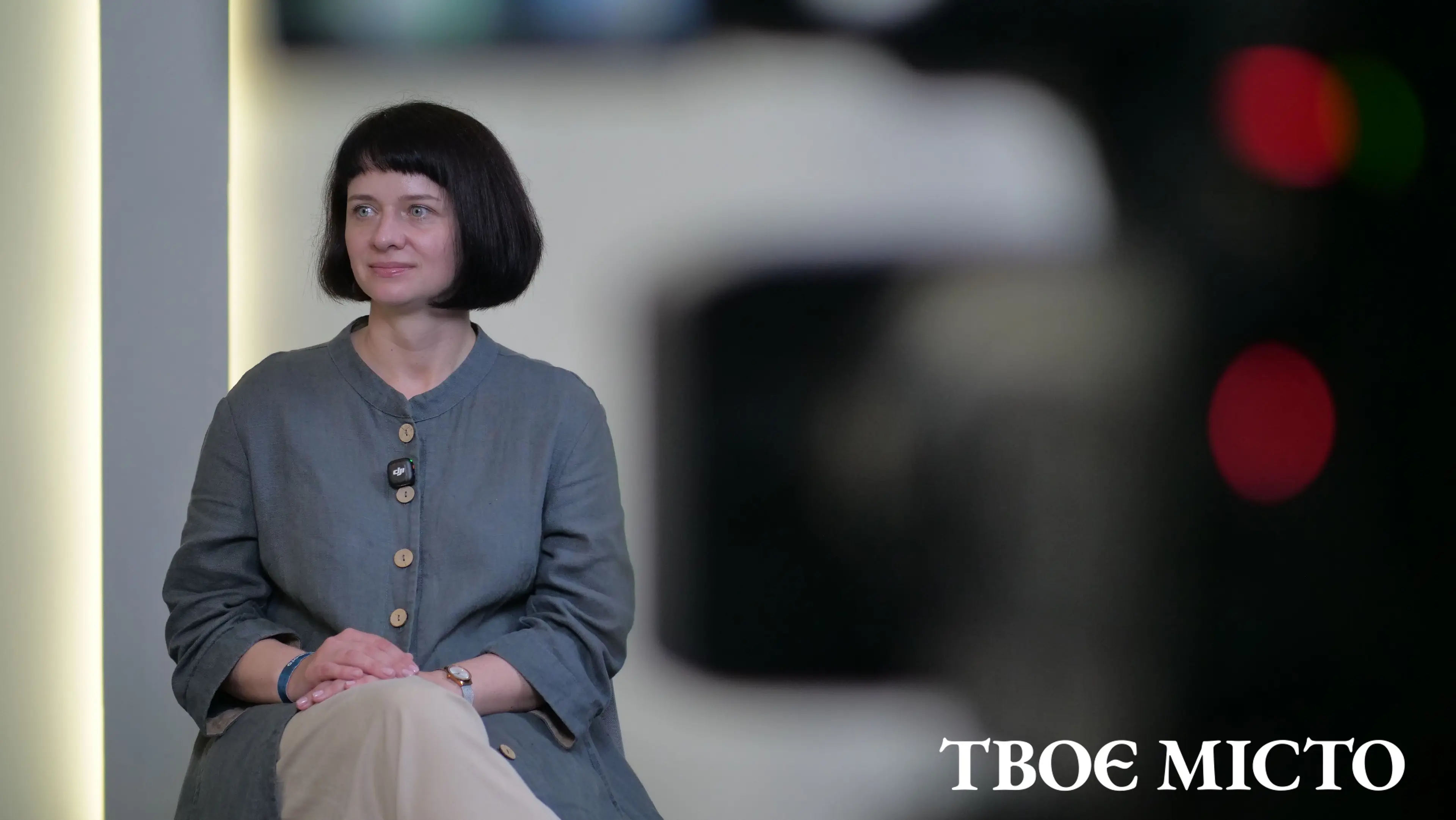
This applies not only to children but also to parents who are not always ready to accept that their child will not go to higher education and wants to quickly master a profession and enter the job market.
This issue is less about education and more about trust in the labor market and the child's choice. If both parents have higher education, it can be difficult for them to accept that their child wants to be a chef, not an accountant. Often, this is related to our own ambitions and projecting our own unfulfilled desires onto our children.
At the "Teachers of the Future" educational festival, I listened to a panel about mathematics and why children don't know it. On one hand, one can be a liberal parent, saying, "If it doesn't work out, it doesn't work out," but on the other hand, if you set a goal, you can achieve it. This is a very important choice. So, I'm curious how career counselors will work. Perhaps artificial intelligence will help students choose entirely?
We often confuse the concepts of liberalism and the absence of an authoritative adult in a person's life. These are very different things. A child might want to scroll TikTok 24/7 or sit in an unventilated room – and this is where adult responsibility is needed. Liberalism, however, is the ability to listen, guide, and give a child the book they truly want, not the one you once loved.
Regarding career counselors, it's difficult to say exactly how this will work in practice yet. There are good developments from the public sector now (like from Iryna Pleshakova or Go Global), but schools need to adopt them, rethink them, and take ownership so that they truly work. A career advisor must be a very flexible person, willing to search and read a lot. Because there is no ready-made answer to the question "Who should I be?", even if a student has taken the Arnheim test and two other NMT tests and received information about themselves. This is only part of the answer. You need to google and research the market a lot because we don't even know a third of modern professions. Therefore, one needs to be extremely curious and open to new things.
Grades or admission: what's more important
In our country, they say: "In Soviet times, we had a complex of good students, it was important to work for a grade. And now grades are not important." I understand parents who face a lot of demands and listen to all this, and there's too much information. And maybe you shouldn't demand a grade from a child, but when it's time to apply, there must be a grade and a passing score.
We need to demand progress, not grades. Zankov's concept of a psychologist working in the 'zone of proximal development' is still relevant: we must strive for more than what exists now, otherwise we will degrade. Grades are often an abstraction if not explained in detail. This is why formative assessment is needed. If we say: "You can definitely solve these tasks, and read this essay" - this is not about a grade. You might get a C, because you retold the text not as expected, but the most important thing is that you acquired the necessary skill.
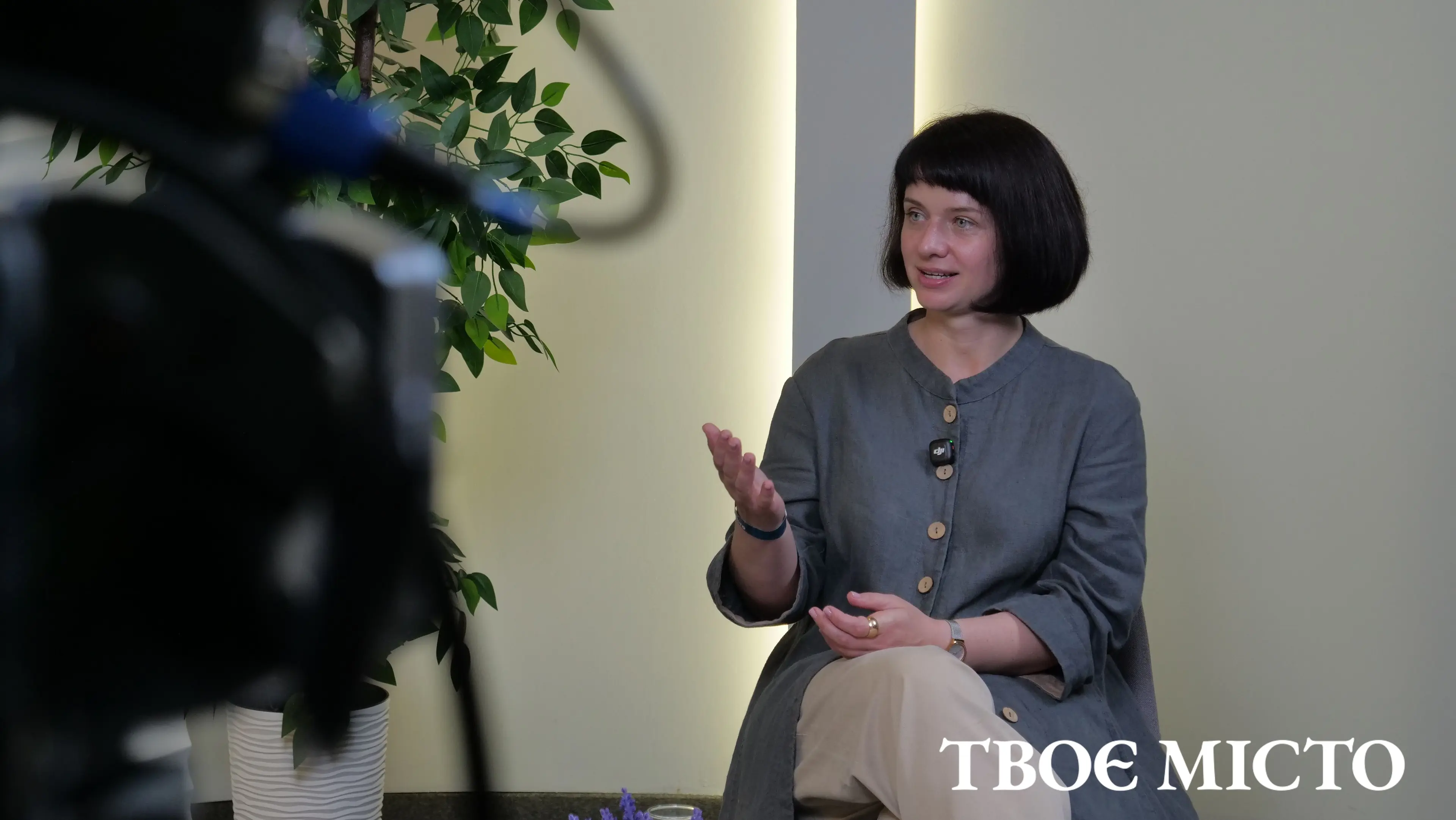
Let's talk about grading in schools. Students are given three grades, and parents don't always understand how this happens. In the comments under several of our educational interviews, they wrote: "Give us understandable grades." And these three groups also complicate the teacher's task, because they have to calculate three grades, and then one.
It's hard to comment on this, as I don't professionally deal with current assessments. I only taught in school for two years, more in higher education institutions, where everything was much simpler: there's a clear system of points you accumulate, and then you get credit or pass an exam. Specific criteria are set by directive, and there's no flexibility in what and how we did things. My task at the university was always to be able to clearly explain any grade. And such questions didn't arise, because the criteria were announced at the beginning, and during the process, at each stage, we talked about achieving them, it was clear to everyone. There were students who did nothing, but when we started scrambling five minutes before a meeting, we couldn't get where we wanted to go.
The idea of formative assessment in school, for me, is something I read about but haven't fully embraced, as I've never worked with it in practice. But I understand that in general it's very sound and profound, as it's about qualitative feedback. If it's not understood by the direct stakeholders – children and parents – then something is not working, and we need to figure out what exactly. In mathematics, this is quite simple, as there are four groups of results that are well-described, although there are tasks on the borderline of these groups, where not everything is obvious.
I really like the idea of a person clearly receiving information about what they can do and what they cannot. With the help of artificial intelligence, we want to develop such a model for the final state certification for 4th and 9th grades, so that the results are described as simply as possible, and parents don't need a pedagogical education to understand them. As for current assessment, I hope that this system will "iron itself out" during the implementation process. We need to arrive at a formula that is understandable to both sides: teachers will know why they are doing it, and students and parents will receive necessary and useful information from it.
Staff shortage and how to help weaker teachers
Passing scores for admission to various professions are often low. This must be taken into account when we say that we want better teachers, doctors, or journalists. Will this change?
I fear that the market regulates itself. We discussed at a panel discussion that students who have barely passed the "pass/fail" threshold in mathematics enter pedagogical universities, get an education, and become mathematics teachers. But this is not just a matter of passing scores for university or how we obtain higher education. It is primarily a question of the attractiveness of the profession and who wants to enter it.
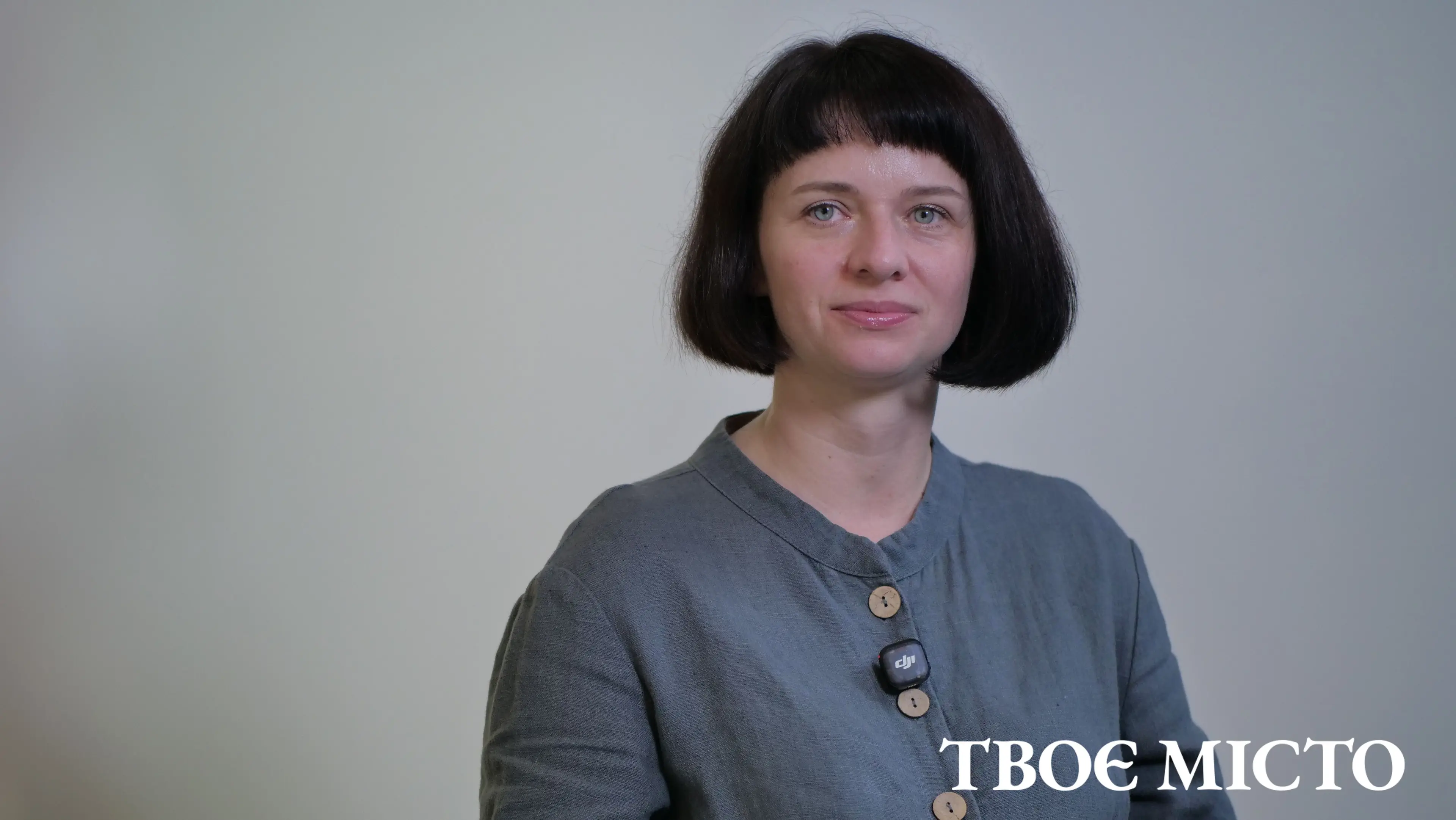
If we want talented people, we must create working conditions so that these talents enter universities and create competition there. If we simply set a high threshold for admission, it will lead to nothing – most likely, there will be no enrollment at all. I understand that sometimes it's better to have nothing than to have no quality. But when you have no subject teacher in a school, and the physical education teacher is forced to teach physics and mathematics – that's also not the best option. A weak person who has at least listened to those subjects at university will teach them slightly better than a person who has never done so.
Such are the realities, while there are no proper working conditions. Lviv is doing a lot to have good conditions: there are special programs, additional payments, bonuses, educational leagues, i.e., associations of teachers and educational institution leaders. There are great teachers and learning opportunities here. In my opinion, many regions are a bit envious of Lviv, looking at these good practices. When this profession becomes at least moderately attractive, we will have people who create competition. If we have five places for a specialty, and 25 people want to enroll, it means they will have very high results. But if we have five places, and one person enrolls...
I fully support the idea that a teacher cannot be weak; they must know their subject. One cannot compensate for a lack of subject knowledge with charisma or educational work if you lack basic understanding of cause-and-effect relationships in your subject and how to teach it. But we must be realistic. I don't believe that significant changes will happen this year or next. Therefore, it is important to develop tools for teachers who haven't quite mastered something, to give them a helping hand. If a person has been working in the profession for 10-15 years, and they are given a new class or a new course, then offer them a helping hand, provide materials to make it easier for them.
Teaching is a mass, large profession. In areas with very few people, you can ensure absolute quality for each. But when you have over 200,000 teachers, there will be some who are not very strong. We have no choice, so we have to work with those who are there: offer professional development, methodological materials. So let's use this to make teachers want to develop. So that a person who may not have learned something has enough internal curiosity and responsibility to the children and parents to learn it in the process of working.
The conversation was recorded during the educational festival "Teachers of the Future".
Interview by Svitlana Zhabiuk
Full or partial republication of the text without the written consent of the editorial office is prohibited and considered a copyright infringement.

Related News