For the first time, a jet-powered "Shahed" attacked Lviv: why these drones are dangerous
10 October, 08:21
10 October, 08:21
Russian forces have begun using jet-powered kamikaze drones more actively; they are a faster modification of ordinary "Shaheds". They can reach speeds of 500–600 km/h, which complicates their interception. October 10 for the first time, such a drone flew into Lviv Oblast.
In recent days, drones have begun reaching regions that previously were not reachable for jet-powered Shaheds – Ivano-Frankivsk and today Lviv.
How jet-powered "Shaheds" differ from ordinary ones
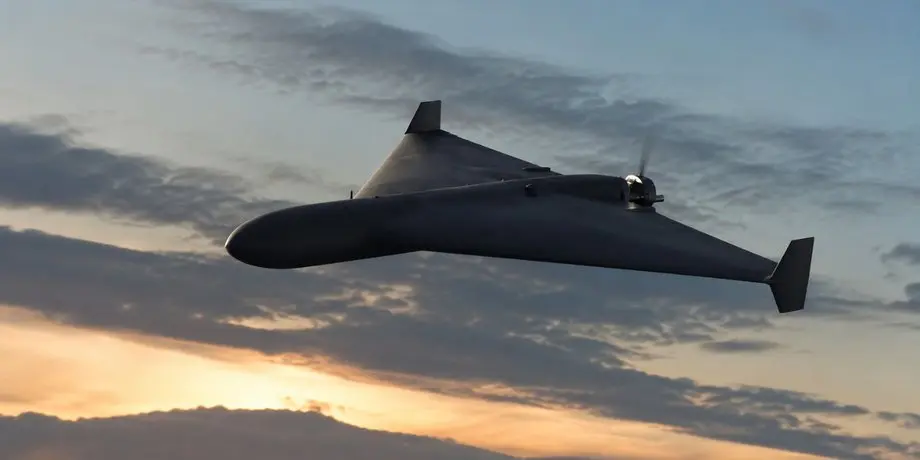
As BBC reports, unlike traditional "Shaheds", which are equipped with piston engines and reach speeds of about 150–200 km/h, the jet analogues have turbojet engines. As a result, they fly several times faster and have a greater chance of overcoming Ukraine's air defense lines.
Russia uses several modifications of such drones: "Geran-3", "Geran-4" and "Geran-5". The first two outwardly resemble ordinary "Shaheds", while the "Geran-5" resembles a cruise missile.
The "Geran-5" can be launched from an aircraft and reaches speeds of up to 600 km/h. This missile-drone is 6 m long and 5.5 m wide. Its warhead weighs up to 90 kg.
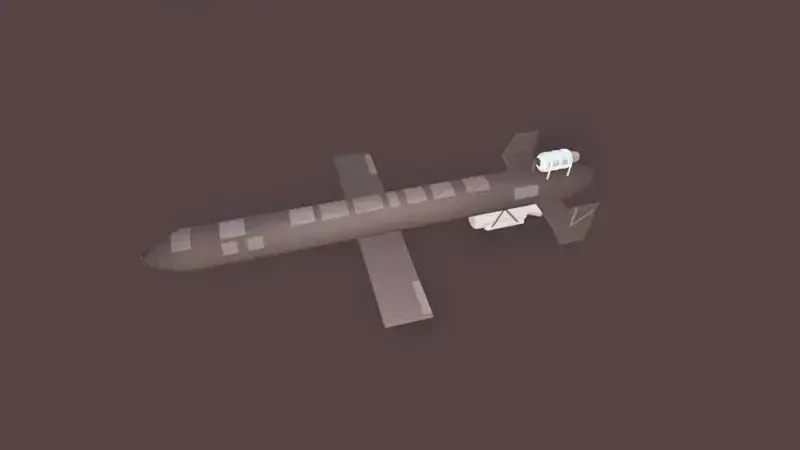
This version is so far the least used for strikes on Ukraine. Russians prefer using the jet-powered "Geran-3" and "Geran-4", which have a warhead of about 50 kg.
Depending on the modification, the speed of the drones can reach 350, 500 and even 600 km/h. At the same time, they are more expensive than ordinary strike drones and have limitations in range and maneuverability.
Why they are harder to shoot down
High speed reduces the time within which Ukrainian forces can detect and hit a target. In addition, jet-powered drones are capable of flying at altitudes of up to 9 km, which complicates the work of some interception means.
Some modifications are equipped with automatic target recognition systems and cameras. This allows an operator to lock onto a target, after which the drone can track it and attack in automatic mode.
Such drones are used to strike energy and transport infrastructure, warehouses, industrial facilities, and moving targets, including ships and locomotives.
How Ukraine counters jet-powered drones
To intercept jet-powered "Shaheds", Ukraine uses anti-aircraft missile systems, aviation, mobile fire groups and interceptor drones. However, the latter were originally developed to fight slower drones, so their effectiveness against jet models is lower.
Ukrainian manufacturers and the military are developing new interception means that are supposed to be faster, fly higher and automatically track aerial targets.
Russia, in turn, is increasing production of jet-powered drones and plans to increase their share among strike drones. This creates additional challenges for Ukraine's air defense.
Related News