Andriy Melnyk — who he is and why he is being reburied in Kyiv: what is known about the OUN leader
20 May 2026, 18:39
20 May 2026, 18:39
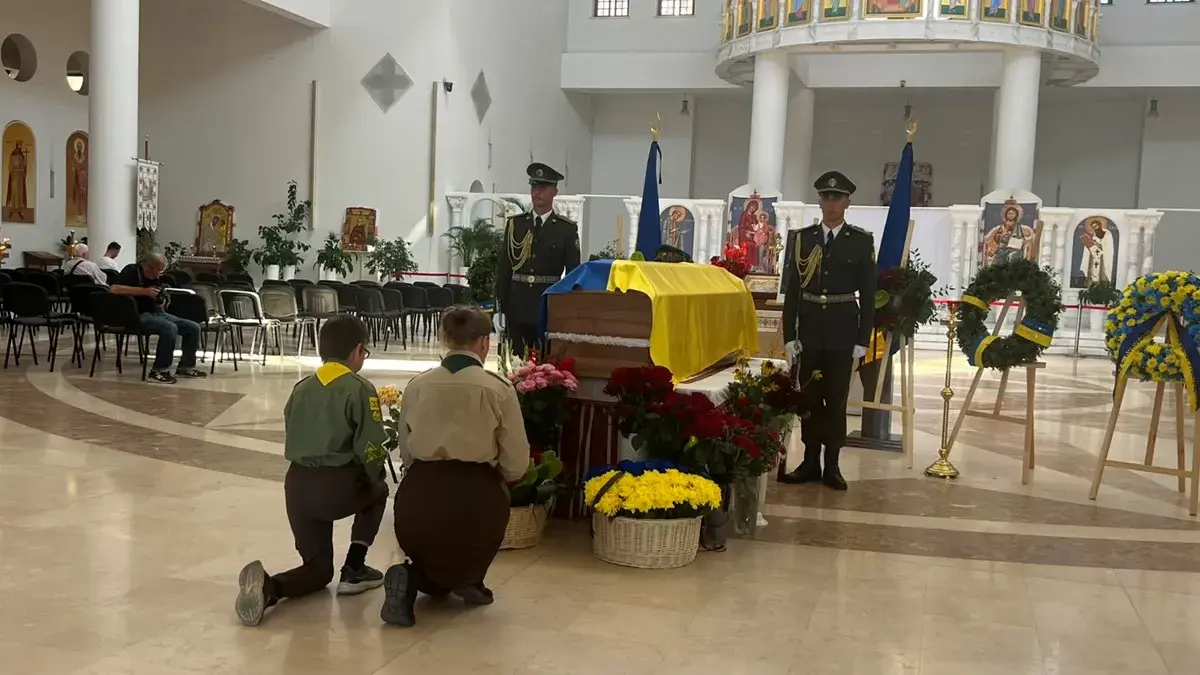
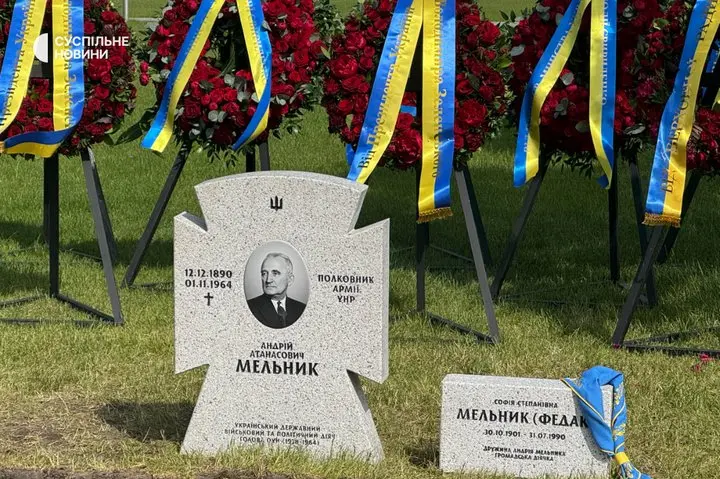
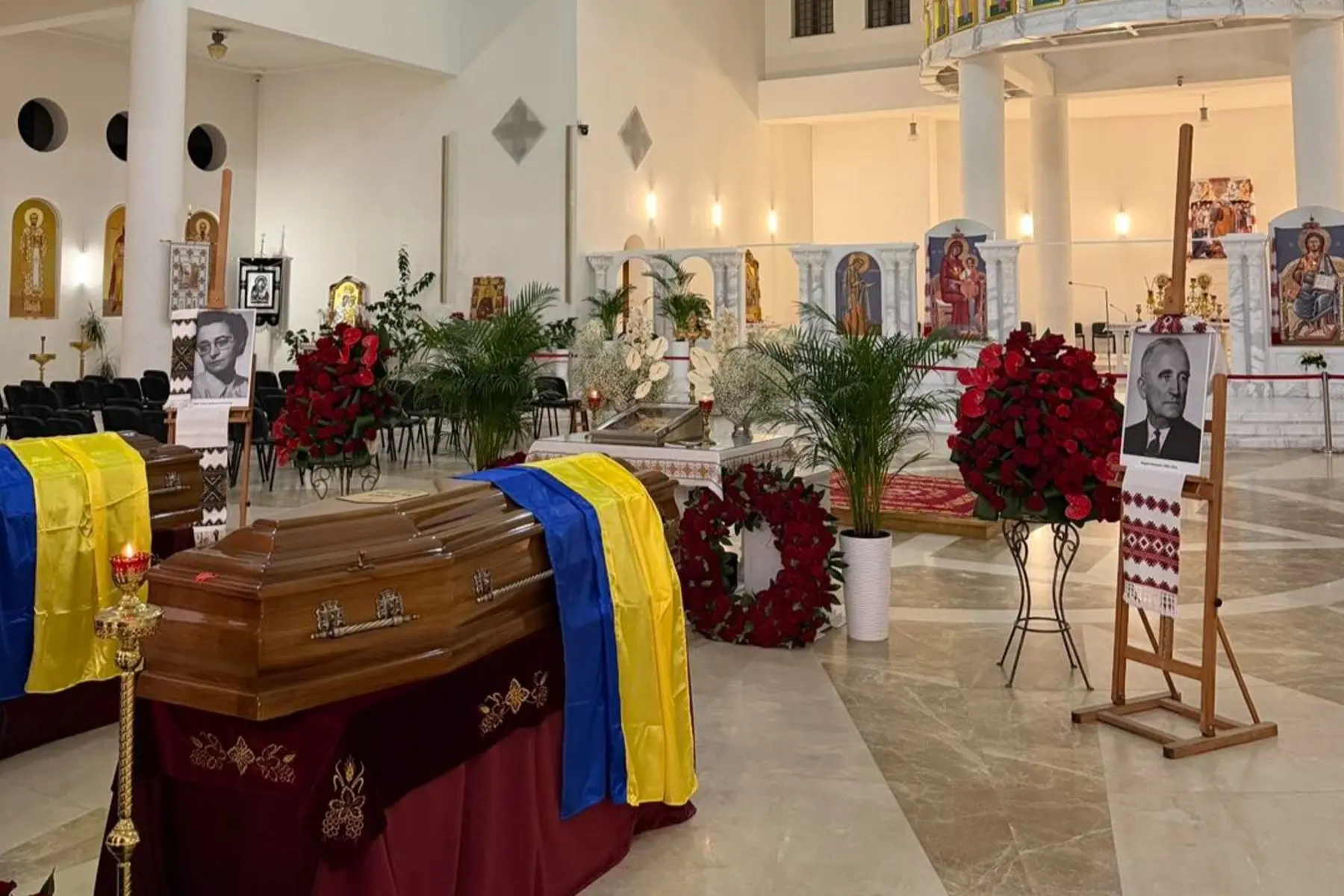
The remains of the head of the Organization of Ukrainian Nationalists, Colonel of the UNR Army Andriy Melnyk, who was buried in Luxembourg for over 60 years, are being returned to Ukraine. After the farewell ceremony at the Patriarchal Cathedral of the UGCC in Kyiv, the Melnyk couple will be reburied at the National Military Memorial Cemetery.
From May 22 to 24, memorial services will be held at the Patriarchal Cathedral of the Resurrection of Christ of the UGCC in Kyiv in connection with the arrival of the remains of Andriy Melnyk and his wife Sofiya Fedak-Melnyk in Ukraine.
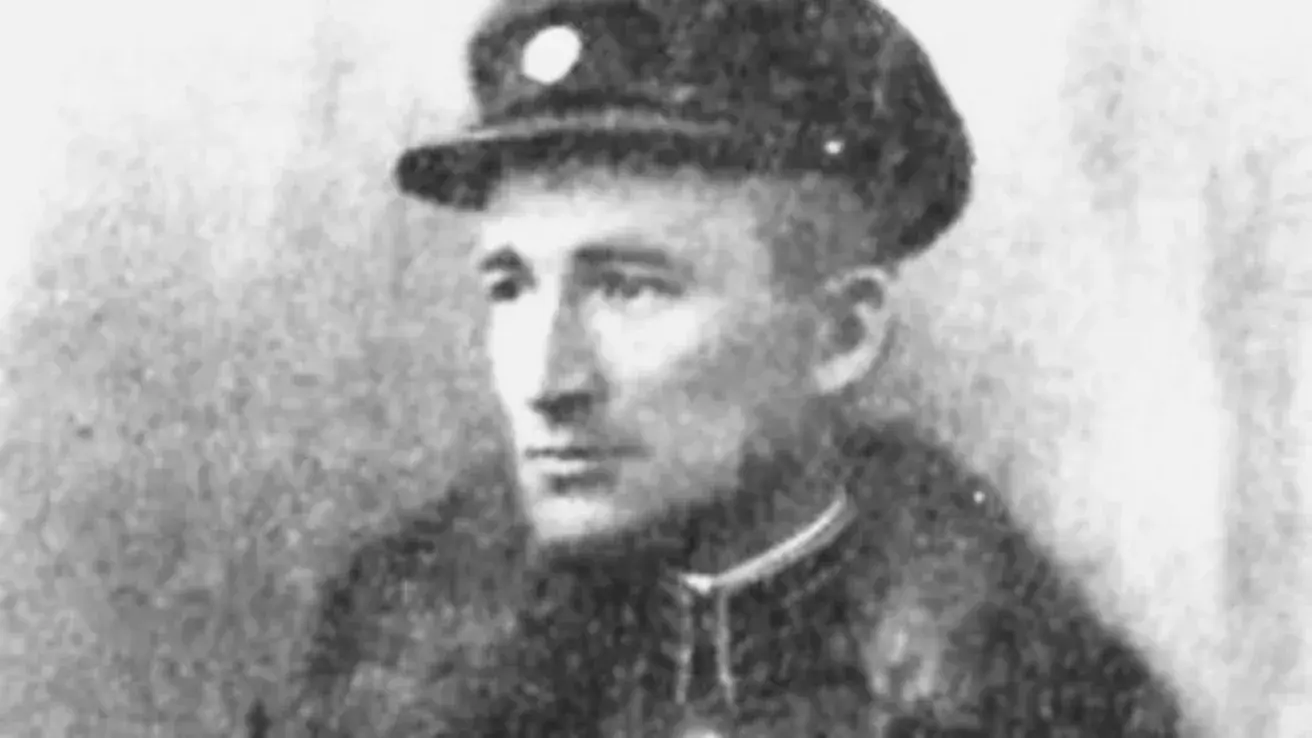
Who is Andriy Melnyk
Andriy Melnyk was a Ukrainian military and political figure and one of the most influential leaders of the Ukrainian nationalist movement in the first half of the 20th century. He was born in 1890 in the Lviv region. During World War I, he served in the Legion of Ukrainian Sich Riflemen and later became one of the commanders of the Ukrainian People's Republic army, attaining the rank of colonel.
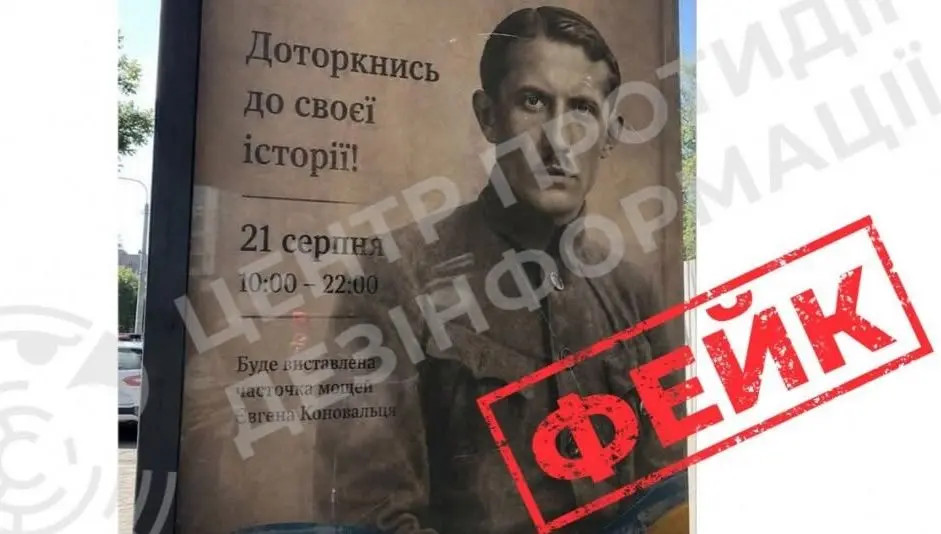
Melnyk was part of the inner circle of associates of Yevhen Konovalets, the founder of the Organization of Ukrainian Nationalists. After Konovalets was assassinated by a Soviet intelligence agent in Rotterdam in 1938, Andriy Melnyk was elected head of the Leadership of Ukrainian Nationalists. Under his leadership, the OUN attempted to maintain a unified structure for the Ukrainian liberation movement in Europe.
Why the OUN split
In 1940, a split occurred within the organization — a portion of the younger and more radical members of the OUN supported Stepan Bandera. Since then, Andriy Melnyk's supporters have been called "Melnykites," and Bandera's supporters "Banderites." Despite the internal conflict, both wings declared a struggle for Ukraine's independence.
Prior to his political career, Melnyk was actively involved in the military organization of the Ukrainian movement. He was one of the founders of the Ukrainian Military Organization, an underground structure created after the defeat of the liberation struggle of 1917–1921. He also participated in organizing the Sich Riflemen formation in Kyiv.
During the interwar period, Polish authorities imprisoned Melnyk for his participation in the Ukrainian nationalist movement. He spent several years in prison. It was after his release in 1929 that he married Sofiya Fedak, the daughter of a well-known Lviv lawyer and public figure. She visited Melnyk regularly during his imprisonment.
Life in exile and death in Luxembourg
During World War II, Andriy Melnyk remained one of the symbols of the Ukrainian political movement in exile. Due to a conflict with the Nazi authorities, he was held under arrest in Germany for a period of time. After the war, he lived in Luxembourg, where he continued his political activities within the Ukrainian diaspora.
Andriy Melnyk died in 1964. He was buried with his wife at the Bonnevoie Cemetery in Luxembourg.
When the farewell and reburial will take place
The Patriarchal Cathedral has approved the following farewell schedule:
May 22:
- at 7:30 and 9:00 — Divine Liturgies for the repose of the soul with a panikhida;
- at 15:00 — initial Rite of Parastas;
- at 18:00 — Vespers;
- at 19:00 — reading of the Psalter.
May 23:
- at 7:30 and 9:00 — morning Divine Liturgies;
- at 15:00 — Main memorial service — Funeral Rite with the participation of hierarchs, priests, laity, and government officials.
May 24:
- at 7:00 — transfer of the coffins to the National Military Memorial Cemetery for burial in the Pantheon of Eminent Ukrainians.
How the decision for reburial was made
The Cabinet of Ministers of Ukraine adopted the government decision on reburial on May 15, 2026. By Decree No. 460, central executive bodies were instructed to organize the exhumation, transportation, and ceremony in Ukraine.
Previously, the President's Office reported on the creation of the Pantheon of Eminent Ukrainians on the territory of the National Military Memorial Cemetery. This refers to the return to Ukraine and reburial of prominent political, military, and cultural figures buried abroad.

Related News