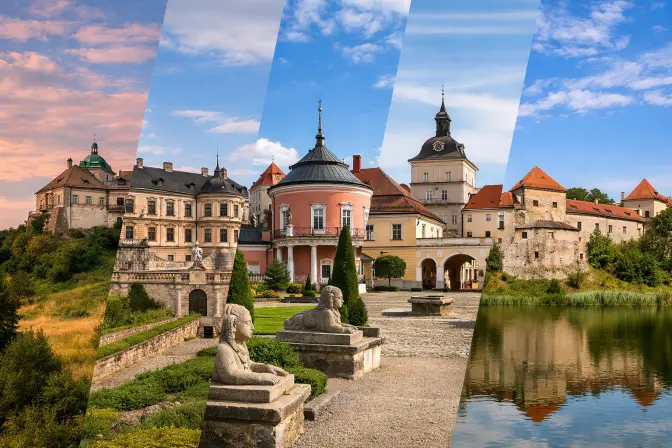
A castle in Lviv Oblast that remembers Khmelnytsky. A tour of one of the most famous fortresses.
26 May 2026, 13:42
26 May 2026, 13:42
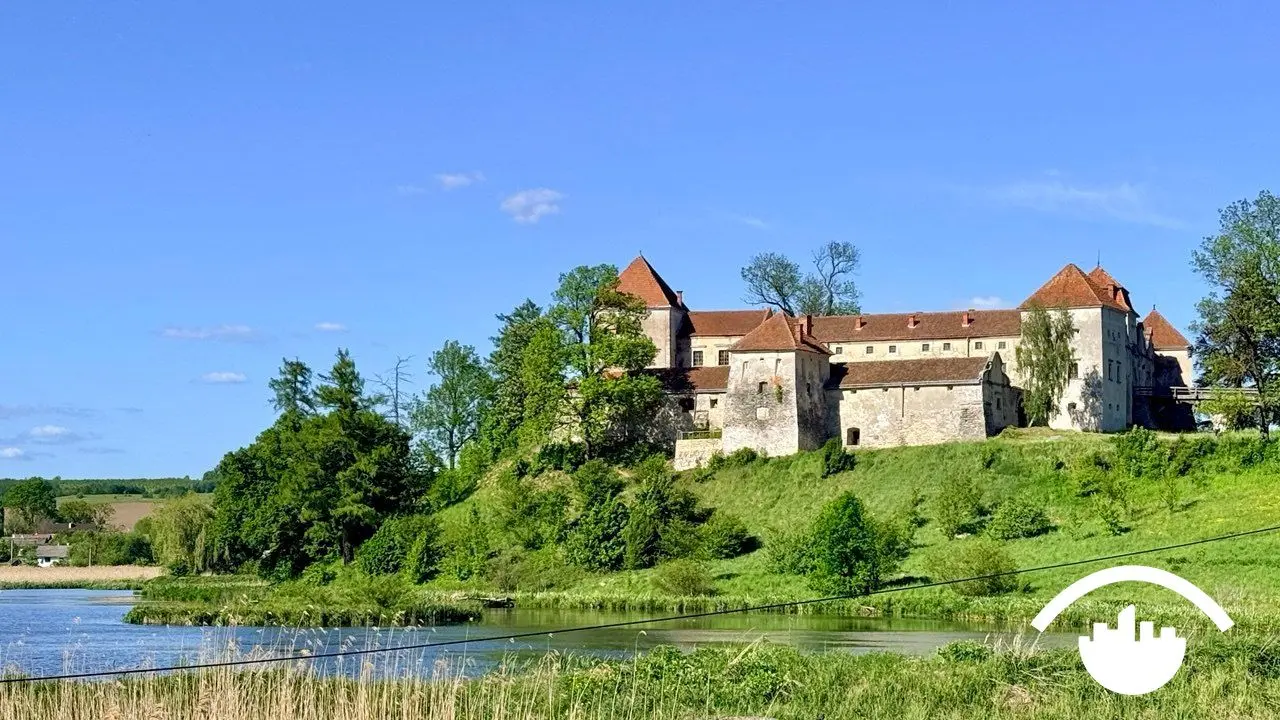
The Svirzh Castle in Lviv Oblast recently launched its excursion season. Over the weekend of May 23-24, it received over 400 visitors. Nadiya Sohor, head of the Svirzh Castle cultural and artistic center, saysYour City" that for such a small castle complex, this is almost a 'stormy wave'.
Today, Svirzh Castle is not just an ancient architectural creation, but a living space where history coexists with very modern things: marriage proposals, children's laughter, and tourist flow.
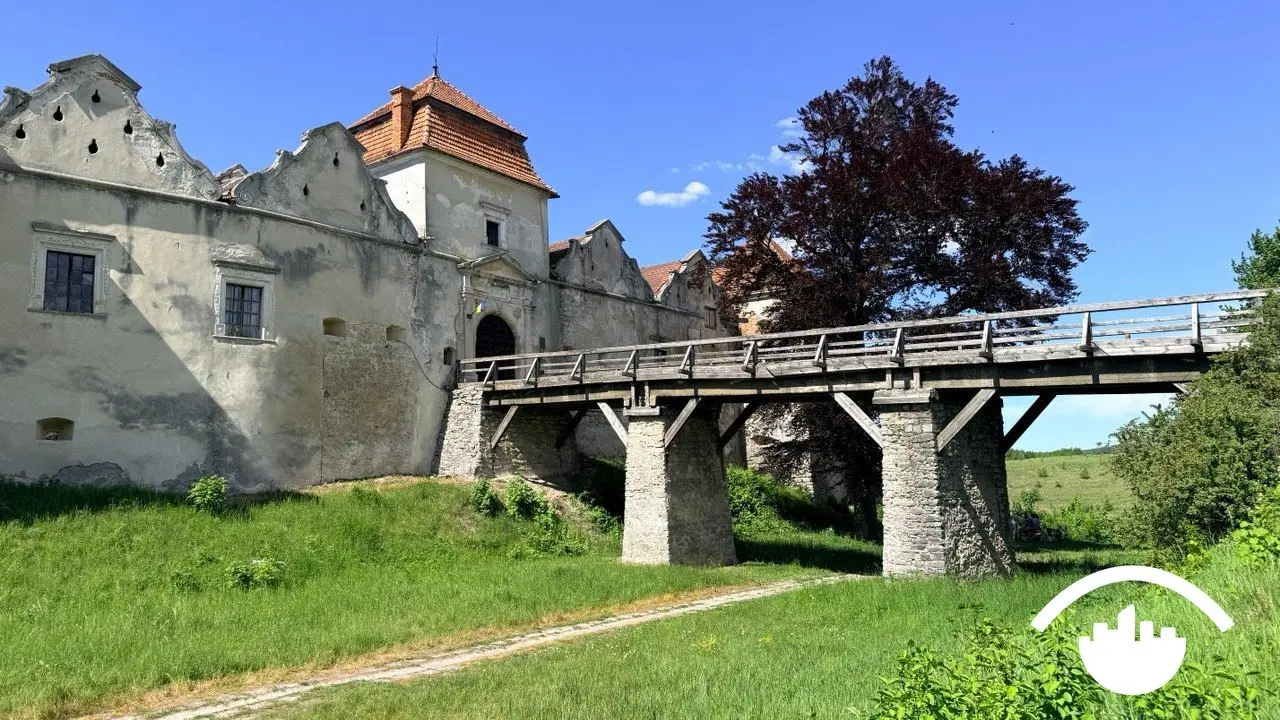
The castle remains a popular place for recreation and walks. During our visit, there were quite a few visitors: some were photographing the architectural details of the fortress, others were walking with children. On the bridge in front of the castle entrance, we also witnessed a marriage proposal. Nearby were families with children, looking for a griffin on the facade of the ancient fortress and photographing stone arches, as if collecting fragments of a great legend.
Indeed, Svirzh Castle today stands not only on stone but also on people. The tour begins not with doors, but with a voice. The guide, Roksolana, speaks of Svirzh as if it were not a place, but a living being, hiding incredible architectural creations within itself.
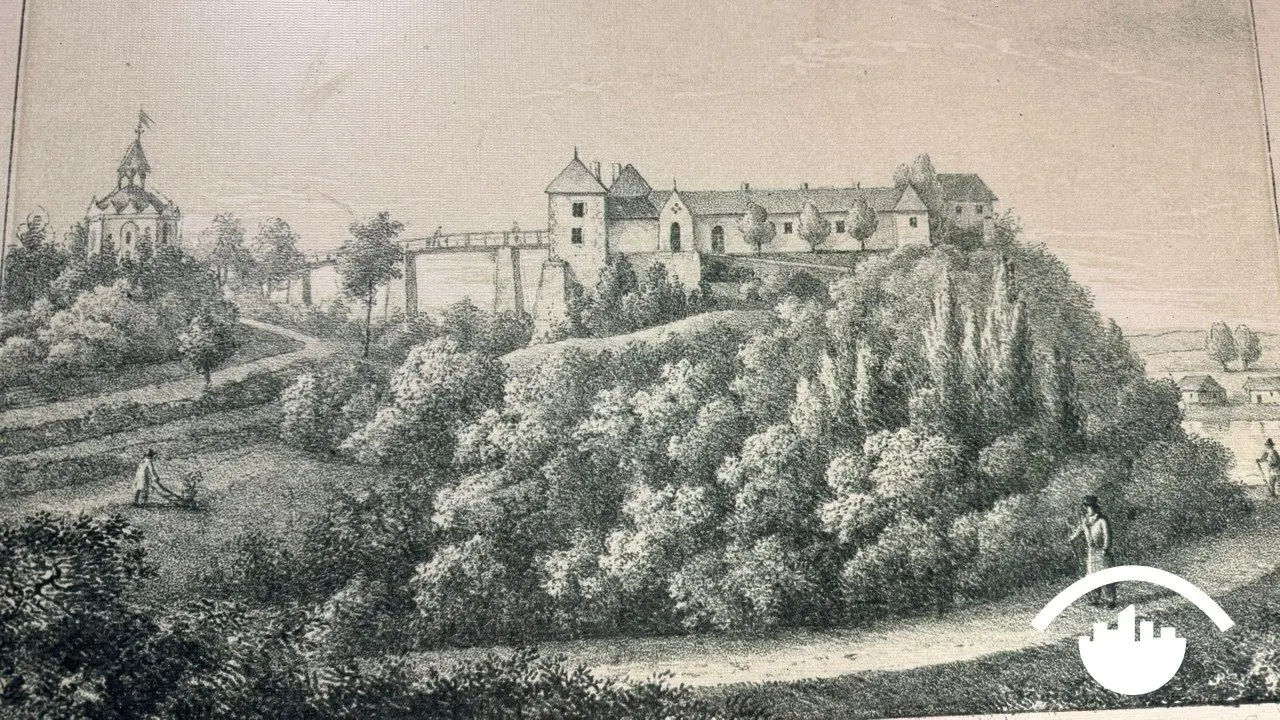
Then the history unfolds in layers, says the guide. In the mid-15th century, the boyar Ivan Hlib Tetykovych moved his court here from the village of Romaniv. Later, the Svirski brothers established themselves here, giving rise to the castle as a defensive structure. Initially, it was a one-story, four-sided residence.
The Svirski brothers also built a church across the road from the park area – now it's a Greek Catholic church where crypts with family burials are kept. There was also a signal tower on the territory, where tar was lit during attacks to warn of danger.
A Griffin Guarding the Castle
On the facade of one of the towers is a griffin, a mythical creature that cannot be missed here.
"You may have already seen this incredible creature when approaching the castle. The griffin is located on the left side," Roksolana explains.
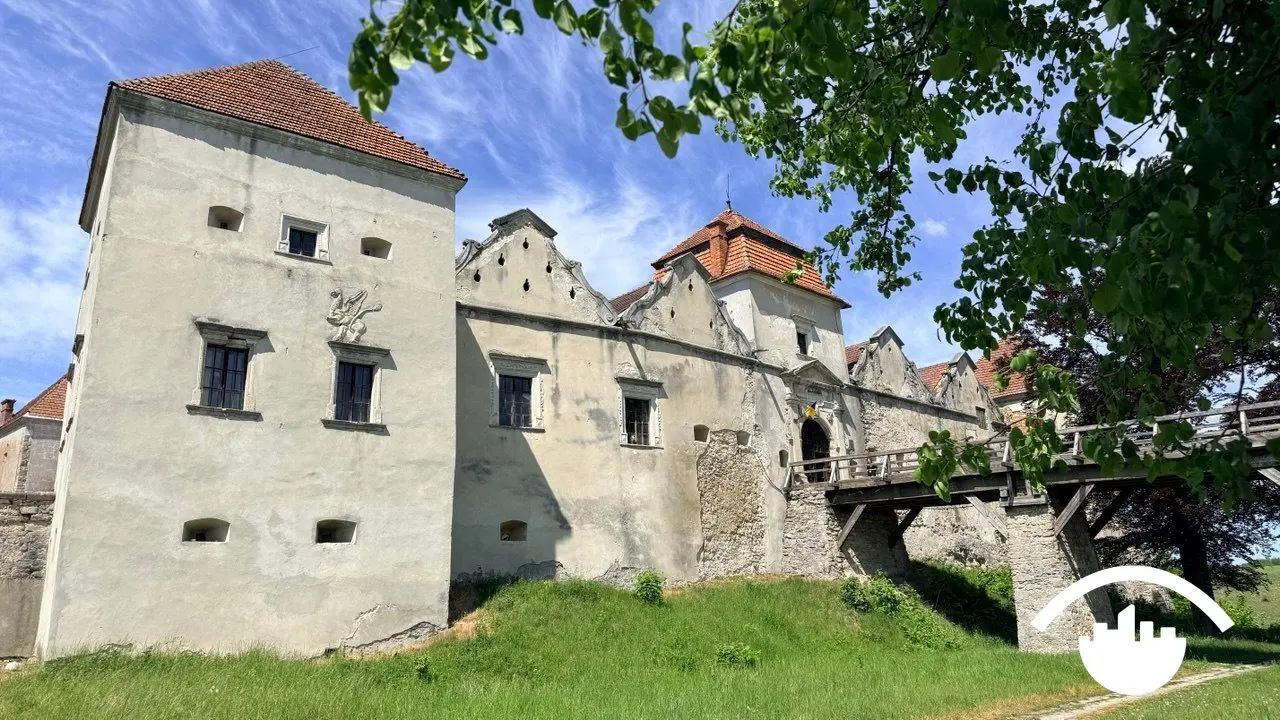
A griffin is a combination of a lion and an eagle. Its appearance here is associated with Ignacy Cetner, the Belz Voivode. The ancient coat of arms of Belz was a griffin, and he transferred this symbol to the castle as a sign of his service. Today, it is one of the main symbols of the fortress.
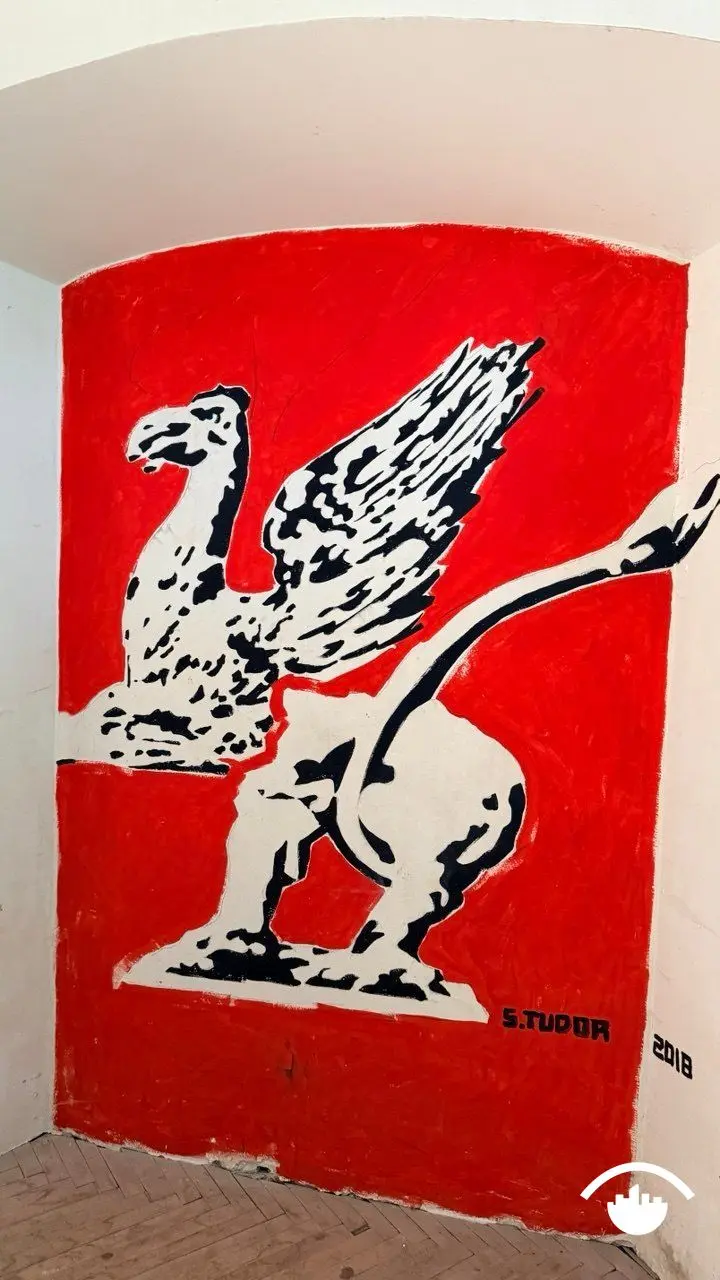
On one of the inner walls of the fortress, we see a griffin against a bright red background. "In 2018, during the 'Svirzhenese Castle' exhibition, artists created a modern image of the griffin inside the castle," explained Roksolana.
A Castle That Changed Roles
Svirzh Castle has survived more than one era and more than one function. It has withstood Tatar raids, wars, and Turkish attacks, as well as numerous reconstructions by its owners.
According to the guide, during the Soviet period, the former fortress was turned into a tractor driver school. It was then that heavy machinery, passing through the gate, left characteristic "scars" on the stone, which are still visible today.
In the 1970s, the castle was transferred to the Union of Architects of the USSR. It was partially rebuilt into a recreation base – and traces of that period can still be read in the long corridors and the internal logic of the space.
Bats, Silence, and Living Stone
Wandering through the castle premises in the evening, one occasionally hears an inexplicable noise.
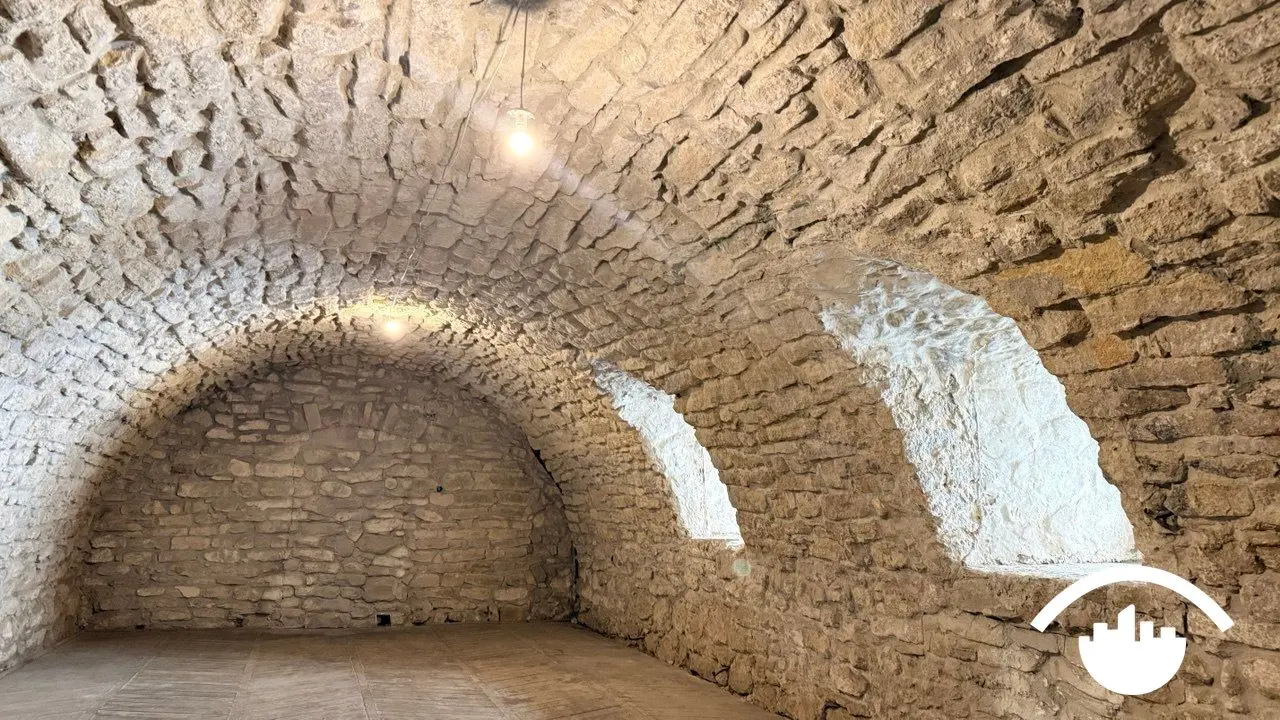
In the twilight, the fluttering of their wings adds a special mystery to the castle, as if reinforcing the feeling that it is never completely empty.
A Landscape That Continues the Story
The castle is integrated into a landscape that works with it as a single system. To the right are hills with fields, to the left is a pond where French snails are still found. In front of the gate are the remains of an old park, the ruins of a tower, and a bridge over a moat. A red-leaved maple grows nearby, and not far away are a 300-year-old ash and century-old oaks.
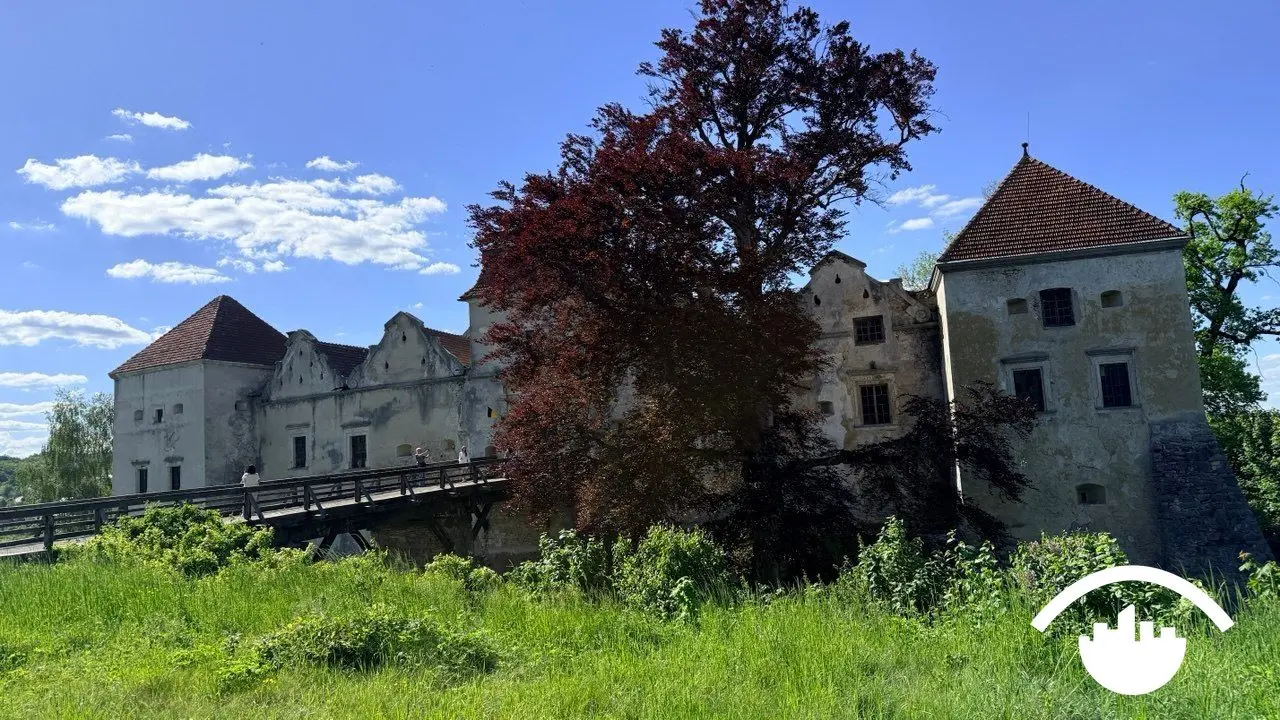
This territory is studied not only by historians and architects but also by ecologists: after all, rare trees, natural elements of the old park, and a stable ecosystem that has survived even periods of castle decline are preserved here.
And it is this interaction of nature and architecture that makes Svirzh Castle not just a monument, but a living environment in which history continues.
And this special atmosphere is felt not only within the walls. Outside them, on the hills by the pond, life also has its own slow, almost meditative rhythm. Here, people spread out blankets, have family picnics or quiet romantic gatherings, watching the swans on the water.
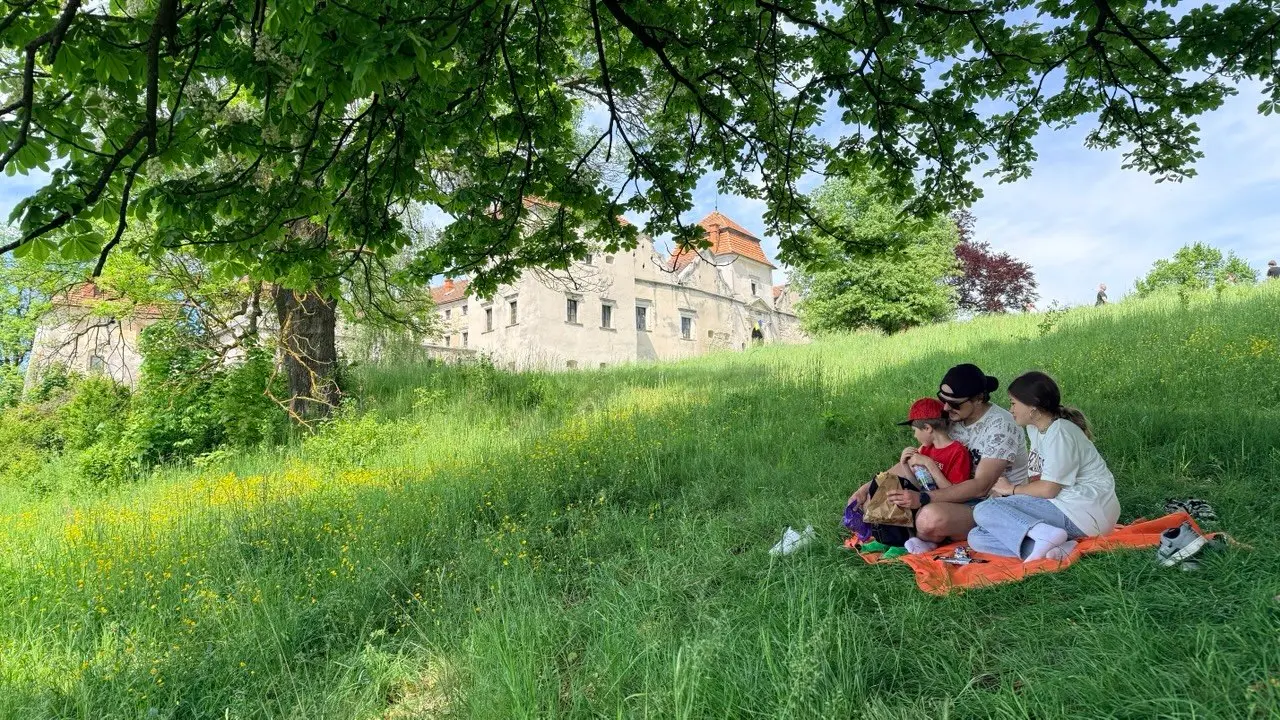
In this space, another facet of Svirzh is revealed – a place where natural landscapes, history, and silence merge into a single atmosphere, and the sense of time seems to dissolve between the hills and the water.
In the 20th century, the castle also became a film location – the films "D'Artagnan and Three Musketeers," "Hetman," and "Dovbush" were shot here. After that, it definitively established itself as a place where history easily transitions into the frame.
A castle that remembers more than it seems
Svirzh Castle preserves not only historical facts but also legends, which are still told here during excursions – as if part of the space that lives alongside documentary chronicles.
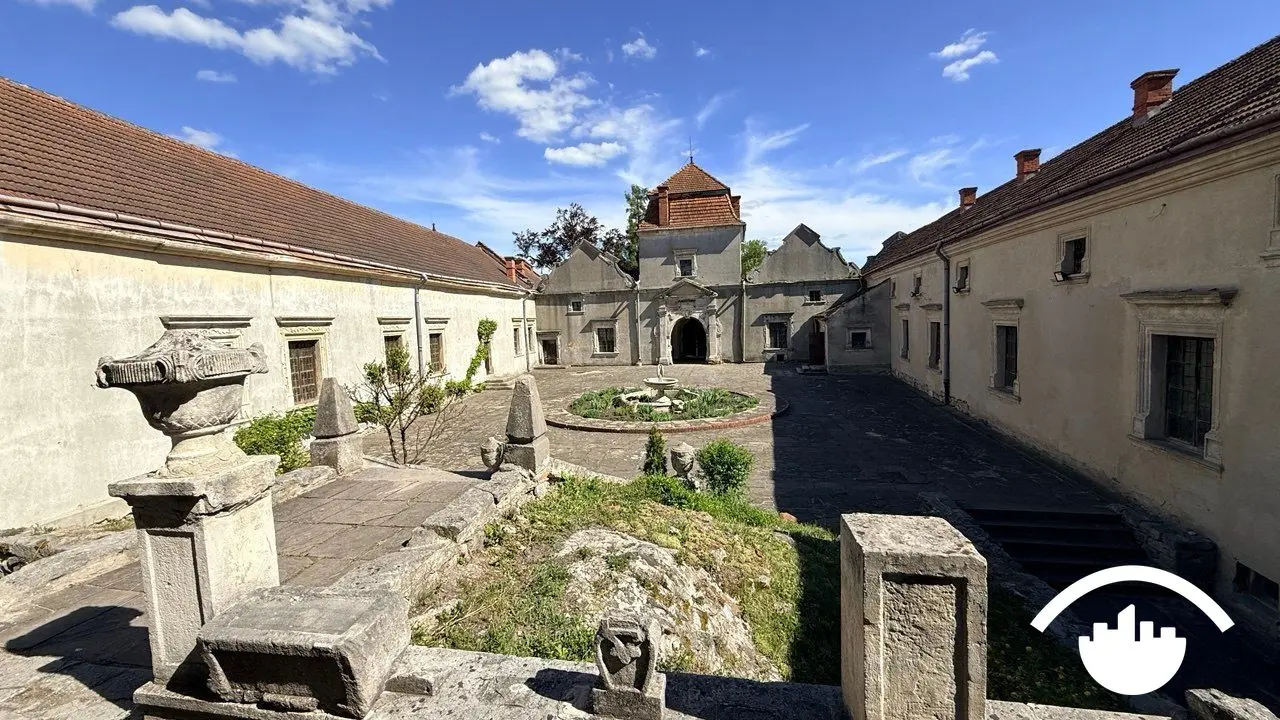
One of the most famous is connected with the well in the inner courtyard. According to legend, a tragedy once occurred here – a girl died from falling or drowning in this deep stone pit. The details of the story vary depending on the narrator: some speak of an accident, others of a love affair that ended in betrayal.
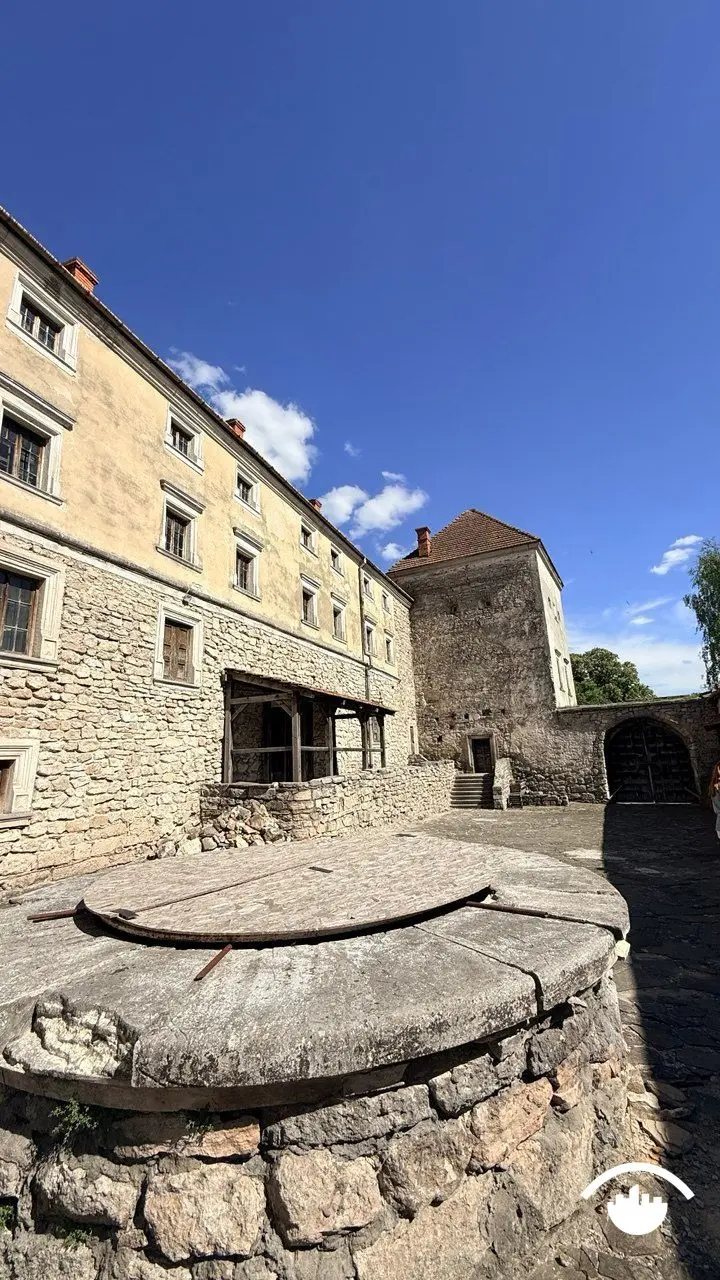
Local guides do not present this story as a fact, but they do not deny its existence in oral tradition either. And this is precisely why it sounds special – as part of the castle's "living memory," which is not inscribed in dates but is repeated with each new group of visitors.
How the castle operates and ticket prices
Today, Svirzh is open only on weekends – from 10:00 to 17:00.
The ticket price for adults is 150 hryvnias, for students and pensioners – 80 hryvnias. Children under 12, military personnel, and people with disabilities can visit the castle for free. For groups of 15 or more, pre-registration is required.
Read also: The restoration of a Lviv temple may take decades: what specialists have already discovered.
Recall, Svirzh Castle is an architectural monument of national significance, founded at the end of the 15th century by brothers Andriy and Martyn Svirzsky as a defensive fortress. In the 17th century, Count Oleksandr Tsetner rebuilt it into a Renaissance residence under the guidance of military engineer Pavlo Hrodzytsky.
The castle has repeatedly suffered destruction during wars and attacks, but has preserved key architectural elements: Renaissance portals, an inner courtyard with a well, defensive structures, and decorative details.
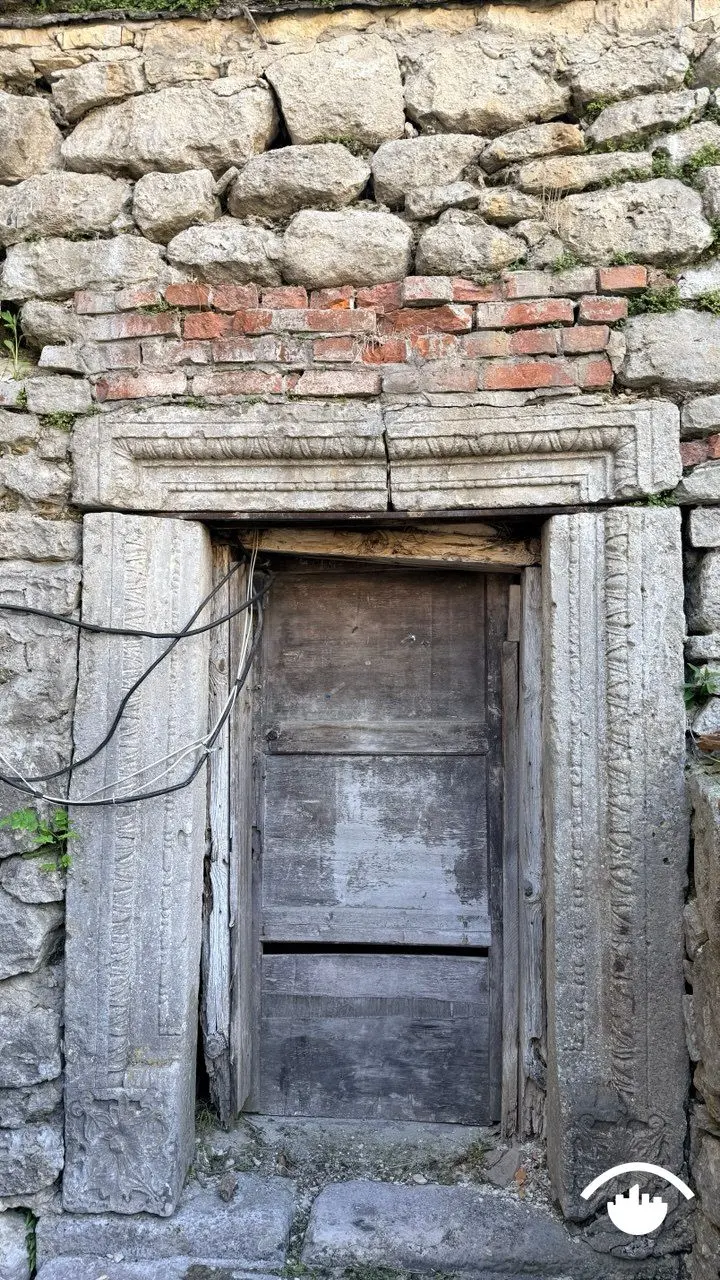
In the 20th century, it housed warehouses, a tractor driver school, and an architects' base, followed by partial restoration. Svirzh gained new popularity thanks to film shoots and is now a tourist, cultural, and artistic location in the Lviv region.

Related News