The study named a figure: how many Ukrainians want to resolve the historical conflict with Poland
24 June 2026, 14:47
24 June 2026, 14:47
The Kyiv International Institute of Sociology (KIIS) conducted a nationwide survey from June 17–23, 2026. public opinion poll devoted, in particular, to the attitude of Ukrainians towards ways of resolving historical disputes between Ukraine and Poland.
The study interviewed 1005 respondents aged 18 and over in the government-controlled territory of Ukraine using a telephone interview (CATI) method. The statistical error of the sample under normal conditions does not exceed 4.1%, however, researchers emphasize that additional systematic deviations are possible in wartime conditions.
Read also: Yushchenko, in protest against Warsaw's policy, also refused the Order of the White Eagle
Sociologists note that the results generally remain representative for analyzing public sentiment.
How Ukrainians see the resolution of historical disputes
Respondents were offered four approaches to resolving historical differences between Ukraine and Poland – from confrontational to compromising.
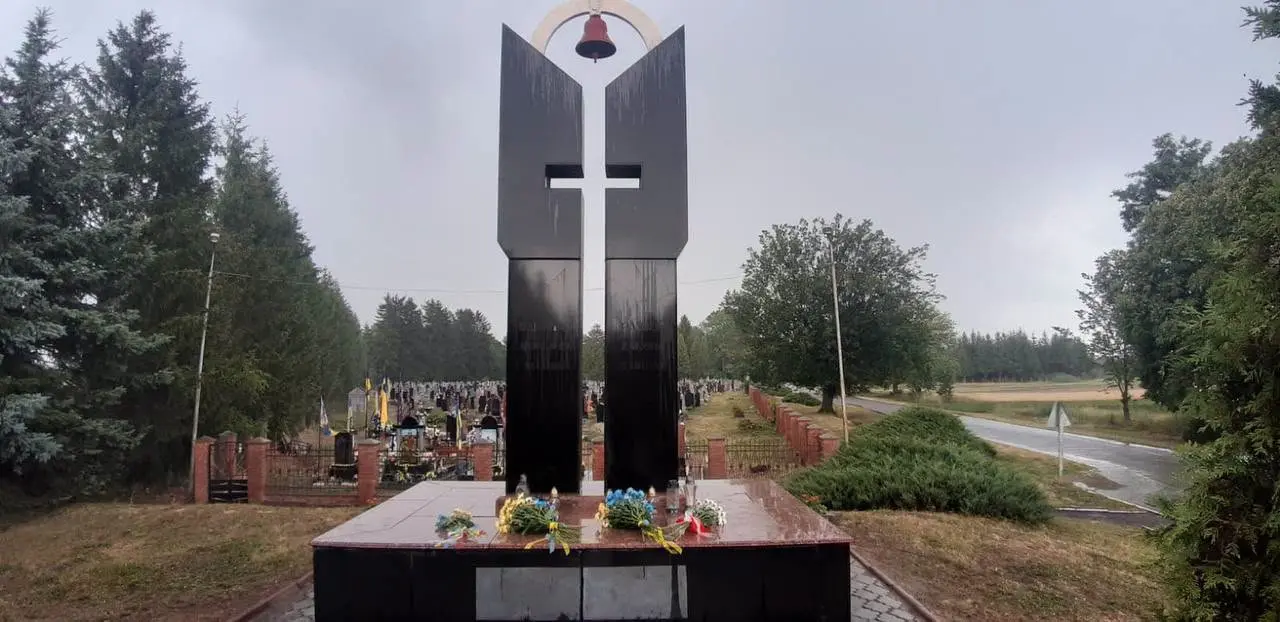
Read also: Not only Volyn. Historians found that 30,000 Ukrainians died during those times
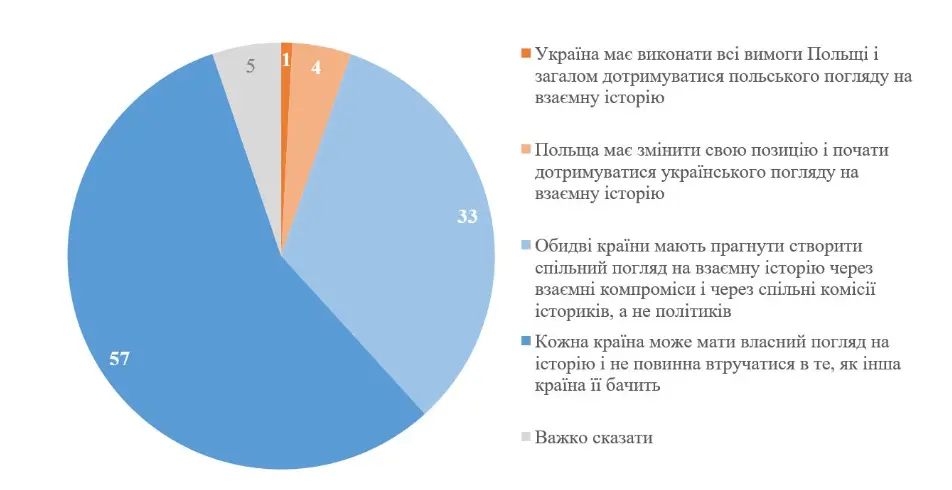
Only 5% of respondents supported confrontational scenarios: 1% believe that Ukraine should accept the Polish position on common history, and another 4% – that Poland should agree with the Ukrainian interpretation.
Instead, the vast majority – 90% – chooses constructive options. In particular:
– 57% believe that each country has the right to its own vision of history and should not interfere with the interpretation of another;
– 33% support the idea of joint work by historians and the search for a compromise view through expert commissions.
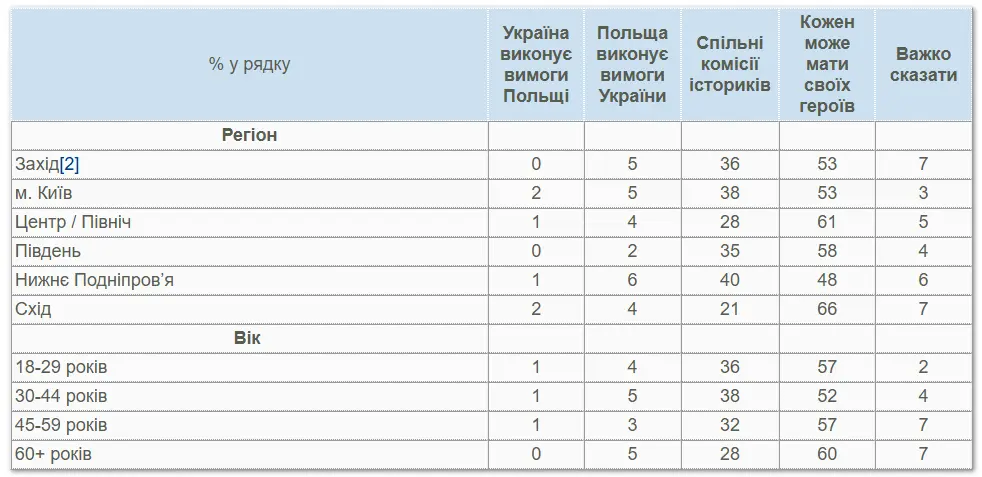
KIIS also reminds that similar trends have been recorded before. In 2023, the majority of Ukrainians opposed mutual coordination of historical policy between Ukraine and European countries, particularly concerning historical figures.
Sociologists emphasize that the current results continue this logic – the position of non-interference in the internal historical interpretations of other states or the search for professional dialogue between historians dominates.
KIIS notes that Ukrainian society demonstrates a low level of support for confrontational approaches in historical policy and a predominant orientation towards either mutual autonomy in interpreting history or expert dialogue between the parties.
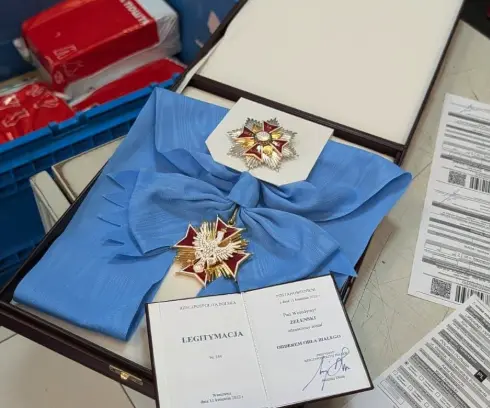
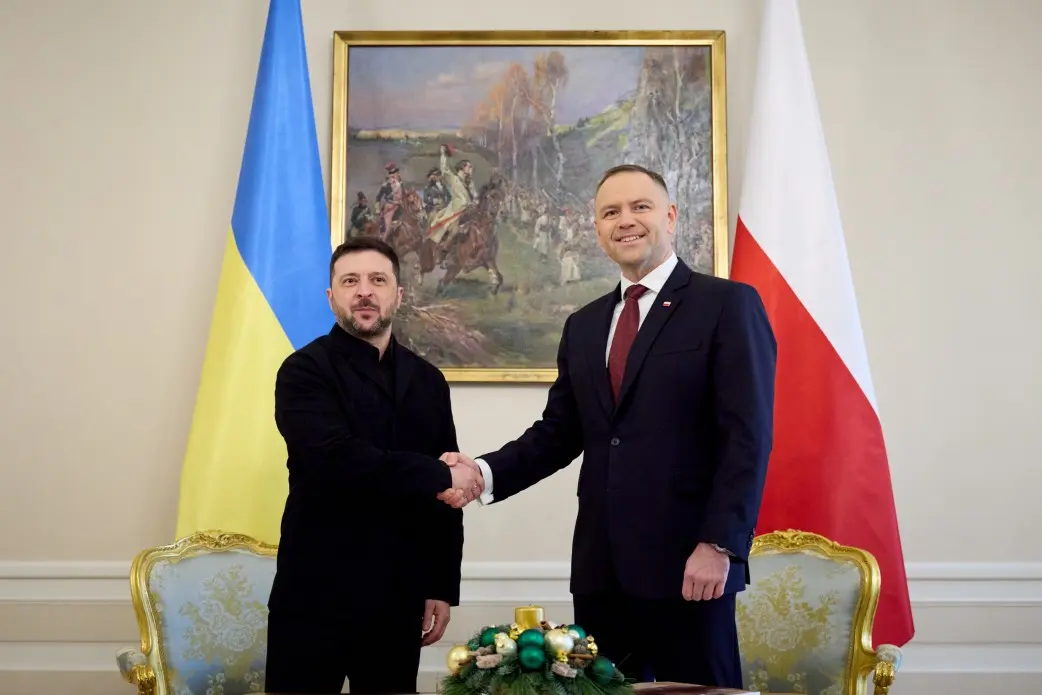
We remind you that on June 19, on social network X, the President of Poland, Andrzej Duda, announced the deprivation of the President of Ukraine, Volodymyr Zelenskyy, of the Order of the White Eagle , Poland's highest state award, in connection with the naming of one of the Ukrainian units in honor of the UPA. He also stated that Poland will not allow those who do not understand the need to abandon "the cult of totalitarianism and violence" to join the EU.
After this, Zelenskyy sent the Order to Poland via "Nova Poshta".
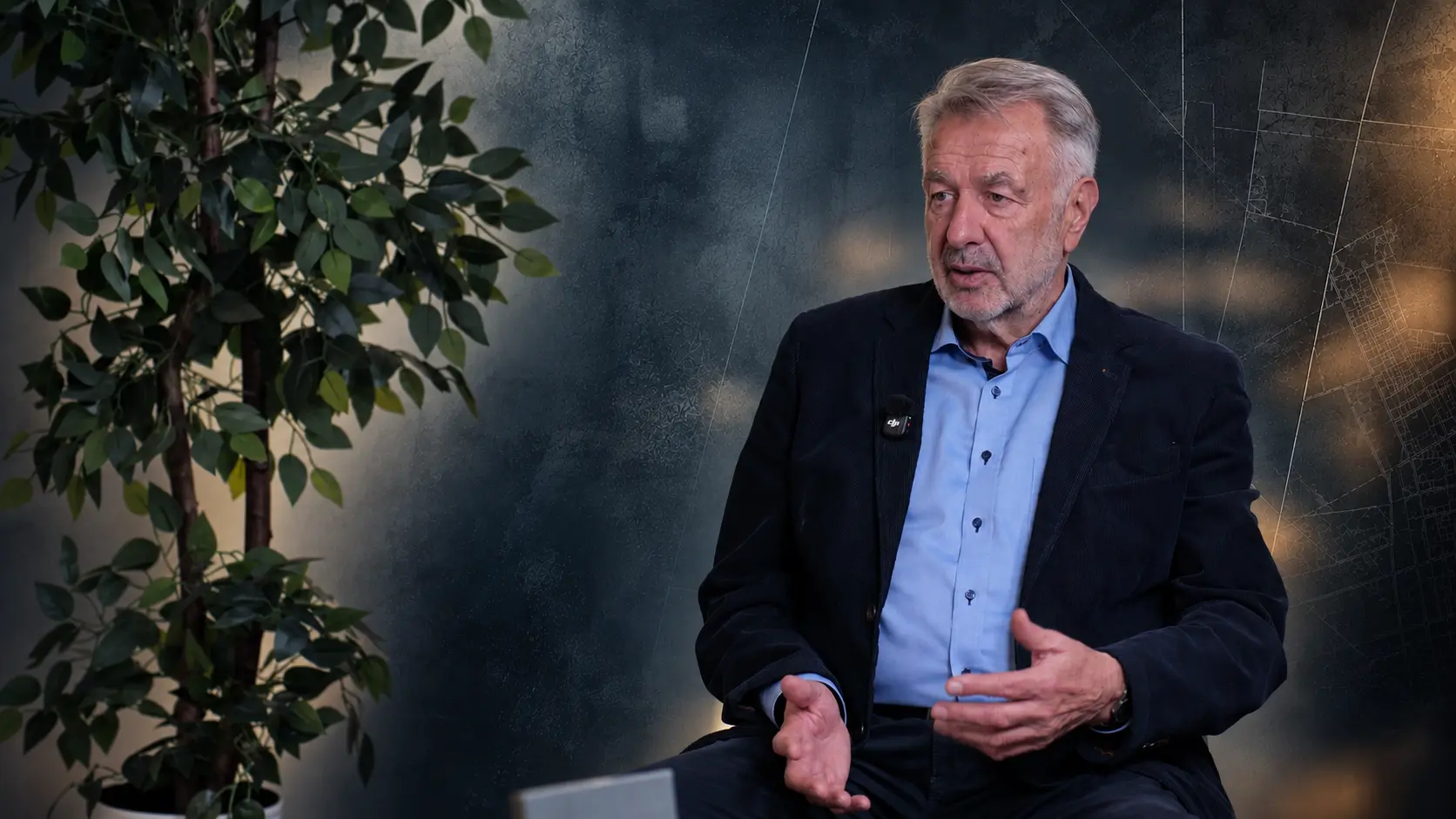
Historian Ihor Halanhida told "Your City" about the truth and myths of the Volyn tragedy, about the 30,000 Ukrainian victims of that period, 20,000 of whom are named, why Sagryn should become a new symbol for Ukrainians, and proposes a constructive approach in the Polish-Ukrainian discussion – not to argue about who started it first and who is to blame. Read here.

Related News