In Lviv, they explained for the first time how paintings they want to keep in Poland will be returned.
27 July 2026, 14:57
27 July 2026, 14:57
In Lviv on July 27 a briefing was held regarding the situation around two paintings from the Lviv Historical Museum's collection, to which private individuals (the Lubomirski family) in Poland are asserting their rights. The event was organized after the museum received notification of the initiation of legal proceedings in the Republic of Poland concerning interim measures on two canvases currently exhibited abroad as part of the international exhibition 'Borders of Europe. From the Treasury of the Lviv Historical Museum'.
The main topics discussed:
According to Roman Chmelyk, director of the Lviv Historical Museum, the international exhibition project was implemented in accordance with the state strategy for cultural development and the popularization of Ukrainian history worldwide. At the same time, given the war, the security aspect was also important.
The exhibition is held under the patronage of the Embassy of Ukraine in Wrocław. It began its work on November 25, 2024, in Lublin, after which it was exhibited in several Polish museums – in Wrocław, Poznań, and Słupsk. The exhibition includes 605 museum objects from the collection of the Lviv Historical Museum that they want to return.
About the opening of the case
As reported by Roman Chmelyk, on July 22, the Lviv Historical Museum received an official notification from the director of the Museum of Middle Pomerania in Słupsk about the initiation of legal proceedings.
After this, the Lviv Museum promptly informed the Lviv Regional Council, the Lviv Regional Military Administration, the Ministry of Culture and Strategic Communications of Ukraine, the Embassy of Ukraine in Warsaw, and the Consulate General of Ukraine in Gdańsk.
On July 24, a Polish court made a decision to secure the claim and prohibited the movement of two paintings until the case is resolved on its merits.
How the cultural heritage of the Lubomirskis ended up in Lviv
According to Roman Chmelyk, after the liquidation of the Lubomirski Museum by the Soviet authorities in 1940, its collections were distributed. Some artworks remained in the Stefanyk Library, some in the Museum of Ethnography and Crafts, the Lviv National Art Gallery, and the Lviv Historical Museum.
Roman Chmelyk emphasized that museum objects are not the property of individual museums.
A similar precedent has already occurred
During the briefing, Roman Chmelyk recalled a similar situation in 1994. At that time, the exhibition 'Treasures of Galician Jews' traveled to Israel after being exhibited in Poland.
Some of the exhibits became the subject of claims by the heirs of Maksymilian Goldstein, a prominent Ukrainian collector of Jewish heritage, who had transferred exhibits to the city industrial museum for temporary storage. However, courts in Israel confirmed Ukraine's right to these museum objects, after which the entire exhibition returned home.
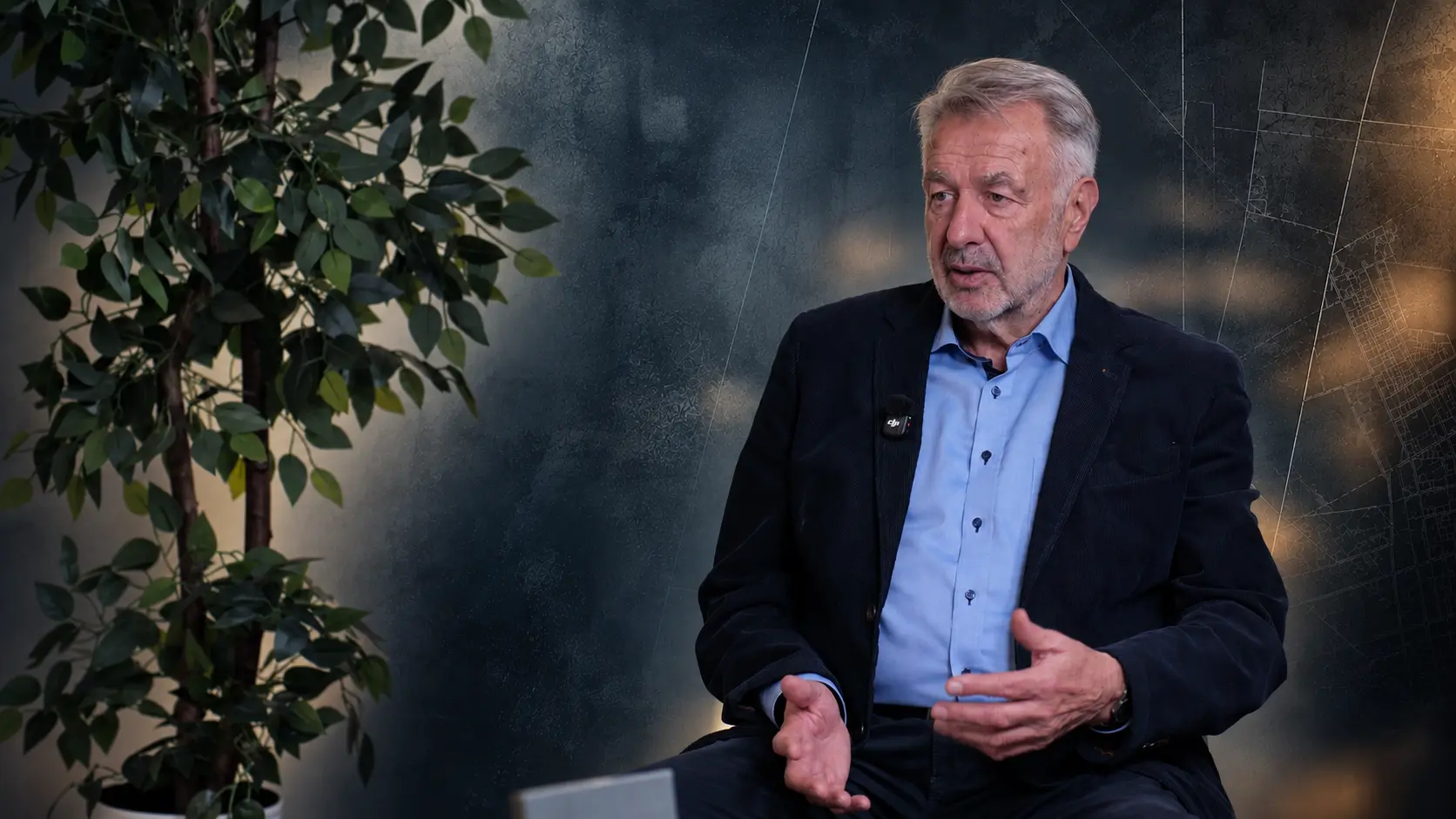
In a comment to 'Your City,' the director of the Lviv Historical Museum, Roman Chmelyk, explained who made the decision to take the paintings to Poland, whether similar claims could concern other Ukrainian museum exhibits, and what the risks are.
At the same time, when asked about possible claims regarding other museum objects, Roman Chmelyk replied:
Read also: Poles want to keep paintings from Lviv that were evacuated due to the war
"This is not a dispute between the state of Poland and the state of Ukraine."
Viktor Kusiy, Deputy Head of the Property Management Department of common property of communities of the Lviv Regional Council, emphasized that as soon as they learned about the court proceedings, a relevant appeal was sent to the highest leadership of the country, to the President of Ukraine, the Prime Minister of Ukraine, and the Minister of Culture to take appropriate measures.
He also emphasized that the Polish court's decision does not currently determine ownership rights to the paintings. It only concerns a lawsuit for a temporary injunction against the transfer or export of the artworks outside of Poland until the case is finally reviewed.
Who should control this situation
Deputy Head of Lviv Regional Military Administration Ivan Sobko reported that immediately after receiving information about the court case, the regional administration contacted the relevant institutions.
According to him, the issue is under the control of the Ministry of Culture, the Ministry of Foreign Affairs, and the Ministry of Justice of Ukraine.
It is the Ministry of Justice, in accordance with the law, that must ensure the representation of the interests of the state of Ukraine in foreign courts. For this, the Polish side must officially transfer the case materials to the Ukrainian authorities, after which the state's legal position will be formed.
At the same time, he expressed hope that the situation would be resolved without damaging Ukrainian-Polish relations.
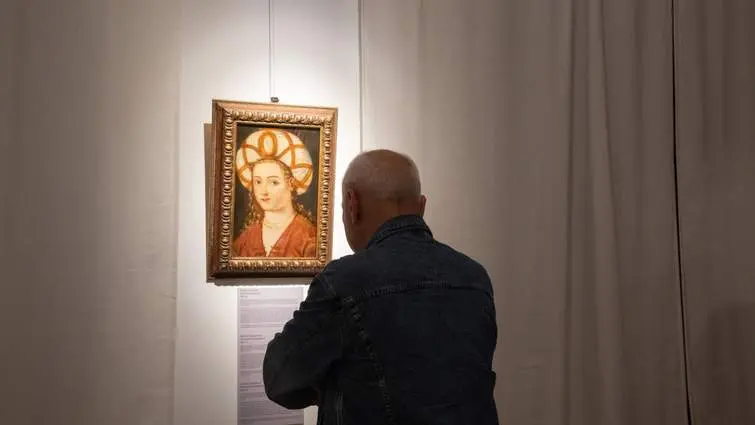
We remind you that in Poland a court dispute arose around the collection of the Lviv Historical Museum, which, after the full-scale invasion of Russia began, was evacuated to Poland to protect it from bombings. Now, representatives of the heirs of Prince Andrzej Lubomirski are demanding that the canvases not be returned to Lviv until the court proceedings are completed. This concerns paintings currently exhibited at the "Europe's Borderlands – from the Treasury of the Lviv Historical Museum" exhibition at the Museum of Central Pomerania in Słupsk. Among them are the "Portrait of Roxolana" by an unknown author of the 16th century and the "Portrait of a Young Man" (1850) by Alois Reichan. The heirs' representatives claim that these works originate from the collection of the Przeworsk Ordinate of Andrzej Lubomirski, a significant part of whose heritage remained in the territory of modern Ukraine after World War II.

Related News