"Galician Versailles" in Sheptytsky: how the luxurious Potocki family palace ended up on the verge of ruin
07 July 2026, 16:15
07 July 2026, 16:15
When the Potocki Palace is mentioned, most people immediately recall the magnificent building on Kopernyk Street in Lviv. However, the true family nest of this most famous magnate family, the Potockis, was located in their own town of Kristynopil. Today this town is known as Shchêtsy, and until recently – Chervonohrad.
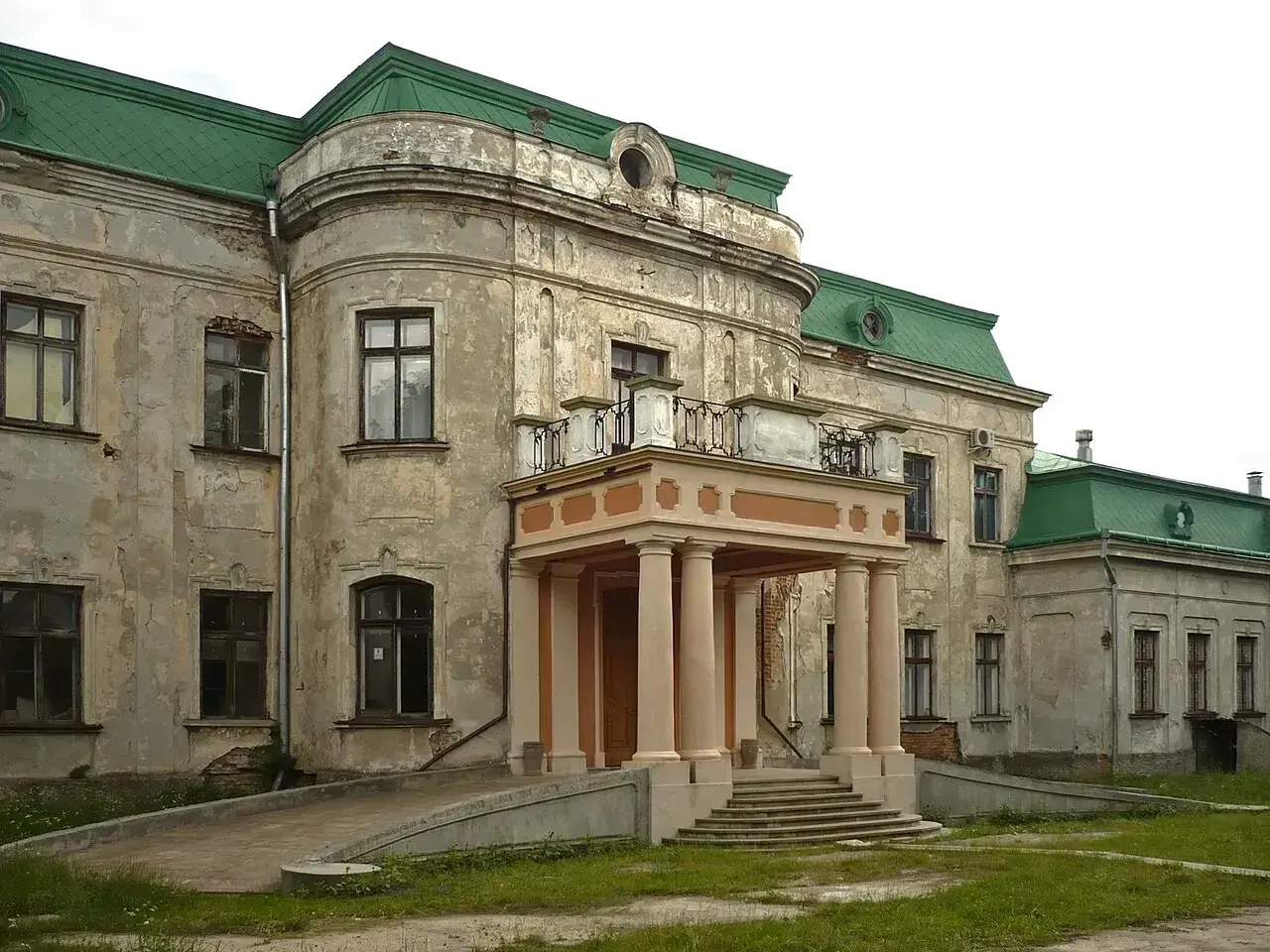
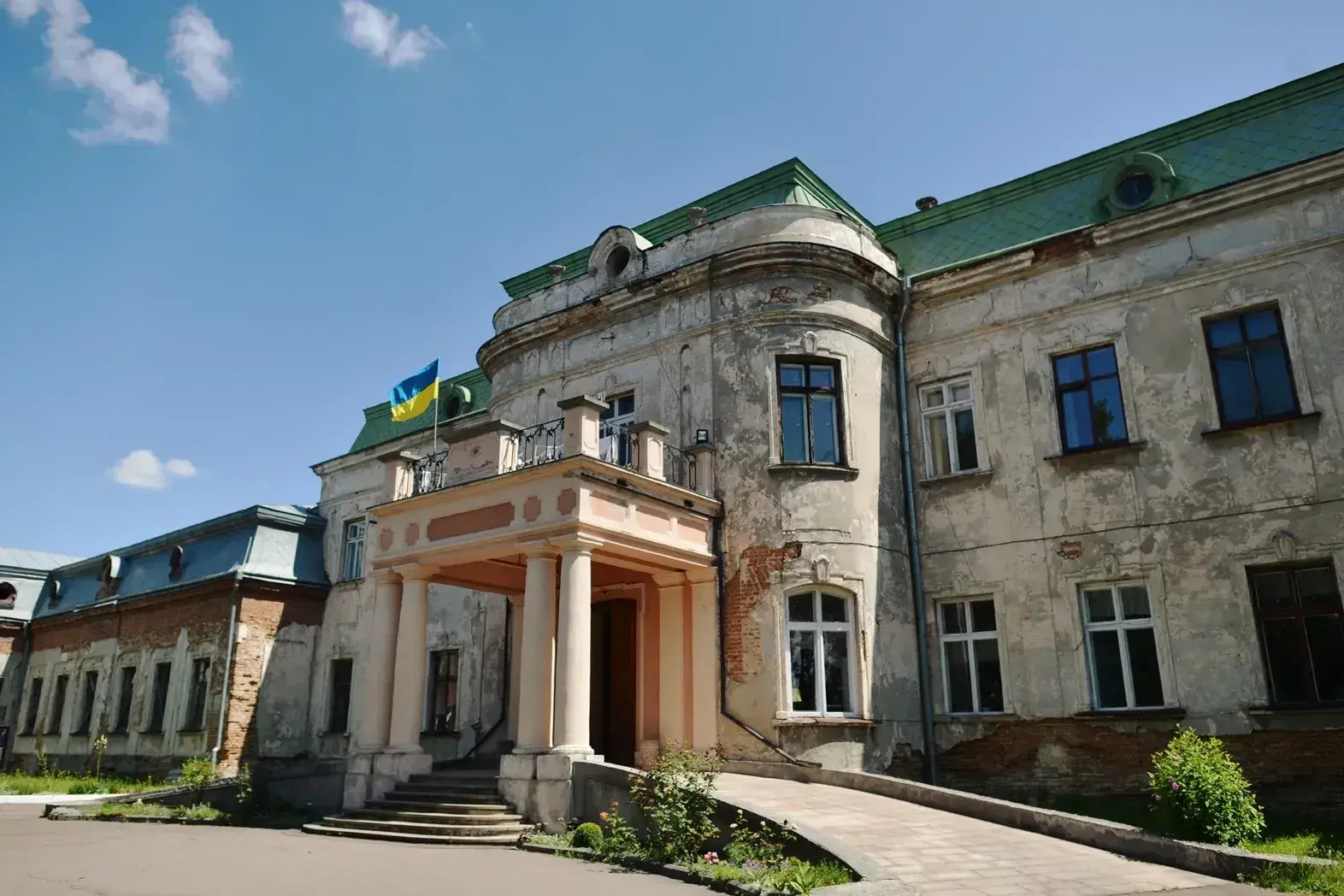
Here, on the banks of the Western Bug, the life of the aristocracy once thrived, Giacomo Casanova was a guest, and the estate itself was not inferior to European royal residences in its luxury. Why today the "Galician Versailles" is in a dilapidated state and whether there are chances for its salvation, tried to find outYour city".
From a defensive castle to the "little king of Rus'"
The city of Khrystynopil was founded in 1692 by the Krakow voivode Feliks Kazimierz Potocki, naming it in honor of his wife Krystyna Lubomirska. At the same time, the first fortified residence was built.
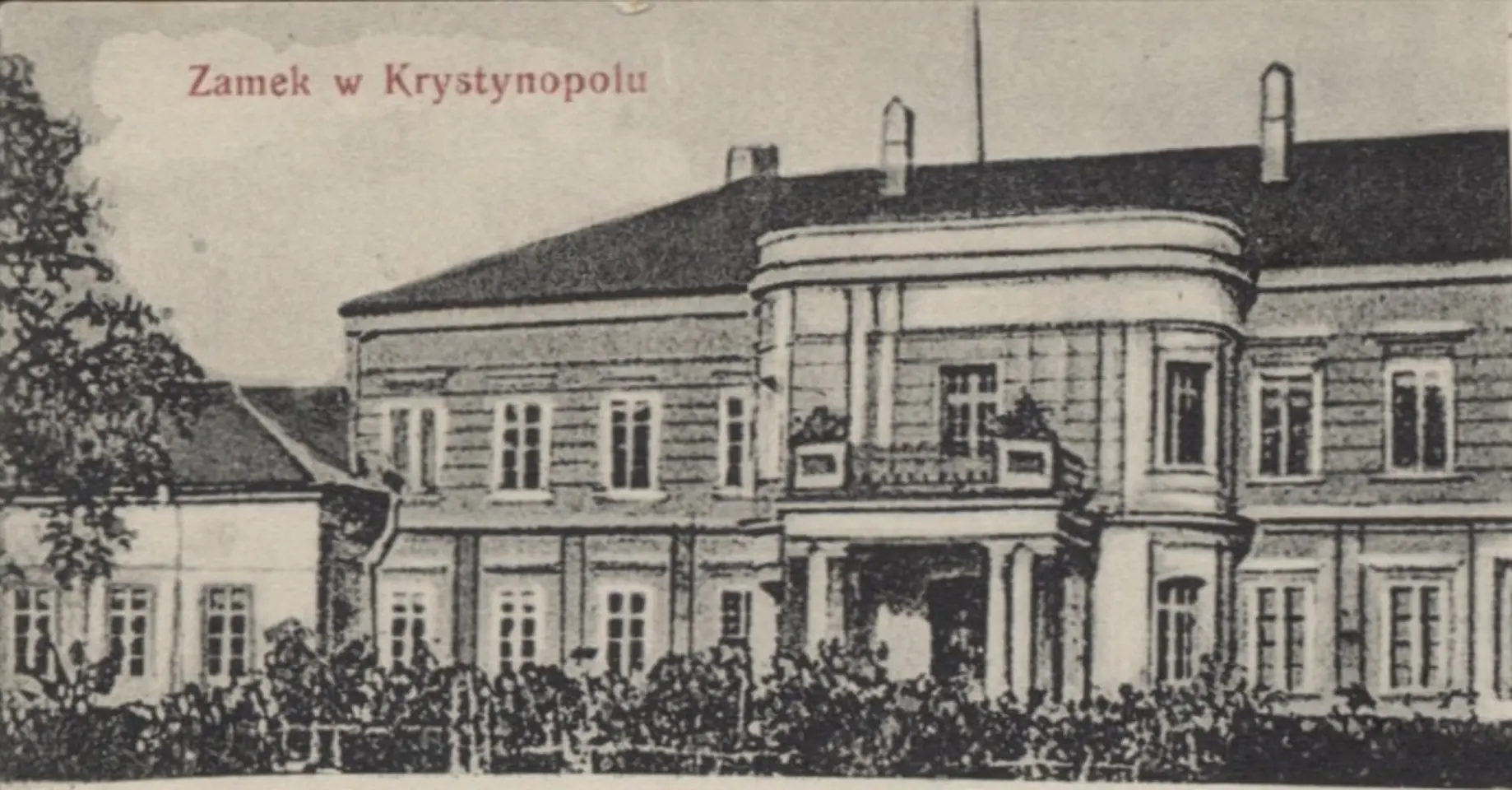
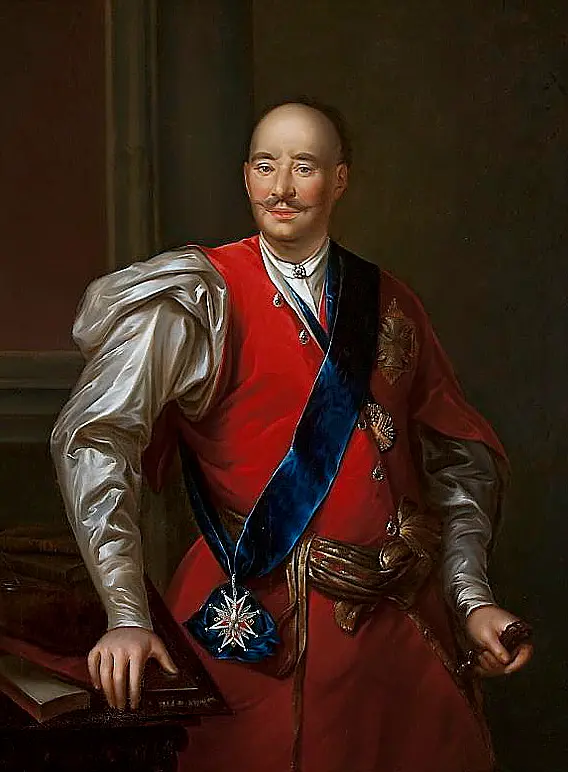
The real flourishing of the estate began in 1756, when the founder's grandson, Franciszek Salezy Potocki, decided to transform the castle into a luxurious palace.
Franciszek was the richest man in the Polish-Lithuanian Commonwealth, unofficially called the "little king of Rus'".
The scale of the reconstruction corresponded to royal ambitions. The project was commissioned to the prominent French engineer Pierre Ricault de Tirregay. The construction lasted over 20 years, which resulted in the palace combining Baroque and early Classicism.
According to descriptions, the palace had 52 exquisitely decorated rooms, a large ballroom, a Chinese cabinet, a library, and a unique art collection, which even included Raphael's "Madonna".
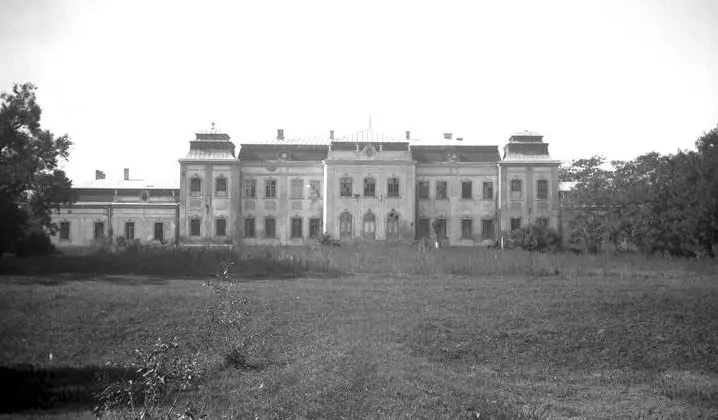
Around the palace, a grandiose French park of over 7 hectares was laid out with a system of locks, fountains, and artificial cascades, the water for which was drawn from the Solokiya River. It was a unique "water circulation" engineering system that allowed it to always remain clean.
In the 18th century, Emperor Joseph II was received here, and the famous adventurer Giacomo Casanova visited Krystynopil in 1766 and recorded this visit in his "Memoirs".
Tragedy and the ghost of the dungeon
After fires and robberies, very little remained of the former palace interior. Four authentic 18th-century tapestries from the French manufactory Aubusson and the bed of Anna Elżbieta Potocka are now exhibited in the Polish museum Pieskowa Skała.
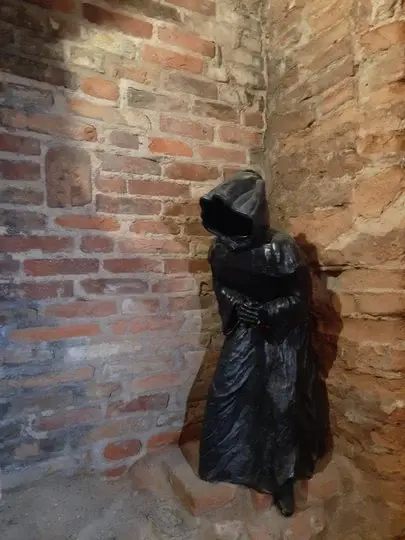
Today, tourists in the Potocki Palace can only be impressed by stories about the local ghosts. If you descend to the palace dungeons, you can see an installation of a young lady in a white dress. Guides assure that this is not just a tourist attraction, but an echo of a real bloody drama that destroyed the Potocki family.
The only son of the "little king," Stanisław Szczęsny Potocki, secretly and without his parents' blessing, married a pregnant but less wealthy noblewoman, Gertruda Komorowska. Upon learning of this, the enraged father ordered his guards to abduct the girl and imprison her in a monastery. On the way, to muffle the lady's cries, the abductors covered her with pillows and blankets – Gertruda suffocated. Frightened servants threw the body into an ice hole.
The girl's father initiated a lawsuit. Franciszek Salezy Potocki, unable to bear the shame and threat of execution, took his own life (drank poison) in Krystynopol. His son Stanisław later bought off his former father-in-law with money and lands, but lived a life of unhappy marriages (in honor of his third wife, he would later establish the famous "Sofiyivka" in Uman). They say that Szczęsny's heart remained with his first love forever, and the spirit of the strangled Gertruda still roams the palace crypts.
The present day of the "Galician Versailles": destruction in real time
If the past of the palace amazes with its luxury, then its current state is a painful example of how a lack of funding destroys unique heritage.
The palace survived a devastating fire in the 19th century, was plundered by Russian troops during World War I (they ripped out stairs, doors, and destroyed fireplaces). During Soviet times, an evening school for mining youth was set up here, and dances were held in the former ballroom.
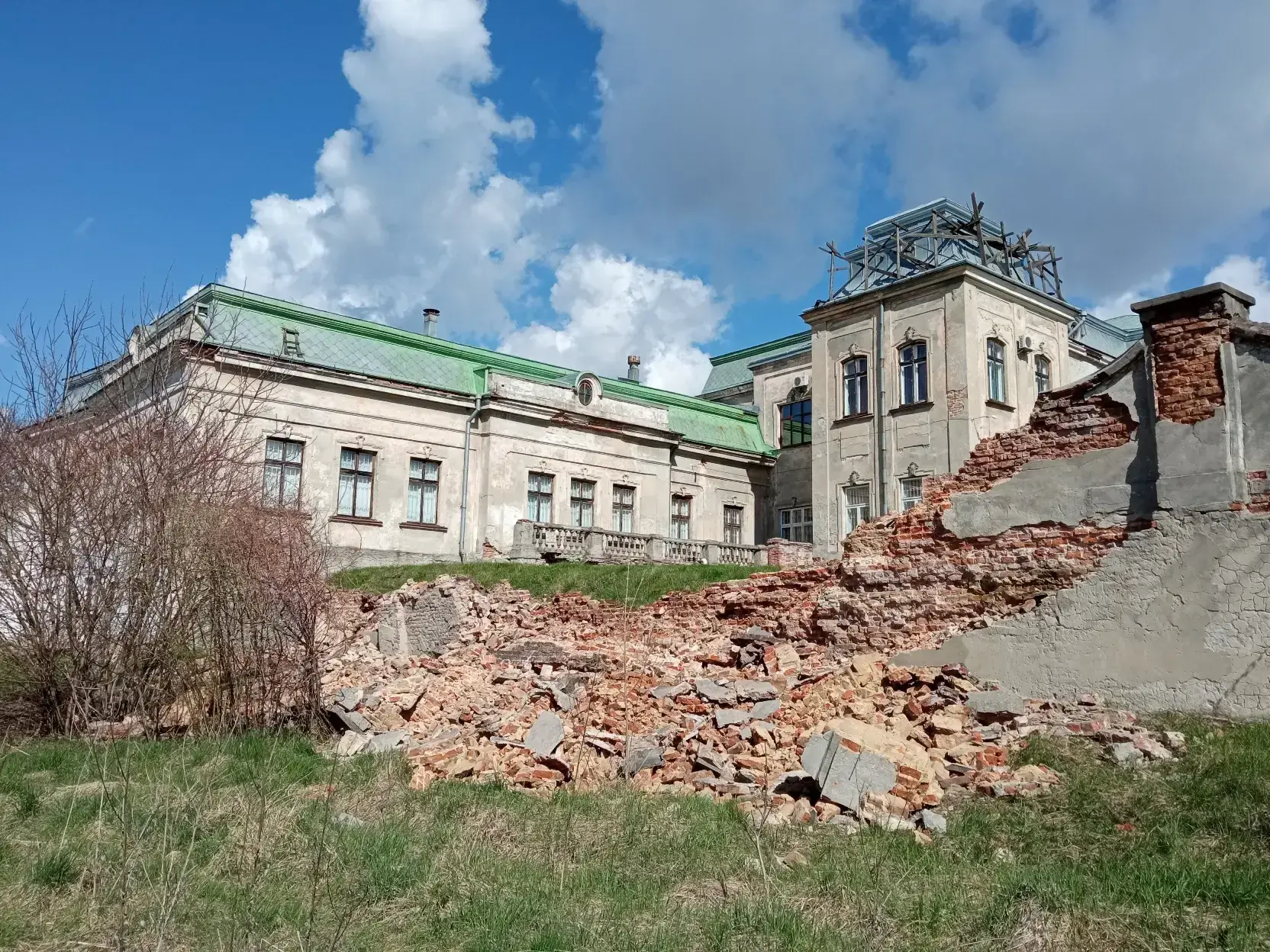
Since 1989, the building has housed the Chervonohrad branch of the Lviv Museum of Religious History. However, the museum's capabilities are not limitless. Only two-thirds of the premises can be used for excursions and exhibits. The other third of the building is in a dilapidated state and has been practically conserved since the 1989 fire.
In 2021, due to humidity, a part of the palace's authentic baroque wall collapsed right before the eyes of the heritage protection commission.
Paper restoration: why the palace is still waiting for salvation
The Potocki Palace in the town of Shchyrets, at 10 Muzeyna Street, is a monument of national architectural significance, according to the Lviv Regional State Administration. It is jointly owned by the Lviv Regional Council and in permanent use by the Lviv Museum of Religious History. The premises are used for exhibitions, storage facilities, and restoration workshops.
The situation with the financing and legal status of the monument was commented on specifically for "Tvoe Misto" by Olena Vasylko, Director of the Department - Chief Architect of the region:
Olena Vysylko added that back in 2021, the museum submitted the object to the state program "Great Construction," but received no funding. Throughout 2022–2025, due to critical budget limitations, no restoration and repair work on the monument was carried out at all.
"We appealed to the Ministry regarding the possibility of attracting state budget funds for its preservation. But currently, no funds are foreseen for restoration in 2026," concluded the chief architect of the region.
We remind you that today the Khrystynopil Palace is kept alive by the enthusiasm of museum workers and local volunteers who periodically organize clean-up events to clear the basements and dream of creating an interactive tourist route there. The rescue project is ready and lies on the officials' desks, but without capital investment, the "Galician Versailles" risks remaining only on old postcards and in Casanova's memoirs.

Related News