"Historical issues could not be resolved", — Navrotskyi on meeting with Zelensky
09 July 2026, 10:43
09 July 2026, 10:43
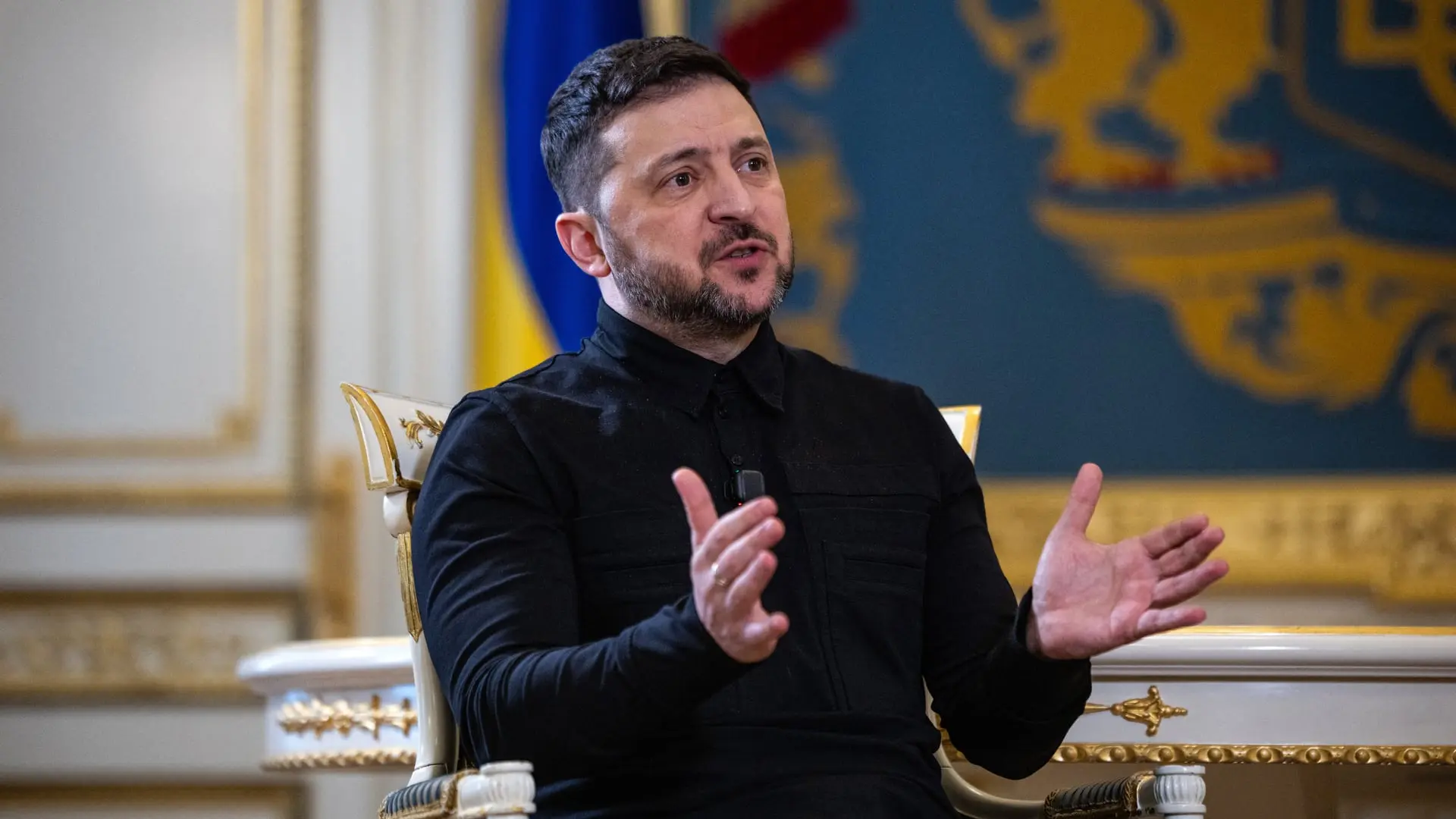
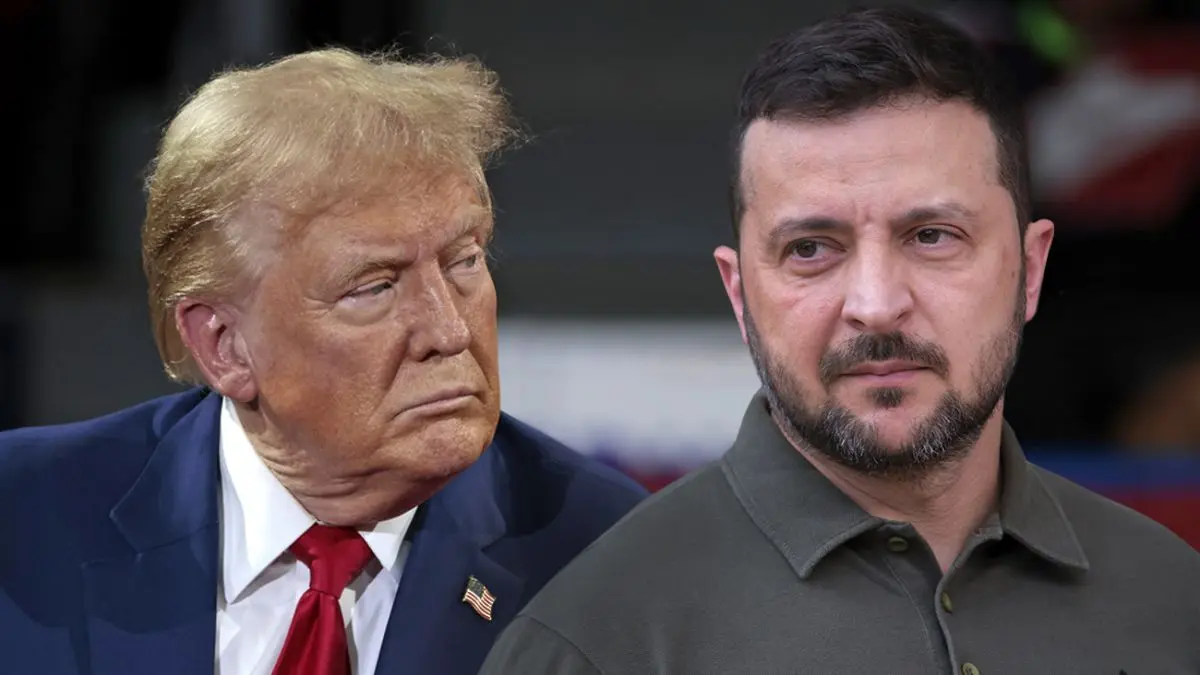
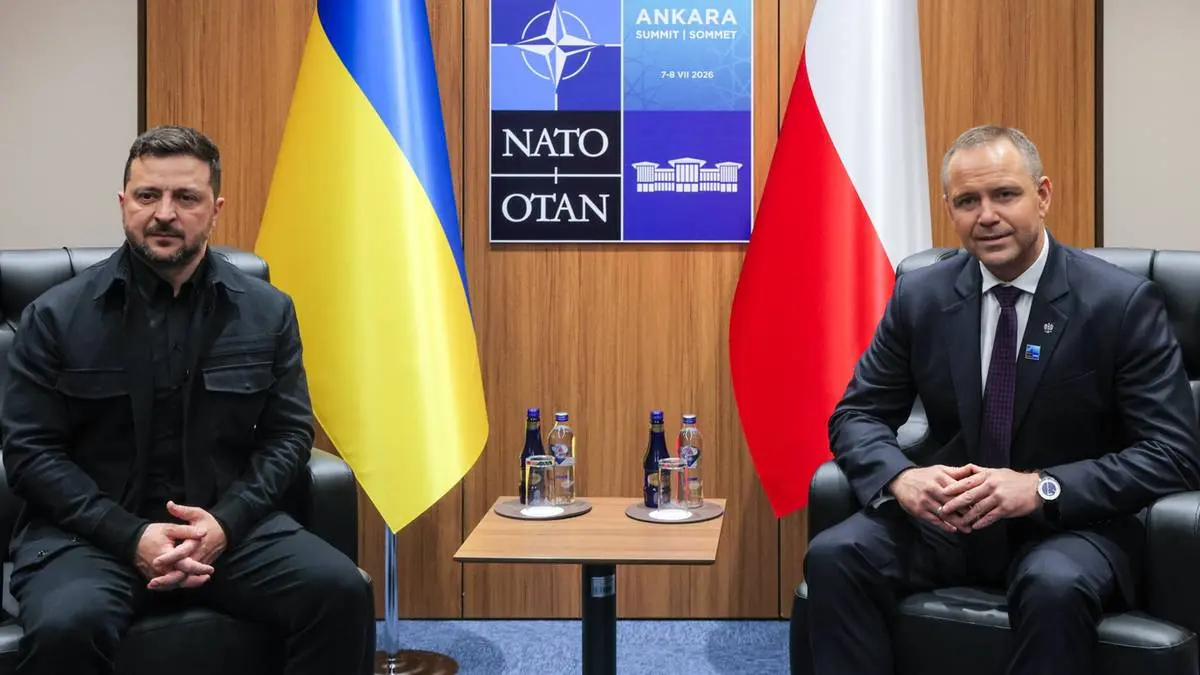
Yesterday, July 8, in Ankara (Turkey), President of Ukraine Volodymyr Zelensky met with President of Poland Karol Navrotskyi during the NATO summit. According to Navrotskyi, issues concerning the Ukrainian Insurgent Army could not be resolved. This is reported by reported by Polsat News.
It should be noted that this was the first personal meeting between the leaders of the countries since the escalation of the dispute over historical policy.
Navrotskyi added that Poles' emotions regarding the Volhynia genocide are not subject to discussion. He also said that the lack of agreement on this issue creates a "specific problem".
In addition, Navrotskyi noted that the speeches of the member state leaders clearly showed that NATO is ready to respond to international challenges.
Read also: Russia's attack on Poland. The Polish MFA responded to the Kremlin's objections
Volodymyr Zelensky also reacted to the meeting with Karol Navrotskyi. According to him, it was an important and necessary conversation and it is important for the countries to maintain mutual understanding.
The President added that they agreed to continue the dialogue.
Read also: The European Parliament called Zelensky's decision regarding the UPA an "unnecessary escalation"
Recall that on June 19, the President of Poland, Karol Navrotskyi, made a decision to deprive Zelensky of the Order of the White Eagle, which caused a political discussion and a series of mutual statements between Kyiv and Warsaw. In particular, later the head of the President's Office announced his refusal of the order Kyrylo Budanov and the third President of Ukraine Viktor Yushchenko.
On the eve of the meeting in Warsaw with the head of the Ministry of Foreign Affairs of Poland, Radoslaw Sikorski, the Minister of Foreign Affairs of Ukraine, Andriy Sybiga, proposed to the Polish side a package of anti-crisis steps to overcome historical disputes between the two states.
At the meeting on July 8 in the European Parliament they called Zelensky's decision regarding the UPA an "unnecessary escalation"

Related News