Not everyone knows about these places in the Carpathians: a one-day route that will surprise you
10 October, 18:02
10 October, 18:02
Honey made with Carpathian herbs, centuries-old embroidered shirts, bread from family ovens, and crafts that survived forced resettlement. In the Slavske community, local residents are reviving ancient traditions and opening up a different Boykivshchyna to tourists. To help them realize their ideas, a grant program was created "Own Business", launched by the Slavske Village Council together with GORO Mountain Resort. "Your City" visited several centers of Boyko culture and saw how family memory becomes the foundation for new entrepreneurial projects.
Boykivshchyna you can't see from the mountaintop
Carpathian slopes, wooden homesteads, the scent of fir after rain, and morning fog slowly enveloping the mountain peaks. These are the images that most often stay in memory after a trip to Slavske. In autumn, baskets of mushrooms, multicolored leaves, and the urge to take a few more photos against the mountains are added to them.
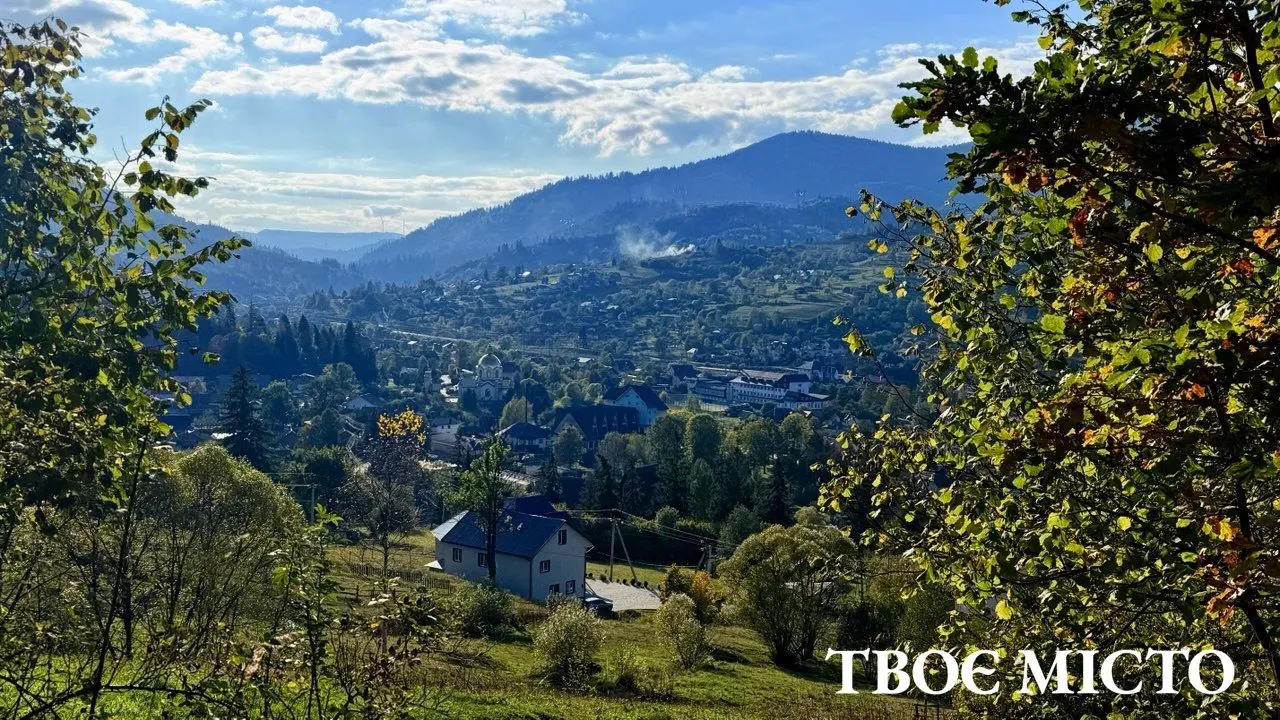
But the Slavske community is much more than picturesque views for tourist photographs. Here, among the mountains and ancient settlements, lives Boykivshchyna, with its customs, restrained embroidery, family recipes, crafts, and stories of people who have remained on this land for generations.
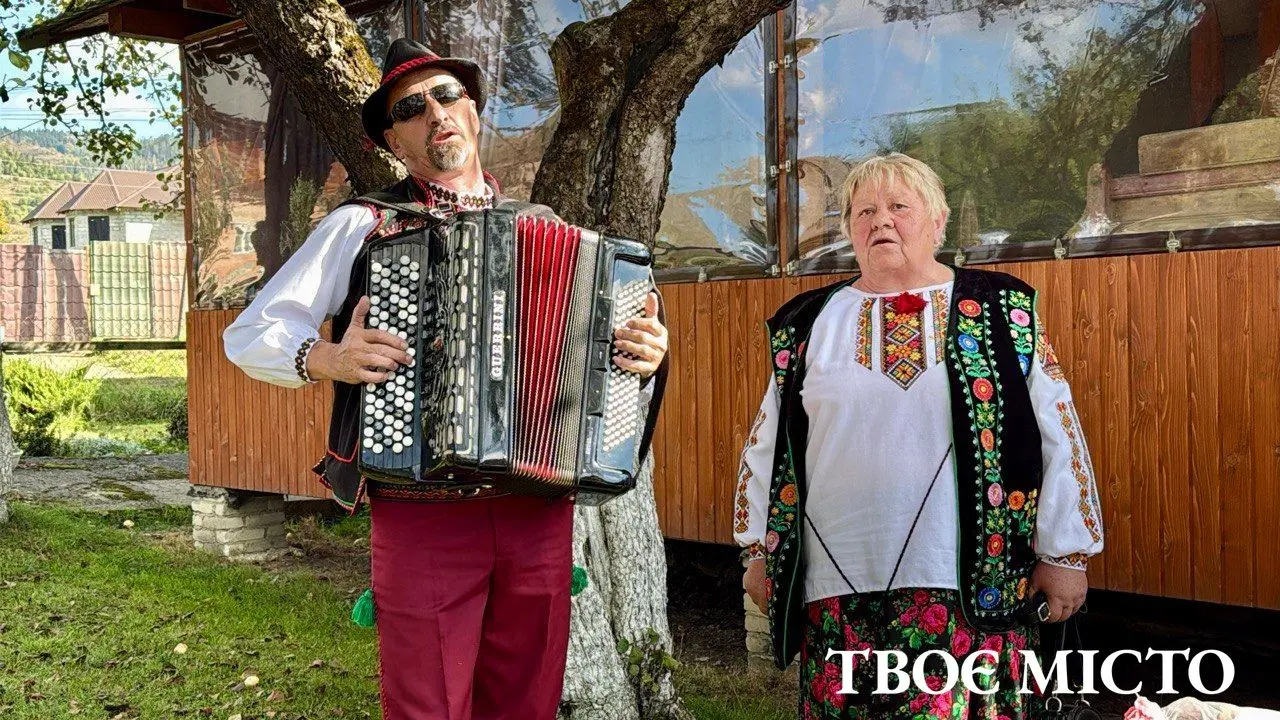
Part of this heritage is still kept not in museums but in people's homes. Embroidered shirts more than a hundred years old lie in old chests. Recipes for dishes that grandmothers and great-grandmothers once cooked are passed down within families. Beekeepers work in the yards, and in the workshops metal gradually takes shape under the blows of the hammer.
Yet tradition cannot always survive on good memory alone. Old things are thrown out during renovations, crafts lose their successors, and recipes remain known only to a narrow circle of relatives. To prevent this, people are needed who are ready not just to preserve the past, but to find it a place in modern life.
It was around this idea that the participants of the "Own Business" program came together. It is meant to help residents of the Slavske community turn their own ideas into working projects, create new opportunities for local business, and introduce guests of the Carpathians to the culture of Boykivshchyna.
About 50 participants registered for the program's first intake. 15 reached the project defense stage, and seven received certificates supporting their initiatives. The total grant fund from the Slavske Village Council and GORO Mountain Resort exceeded 1.2 million hryvnias.
Among the winners are a beekeeper who opened a coffee shop-studio with honey treats, a teacher who turned her own collection of antique items into an ethnographic museum, a veteran who is developing active tourism, the mistress of a century-old homestead who is reviving Boyko gastronomy, and a family that is bringing blacksmithing and weaving back to life.
These are different stories, but they share a common thread: the desire to leave something of their own to future generations and, at the same time, give this heritage new life.
Tea with Honey: when an apiary becomes part of hospitality
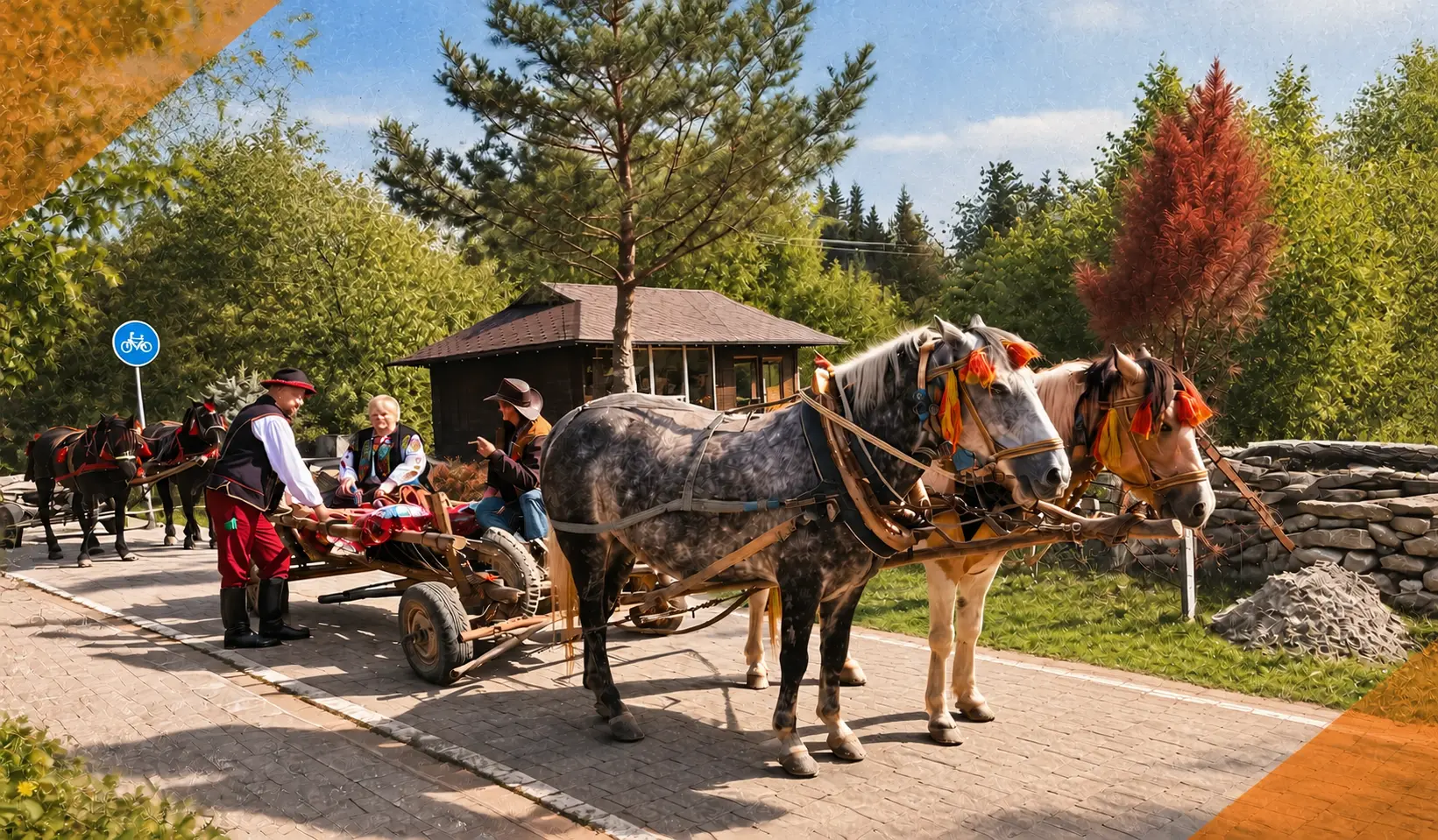
Volosianka greets you with the silence of a mountain village, wooden homesteads, and the smell of an autumn forest. Amid such beauty, it is best not to travel by car but to switch to local carts pulled slowly by horses. The jingling of their hooves and the bells on their necks transport tourists into the incredible local atmosphere.
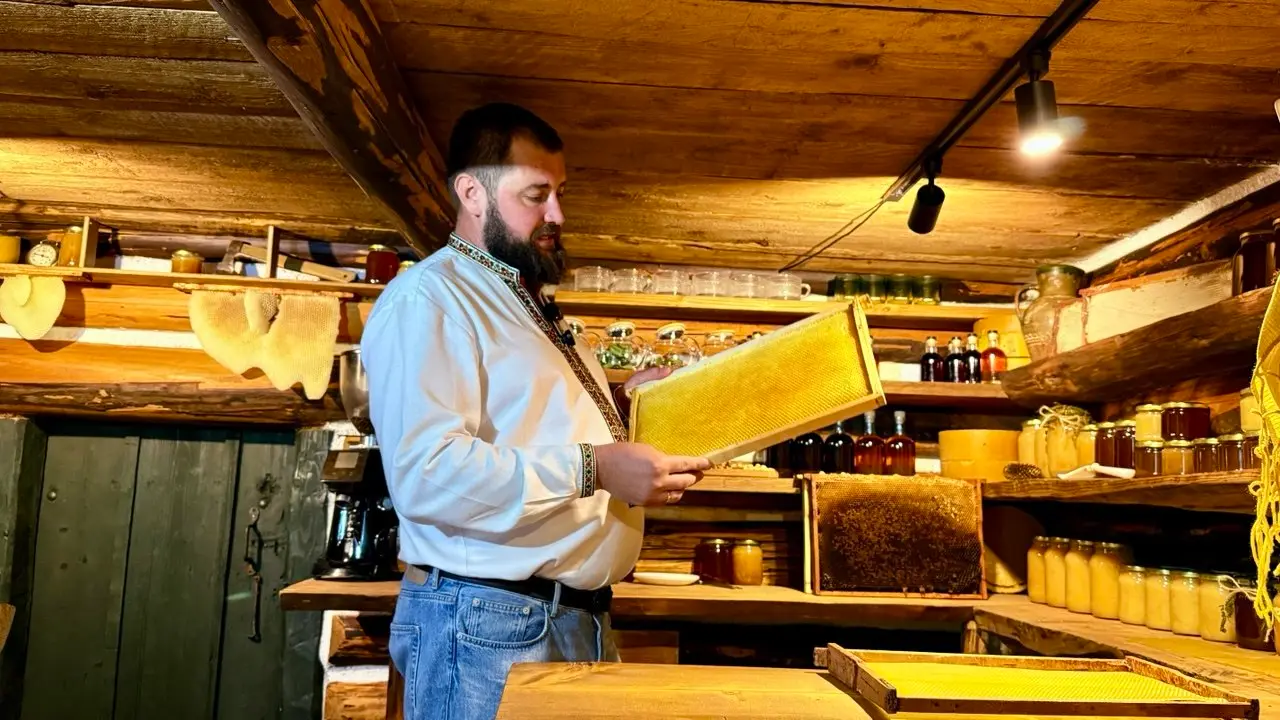
It is in such harmony with nature that Roman Furiv lives, a beekeeper for almost three decades. For him, the apiary is not just a farm but a craft to which a significant part of his life is tied.
When you approach his homestead, at first it may seem that behind the ordinary door hides an old village workshop. But once you cross the threshold, the space seems to transport you to another time.
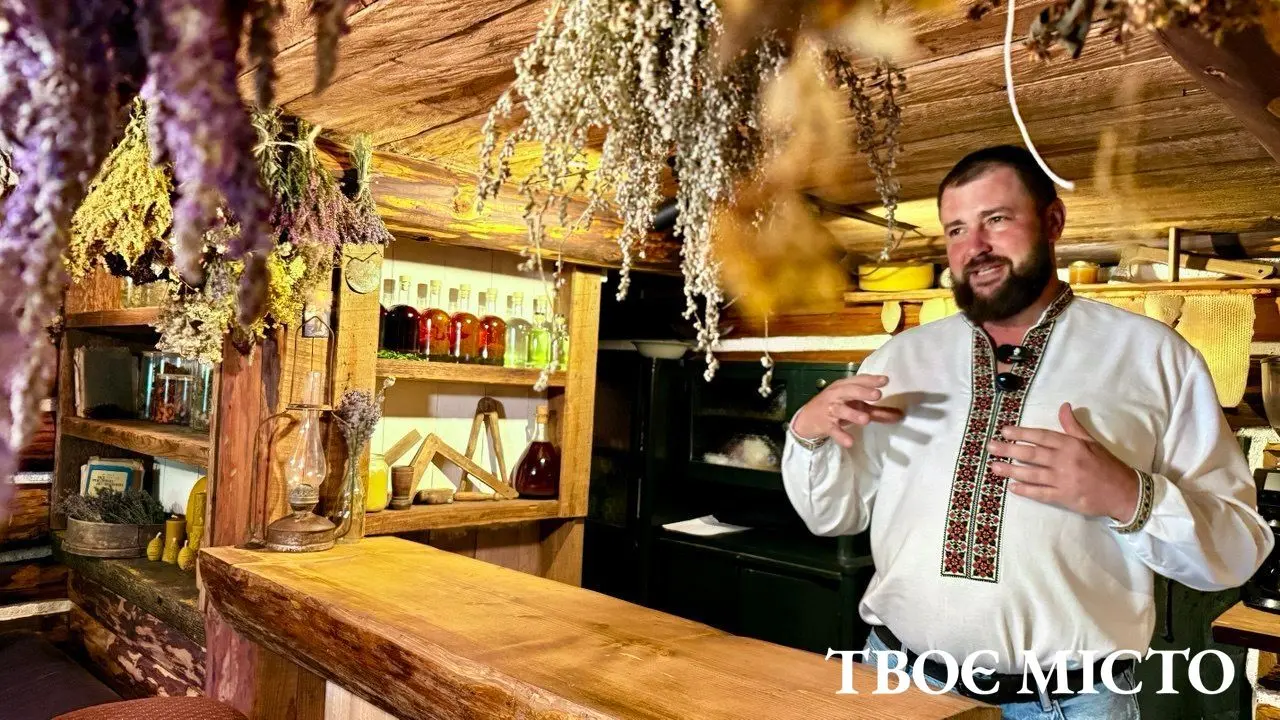
Wood, warm light, the scent of honey and dried herbs. Bunches of plants hang from the ceiling, and on the shelves stand jars of honey, beeswax candles, and honey liqueurs. In this little house there is no sense of haste. On the contrary, you want to sit down, warm your hands with a cup of tea, and look at every object.
This is the "Tea with Honey" coffee shop-studio, which Roman was able to develop thanks to grant support.
His love of herbs was instilled in him by his grandmother and mother. Since childhood he collected plants, learned to tell them apart, and found out how they were used. Over time, these childhood passions naturally merged with beekeeping.
Now guests can not only taste Carpathian tea with honey, but also get to know locally produced foods, try aged cheeses, berries, mushrooms, and desserts. A special place is occupied by products made from beeswax.
Here, you can hand-roll a candle from natural wax, blend Carpathian herbal tea, and learn more about the life of bees and the daily work of a beekeeper.
Roman gladly talks about his apiary. A special affection for bees can be felt in his voice, even when it comes to their character.
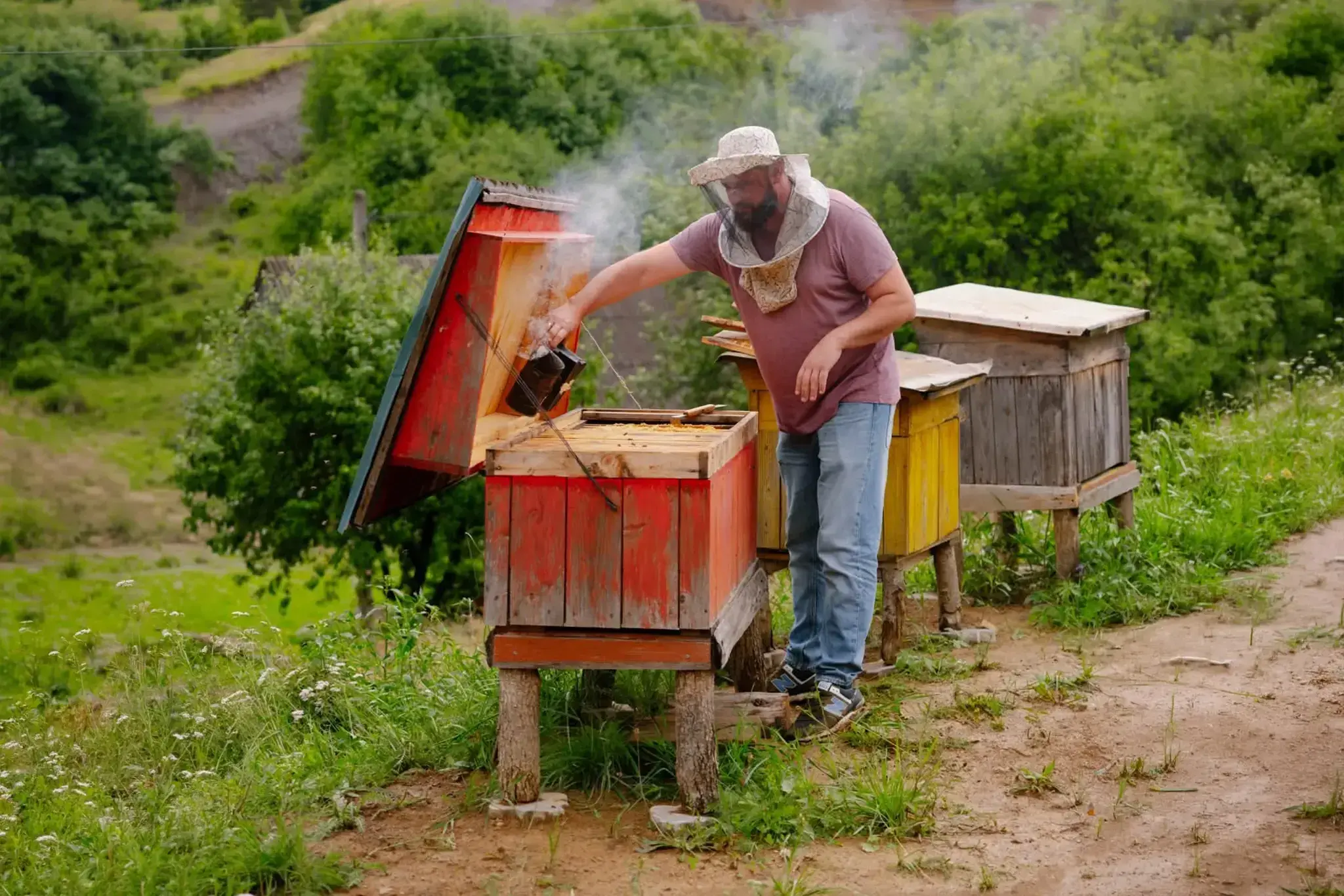
Behind this smile lie decades of experience, daily work, and knowledge that cannot be gained in a single season.
And now another venture has been added to them: a space where he can tell others about beekeeping. After all, getting to know a beekeeper can reveal to visitors what usually goes unnoticed: how much labor stands behind a jar of honey, how bees live, and why this trade remains important for mountain communities.
A Museum That Began with an Old Family Chest
In the same Volosianka, there is another place where the past does not gather dust but continues to live. This is the ethnographic museum of teacher and ethnographer Olha Hryciv.
The hostess greets guests in traditional Boyko attire. Her own appearance harmoniously complements the space where antique items, embroidered shirts, household objects, old icons, church charters, and books have been gathered.
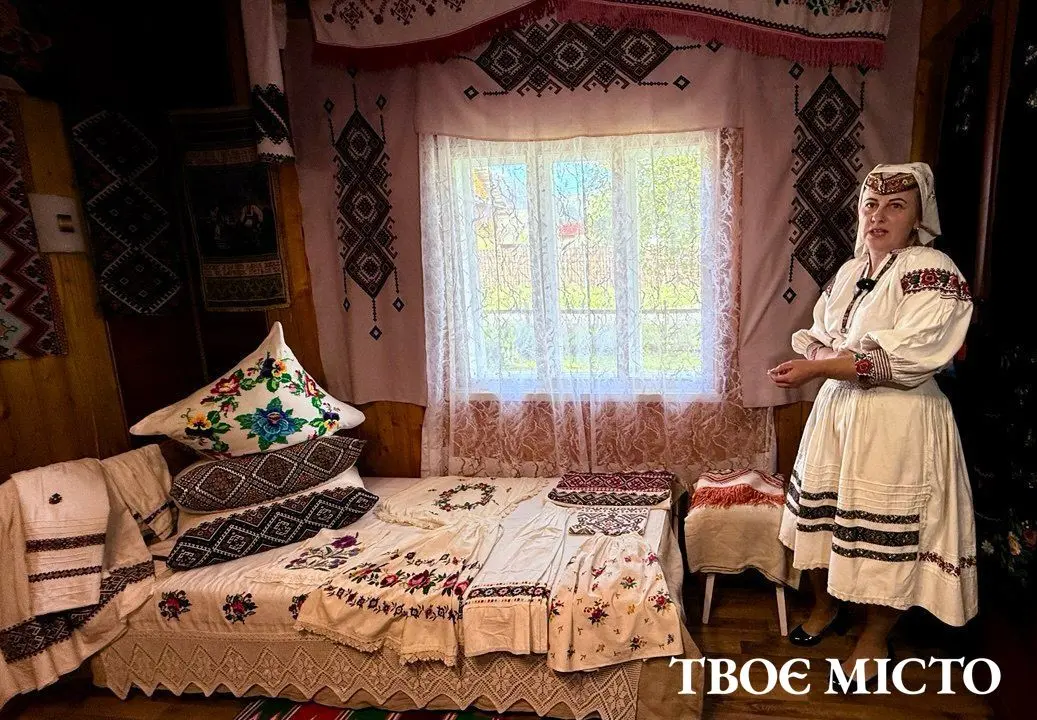
Looking over the collection, it is easy to get lost in the details. Here is an embroidery in which every ornament has its own story. Nearby are items once used in everyday life. Other exhibits recall the family's religious traditions: Olha's great-grandfather was a deacon in the church, so part of the heritage is also tied to church life.
Olha says her love for Boyko clothing and antique objects dates back to childhood. At first she collected what remained in her family and carefully stored it in chests. But over time the collection began to grow thanks to items that could have disappeared forever.
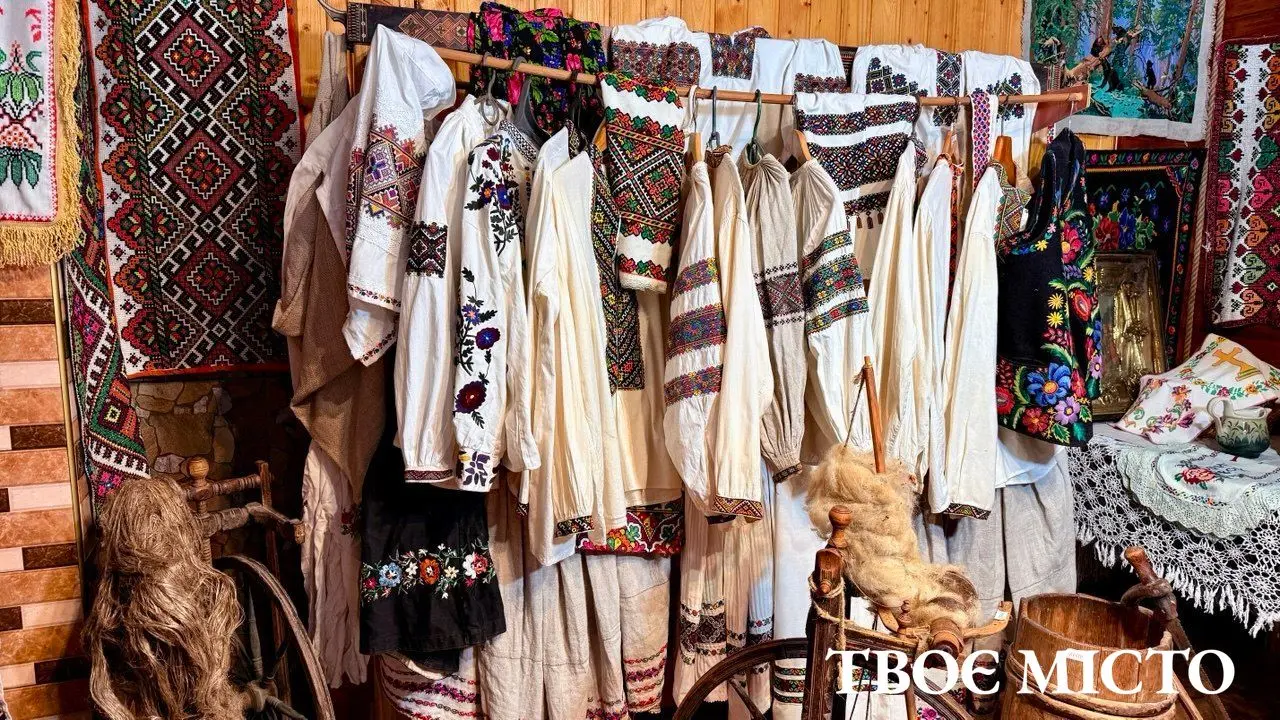
Today these items can be seen in the museum. And each of them matters here not only as an old object, but as evidence of how people lived, what they believed in, what they wore, and how they furnished their everyday lives.
One of the special items the museum hostess presents is an embroidered shirt more than a hundred years old. Olha points out the characteristic elements of Boyko embroidery, explaining how local dress differs from the clothing of neighboring ethnographic regions.
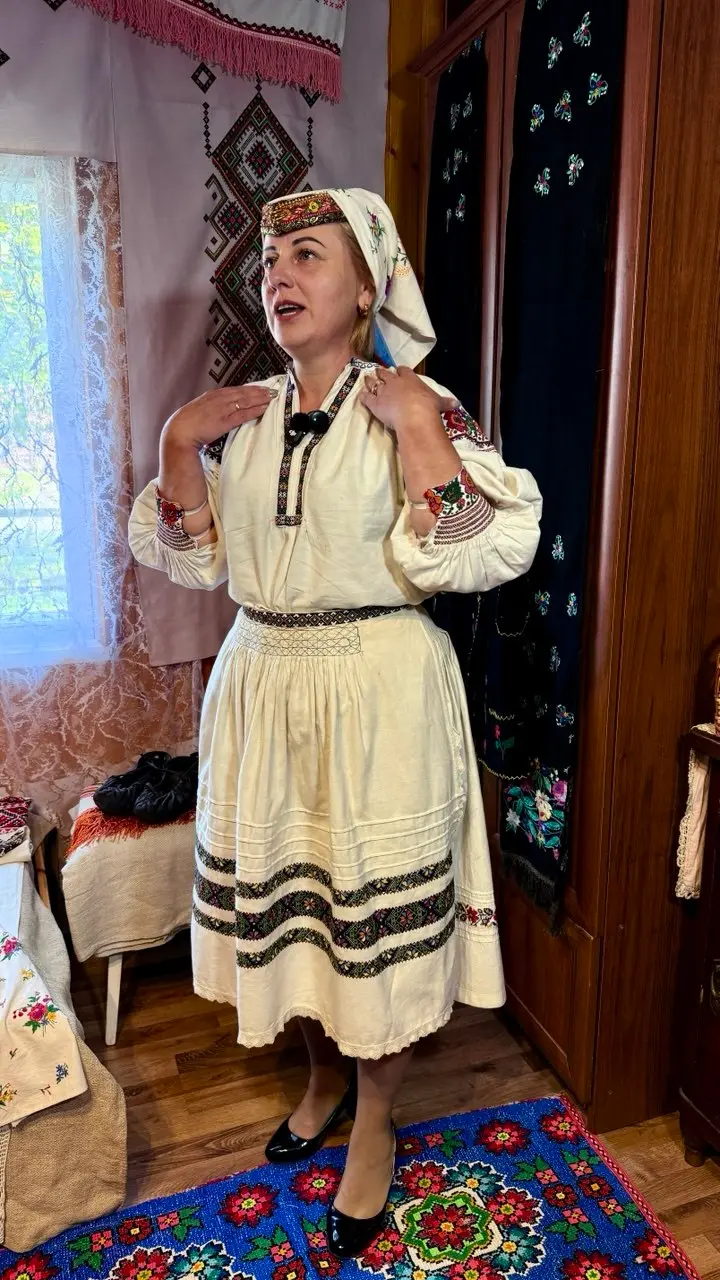
According to Olha, Boyko clothing reflects the practicality characteristic of local residents. Unlike the brighter color solutions typical of neighboring Hutsuls, the embroidery here is often more restrained, and the cut of the clothing is subordinated to everyday needs.
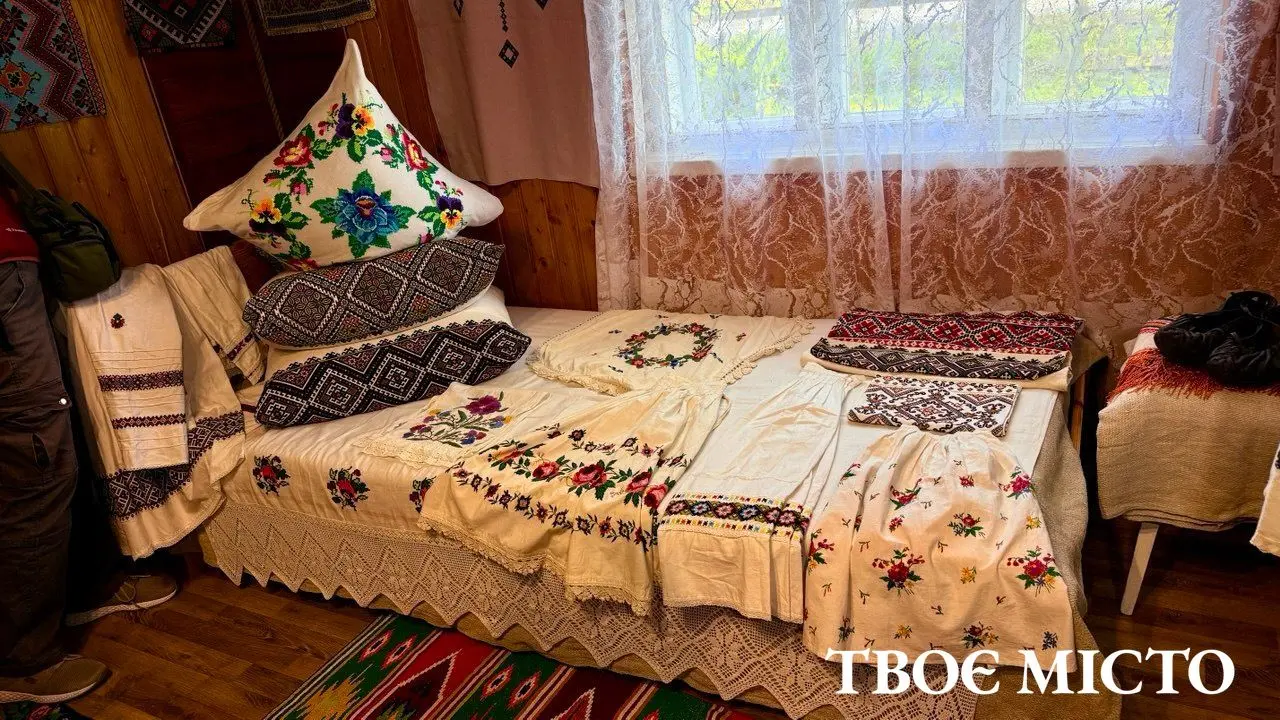
At the same time, for the hostess the museum is not only a personal collection. Olha works as a teacher, so preserving the heritage continues at school as well.
She brings antique items to lessons and tells children about their origin and purpose. In this way, history stops being just pages of a textbook: it can be examined up close, the texture of the fabric can be touched, and children can imagine who once wore this clothing or used this object.
At parting, the hostess treats guests to Boyko holubtsi with grated potatoes and local cheese called klyahane, or klyag cheese. It is traditionally made using rennet.
At the table, the conversation turns to the history of the village itself. Olha tells the legend of the origin of the name Volosianka. According to the tale, a beautiful girl named Slavka with luxuriant hair lived here, and a Tatar vizier fell in love with her. When the girl refused the invader, he ordered her to be tied by her braids to a horse. The legend links the name of the settlement precisely to her hair.
This is a story passed down from generation to generation, just like recipes, family histories, and ideas about the past.
Thanks to the "Own Business" program, Olha Hryciv's collection has been able to become a full-fledged place for getting to know the culture of Boykivshchyna. And this matters not only for tourists. The museum helps local residents see the value of what they sometimes got used to considering ordinary: an old shirt, a grandmother's chest, or an object that lay for years in the attic.
Bread from a Family Oven: A Heritage You Can Taste
For the next participant of the "Own Business" program, it is best to follow the smell of freshly baked bread. To avoid wandering the mountain streets in search of the right homestead, we are helped by Ivan Mychko, a veteran and co-founder of the tourist club "Vatra," which also became a winner of the local program.
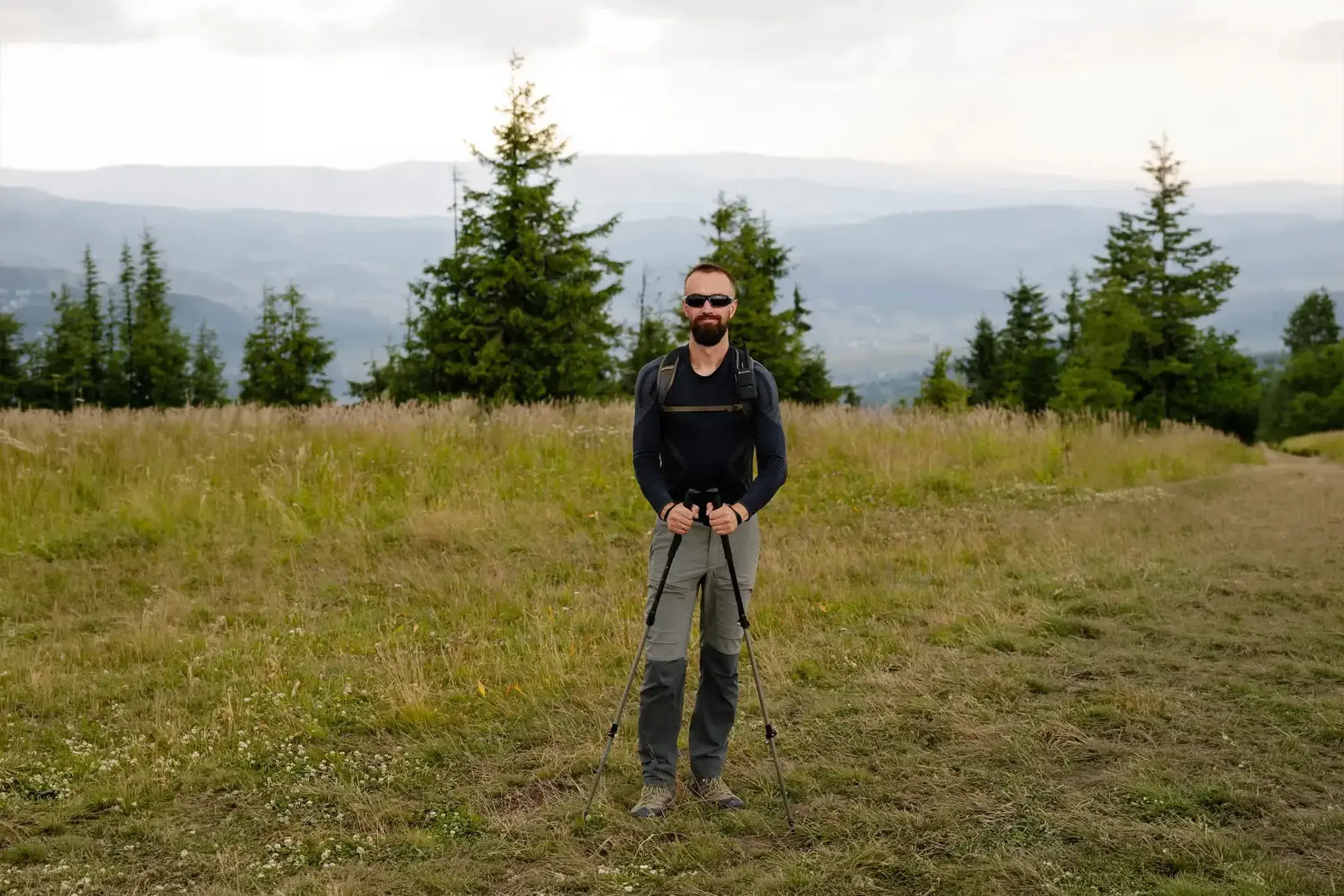
Back in 2018, he and his friends began leading tourists along Carpathian routes, revealing places that do not always appear in ordinary guidebooks. Now, thanks to grant support, the team is developing the idea of creating a Center for Active Tourism. It is not only about mountain hikes. The plans include comprehensive tours with the Slavske community, author's gastronomic routes, guide support in the mountains, equipment rental, and other services that will help guests better get to know the region.
After all, getting to know the Carpathians can begin not only with a trail to the summit, but also with a conversation with a local resident, a visit to an old homestead, or a tasting of a dish that was prepared here long before tourist routes appeared.
This is how we arrive at a cozy cabin on Mount Pohar in Slavsko, near the ski lift. This house, more than a hundred years old, was inherited by Liudmyla Yaromii from her grandfather.
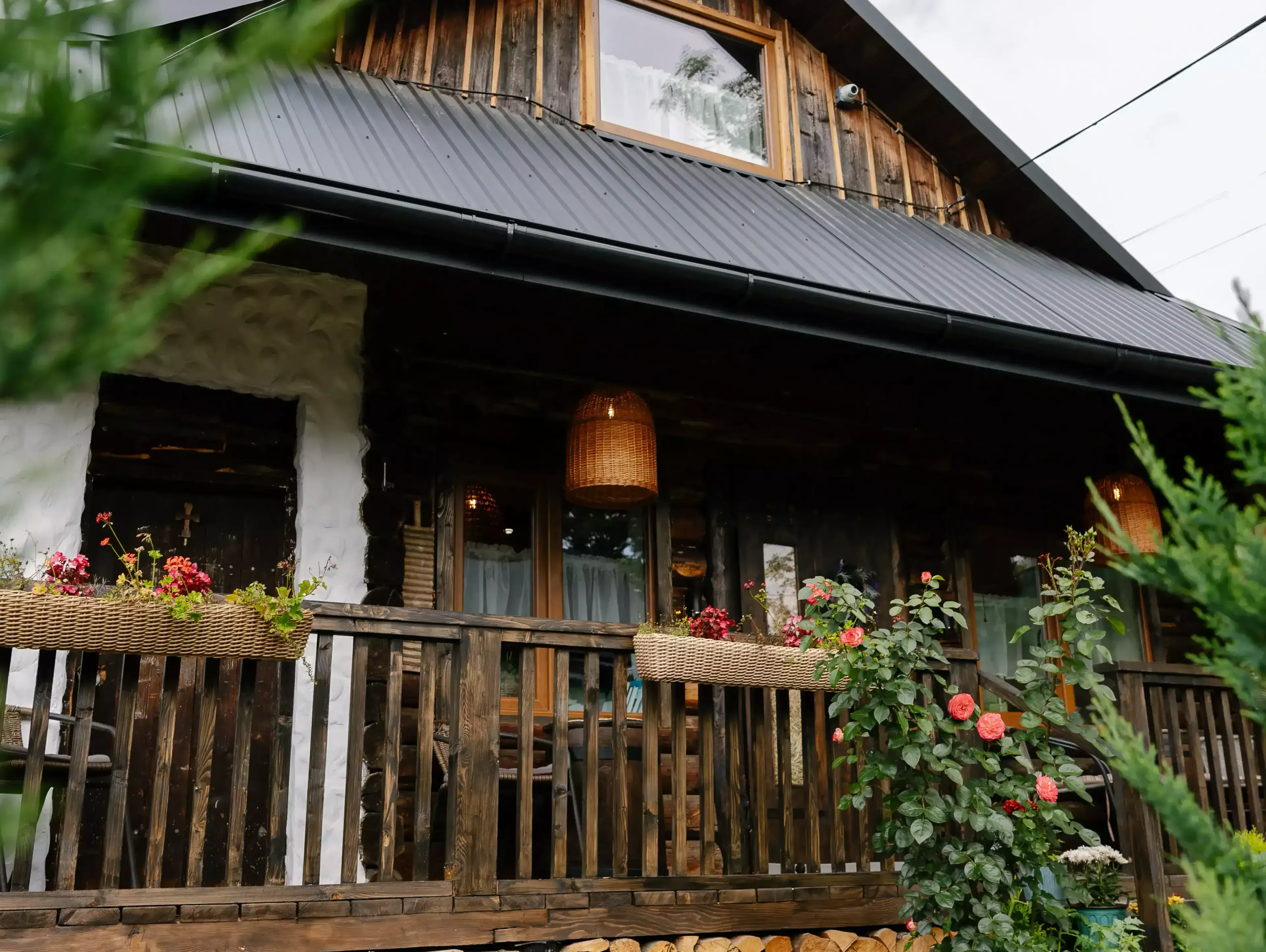
Once, her relatives ran the household here. Liudmyla's grandmother prepared traditional Boyko dishes: oshchypky, lyhanky, and podbyvanyi borshch. And, of course, she baked bread, without which it is hard to imagine a traditional family table.
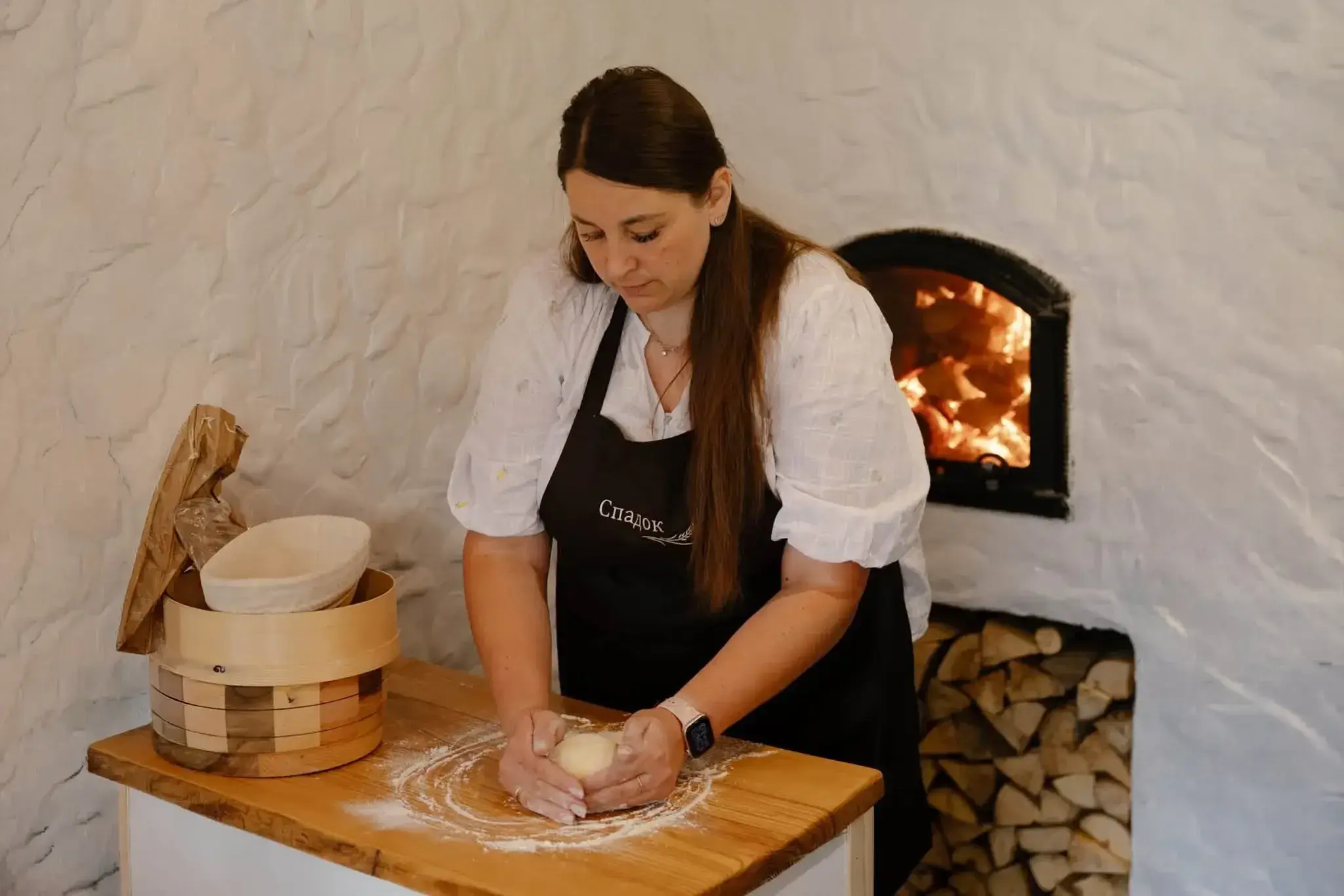
This is how the bread restaurant "Spadok" (Heritage) came about, where bread is the main character: bread that is kneaded by hand, baked in an oven, and served at the table not as a mere side to a dish, but as part of local culture.
The old cabin has kept the atmosphere of a family home. Here, they do not try to turn the past into a backdrop: instead, the house continues to live, and its history is enriched with new meanings.
Sourdough bread is baked according to family recipes, and traditional Boyko dishes are prepared alongside it. Guests can not only taste them but also take part in making the bread themselves. This is the idea behind "Spadok": not simply to feed a traveler, but to show why bread held special significance in traditional life, how much labor it required, and how it brought the family together around one table.
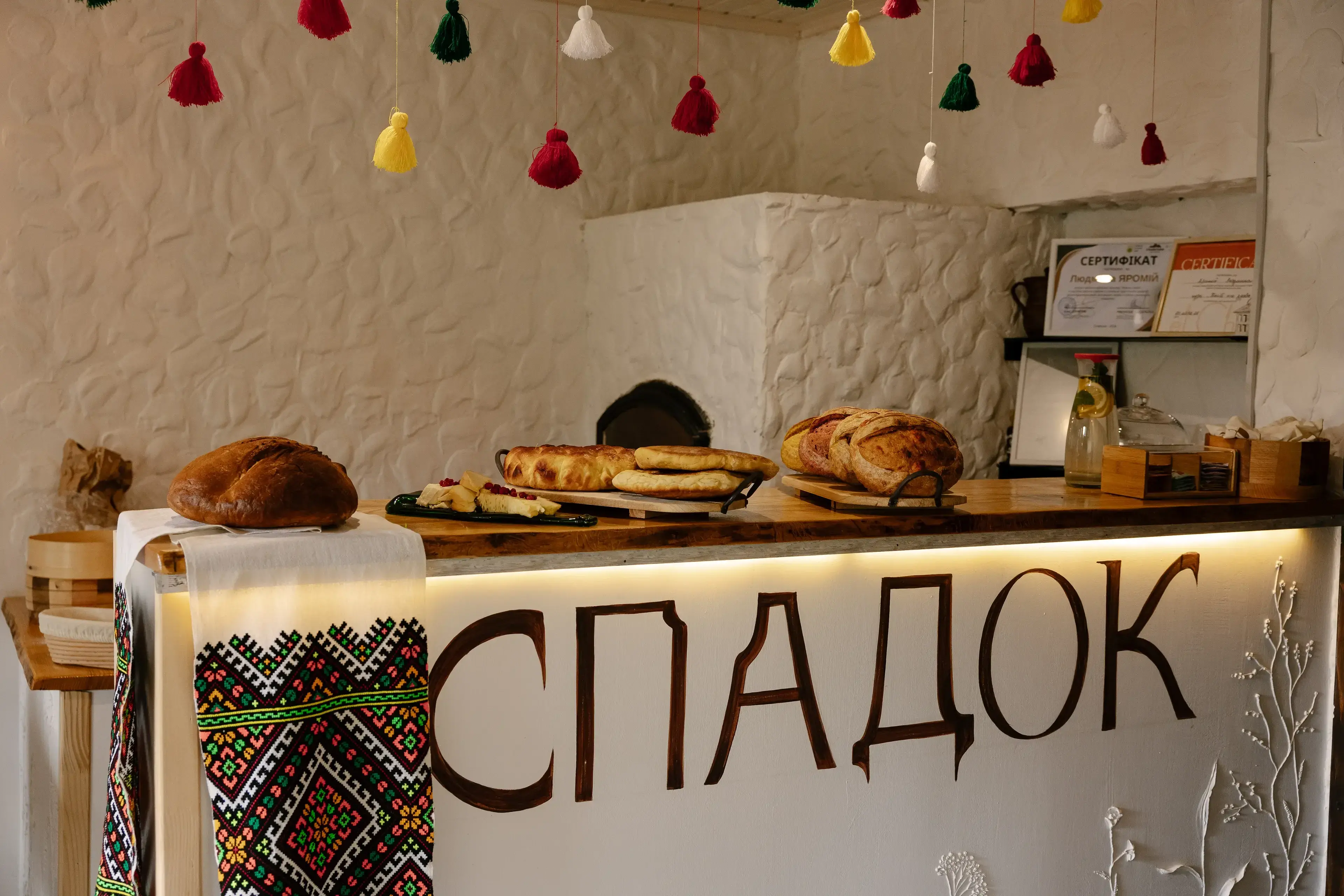
Today, when travel often comes down to a quick route between popular locations, such a stop allows one to slow down. Here you can listen to the history of the house, learn about the recipes of ancestors, and understand that gastronomy is also a way of getting to know a place.
And for Liudmyla herself, it is also an opportunity to preserve the family heritage not only in memory but in her daily work. The old house, which could have remained only a memory of her grandfather and grandmother, now welcomes guests and tells the family's story through the smell of bread.
A Forge That Preserved the Memory of Forced Resettlement
The history of family memory lies at the heart of another project: a blacksmith workshop in Slavsko. For its founder, Iryna Popovych, blacksmithing is not simply a craft, but a way to preserve the connection with ancestors who, even after losing their home, did not give up what they lived by.
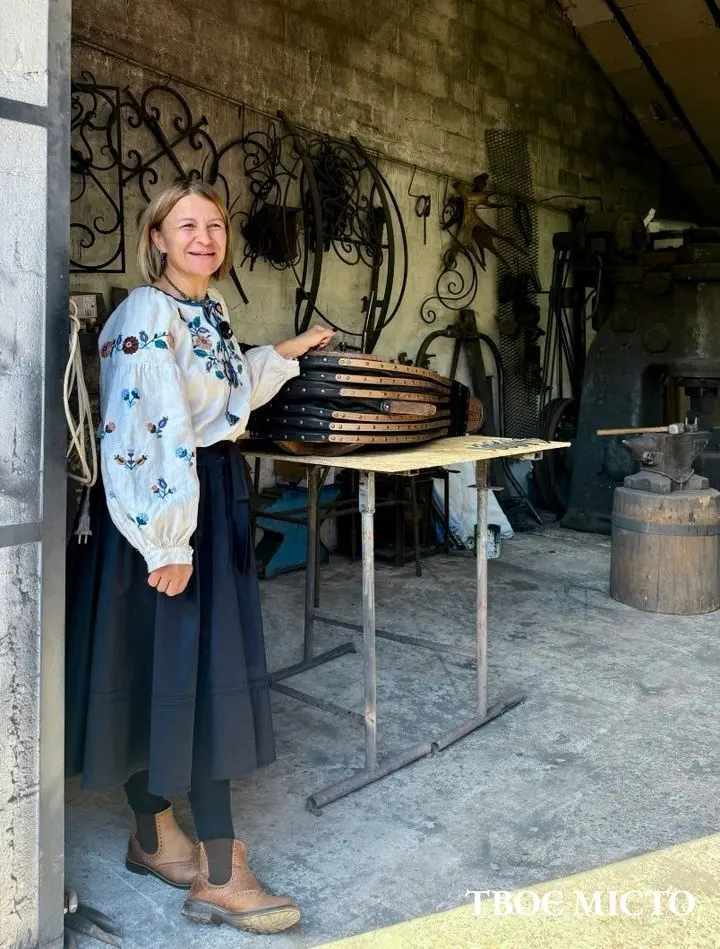
Her inspiration was her grandfather, a blacksmith. He came from the village of Yamna-Dolishnia, near Trijcie (now part of Poland), and was forced to leave his native land during Operation "Vistula." Yet over time he carried with him to the new place not only memories but also his craft.
These words sound especially sharp today, when because of Russia's war thousands of Ukrainians are forced to leave their homes and start life anew. The experience of this family reminds us that losing a place does not necessarily mean losing oneself. Part of home can be preserved in memories, skills, family stories, and the work you continue.
Blacksmithing in the family was taken up by Iryna's husband, Oleksandr. Before him, the wife's grandfather did this work, and later her father. For Oleksandr, the forge is not only physical labor but also creativity.
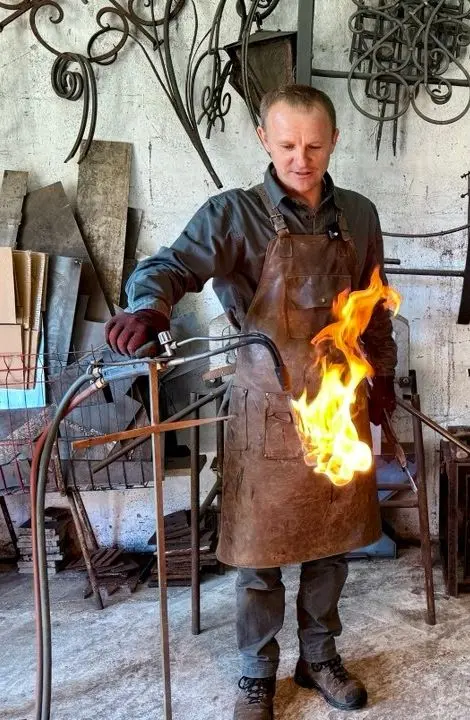
In the forge you can see how metal gradually changes under the action of fire and hammer. Here, traditional craft is not separated from modern life: the products can become part of everyday life, decor, or a keepsake made with your own hands. That is why visitors are encouraged to forge a detail of their own.
But this courtyard is not limited to blacksmithing. Here they also develop weaving and hold macramé workshops. For this, a separate location was set up by the river, where the sound of the mountain stream becomes a natural backdrop for creativity.
Master craftswoman and co-founder of the local space Yuliia Kovalska explains: weaving does not like haste. Every thread has its place, and the pattern gradually emerges from repeated movements and patience.
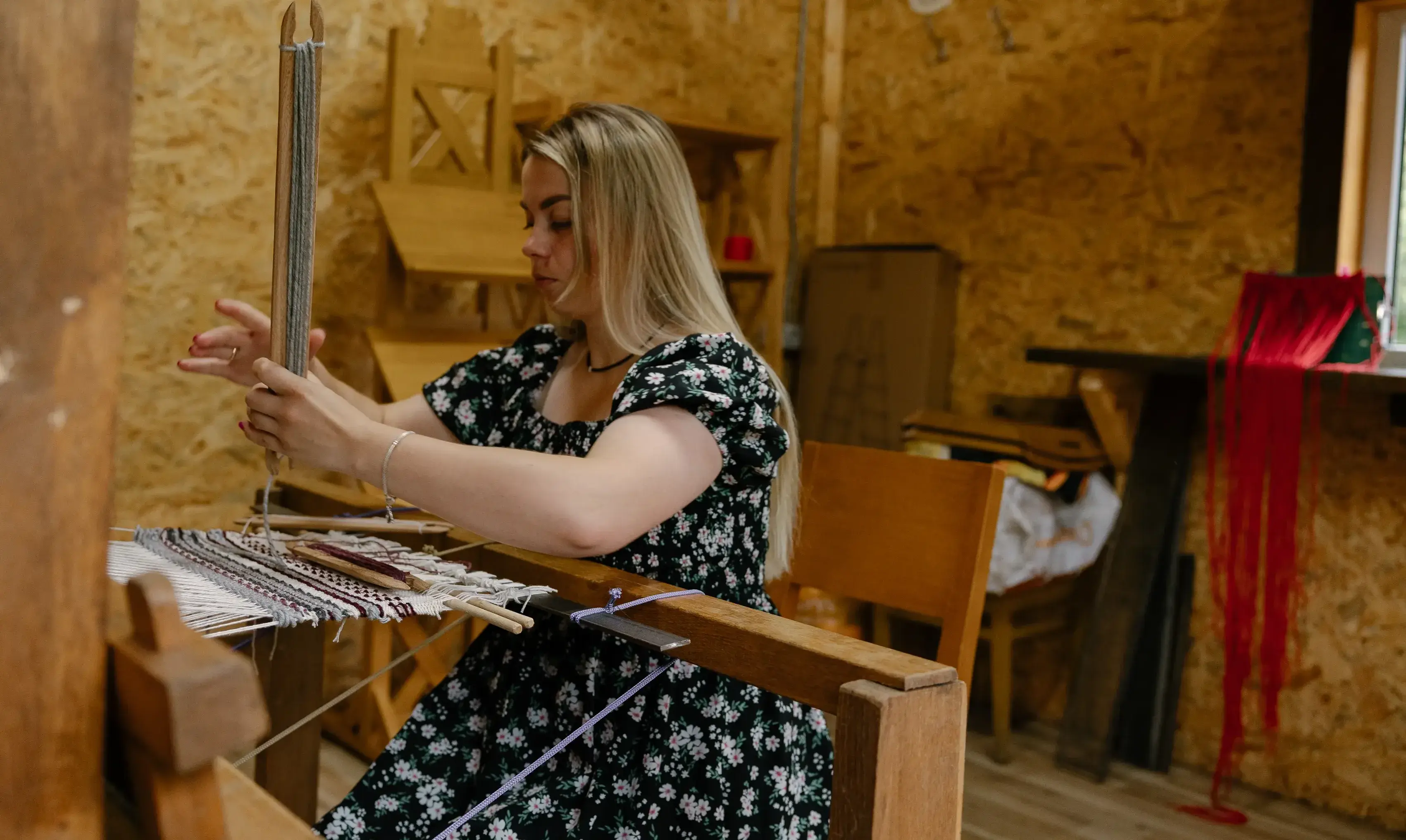
During a workshop you can get acquainted with one of the oldest crafts and create your own woven item, which you can then use in clothing or interior decor.
Blacksmithing and weaving complement each other here. In the past, blacksmiths made tools for work, while weavers created fabrics for clothing, everyday life, and rituals. Together, these crafts tell about household economy, everyday life, and the worldview of previous generations.
"We believe that the best way to learn traditions is not just to observe, but to create. That is why our workshops are designed for children and adults, families, friends, tourist and school groups," say the founders of the centre.
Thanks to this approach, tradition becomes not something distant and museum-like, but a personal experience. A person not only hears a story about the craft, but also tries working with the material, feels its properties, and understands how much attention each item requires.
Not only to preserve the past, but also to create work today
The stories of participants in the "Own Business" program are varied. Someone collected antique items for years and finally had the opportunity to open a museum. Someone turned a family apiary into a space for learning about beekeeping. Others restored an old house to life, develop gastronomy, or pass on the crafts of their ancestors to successors.
However, behind each of these initiatives stands not only the desire to preserve cultural heritage. It is also work, business development, and the opportunity to create tourist offers that will distinguish the Slavske community among other Carpathian destinations.
Head of the Slavske village council Oleh Danyliak, in a conversation with "Tvoye Misto," said that the idea of the program arose in cooperation with an investor who proposed implementing such an initiative. The community supported the plan, although initially they did not expect such a large number of interested people.
According to the head of the community, during the selection, particular attention was paid to projects that will help preserve cultural heritage, develop local crafts, and tell the history of Boykivshchyna.
He also drew attention to the fact that people of different ages joined the program. For many, this was their first experience of preparing a business plan and presenting their own idea.
In the opinion of the head of the community, local cuisine is one of the directions with considerable potential. After all, a tourist arriving in another region wants to try something special that they would not find on their usual menu at home. Traditional clothing, wooden architecture, Boyko churches, and old crafts may likewise attract interest.
At the same time, according to him, the development of the tourist offer should go hand in hand with preserving historical monuments.
The community has a program for preserving historical heritage. Its directions include the restoration of ancient wooden churches. In particular, restoration of the church in Verkhnya Rozhanka began earlier, and by the time of the conversation the work was nearly complete. The community also plans to restore other churches that have historical value.
Oleh Danyliak said that the community plans to continue the program. They want to announce the next intake by the end of the year, and to hold another one next year. Among the directions that require attention, he named traditional embroidery, local cuisine, and the preservation of architectural heritage.
Boykivshchyna does not always reveal itself at first glance. Its character is not necessarily seen in a panoramic photo or during a brief stop at a popular location. It shows in the restrained ornaments of an old embroidered shirt, in the smell of herbal tea, in the recipe for holubtsi with grated potatoes, in bread from a family oven, and in the hands of a master who continues his grandfather's work.
It is from such details that the history of the land is made. And so that it does not remain only a memory, people are needed who are ready to protect it, tell about it, and find ways to pass it on.
In the Slavske community, these people are already taking their first steps. And the "Own Business" program helps them turn family memory into living projects that work today and can become part of Boykivshchyna's future.
Full or partial republication of the text without the written consent of the editorial office is prohibited and is considered a violation of copyright.
Related News