A fortress that neither Cossacks nor Turks could capture, but which time is destroying: why the grandest stronghold of the Lviv region is in ruins
16 June 2026, 15:05
16 June 2026, 15:05
It was supposed to protect Lviv from invasions, but now it needs protection from time, indifference, and trains.Tvoe Misto"visited the Staro selo Castle - a unique monument of national significance, which is on the verge of complete destruction, and found out why responsibility for its salvation is being shifted from one to another.
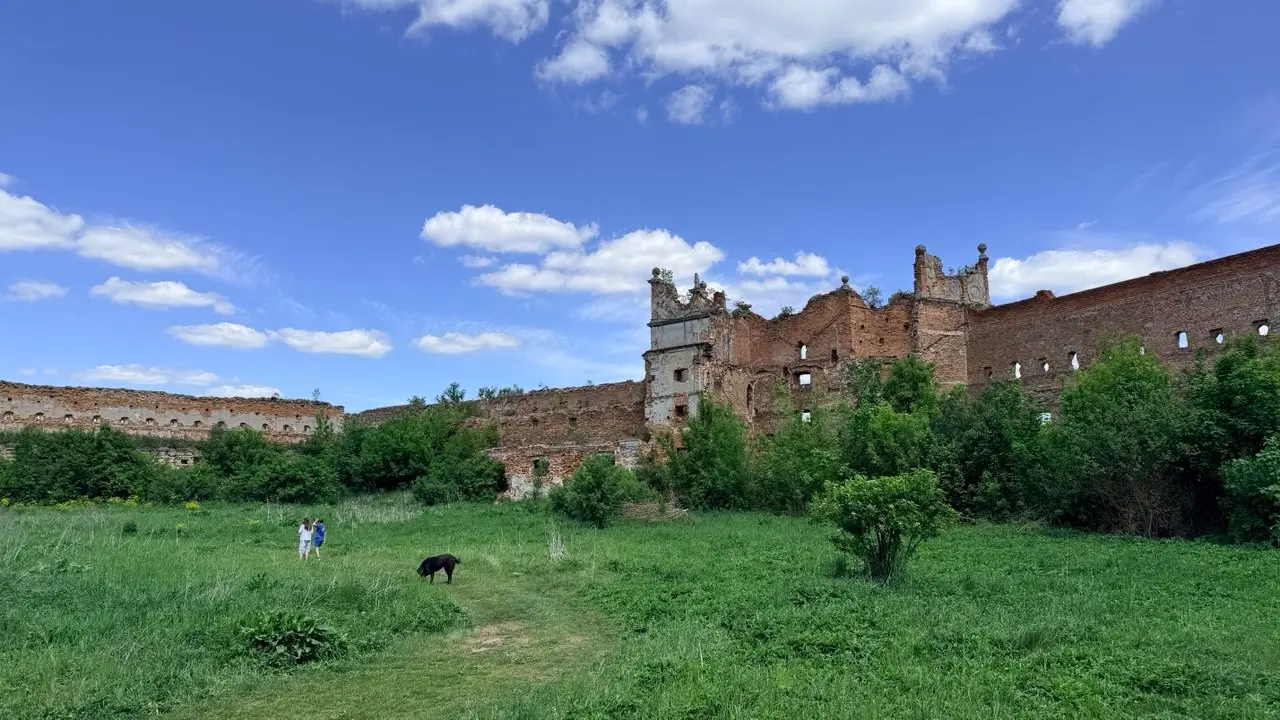
Passengers on trains passing by the village of Stare Selo in the Lviv region often press their faces to the windows. Majestic defensive walls, sometimes 16 meters high, rise right next to the railway tracks. Even from a distance, the castle still looks like a formidable, impregnable citadel.
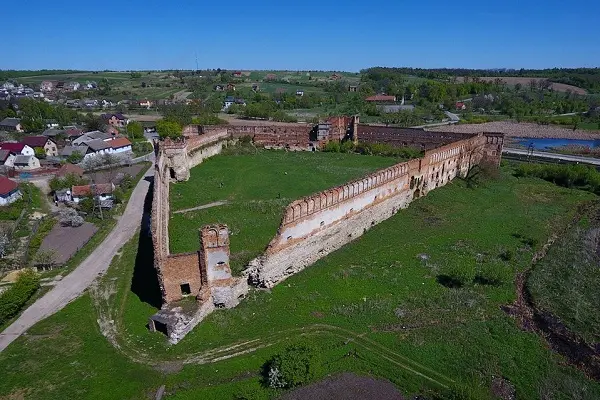
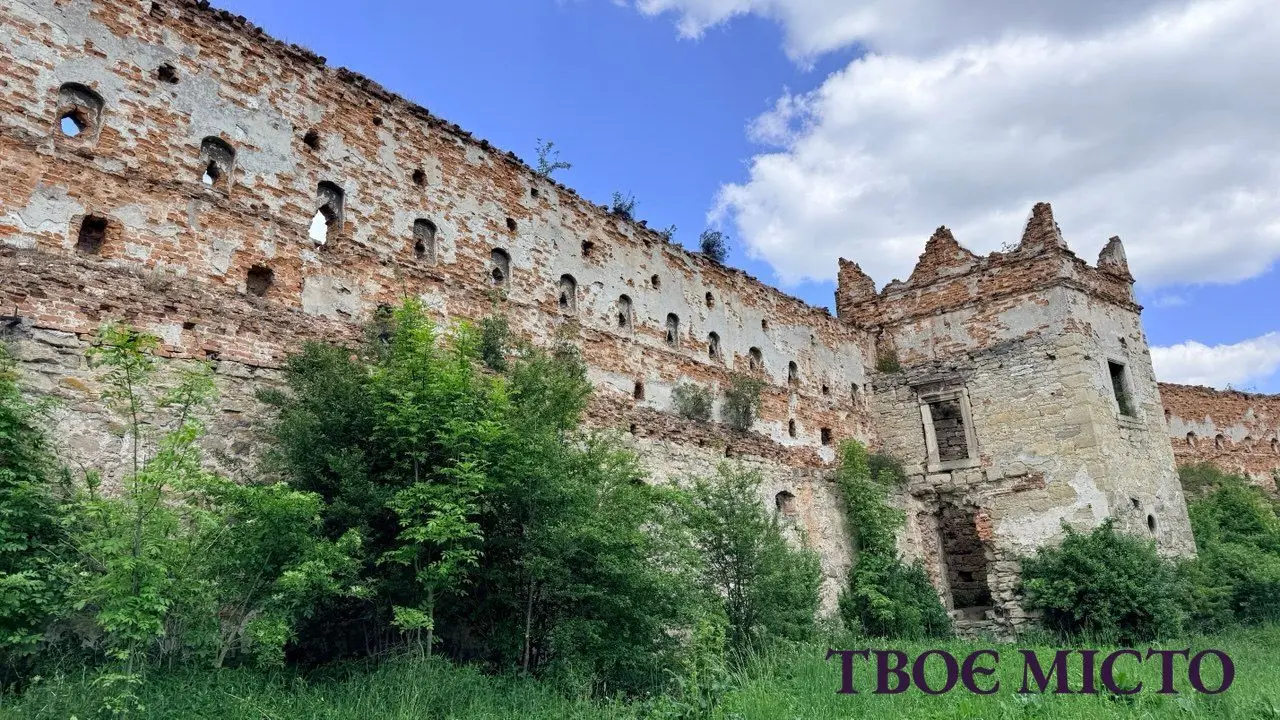
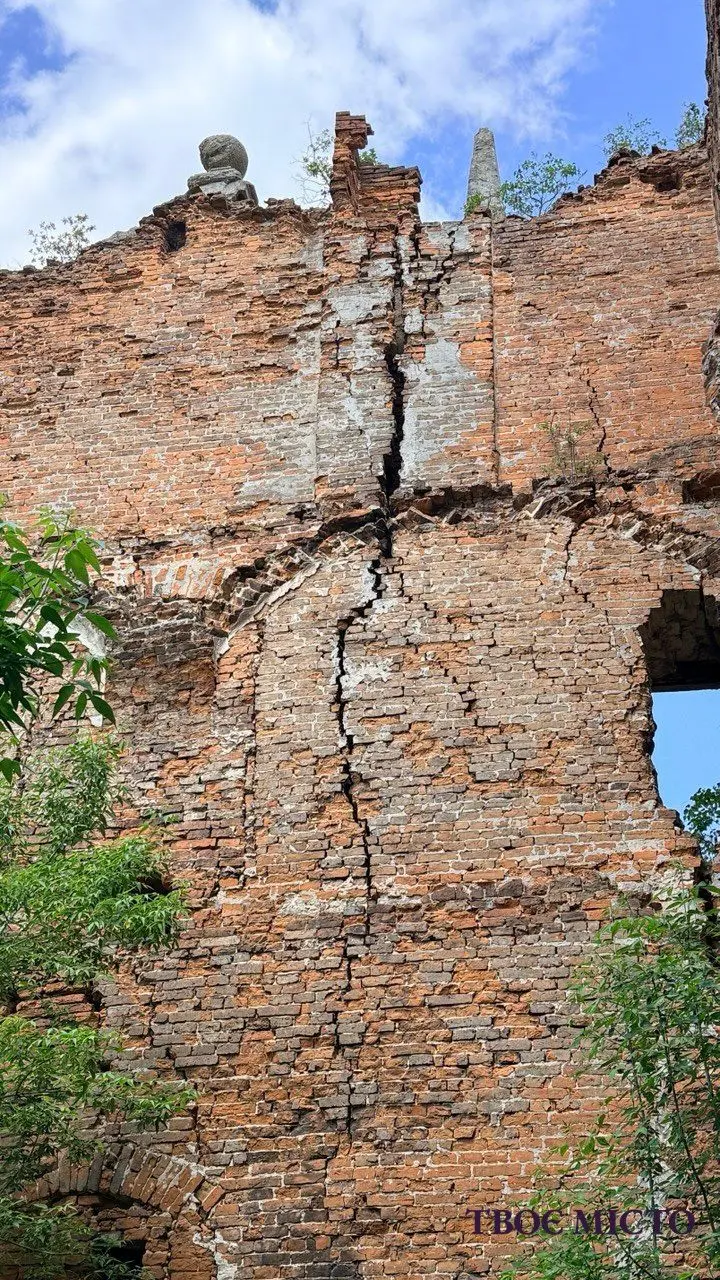
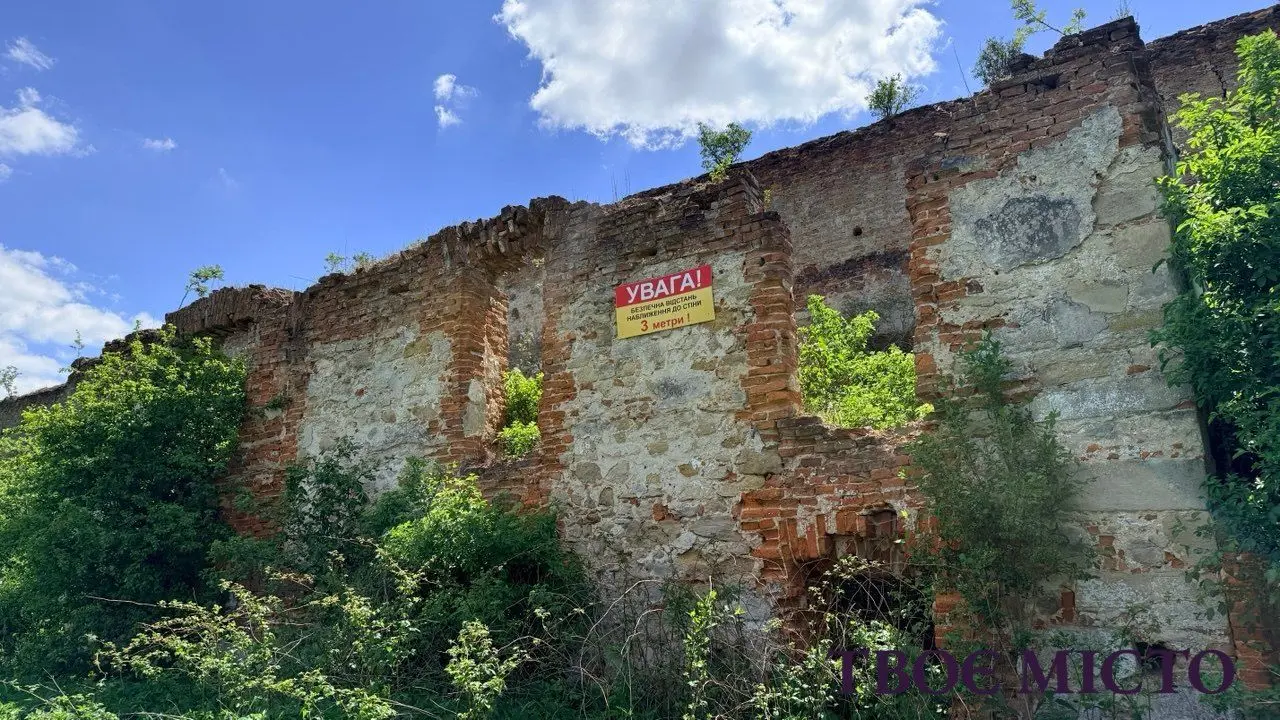
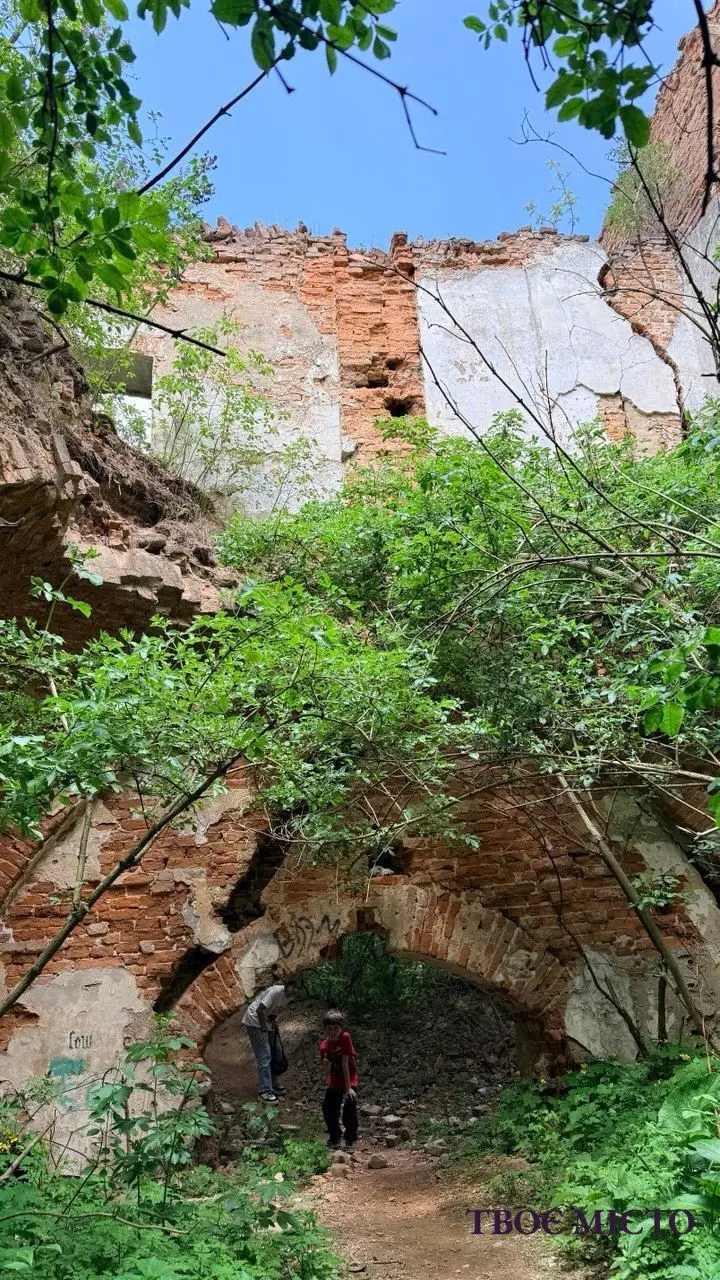
However, as you get closer, the romance disappears. The largest castle in the Lviv region by area (over two hectares) stands off the popular tourist routes. Today, its inner courtyard is overgrown with grass and serves as a pasture for livestock, while deep cracks in the walls and piles of garbage in the basements signal: the monument is dying.
"Tvoe Misto" visited the territory of the Staro selo Castle, spoke with local authorities, and received answers from the Lviv Regional Military Administration and the Ministry of Culture of Ukraine regarding the future of this unique stronghold.
From magnate luxury to a vegetable depot
Staro selo Castle is a unique monument of defensive architecture of the 16th-17th centuries. The first wooden fortifications existed here back in the 15th century, and later the Ostri h family began to build a stone fortress to protect the southeastern routes to Lviv from Tatar raids. According to ancient tradition, milk and eggs were added to the lime mortar for strength. Perhaps this is why the walls have withstood centuries of sieges.
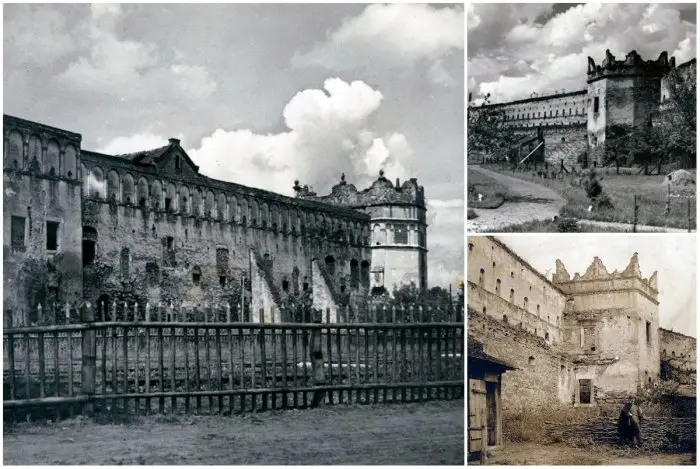
The construction of the large-scale complex was initiated by Vasyl-Kostiantyn Ostrozky, one of the wealthiest magnates of the Polish-Lithuanian Commonwealth. His son Yakub continued the work. Researchers suggest that the design may have involved the renowned Lviv architect Ambrose Prykhylnyi (the author of the Bernardine Church and the Dormition Church in Lviv).
The castle acquired its final appearance in the style of East European late Renaissance under Yakub's grandson, Vladyslav-Dominik Zaslavsky, in 1642. Although, just six years later, during the Khmelnytsky Uprising, Cossacks destroyed the fortress. But the prince immediately began a large-scale reconstruction. According to legends, thousands of workers were employed here, and Vladyslav-Dominik himself personally supervised the work and even helped the builders.
The fortress turned out to be so formidable that in 1654, Cossacks and Muscovite troops dared not storm it during the siege of Lviv. And in 1672, the Turks also left empty-handed before the walls of Staro selo. The castle's arsenal at the time was impressive: 8 large cannons, 13 mortars, 114 rifles, and a lot of cold weapons.
The two-story eastern wing served as a residential palace, and its attic – the upper part of the wall – still evokes the former grandeur of crowned towers. Unfortunately, only three of the six towers have survived to this day.
A change of owners (Czartoryskis, Potockis) in the 18th-19th centuries brought decline. New magnates built more modern palaces, and the defensive outpost was first turned into a brewery, then into a distillery and warehouses. The Soviet authorities went even further - they equipped the princely cellars as a district vegetable depot, where potatoes and beets for Lviv were stored.
At the end of the 1980s, attempts were made to reconstruct the castle, bricks were even brought in, and scaffolding was erected. But with the collapse of the USSR, everything was abandoned, and the monument turned into a landfill.
Ruslana and the Lost Illusions of Concession
In 2007, the famous singer Ruslana Lyzhychko joined the effort to save the unique monument. She actively supported the castle and, at her own expense, organized a large-scale cleanup of the territory, clearing the castle courtyard of years of overgrowth and trees.
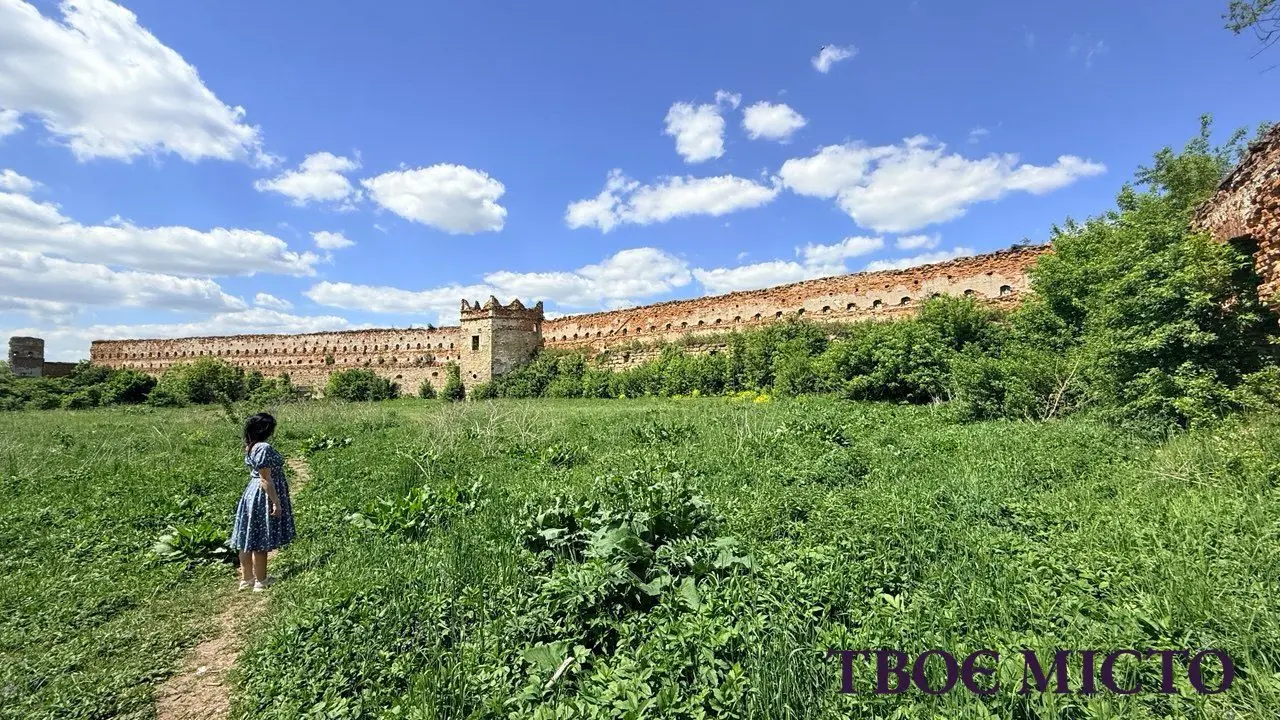
It seemed that light appeared at the end of the tunnel in 2010 when Starosils'kyi Castle became the first in Ukraine to be leased under a concession agreement for 49 years. The concessionaire, Mykhailo Ryba, general director of Kris LLC, made promises. He pledged to bring the monument out of its emergency state by 2012, rebuild one of the semi-ruined towers by 2013, and fully commission the entire historical object by the end of 2015.
However, the grand statements remained only on paper. Absolutely nothing promised was done on the castle grounds. Due to the catastrophic failure to fulfill the restoration conditions and improper maintenance of the object, the state initiated legal proceedings, and eventually, in 2023, the court terminated the concession agreement, returning the largest castle in the Lviv region to state ownership. But years were lost, and the fortress continued to crumble day by day.
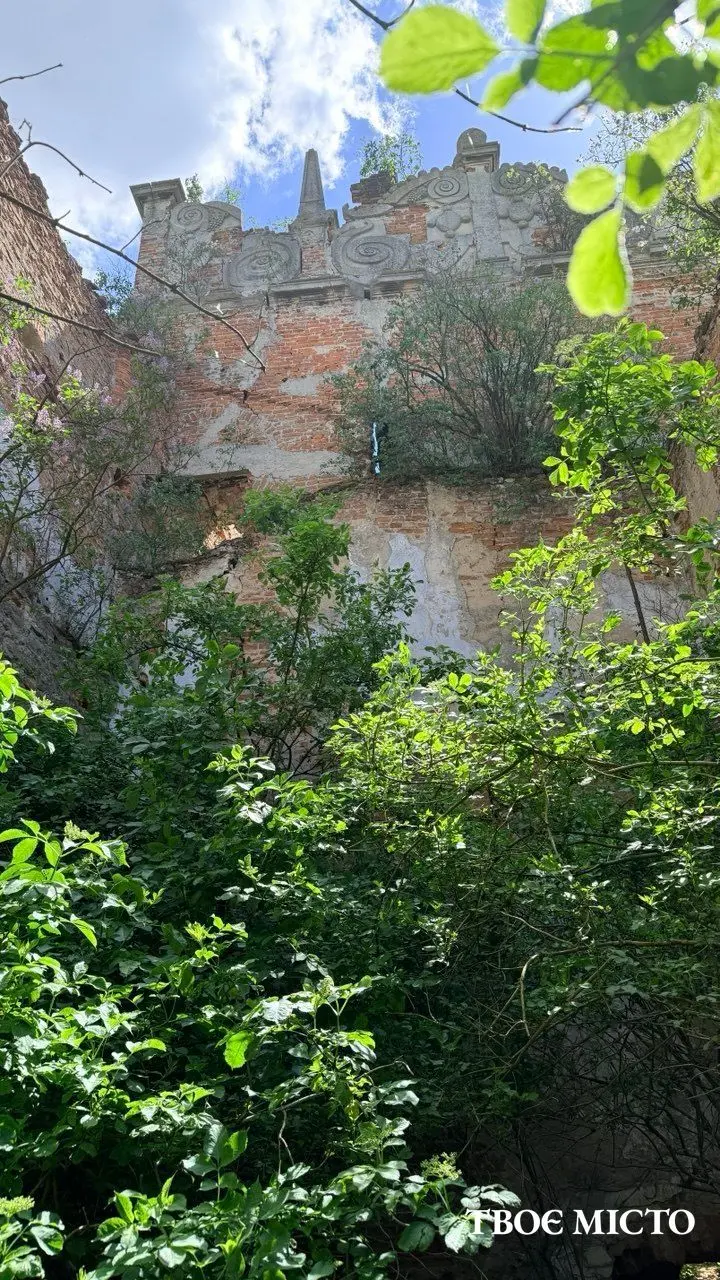
Children's Games on the Edge of Life and Death
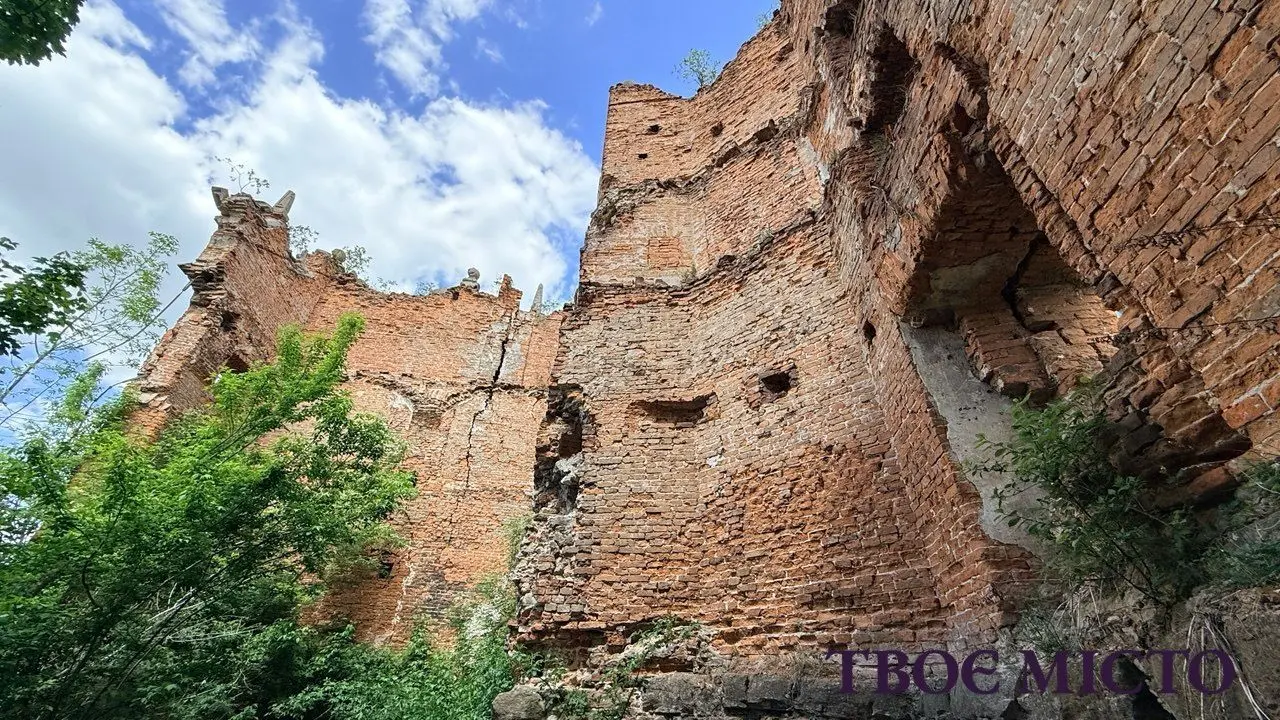
Today, being on the territory of Starosils'kyi Castle is an extreme sport with an increased risk to life. The massive walls, two meters thick, are covered in deep cracks that widen every year. The main destroyer is the railway. Trains pass directly under the fortress walls, causing constant destructive vibrations for the ancient structure.
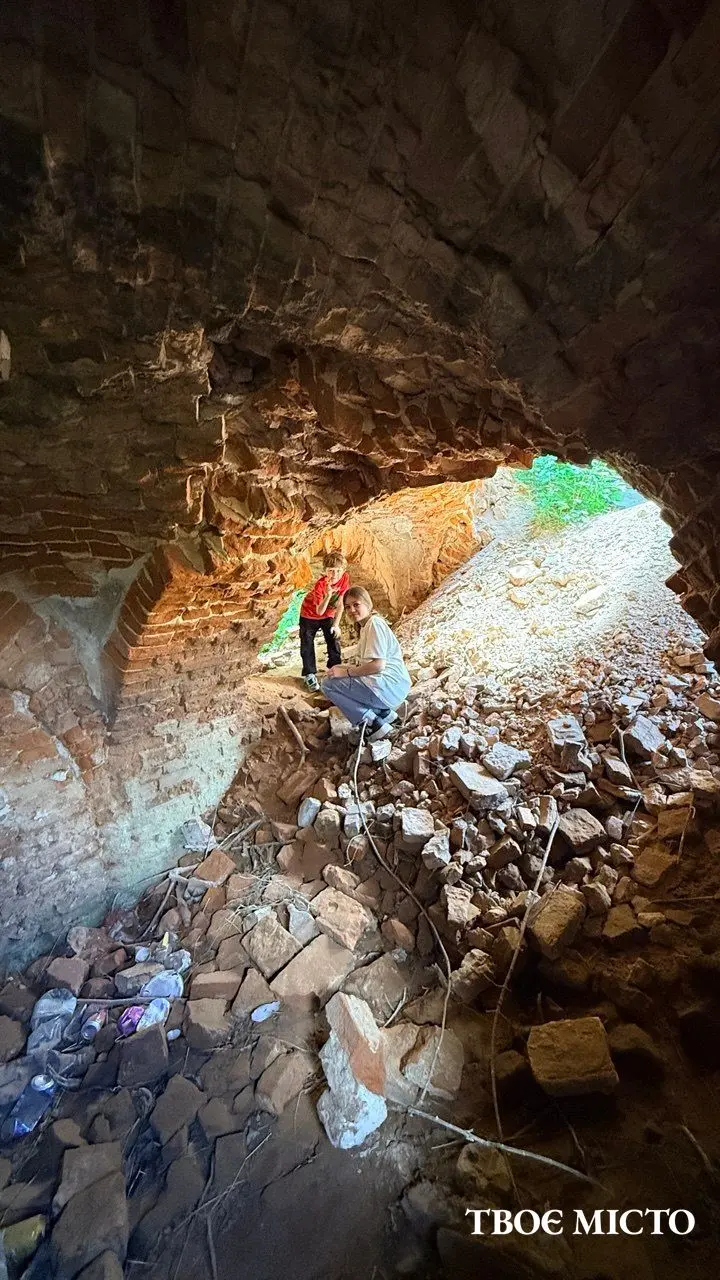
In addition, deep sinkholes, leading to semi-ruined basements, are imperceptibly hidden in the grass in the courtyard.
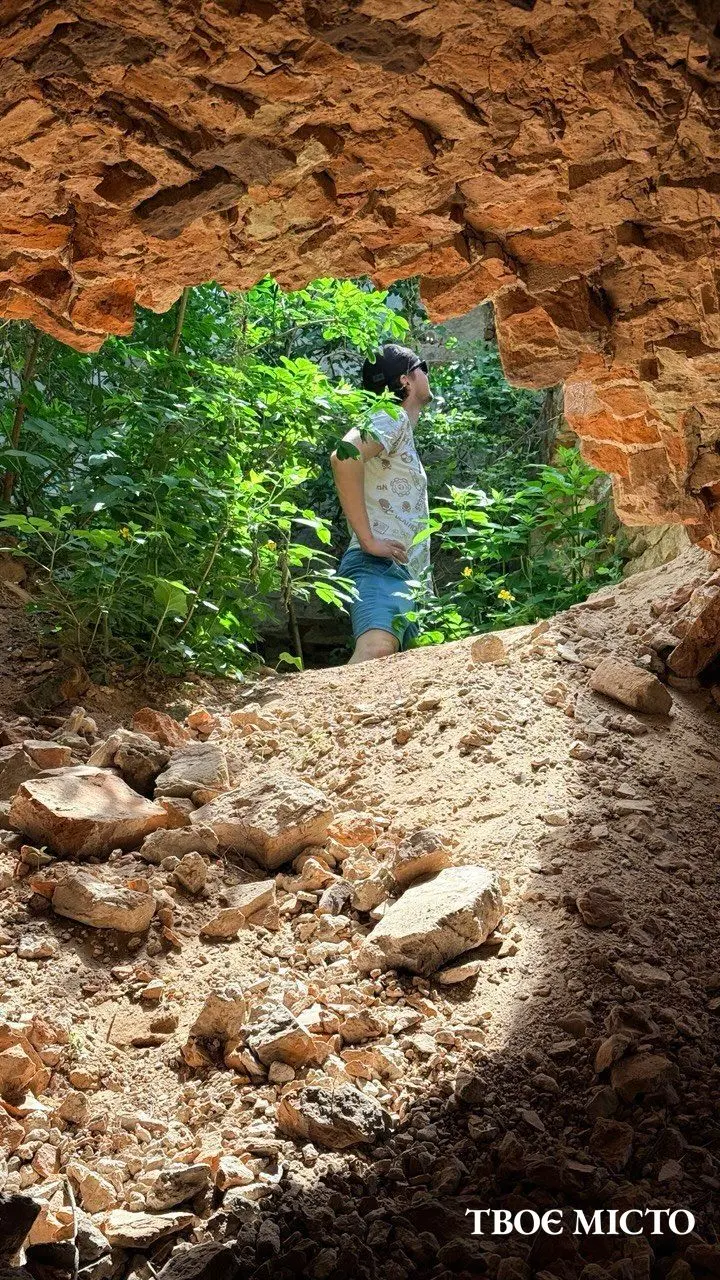
There is no security or fence here. The only warning is a lone sign on one of the walls, asking not to approach closer than 3 meters because it is crumbling. However, absolutely all the walls here are in a state of disrepair.
While the journalist from "Tvoe Misto" was visiting the castle grounds, three local children, about 9-10 years old, were running around. When asked if they often came here, the children responded carefree:
The children don't even suspect that every such step could be fatal.
Community's position: "Immediate conservation is needed"
Vasyl Kuzyk, head of the Starosilska старостинський округ (village elder district), in a conversation with "Tvoe Misto" stated that the fate of the castle greatly worries the community, but their hands are tied.
"The village simply doesn't have enough funds to at least build a reliable fence around the complex. On our own, as a community, we occasionally hold clean-up events here, we remove garbage. But for large-scale work, completely different funding is needed," — explains the village head.
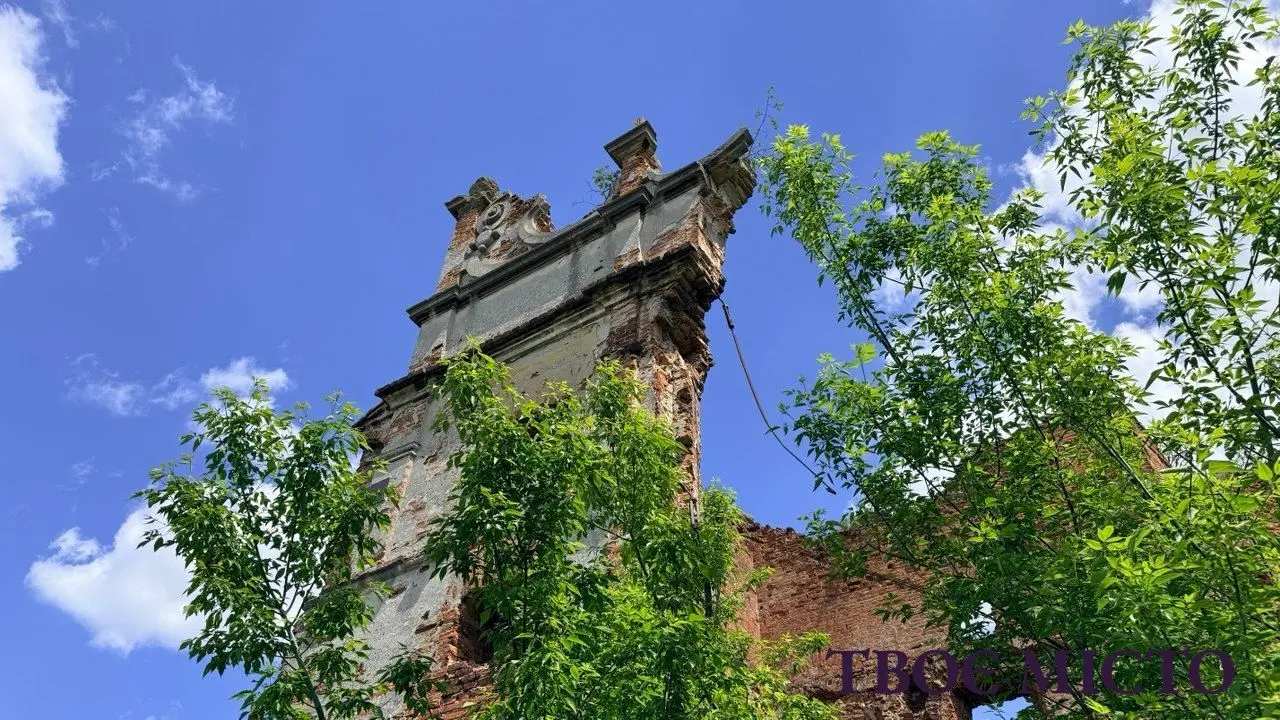
According to him, the state of the building is currently critical:
"It is a catastrophe that the castle has not yet been preserved. Its destruction has accelerated significantly recently. The cracks are increasing significantly year by year. If nothing is done, according to my predictions, the walls may completely collapse in 3 years. It is necessary to make at least a reliable covering over the walls as soon as possible, this would stop the destructive effect of snow, frost, rain and wind".
What they say in the region
"Tvoe misto" contacted the chief architect of the Lviv region, Olena Vasylko, for a comment. We asked about restoration plans, children's safety, and the impact of the railway. Here are the key points of the LOVA's response:
About money: Currently, funds for the development of scientific and project documentation and research are not provided in the regional and state budgets due to the significant cost of work and the priority of the country's defense needs in the conditions of a full-scale war.
About safety and children: It is indeed dangerous to be on the castle grounds now. However, in accordance with the Law of Ukraine "On Local Self-Government in Ukraine", issues of landscaping, ensuring cleanliness, order, and safety on the territory of the settlement fall under the authority of local self-government bodies (i.e., the village council).
About garbage and initiative: The Lviv Regional State Administration emphasizes that the preservation of the monument requires responsibility from the community itself. At the same time, according to officials, no appeals or initiatives have been received from the community of Stare Selo regarding the preservation or development of the castle as a tourist attraction.
About the railway and cracks: To determine the exact impact of train vibrations and geological processes on the destruction of the walls, additional technical surveys are necessary, which also require funds.
Now, after the return of the castle to the state, LOVA declares the search for an "effective management model" or a new investor, but, of course, there are no queues of patrons or partners during the war.
Ministry of Culture: "The castle is not on our balance sheet"
In response to the inquiry "Of your city"from the Ministry of Culture of Ukraine, signed by Deputy Minister Yevhen Lavrov, states that this monument is not on their balance sheet.
The Ministry of Culture notes: the castle in Stare Selo is a monument of architecture of national significance (protection number 486).
"The mentioned monument is not on the balance sheet of enterprises, institutions or organizations belonging to the sphere of management of the Ministry of Culture of Ukraine. Information regarding the balance holder of the mentioned monument as of June 2026 is absent in the Ministry of Culture of Ukraine", — reads the official response.
Because the object is not on their balance sheet, the Ministry, according to the Budget Code, simply has no legal grounds to allocate funds for it. Furthermore, the Ministry of Culture has never conducted an official inspection of the castle, so they have no recorded act of its emergency condition. The ministry also has no information on whether the Lova is doing anything for safety at the facility (installing a fence or signs).
The ministry reminds: according to the law, preservation, conservation, and repair must be provided by the owner or balance holder at their own expense, or through charitable contributions and donations. And continuous monitoring of the fortress's condition is, again, the responsibility of the village council.
A dream that is collapsing before our eyes
For many years, the head of the Lviv Art Gallery, Hero of Ukraine Borys Voznytskyi, believed that this castle had colossal potential – large-scale international festivals could thunder here, museums and various art and cultural events could operate. The experience of European countries proves that such monuments can successfully earn and maintain themselves under systemic management.
At one time, it was thanks to the titanic efforts of Borys Voznytskyi that Olesko and Zolochiv castles were rescued from Soviet neglect and restored, and the Zhovkva Royal Residence was returned to the state. Voznytskyi, who created the famous tourist route "Golden Horseshoe of Lviv Region", repeatedly emphasized the importance of restoring the walls of Stare Selo, but during his lifetime, this dream never came true.
And in Ukrainian realities, the fortress of Stare Selo found itself in a vicious circle of bureaucracy. The Ministry of Culture does not know who the balance holder is; the region says that during the war all funds go to defense, and the village is responsible for safety; and the village budget, they claim, does not even have money for a fence.
If the conservation of the walls is not started, the largest castle in the Lviv region may remain only in old photographs and in the memories of tourists who managed to see and capture its grandeur in their memory.
Read also: You've passed by them dozens of times. What ancient villas of Lviv hide.
We remind you that earlier "Your City" wrote about the Archbishop's Palace in the village of Obroshyne, which is also rapidly decaying and dangerous for visitors.

Related News