"Putin is a beast. They hit not only people, but also faith." Report from Lavra after Russian strike
16 June 2026, 16:01
16 June 2026, 16:01
The usual tourist hubbub is not heard near the central entrance to the Kyiv-Pechersk Lavra. Instead, dozens of people stand here with phones in their hands, silently looking towards the Assumption Cathedral.
Some photograph the aftermath of the night attack. Others stare for a long time at the damaged buildings, as if trying to comprehend what they have seen. Some cannot hold back tears.
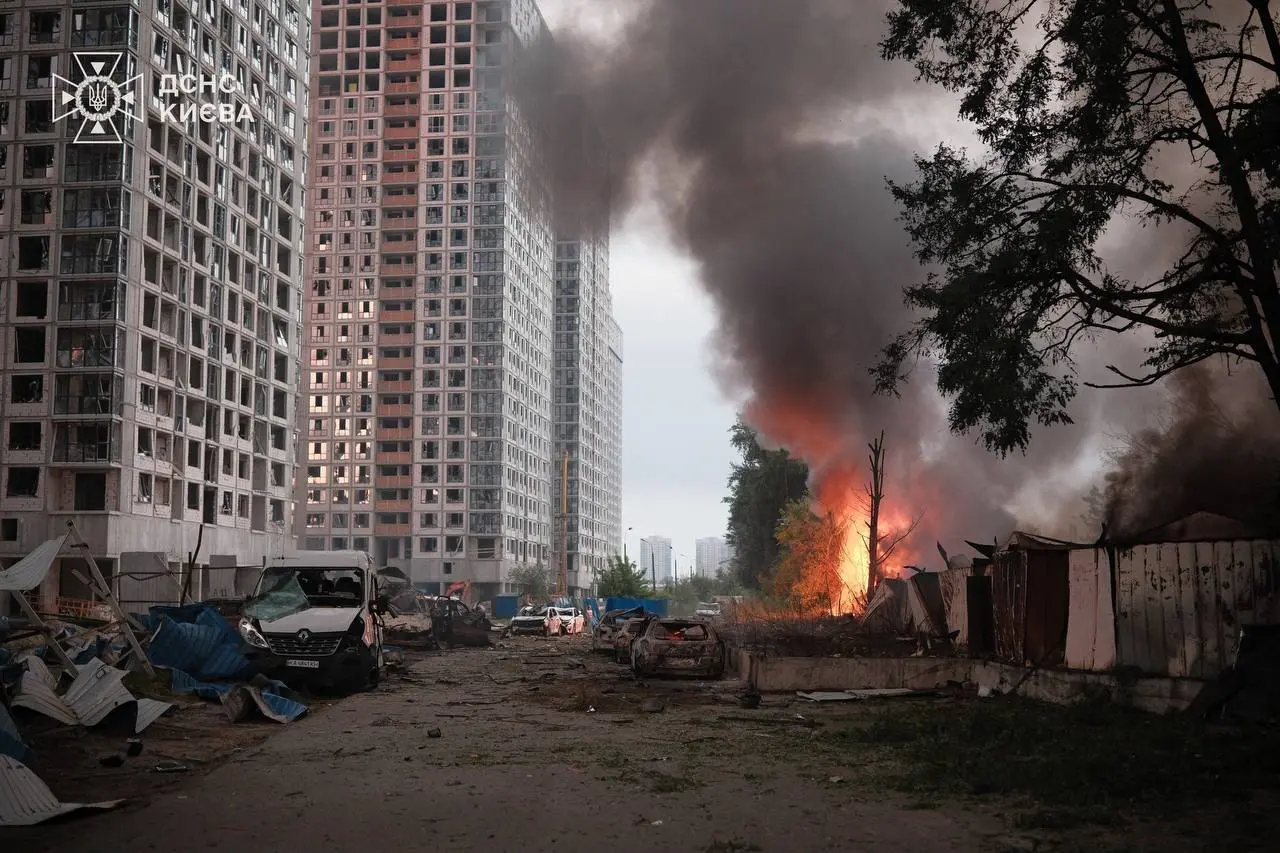
After a massive Russian attack on Kyiv on the night of June 15, one of Ukraine's most important sanctuaries turned into a place where the smell of smoke, prayers, the work of rescuers, and human pain mingled.
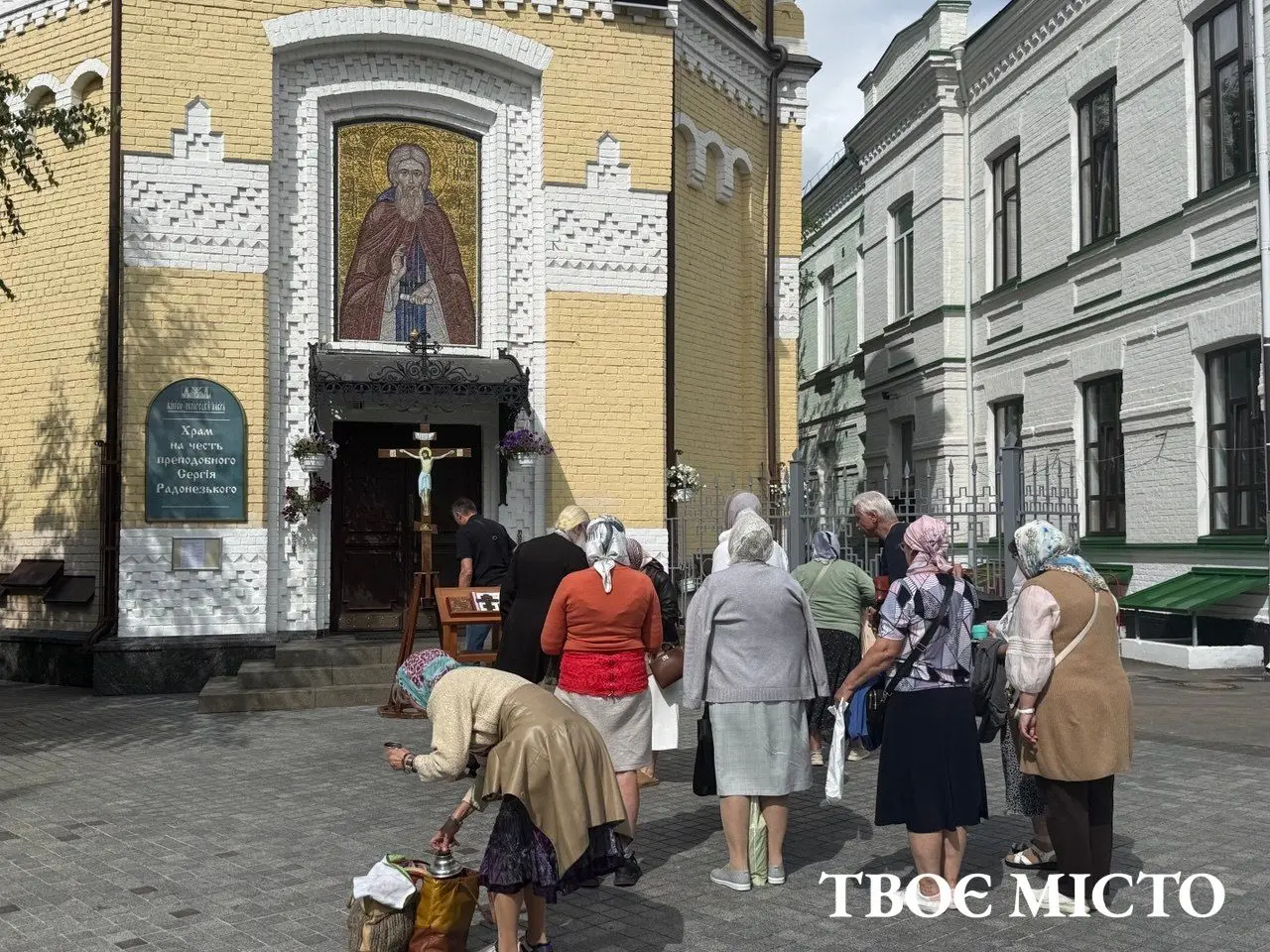
In the morning, the Lavra's territory was partially cordoned off. Near the entrance, priests and parishioners stood in a circle, singing church hymns. Nearby, prayers for Ukrainians who died that night could be heard.
No one argued in response.
People simply remained standing nearby. Some crossed themselves. Some cried quietly, and some looked at the golden domes, over which smoke had risen just a few hours earlier.
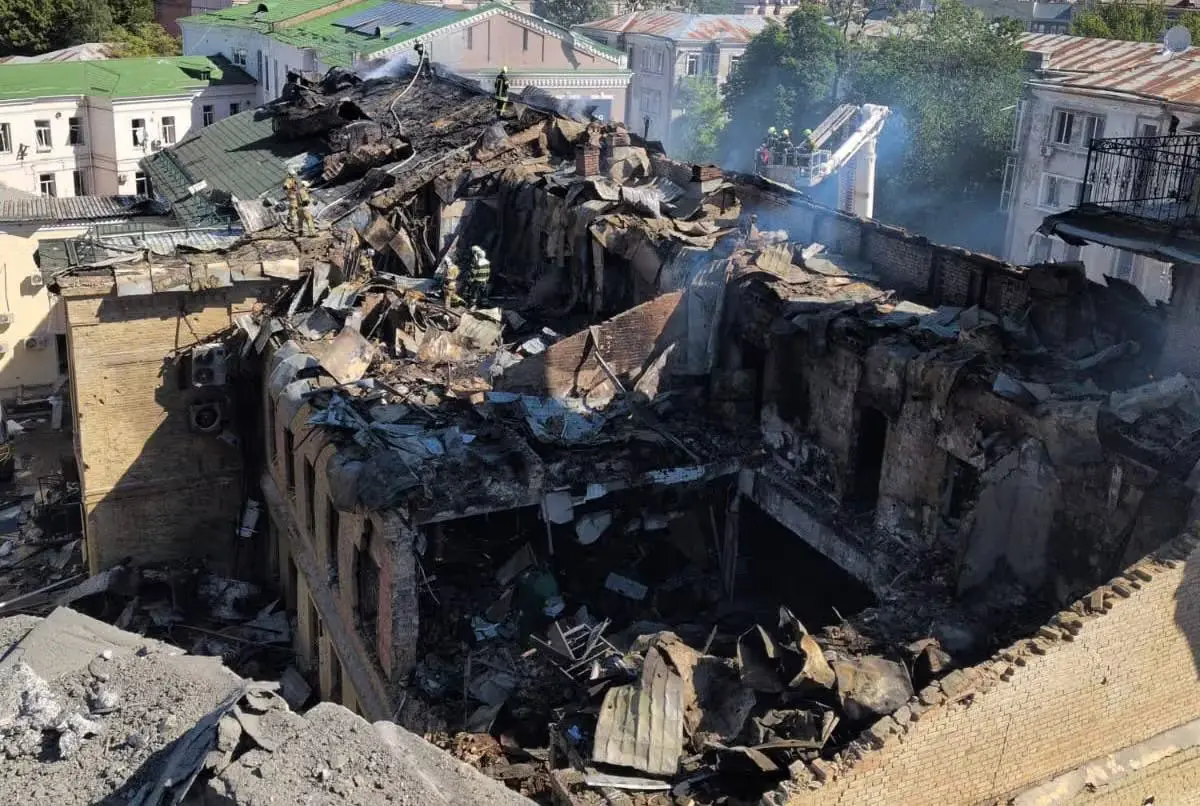
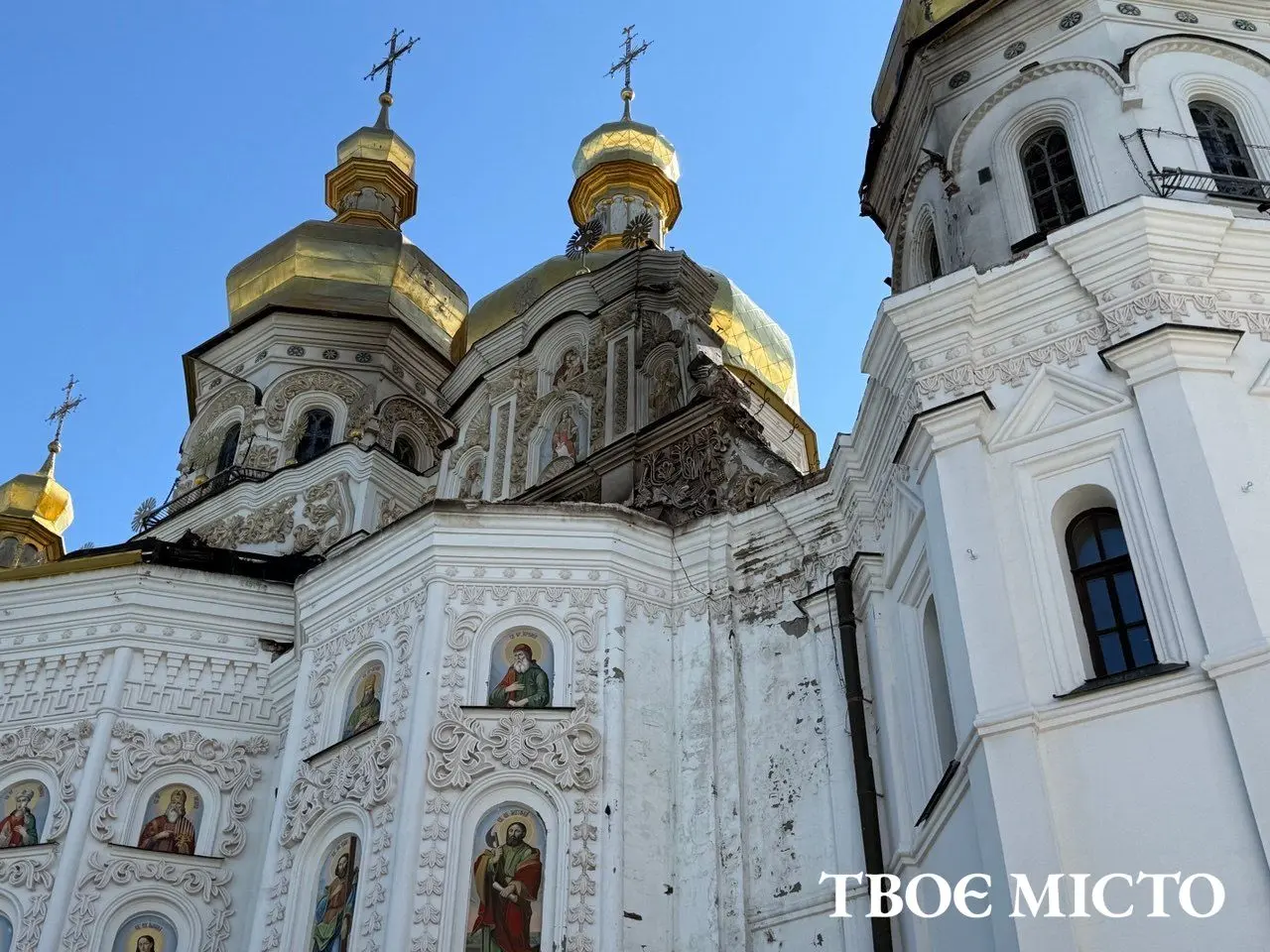
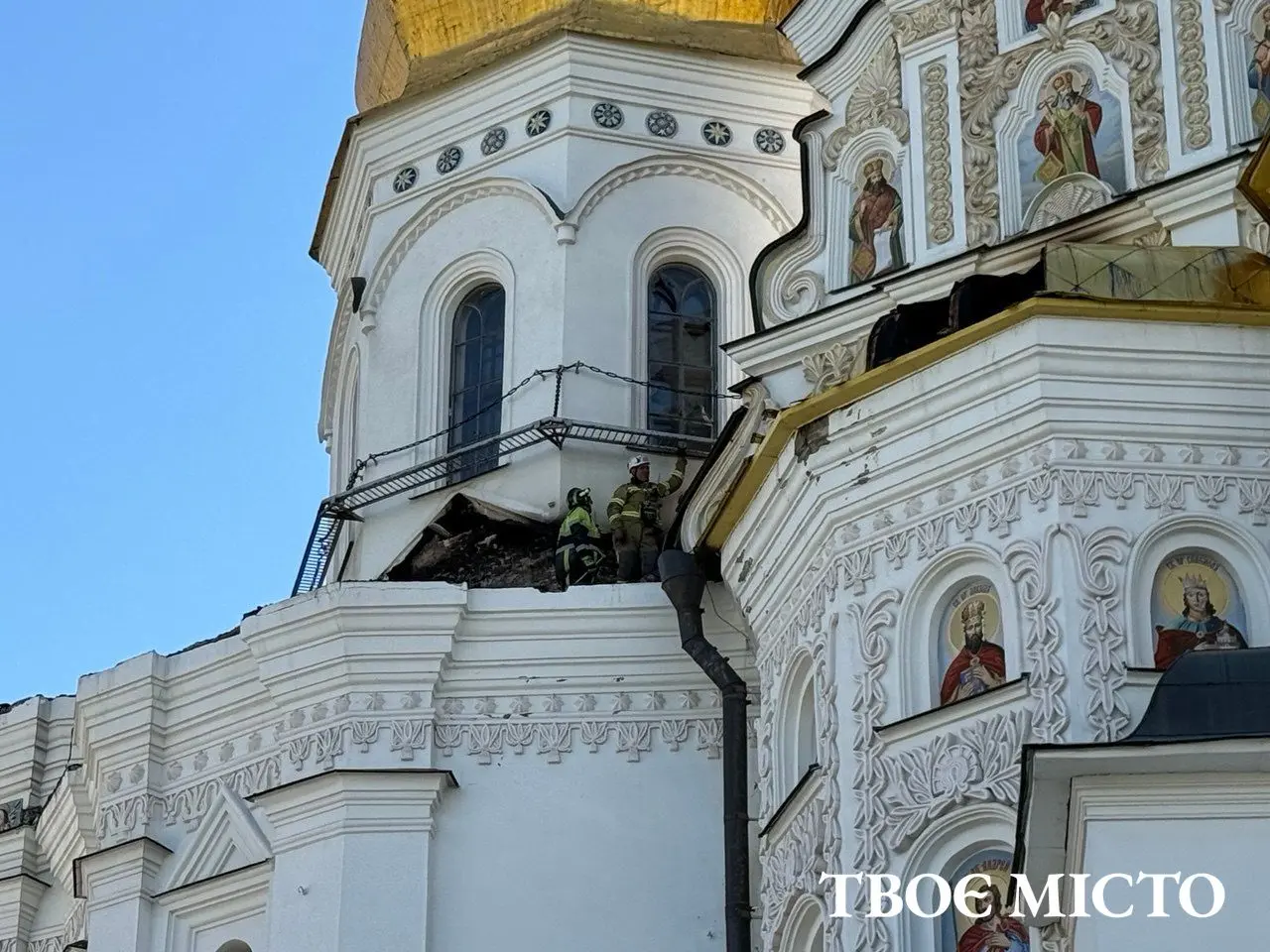
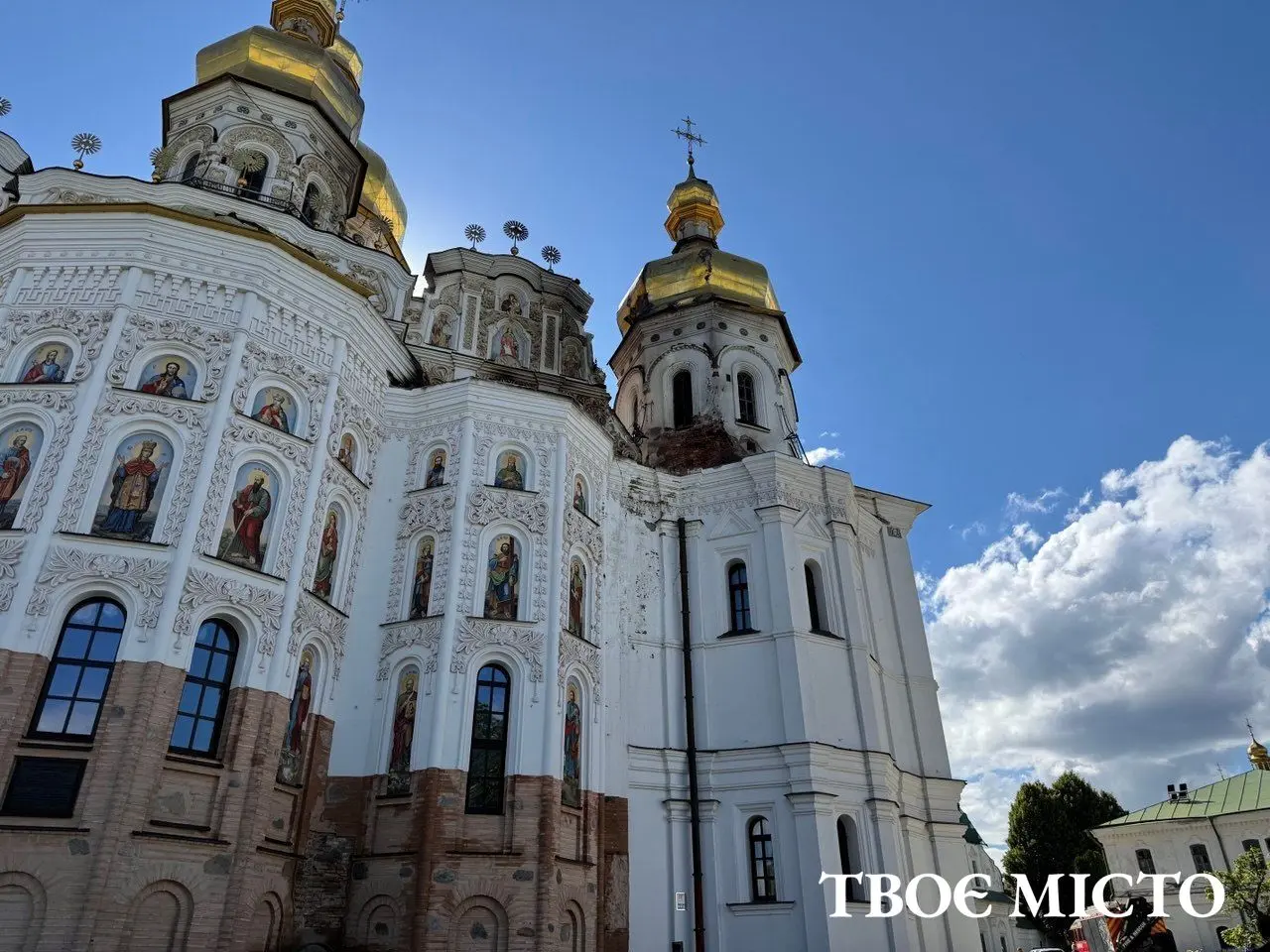
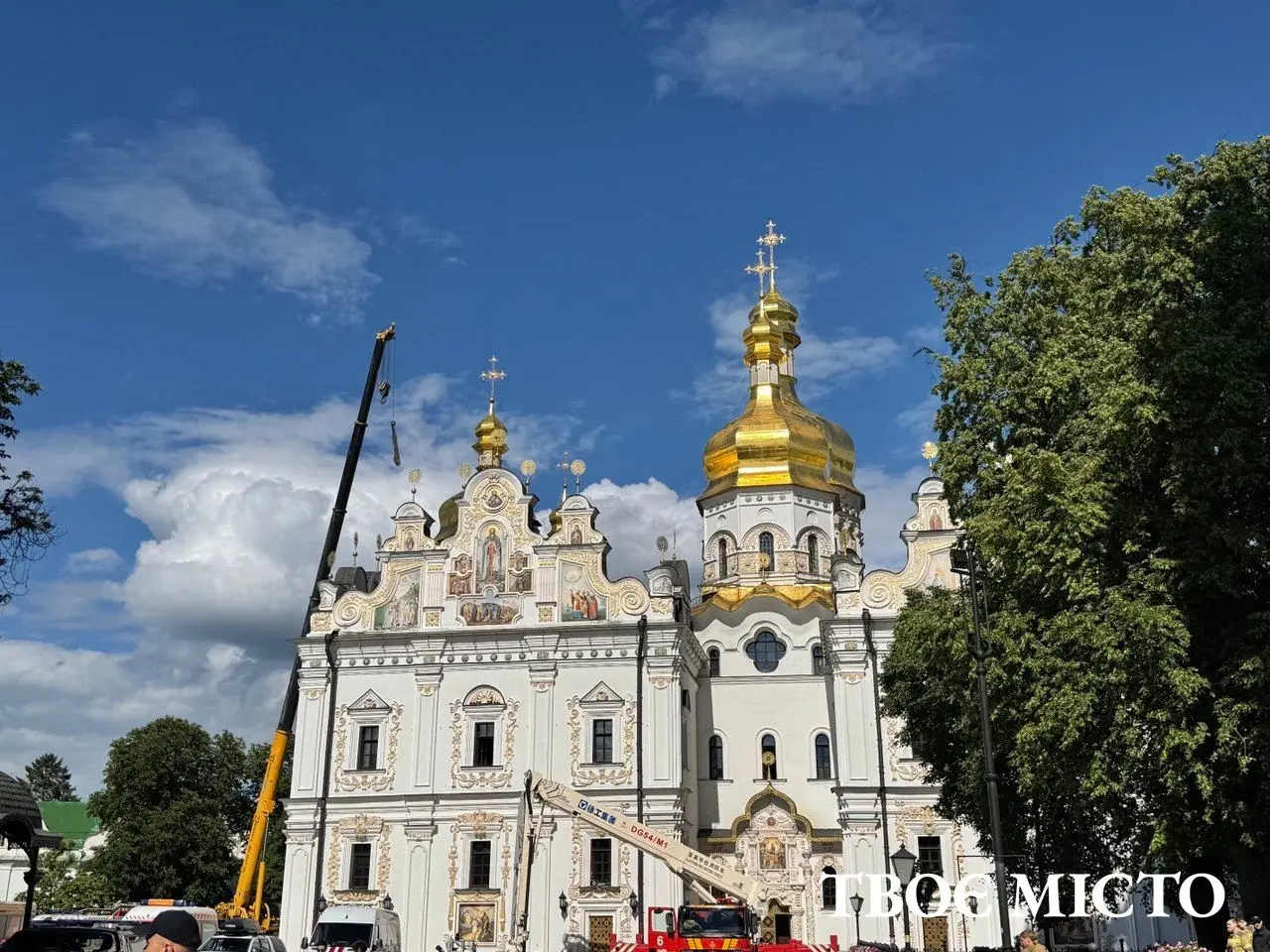
According to official data, a fire broke out on the territory of the Kyiv-Pechersk Lavra as a result of the Russian strike. The fire damaged the roof of the Assumption Cathedral. In total, at least five national heritage sites on the reserve's territory suffered damage.
For many Ukrainians, this news came as a shock. Even though the war has been going on for over four years.
"I saw the footage of the fire and just cried"
A middle-aged woman stands near the entrance to the Lavra. Her voice cracks constantly during the conversation. She came from Pozniaky specifically to see everything with her own eyes.
When she starts talking about the night attack, she can't hold back tears.
She recalls that it was also very loud in Pozniaky that night.
The woman says that what surprises her most are not the Russian strikes themselves, but the reaction of some people afterwards.
People nearby silently listen to the conversation.
Some nod their heads.
Meanwhile, Russia has already tried to shift responsibility for the damage to the shrine. The Russian Ministry of Defense stated that the territory of the Kyiv-Pechersk Lavra was allegedly hit by a missile from an American Patriot anti-aircraft system, which supposedly malfunctioned.
However, the Ukrainian side denies this version. Maksym Ostapenko, the director of the Kyiv-Pechersk Lavra National Reserve, stated that the complex's main church, the Dormition Cathedral, was damaged by a Russian Shahed-type attack drone.
Amidst the singing of prayers and the rumble of special equipment
Having received permission to enter, we proceed further into the reserve's territory. The atmosphere here is even more contrasting.
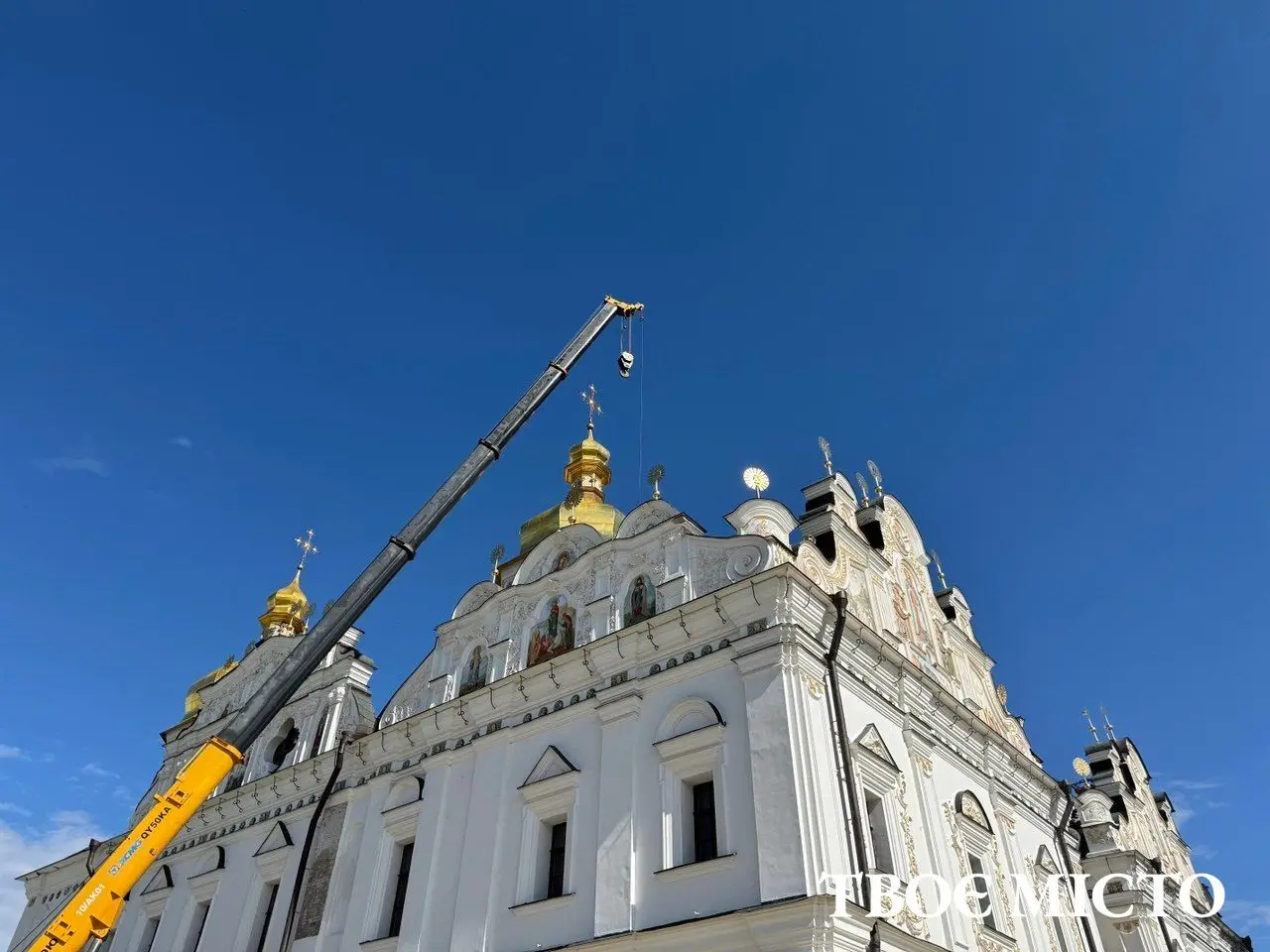
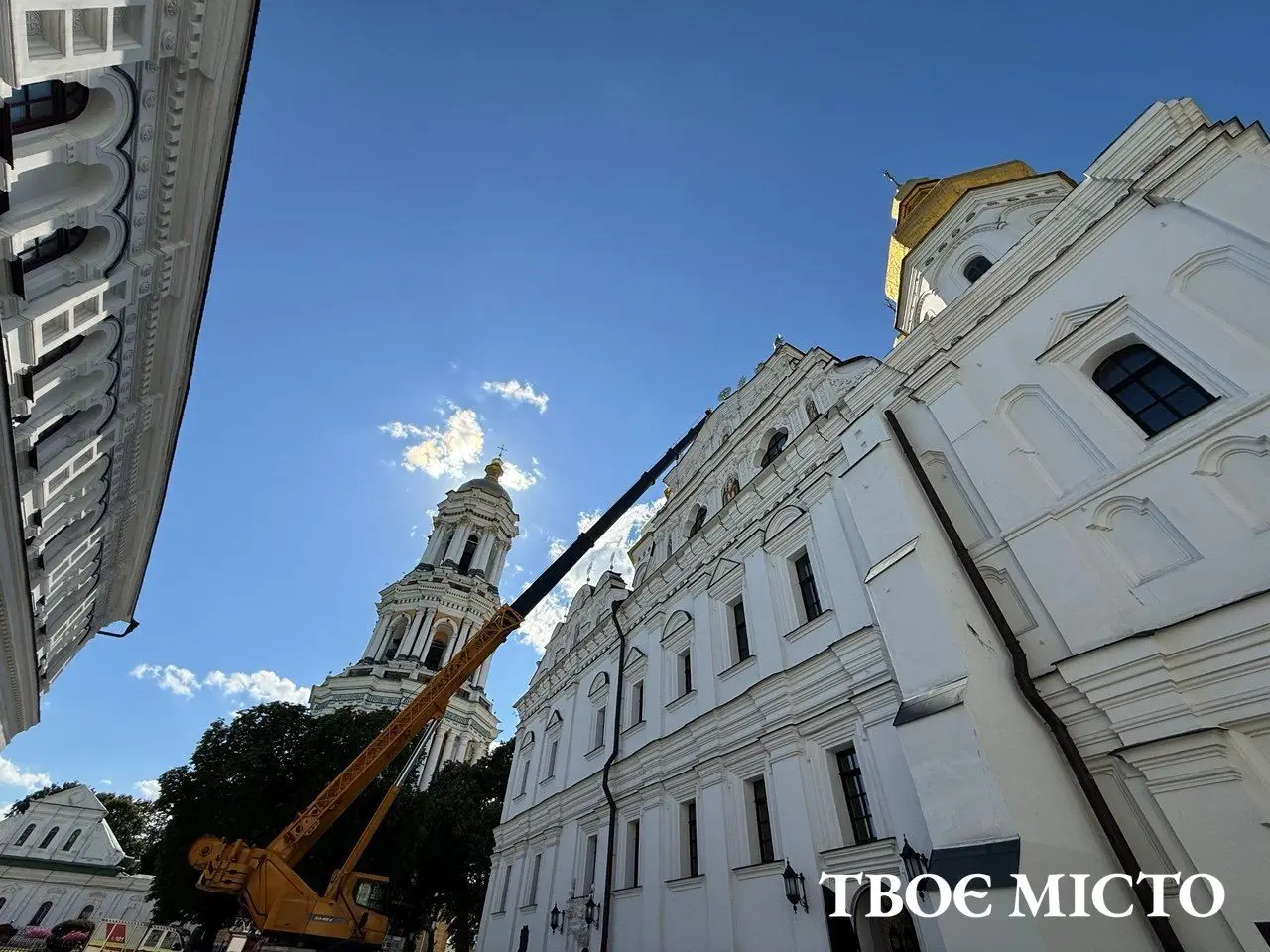
On one side — monastic walls, bell towers, and golden domes that have been symbols of Ukrainian Orthodoxy for centuries.
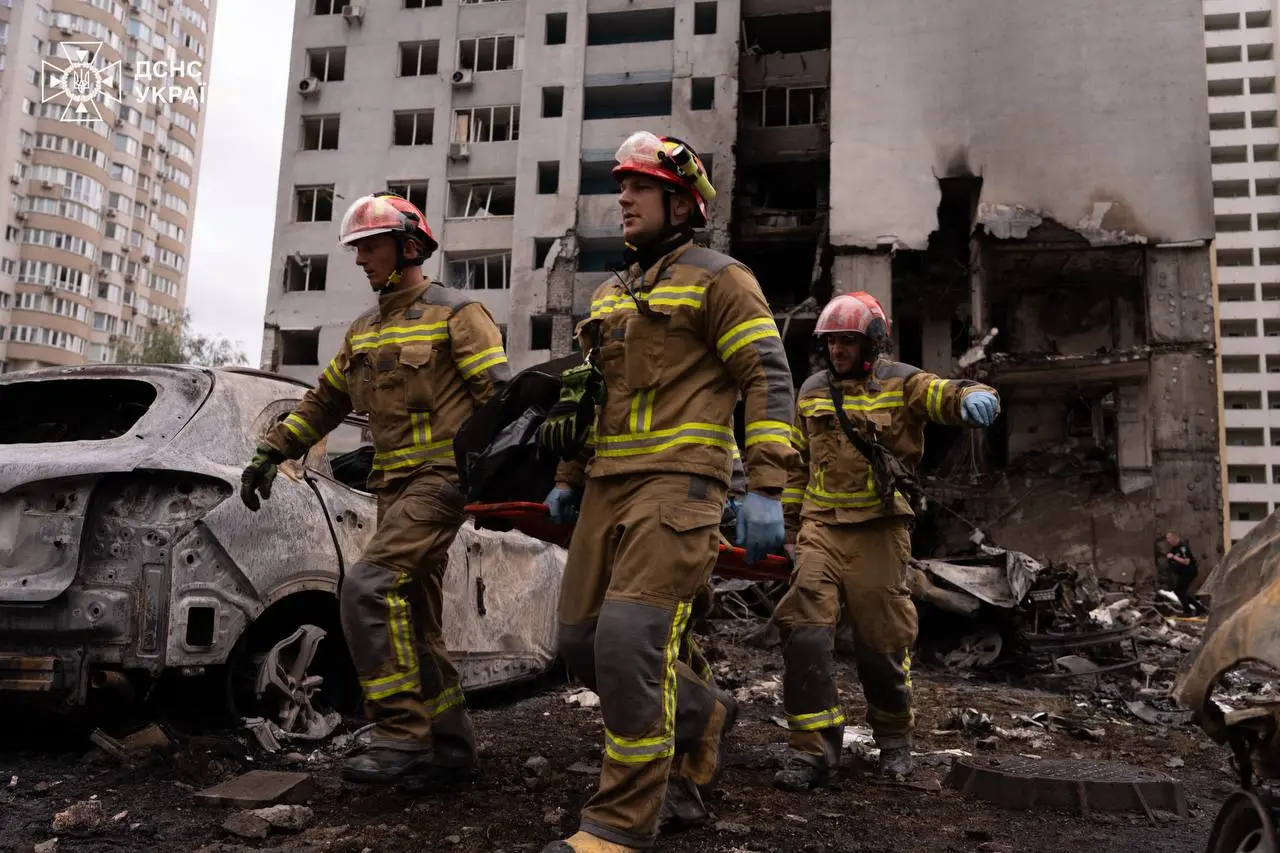
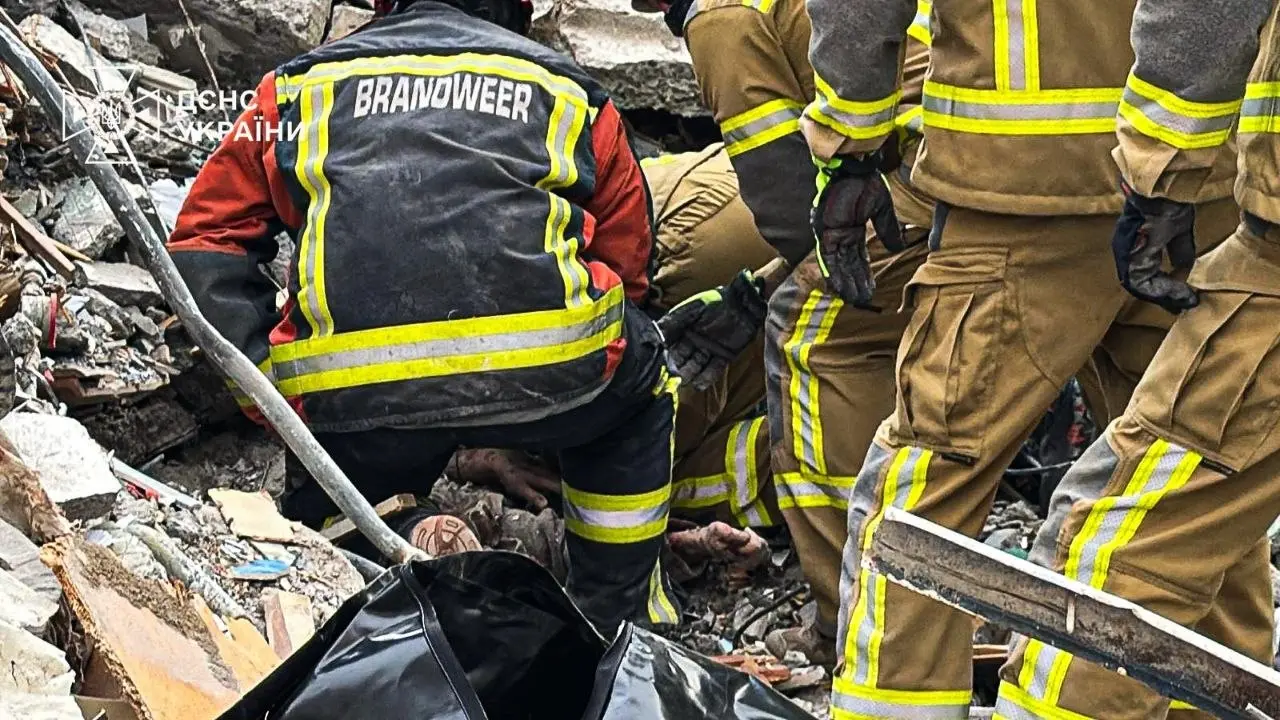
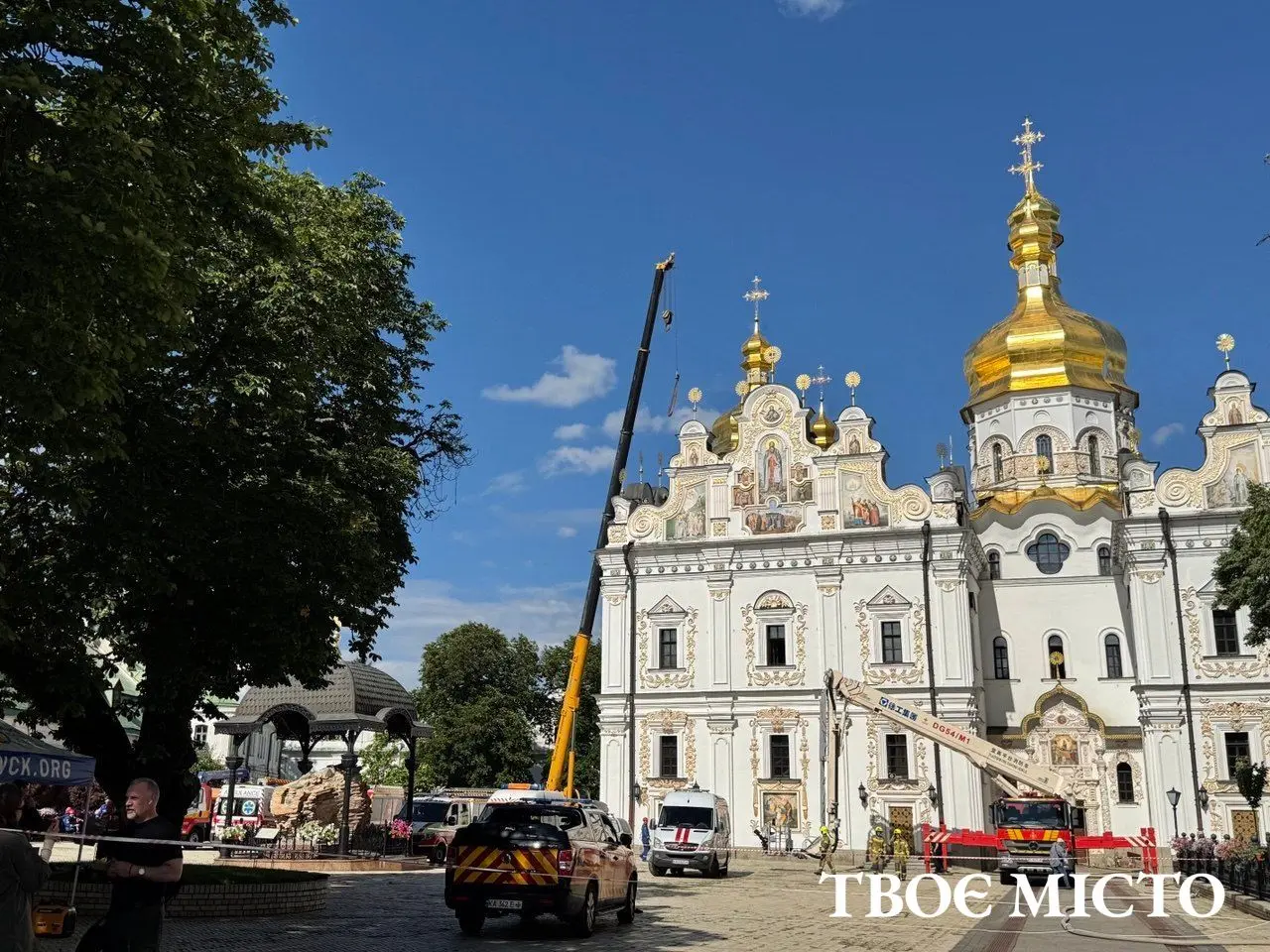
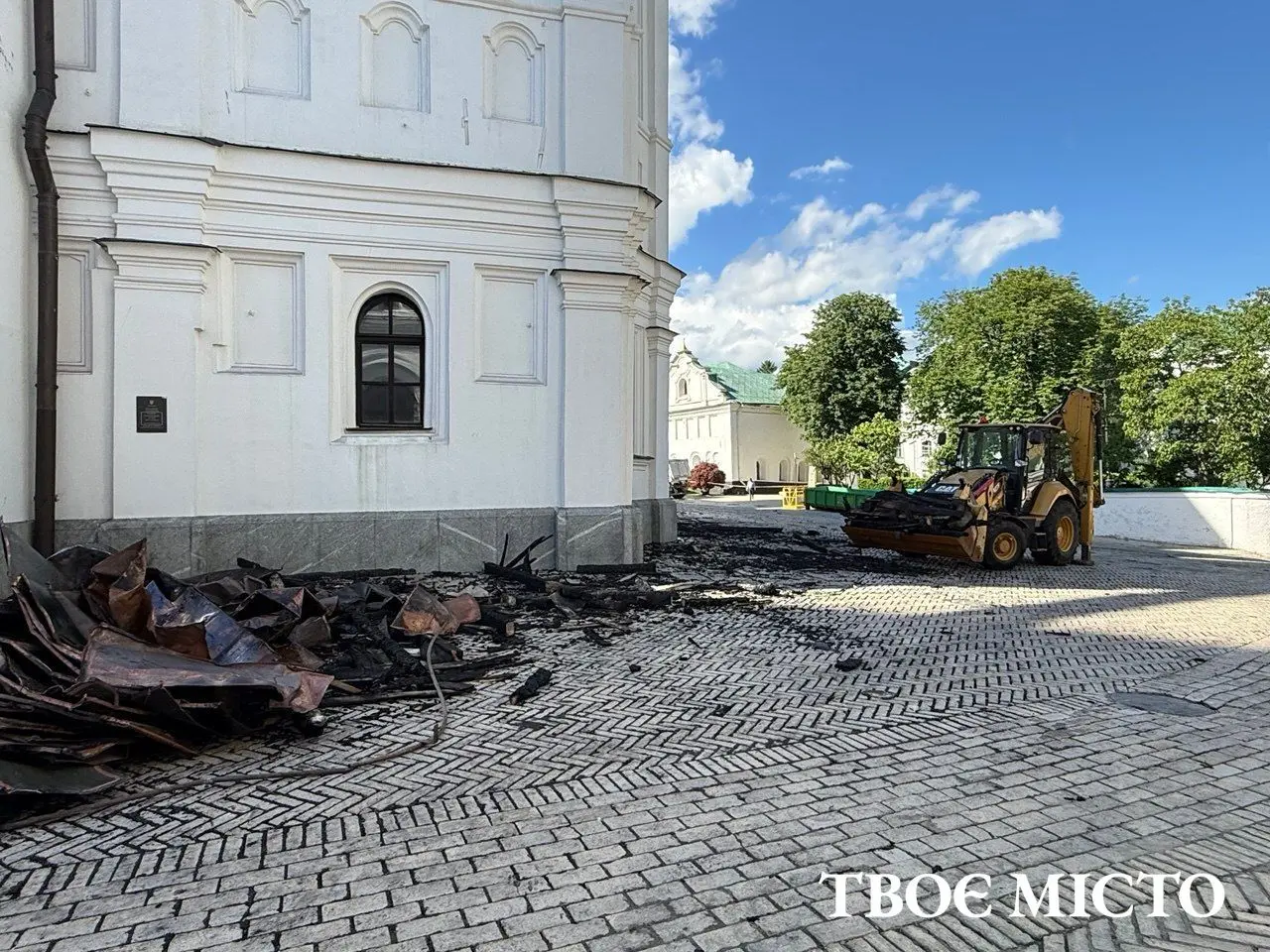
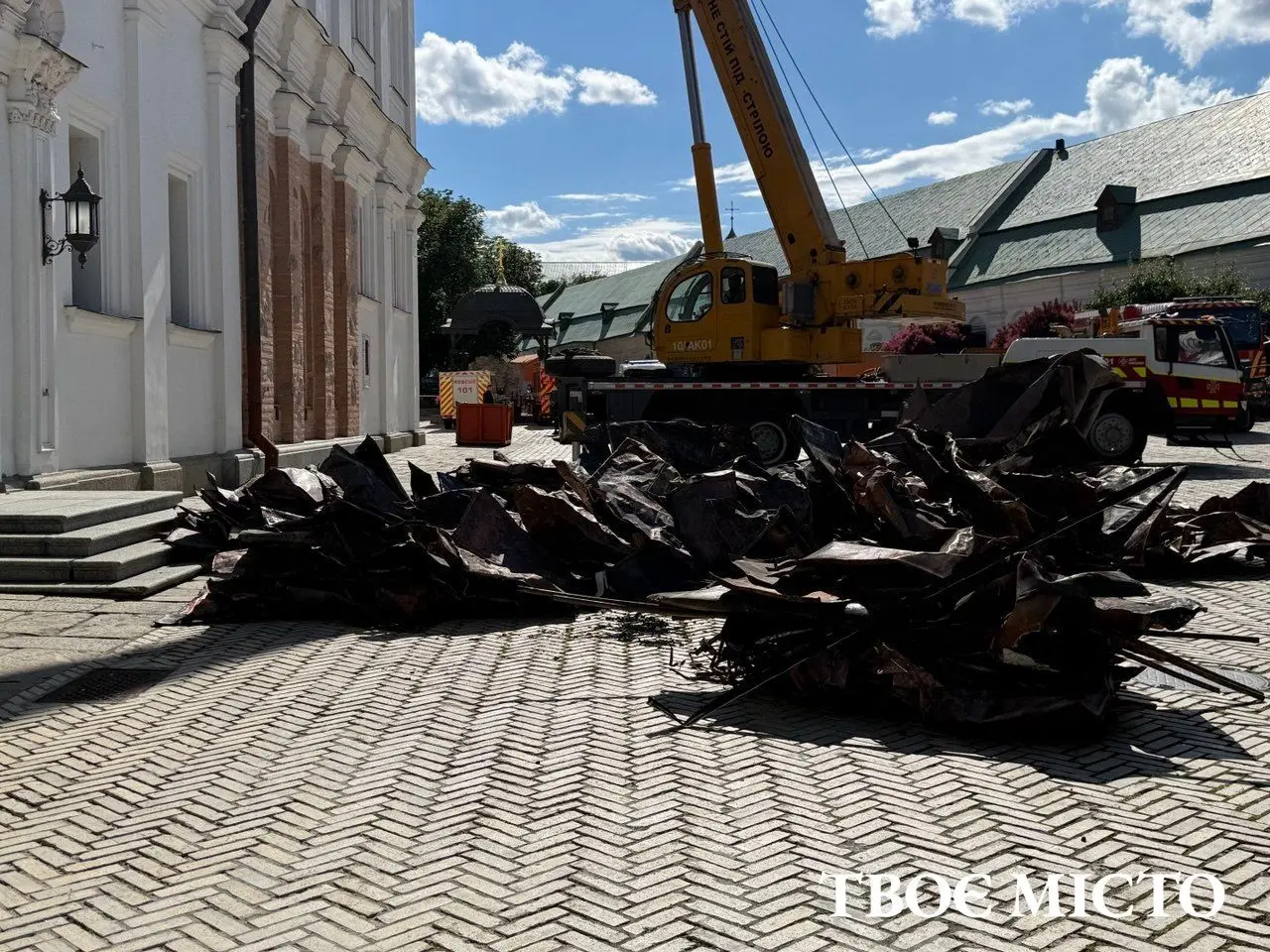
On the other — fire trucks, special equipment, and rescuers in helmets. State Emergency Service workers continue to eliminate the consequences of the attack, and utility workers are clearing debris.
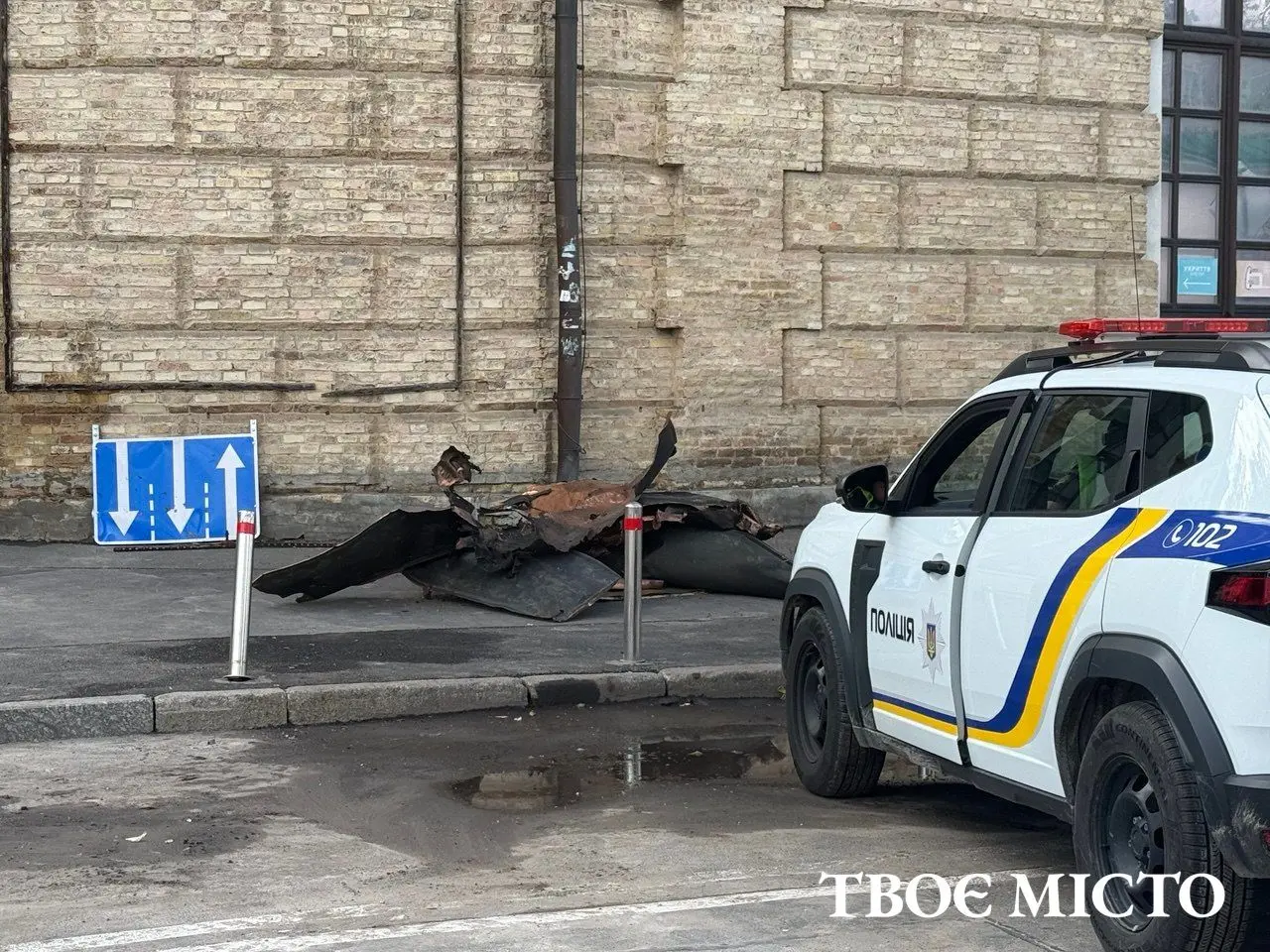
Remains of structures damaged by the blast wave can still be seen on the ground. Fragments of materials that have not yet been removed lie in some places.
Representatives of the reserve administration, law enforcement officers, and experts are working near the damaged areas.
Foreign diplomats are walking nearby.
Several delegations are carefully inspecting the damage, photographing the sites, and communicating with representatives of the Ukrainian authorities.
They came to see the consequences of the strike on a UNESCO World Heritage site with their own eyes.
It was precisely because of its status as a monument that the reactions of international institutions were awaited with particular attention that day. UNESCO condemned the damage to the Kyiv-Pechersk Lavra and announced its readiness to assist in assessing the destruction and determining measures for the preservation of the monument.
However, such a reaction caused outrage in Ukraine. In its statement, the organization did not name the state that struck the shrine. The spokesperson for the Ministry of Foreign Affairs of Ukraine, Georgiy Tikhyy, sharply criticized UNESCO's position.
According to Tikhyy, the international organization once again demonstrates a lack of leadership and an inability to fully fulfill its mandate to protect world cultural heritage.
"We are used to strikes on buildings. But now they are striking at faith"
Communal workers are working near one of the utility buildings. A man in an orange vest puts down his work for a moment to talk. He says he arrived to clear up the aftermath right after lunch.
And although he had seen a lot of destruction over the years of the war, the strike on the Lavra shocked him.
The man admits that he himself experienced a very difficult night.
After these words, he returns to work. Excavators continue to work behind his back.
"Perhaps they want to break our spirit"
We meet Kateryna and Mykola near the gates of the Lavra. The young people came here after a sleepless night. Kateryna says she barely slept.
Mykola says that he perceives the strike on the Lavra not just as an attack on a building.
When I ask what he would say to Russians if he had the opportunity, he answers briefly:
"In Kharkiv, they have already gotten used to this"
Another interlocutor is a native of Kharkiv.
The man speaks calmly and almost without emotion. He says he has experienced similar attacks before.
To the question about the strike on the Lavra, he answers concisely:
And when asked to convey a message to the Russians, he just shrugs:
"It landed here at four in the morning"
Pechersk resident Kostyantyn says he woke up to explosions.
According to him, this attack was one of the hardest in recent months.
When the conversation turns to the strike on the Lavra, the man just waves his hand.
“They say they are hitting military targets. But that's not true."
Margarita and Yaryna came to see the aftermath of the attack together.
The girls live in the Sviatoshynskyi district.
They say they heard explosions all night.
However, the smile quickly disappears.
The silence of the Lavra
Despite significant public outcry, priests and monks of the Kyiv-Pechersk Lavra refused to comment.
Most cited being busy or unwillingness to speak during the cleanup of consequences.
Therefore, the main voices of the day were not representatives of the clergy.
But ordinary people.
Those who came here to pray.
Those who came to look at the destruction.
And those who simply could not stay home after hearing the news of the strike on the Lavra.
A strike on world heritage
The Russian attack caused a reaction not only in Ukraine.
The National Commission of Ukraine for UNESCO condemned the strike on the Kyiv-Pechersk Lavra and called for an immediate visit of international experts to document the destruction.
The Ministry of Foreign Affairs emphasized that the Lavra is a UNESCO World Heritage site and is under enhanced protection in accordance with the Hague Convention for the Protection of Cultural Property in the Event of Armed Conflict.
Meanwhile, the Office of the President called for thorough documentation of all damages for subsequent inclusion in the International Register of Damages for Ukraine.
That same night, other cultural sites of the capital were also affected — the National Cultural-Art and Museum Complex "Art Arsenal" and the Oleksandr Dovzhenko National Film Studio, where a unique costume collection was destroyed.
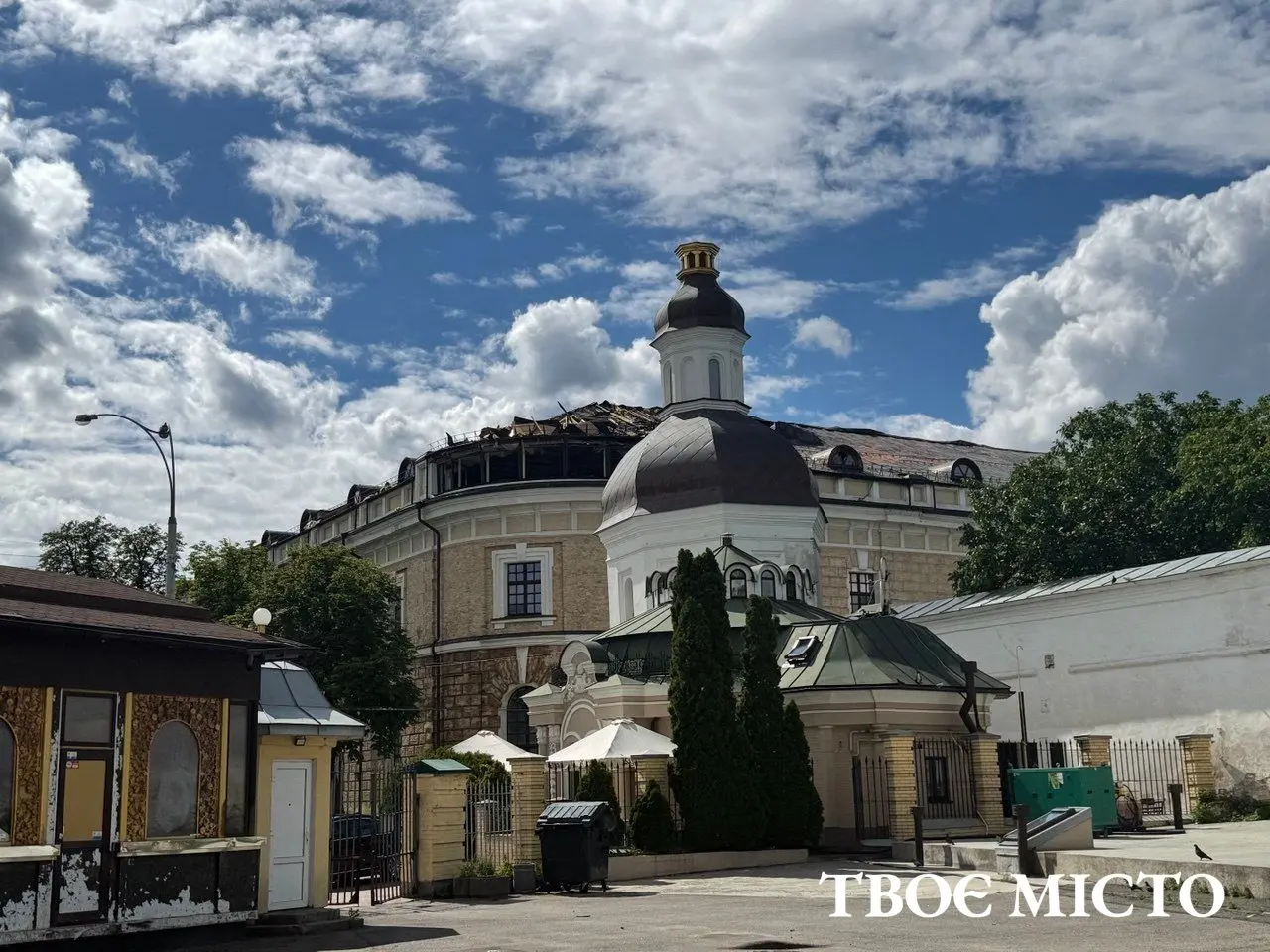
But it was the Lavra that became the symbol of this attack.
Because it is not just about an architectural complex.
And not even just about a world-renowned monument.
It is about a place that for many Ukrainians is a part of personal memory, faith, and history.
As people continue to approach the gates of the Kyiv-Pechersk Lavra towards evening, someone again takes out their phone and photographs the damaged cathedral.
Someone looks silently at the domes.
And someone kneels down and begins to pray.
And this scene, perhaps, most accurately describes the day after the strike.
Rescuers are still clearing the aftermath of the attack.
Municipal workers are clearing debris.
Diplomats document the destruction.
And people are trying to comprehend how, after another sleepless night, Russia struck not only the city but also one of Ukraine's most famous spiritual symbols.

Related News