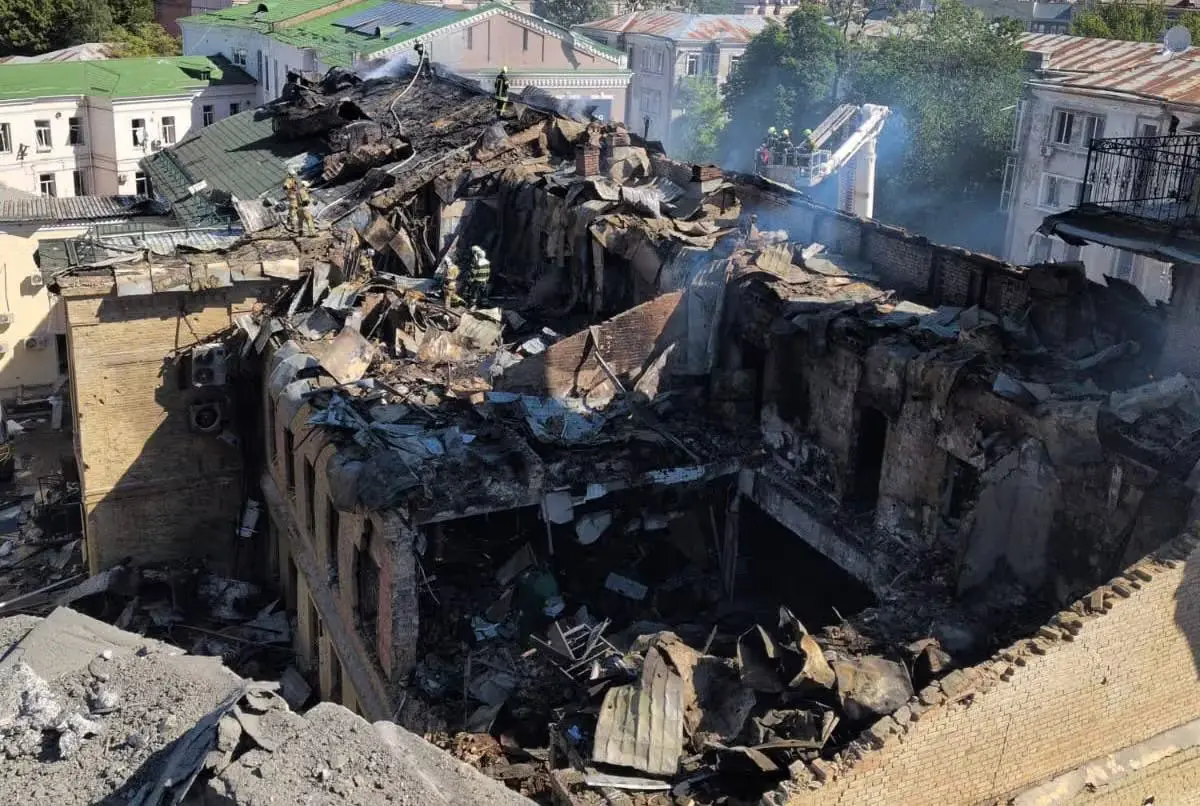
"Lukyanivka smells of burning, but life goes on". A report from the district that survived one of the most terrible attacks on Kyiv
25 May 2026, 21:00
25 May 2026, 21:00
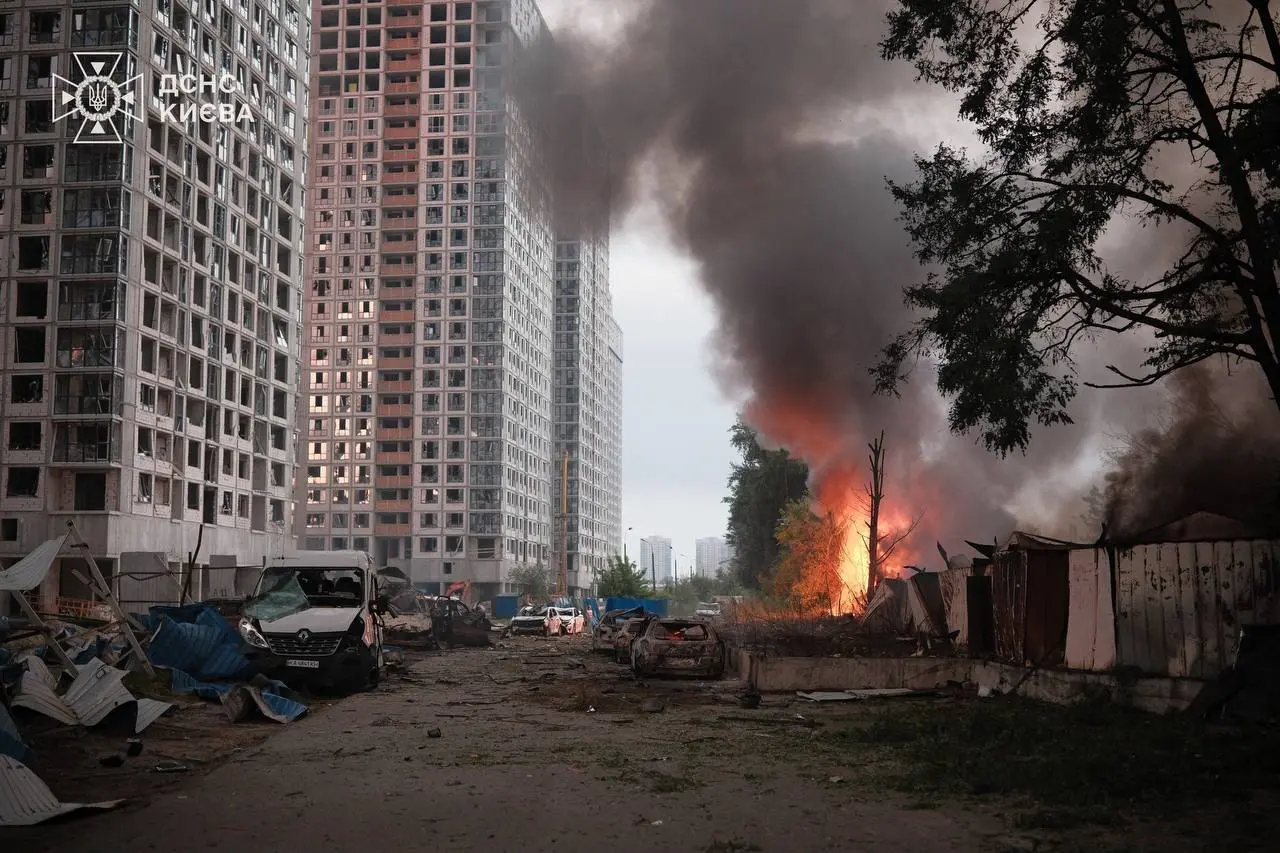
On the night of May 24, Russia launched one of the largest combined attacks on the capital since the beginning of the full-scale invasion. According to the Air Force and Ukrainian authorities, about 90 missiles of various types were fired at Ukraine, including 36 ballistic missiles, as well as almost 600 drones. In Kyiv, 86 people were injured, and two died. Damage was recorded at about fifty locations – from residential buildings to schools, shopping centers, and administrative buildings.
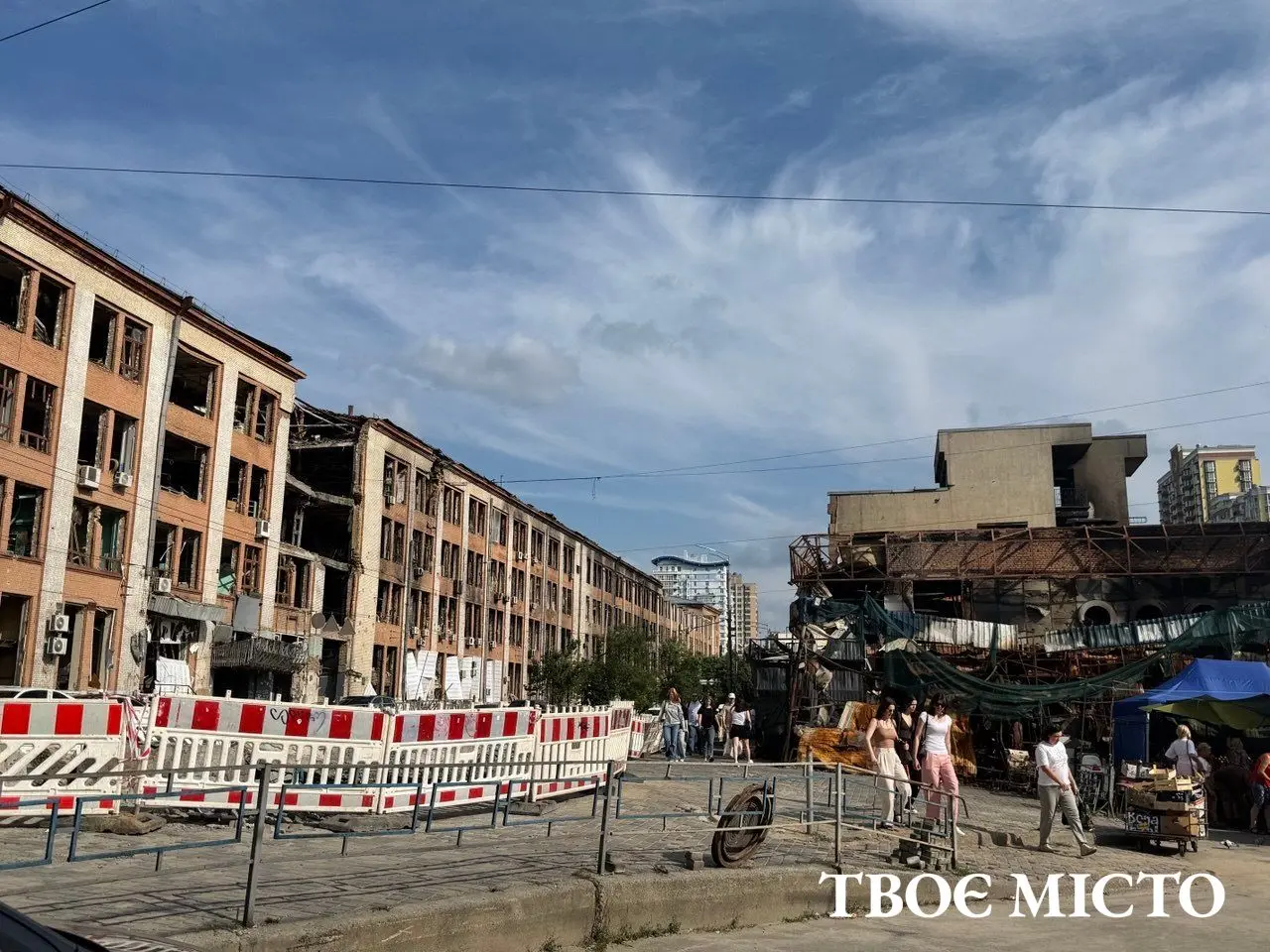
Grandmothers stand with flowers next to the shattered facades.
They sell bouquets right near the impact site.
As if reminding: life has not ended here.
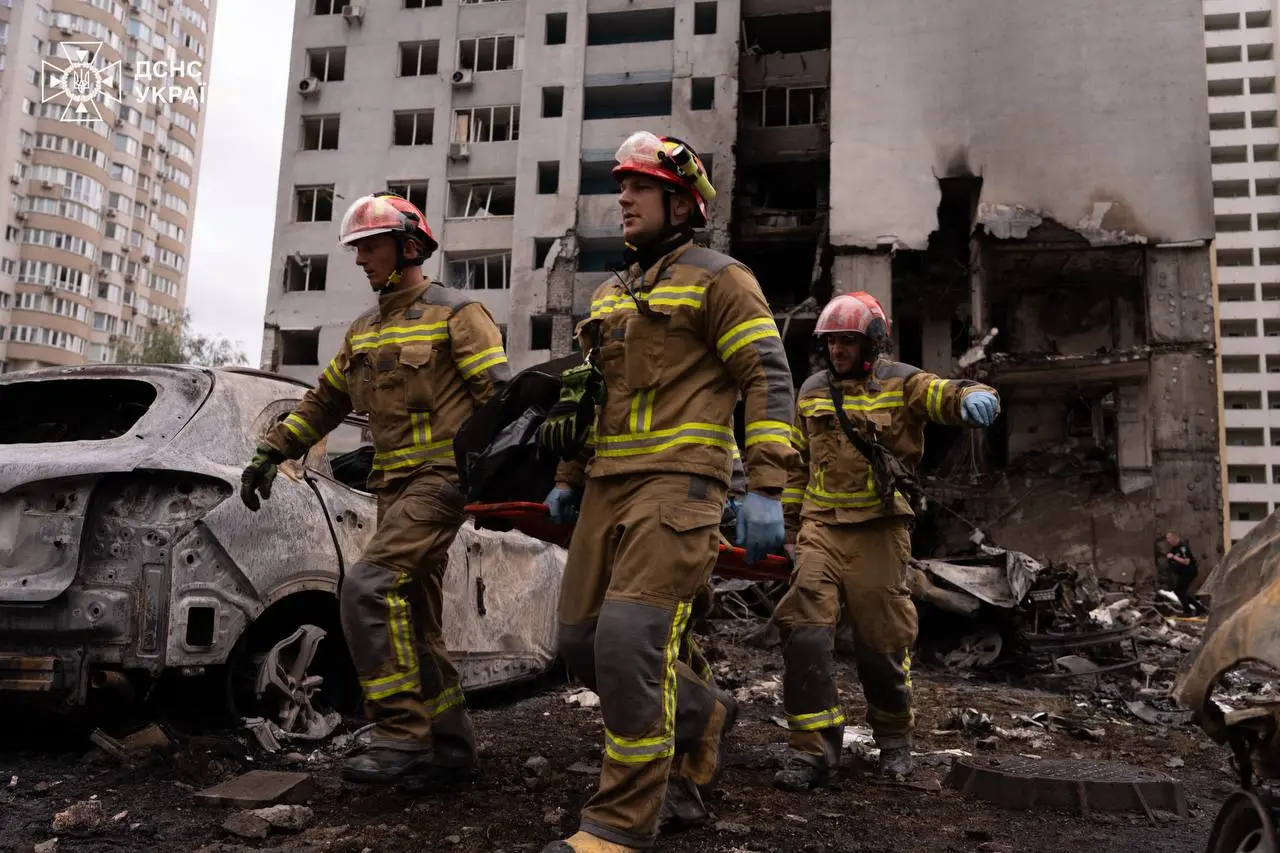
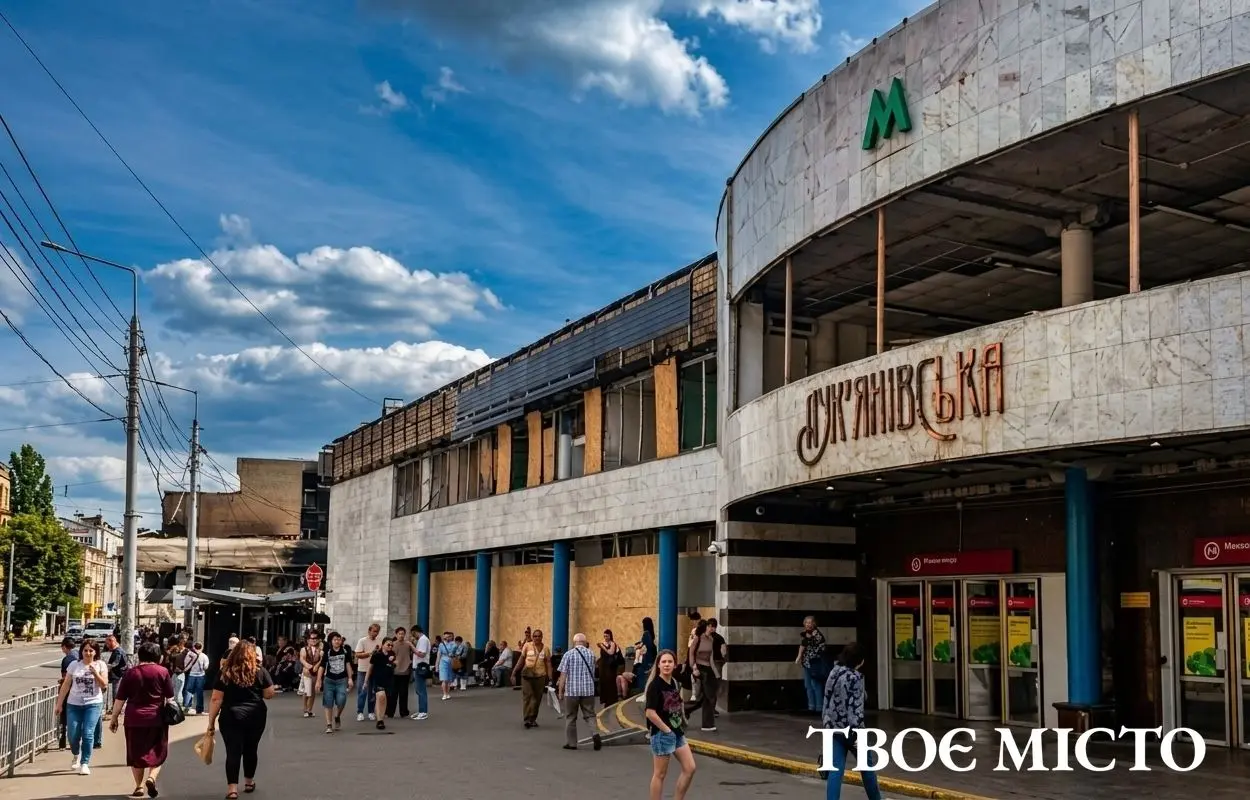
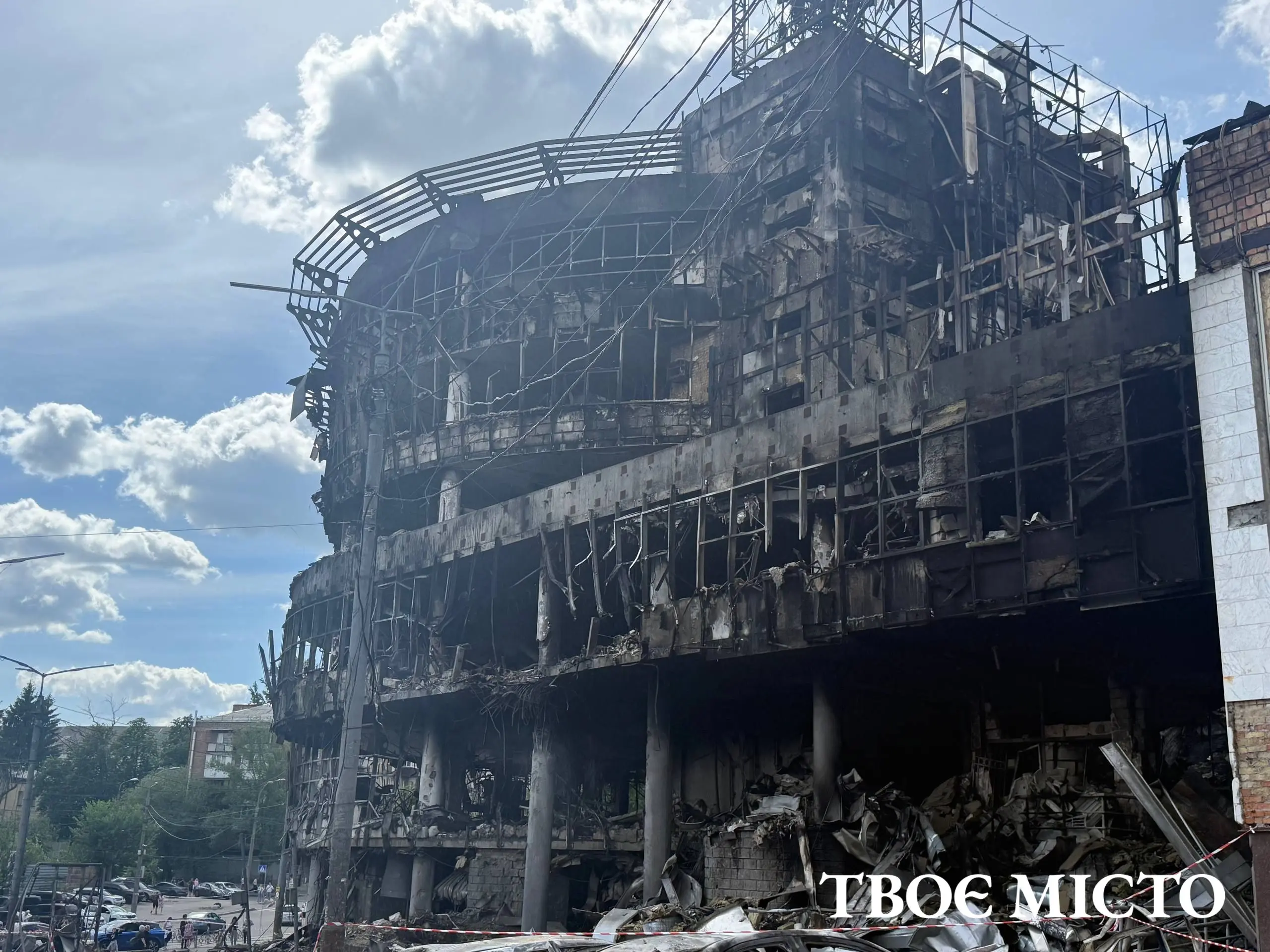
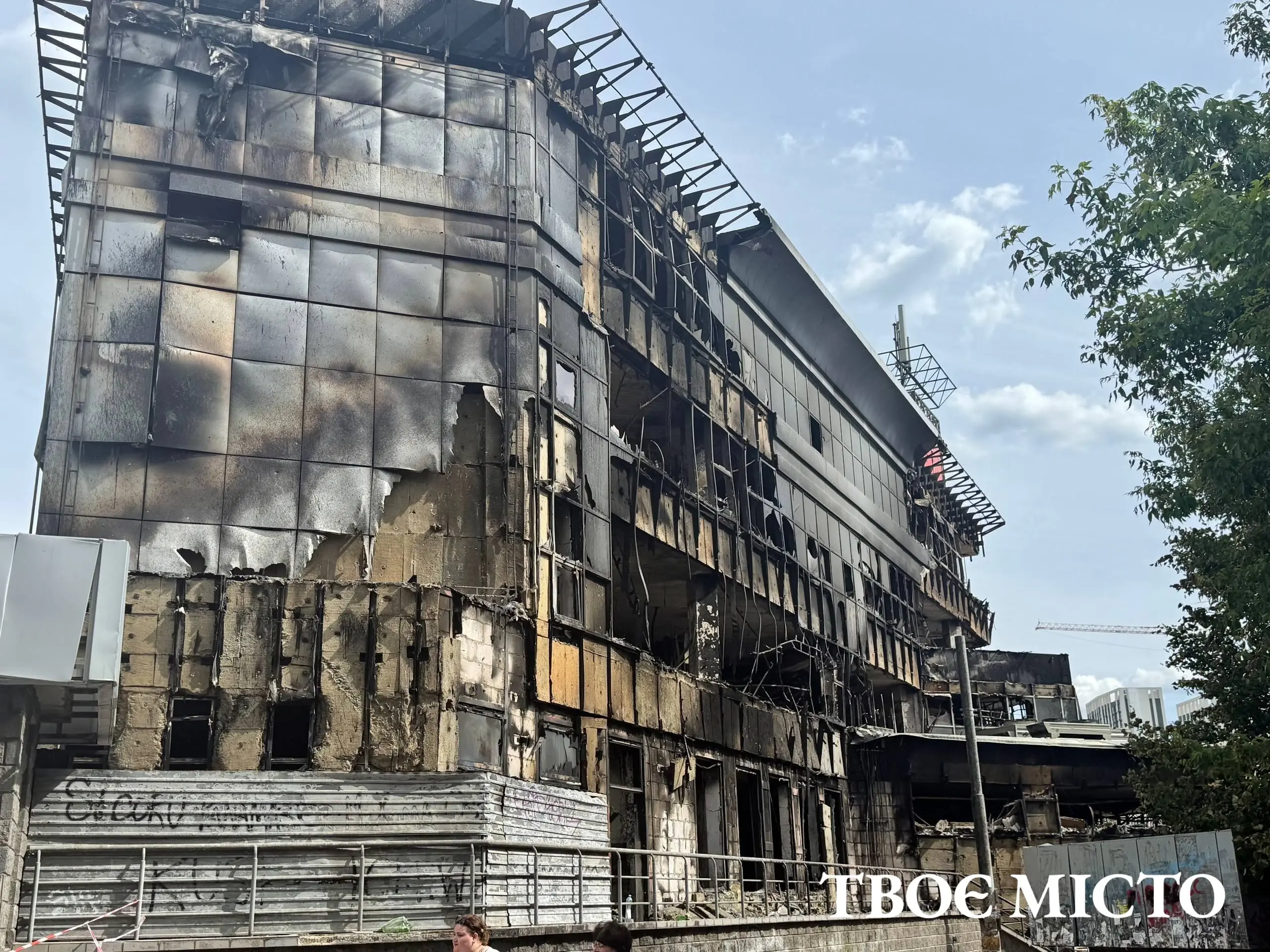
After one of the largest combined attacks on Kyiv, Lukyanivka became one of the main symbols of that night. The Russian strike damaged residential buildings, a market, a metro station, and the "Kvadrat" shopping center. Part of the district is stillSodden with debris, and rescuers continue to clear the rubble.
On the same night, Russia also struck the Kyiv region. According to Yurii Ihnat, head of the communications department of the Air Force of the Armed Forces of Ukraine, the occupiers used the RS-26 "Rubezh" medium-range ballistic missile, known as "Oreshnik." The strike was recorded in Bila Tserkva. According to the Air Force, the missile was launched from the Kapustin Yar training ground in the Astrakhan region of the Russian Federation.
Read also: Ukraine was attacked today with the ballistic missile "Oreshnik": what is known
Sirens of special equipment and the roar of metal can be heard over the strike site in Lukyanivka. State Emergency Service workers silently carry away debris. People around are also mostly silent. Only occasionally someone wipes away tears or calls someone on the phone saying: "It's just a nightmare…"
Despite this, the metro is already operating. Minibuses are running. Cafes and flower shops are open nearby. Kyiv, even after a night with ballistic missiles and hundreds of drones, is trying to live on.
Near the damaged area, we meet Tetiana, a cook at one of the nearby establishments. She finds it difficult to talk about what she experienced.
Tetiana says that she was in a restaurant nearby during the attack. She says that after this night, what hurts the most is not even the blast wave, but the fact that the district, which was familiar and alive, now resembles ruins.
As we speak, people with phones walk by. Almost everyone is photographing the consequences of the strike. Some are filming silently. Some are crying right in the middle of the street.
An elderly Kyiv resident, Olena, stands not far from the destroyed Lukyanivka and looks at the district as if she doesn't recognize it.
She recalls the night of explosions in detail: how her apartment doors rattled, how people sat in the corridors and couldn't sleep almost until morning.
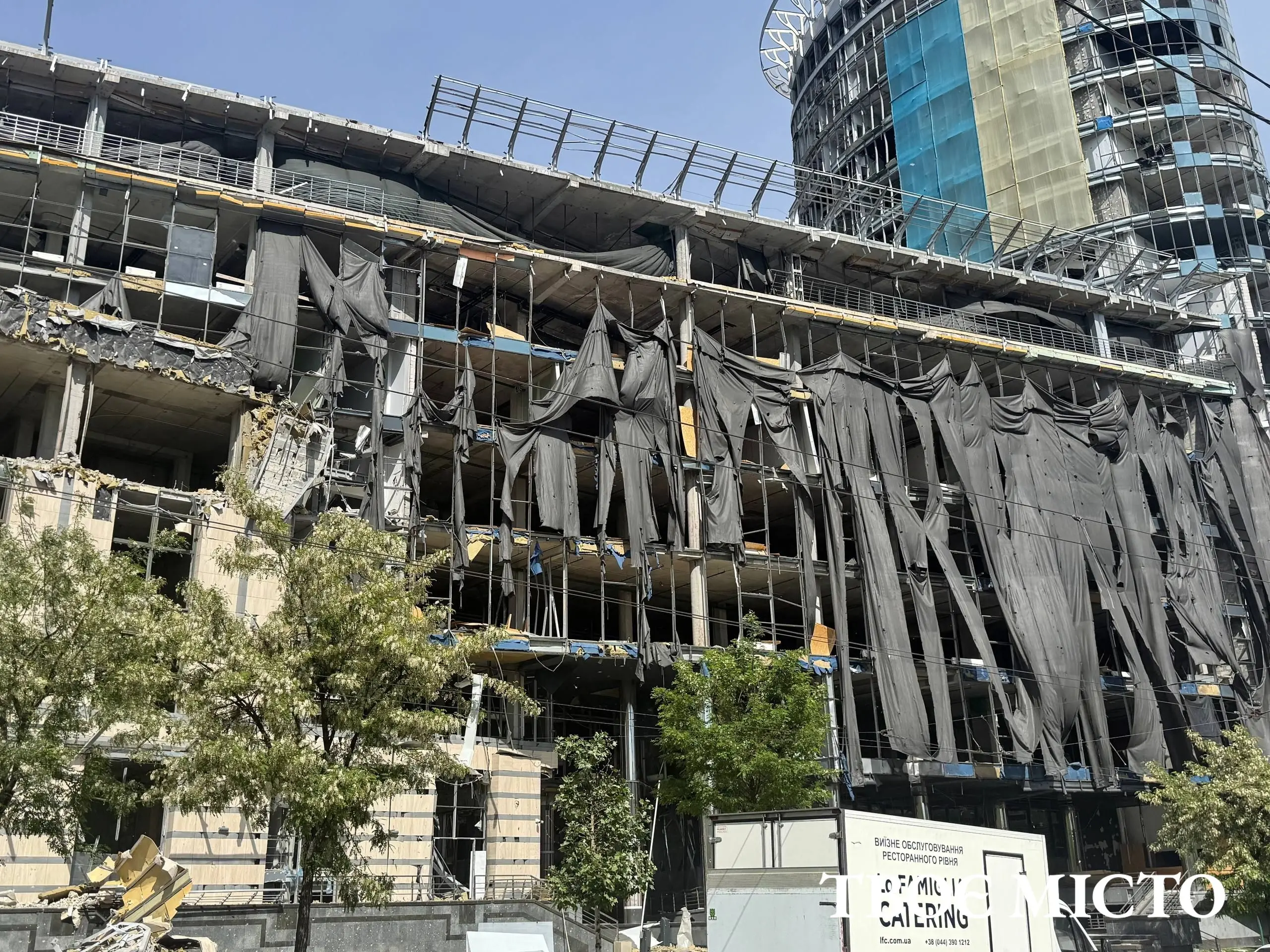
Olena talks a lot about the destroyed Lukyanivka market. For some, it's just market stalls, but for the residents of the district, it's part of their daily life and Kyiv's history.
The man says that Ukrainians have already partially gotten used to air raid sirens, but not to this scale of destruction.
Read also: Attack on Kyiv: Klitschko spoke about the number of victims in the city's hospitals
It is these grandmothers with flowers who, perhaps, best describe Lukyanivka after the strike.
Around, there are broken windows, blackened facades, and glass underfoot. But amidst it all, there are buckets of peonies, roses, and daisies.
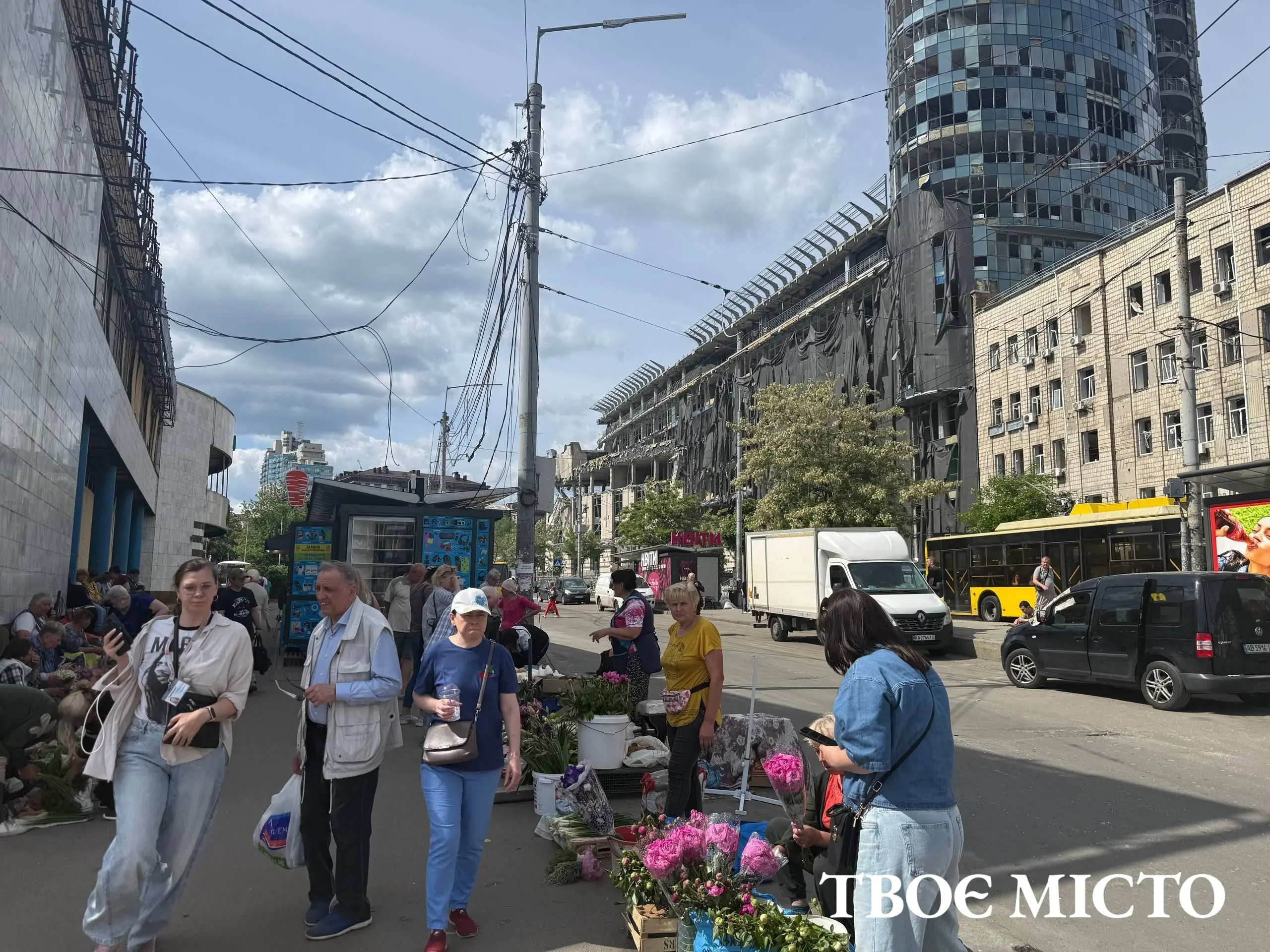
A few meters away is the destroyed shopping center "Kvadrat." Near it, employees who just yesterday came out for a shift today look with tears at the devastated building.
One of the mall employees says that the greatest happiness is that everyone remained alive.
But after a pause, she quietly adds:
Near the metro station, the rumble of trains can be heard. "Lukianivska" has already resumed operation, although one of the exits is still closed. People enter the metro almost as usual, as if trying to return the city to its familiar rhythm.
Read also: Damaged lobby areas of the "Lukianivska" and "Khreshchatyk" metro stations have resumed operation
Student Yelyzaveta says that this area is part of her daily life.
She recalls people who hid in the metro during the attack.
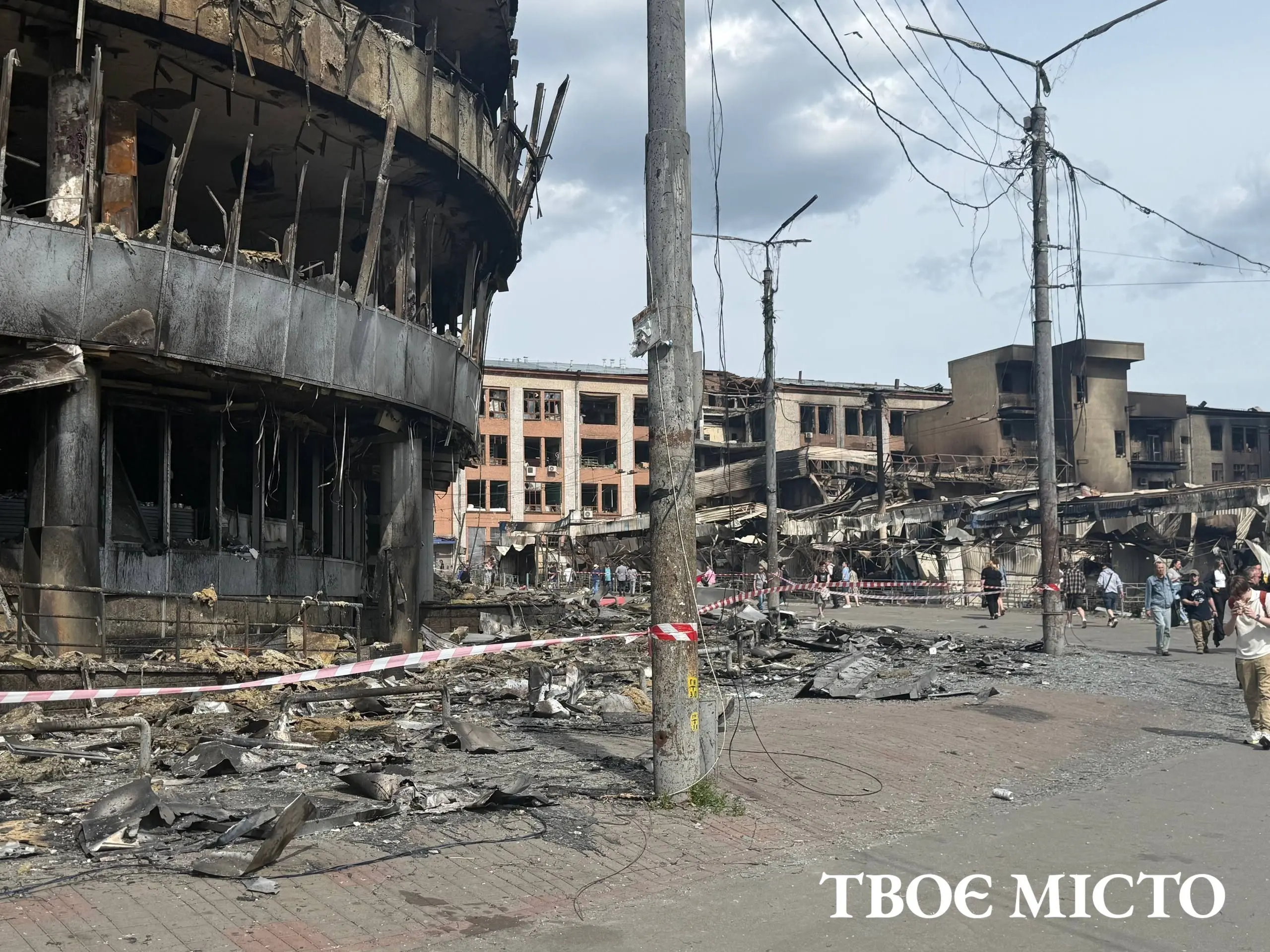
According to eyewitnesses, the station was overcrowded at night. People sat on the floor, hugged their children, read the news, and flinched at every new explosion above. After one of the impacts, plaster fell from the ceiling, and panic broke out in the crowd. Some cried. Some just stared blankly into space.
And even after that, Kyiv was back to work again in the morning.
Cafes are operating near the impact site. Baristas are making coffee for people who come to look at the destruction. Minibuses are running. Some are rushing about their business. Some are carefully navigating around shards of glass.
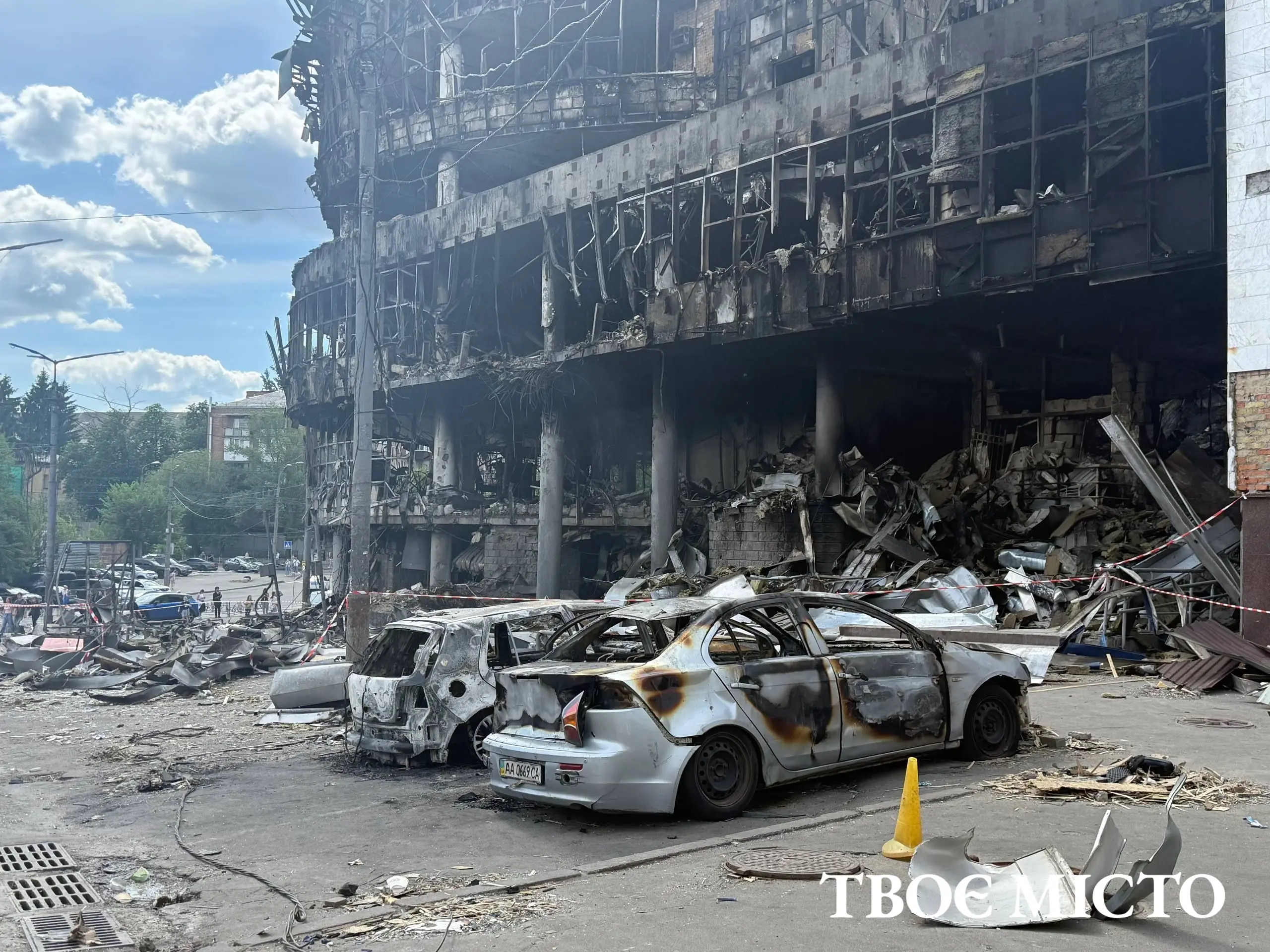
Lukianivka today is both pain and the stubbornness of a large city. A district that smells of smoke. A district where people cry. A district where flowers are sold amidst the ruins.
A district that, after one of the scariest nights for the capital, woke up anyway and continued to live.

Related News