Is Podil no longer the same? How is Kyiv's oldest district changing and can it be preserved?
09 July 2026, 20:00
09 July 2026, 20:00
Podil wakes up differently than the rest of Kyiv.
Here, the morning doesn't start with endless traffic jams or the rush of the business center. It's born slowly – with the first cups of coffee on summer terraces, conversations at neighboring tables, and unhurried walks along the embankment.
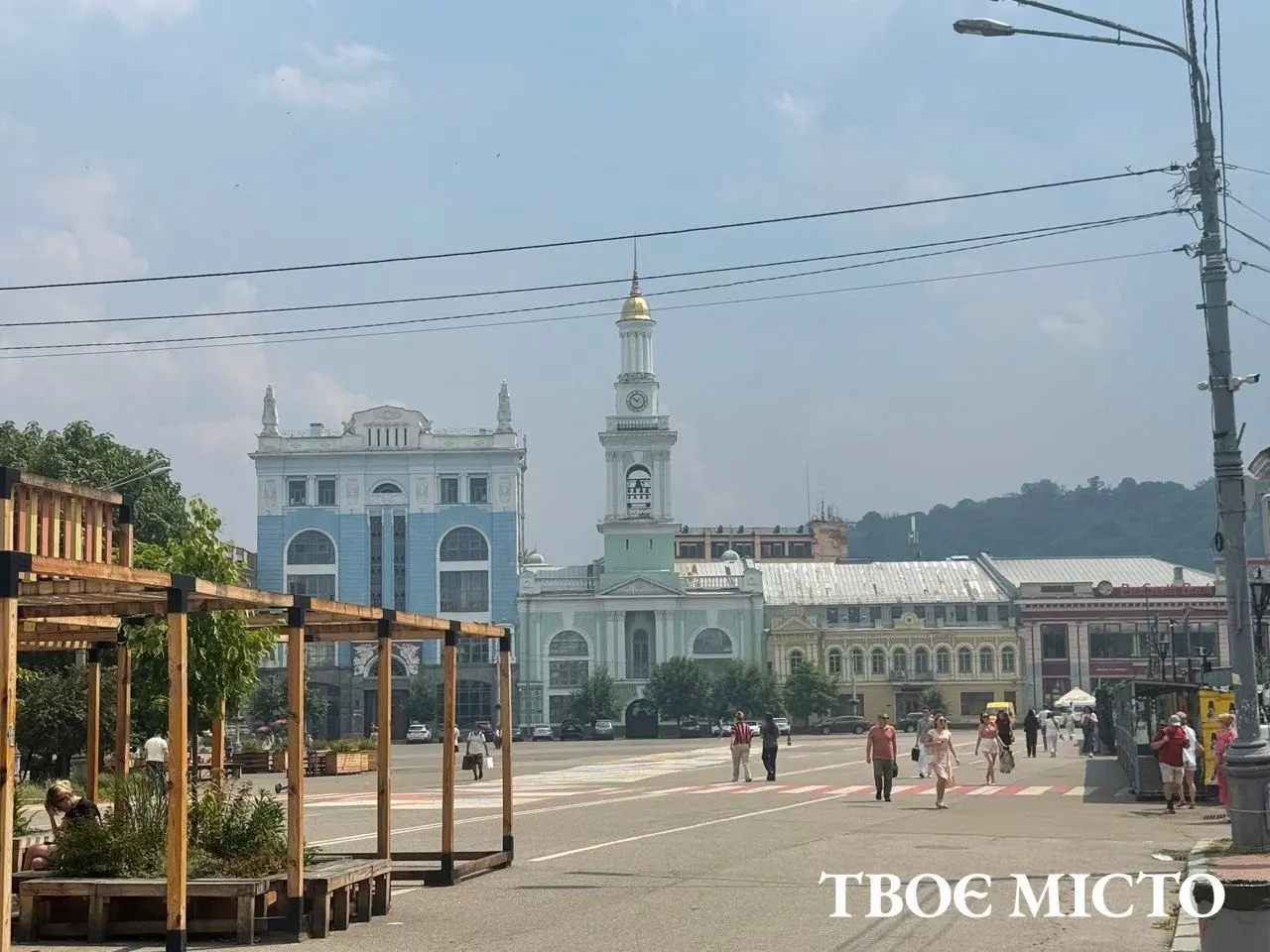
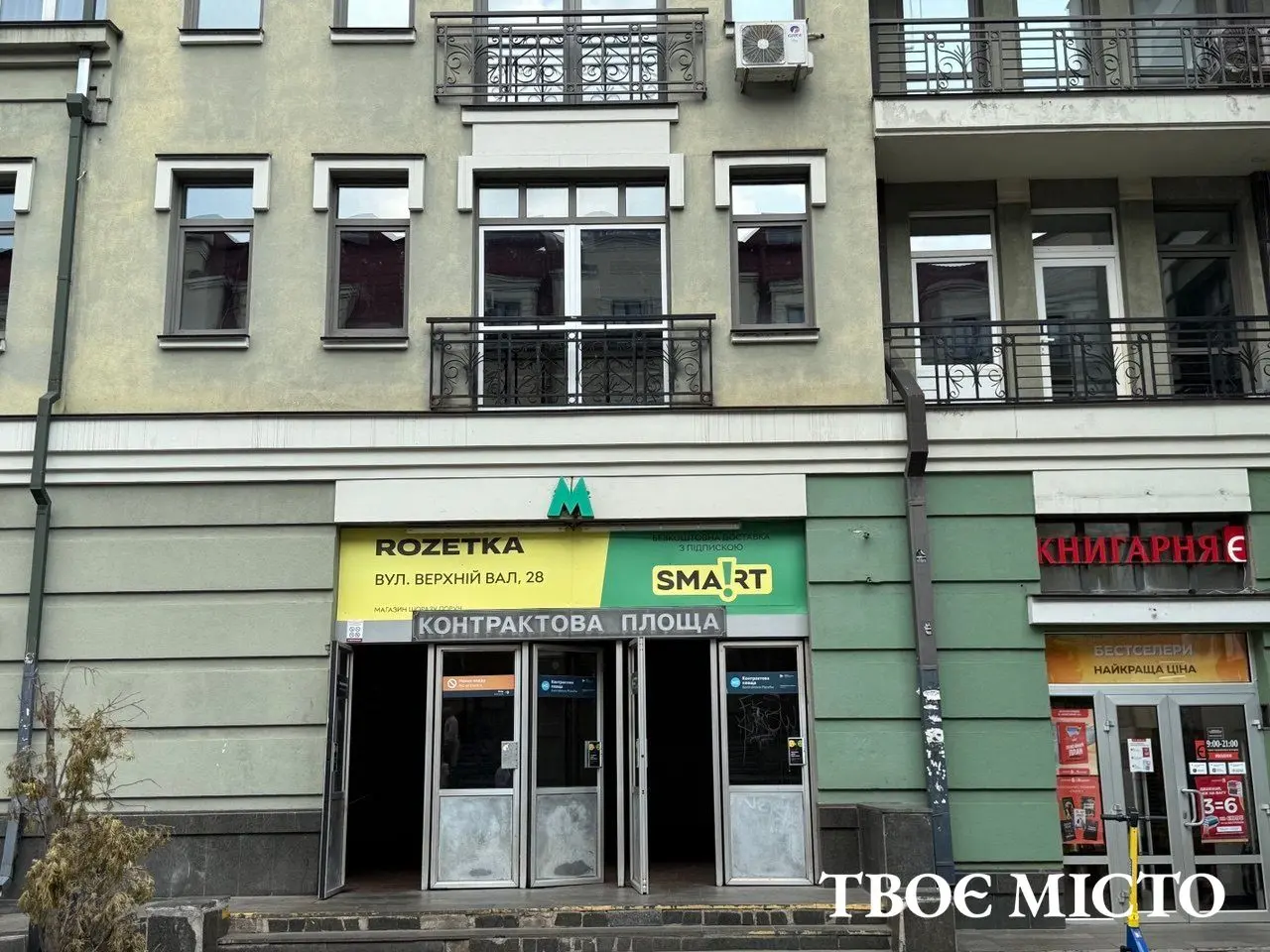
Our walk begins at Kontraktova Square. The first thing that catches the eye is the absence of a Ferris wheelwhich for many years remained one of the most prominent symbols of the square. The space seems to have become more open. Kontraktova once again looks as if the square itself should be the main focus, not an attraction.
Even after another devastating Russian attack on Kyiv, Podil immediately returned to its usual rhythm. Young people start their workday every morning at small coffee shops, and elderly people stroll leisurely along the Dnipro on Poshtova Square.
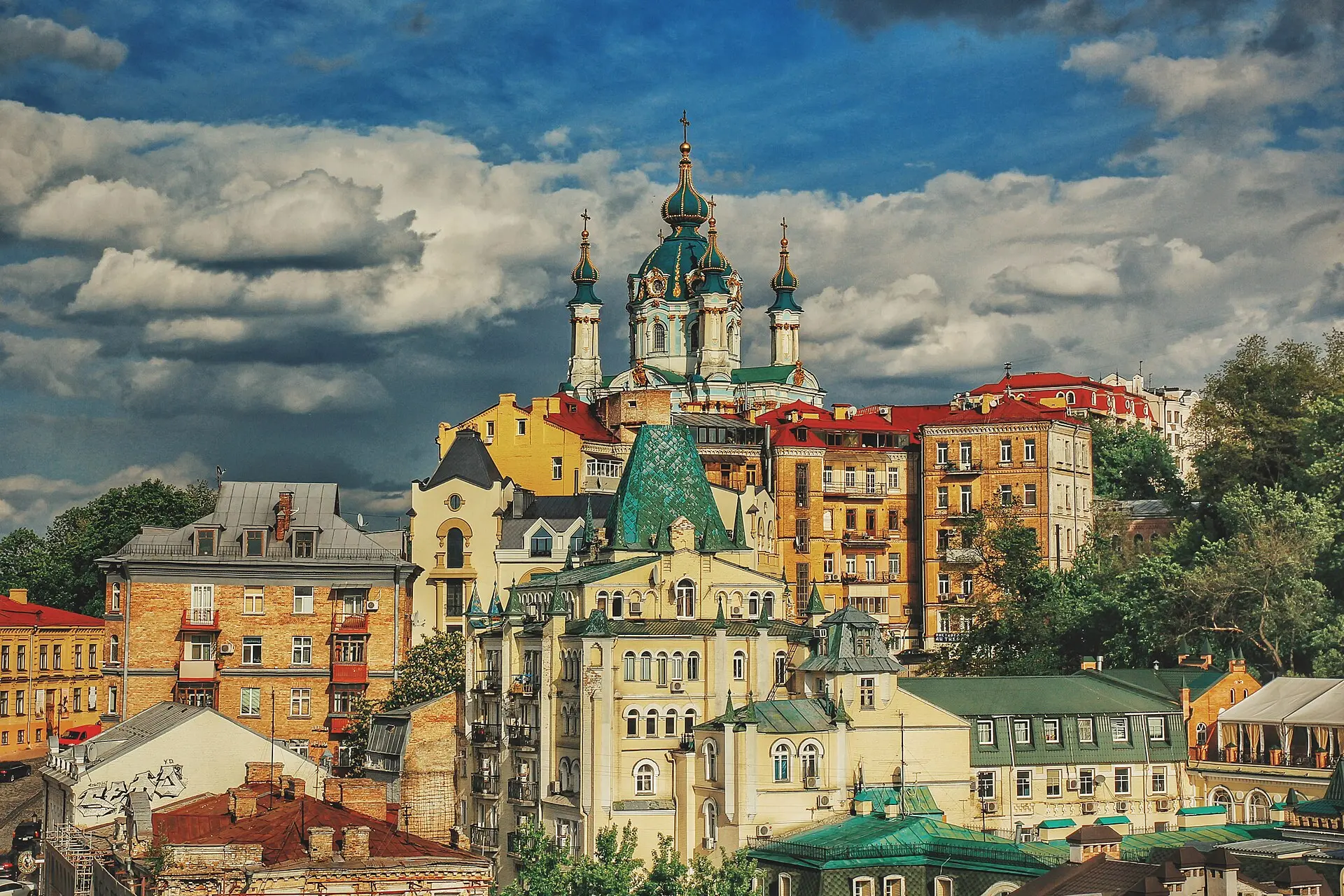
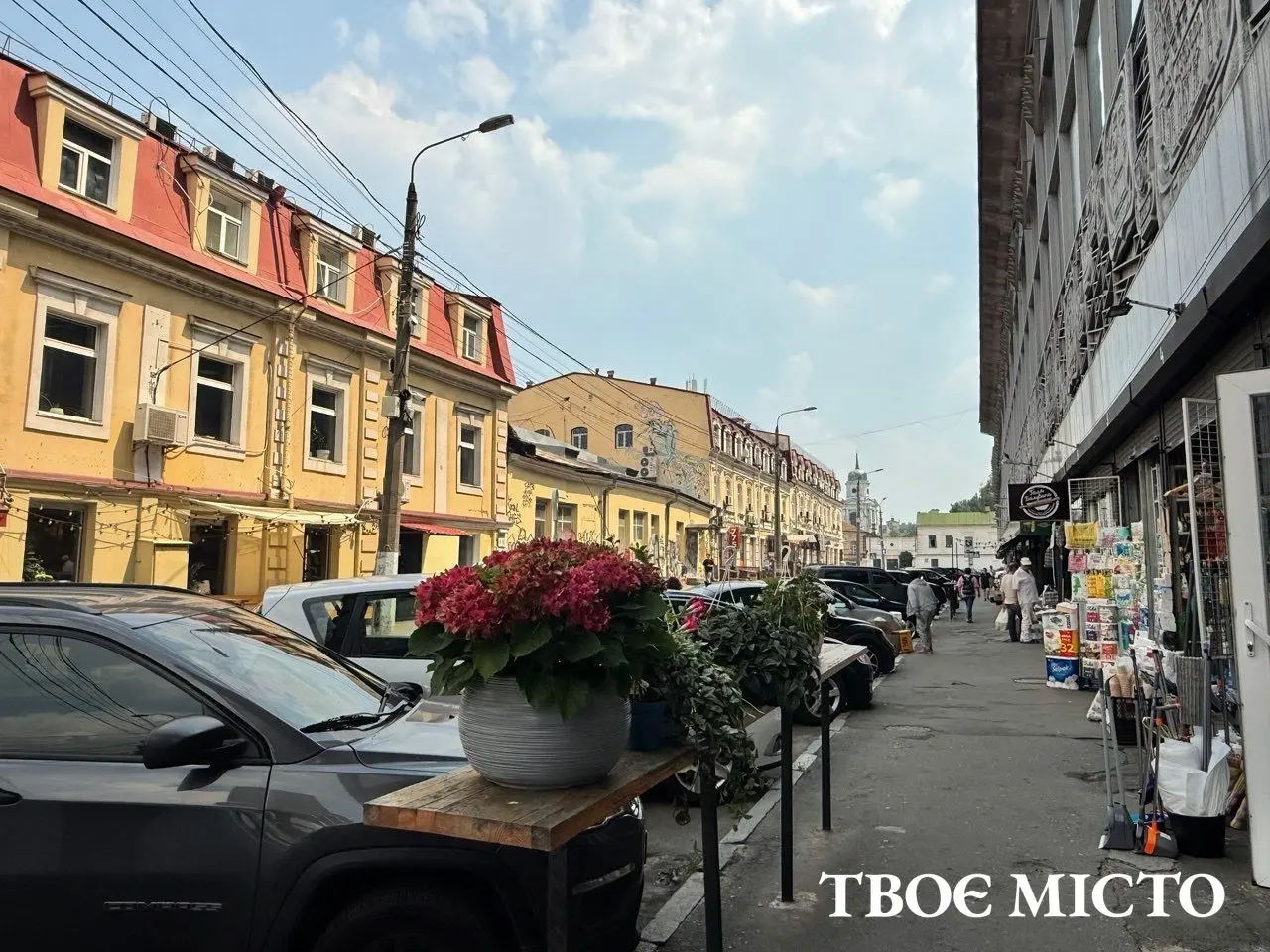
It is here that the strange contrast of modern Kyiv is particularly felt. Behind historical facades, trendy restaurants, designer coffee shops, creative spaces, and bookstores are opening. A few steps away, you can encounter a dilapidated house with broken windows or a facade that has been waiting for restoration for years. The district is not stagnant – it is constantly changing.
It is these changes that give rise to the main question: where is the line between the natural development of the city and the loss of its historical face?
Podil, which was once Kyiv itself
It's hard to believe, but a few centuries ago, Podil was effectively Kyiv.
This is precisely what historian and heritage expert Anton Korobemphasizes. According to him, Podil was not just one of the city's districts, but a place where Kyiv's daily life was concentrated for centuries – trade, crafts, connection with the Dnipro and the outside world. That is why understanding modern Podil is impossible without its history.
While the Upper Town remained the center of princely power, it was here that everyday life bustled. In Podil, people traded, artisans worked, big deals were made, and the city's character was formed. Even after the Mongol invasion of 1240, when the Upper Town was almost deserted, Podil remained its true center for a long time.
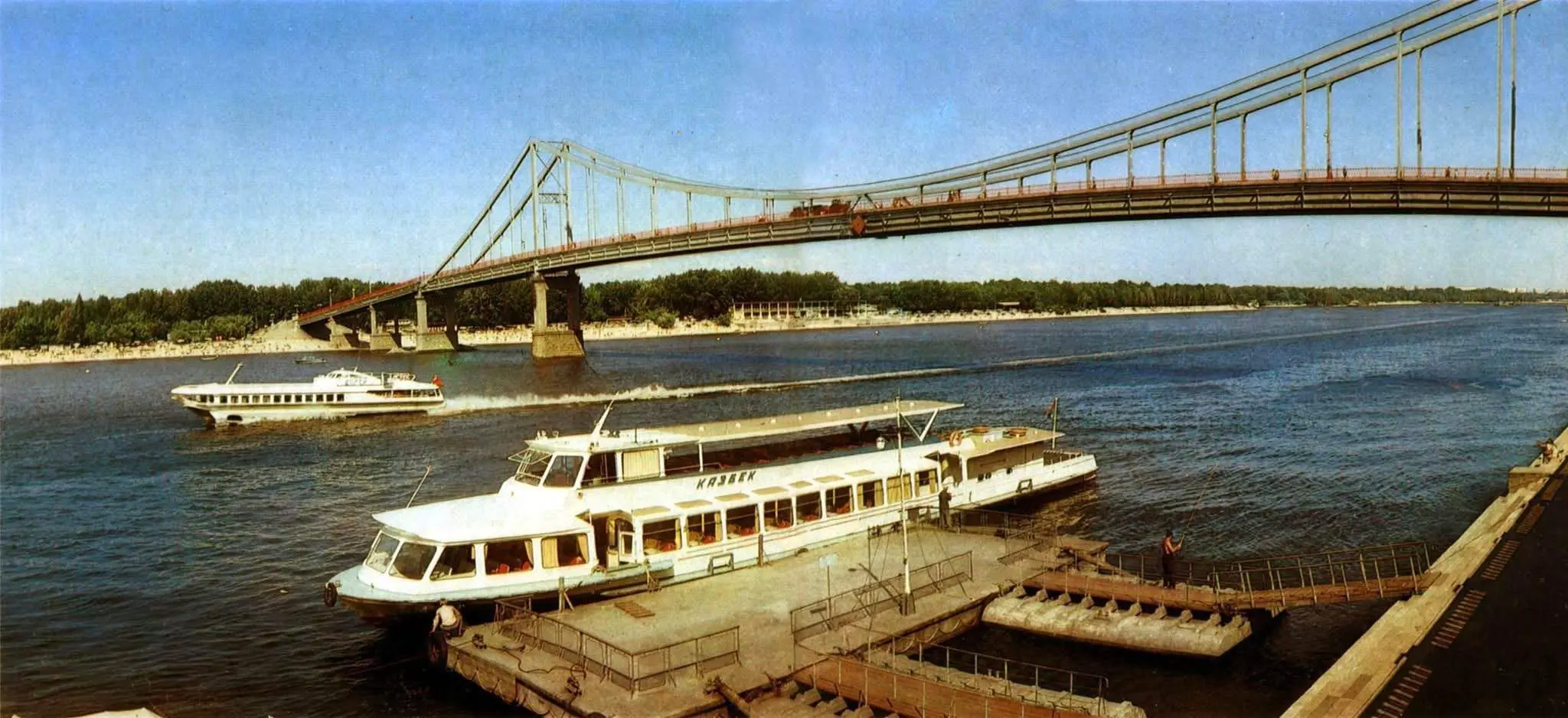
The district's name comes from its location – the lowlands at the foot of Kyiv's hills. At that time, the Dnipro's coastline was much closer to modern development, and Pochayna and Hlybochytsia were a full-fledged part of the urban landscape.
It was here that one of the largest trading centers of Rus' emerged. Merchants from Byzantium, Central Europe, and Scandinavia came to Podil, and later the Contract Fairs turned the district into the economic center not only of Kyiv but of all of Eastern Europe.
The biggest trial was the fire of 1811, which almost completely destroyed the district's wooden structures. It was after this that architects Andriy Melensky and William Geste created the rectangular block system familiar today. It shaped the Podil we know now – with its intimate streets, low-rise buildings, and clear urban structure.
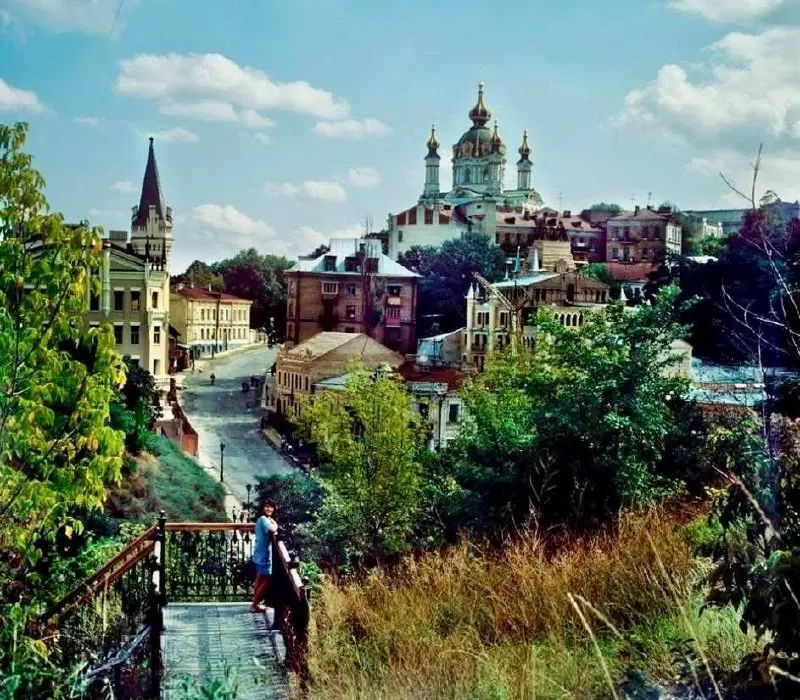
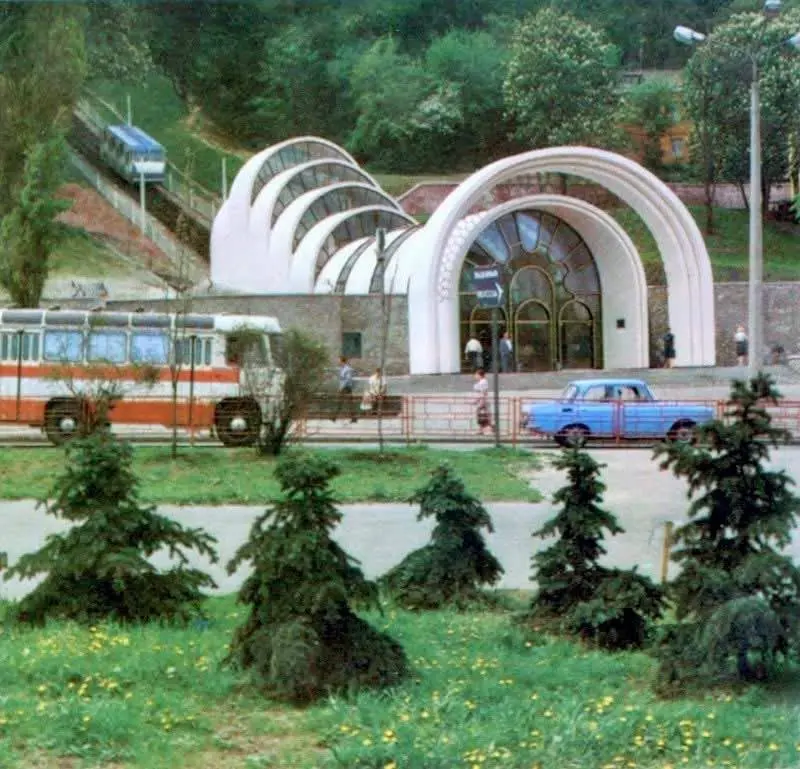
Over the next two centuries, the district changed many times. The Soviet authorities destroyed churches, rebuilt historical quarters, and turned Podil into an industrial district. In independent Ukraine, commercialization, chaotic development, and the struggle between business interests and the need to preserve cultural heritage were added to these challenges.
However, most experts interviewed by "Tvoe Misto"agree on one thing: Podil has never been a museum. It has always been changing. The only question is whether these changes are destroying what makes it recognizable.
Not buildings, but environment
Historian and heritage expert Anton Korob is convinced: we need to talk about Podil's authenticity much more broadly than just assessing the condition of individual landmarks.
According to him, the district's uniqueness begins with its geography. For centuries, Podil was the gateway to Kyiv – a place where the city met the Dnipro, trade, and the outside world. While the Upper Town personified power and sacred space, Podil always remained the territory of artisans, merchants, and ordinary Kyiv residents.
The district's development, the historian says, is a result of layers from different eras. Which period should be taken as the ideal of "authenticity"? The initial one? And why do we need it in a modern city, and how can it be recreated? Therefore, he says, it is worth preserving the spirit of antiquity through the preservation of monuments, careful attention to architectural details, and the creation of a human-centered environment around it.
According to Anton Korob, the biggest threat today is not the appearance of new coffee shops or restaurants. It is much more dangerous the gradual disappearance of the urban environment itself, which has been forming for centuries.
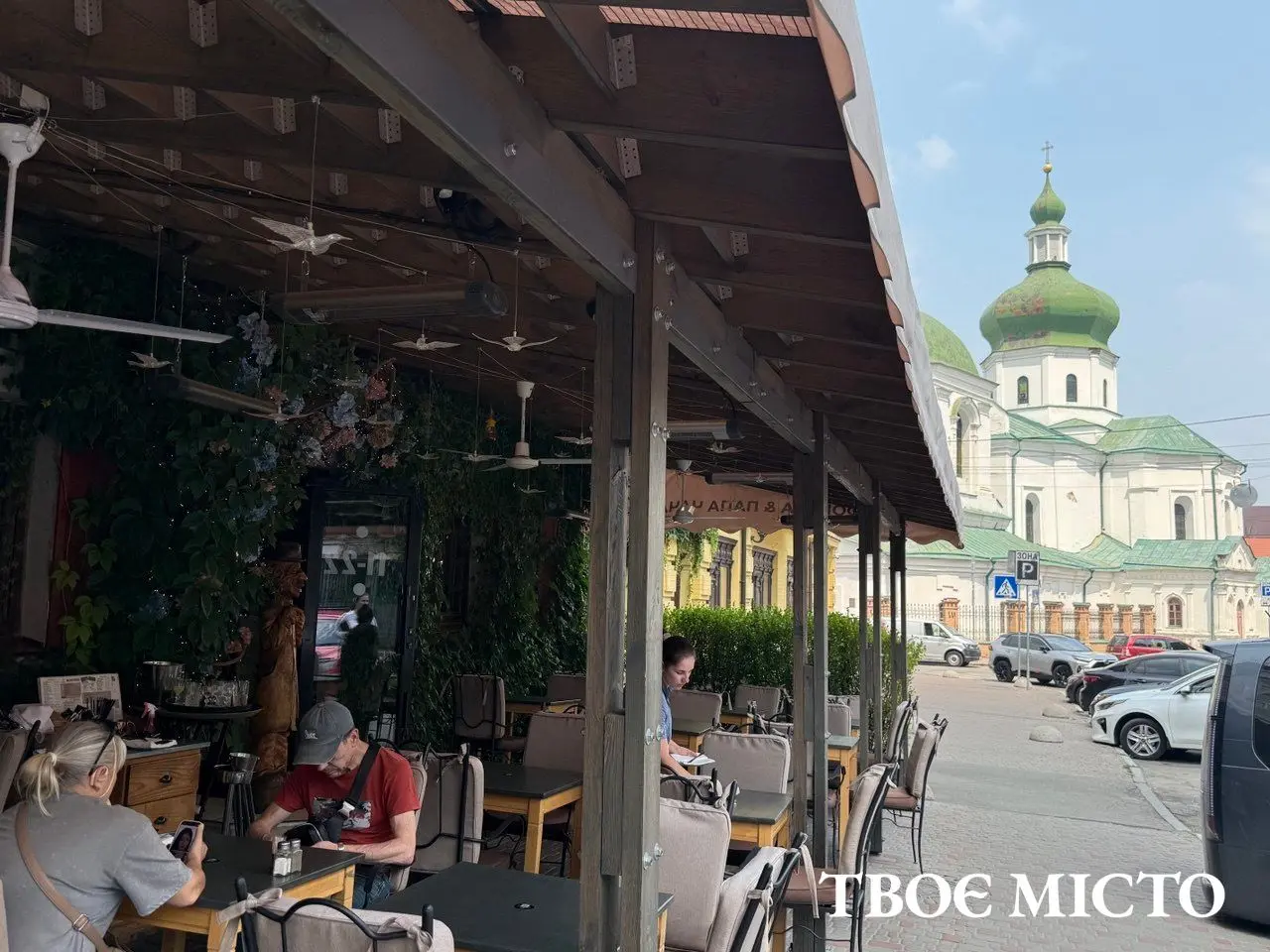
Podil is increasingly becoming a space for business and entertainment.
This is most noticeable on Sahaidachny, Nyzhnii Val, and around Kontraktova Square. Over recent years, historic buildings have increasingly been converted into restaurants, bars, offices, or commercial spaces. Such changes are not a problem in themselves, however, experts point out: when the commercial function begins to completely displace the residential one, the area gradually loses its natural urban fabric and turns into a space for short visits, rather than everyday life.
According to the historian, the danger arises when Podil begins to be perceived exclusively as a commercial platform. Not only the function of buildings changes — the environment itself changes. People who have lived here for decades are gradually moving out, and the neighborhoods are increasingly turning into a place for short visits, rather than everyday life.
At the same time, the historian emphasizes: the real Podil can still be found. Not on the main tourist routes, but in old courtyards with open galleries, wooden staircases, grapevines on the facades, and houses that miraculously survived the fire of 1811.
It is these inconspicuous corners, not the popular tourist locations, that best preserve the memory of old Podil today.
Podil is changing. But is it really losing itself?
If Anton Korob speaks of Podil as a living organism, then Kyiv scholar Kyrylo Stepanets suggests looking at it through the eyes of a person who has observed its daily changes for decades.
In his opinion, the district has indeed changed — and not only architecturally.
Once, Podil was a working-class and even somewhat criminalized district. In the 1990s, it had a reputation as a place where not everyone dared to go in the evening. Today, it is one of the most expensive and attractive parts of the capital. Old industrial buildings are being converted into offices, restaurants, and creative spaces, and life is increasingly adapting to tourists and business.
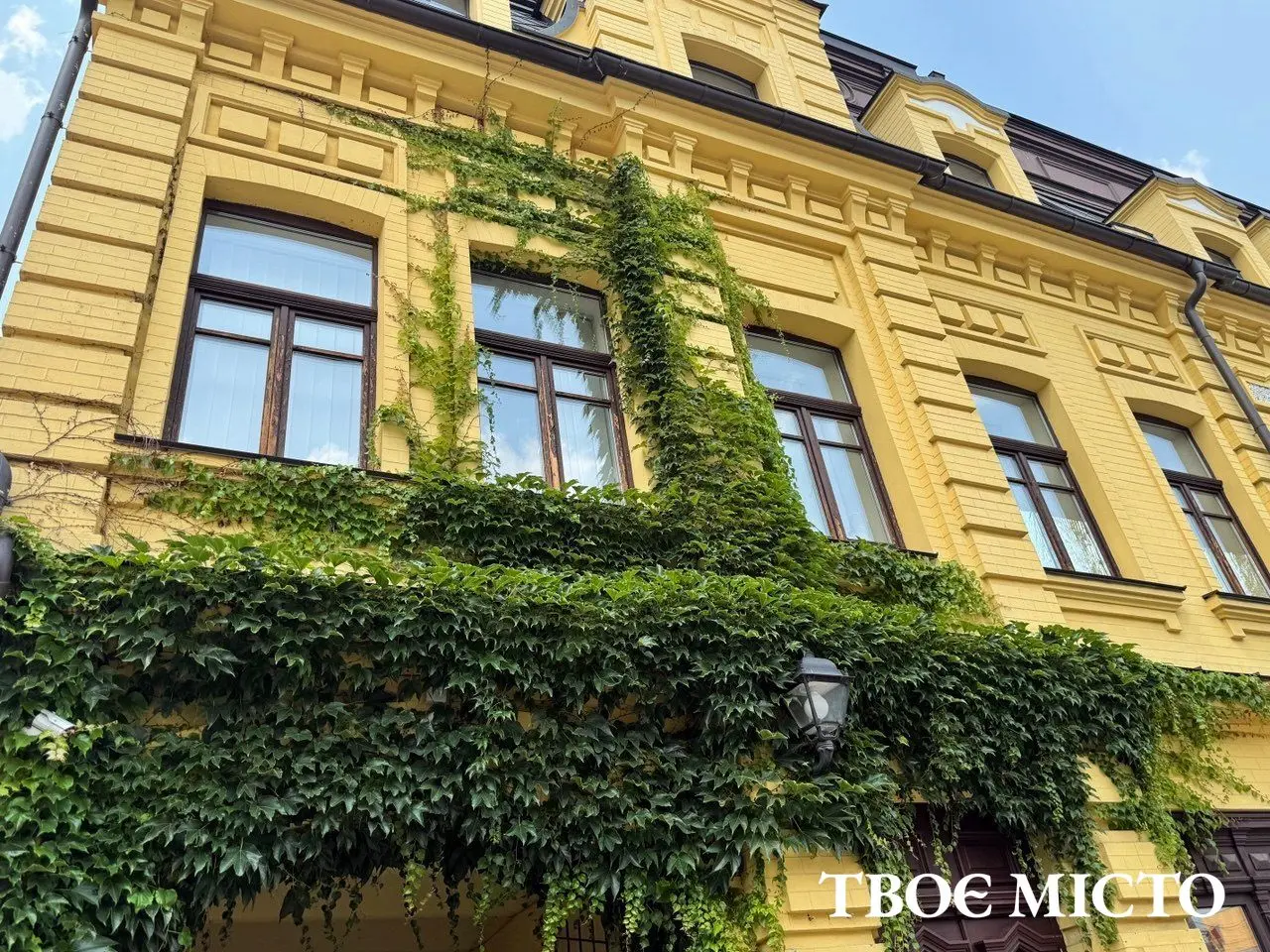
However, according to the researcher, despite all the transformations, Podil still retains what makes it recognizable.
It was precisely because of this atmosphere that Podil was once called "Little Odesa". According to the local historian, the comparison with Odesa was not accidental. Both cities were port cities, multinational, and open to different cultures. Ukrainians, Jews, Greeks, Poles, and Armenians lived in Podil. It was this diversity that formed the special character of the district - open, noisy, and at the same time very home-like.
Part of this environment can still be seen today, but every year there are fewer such places. The reason is not only time.
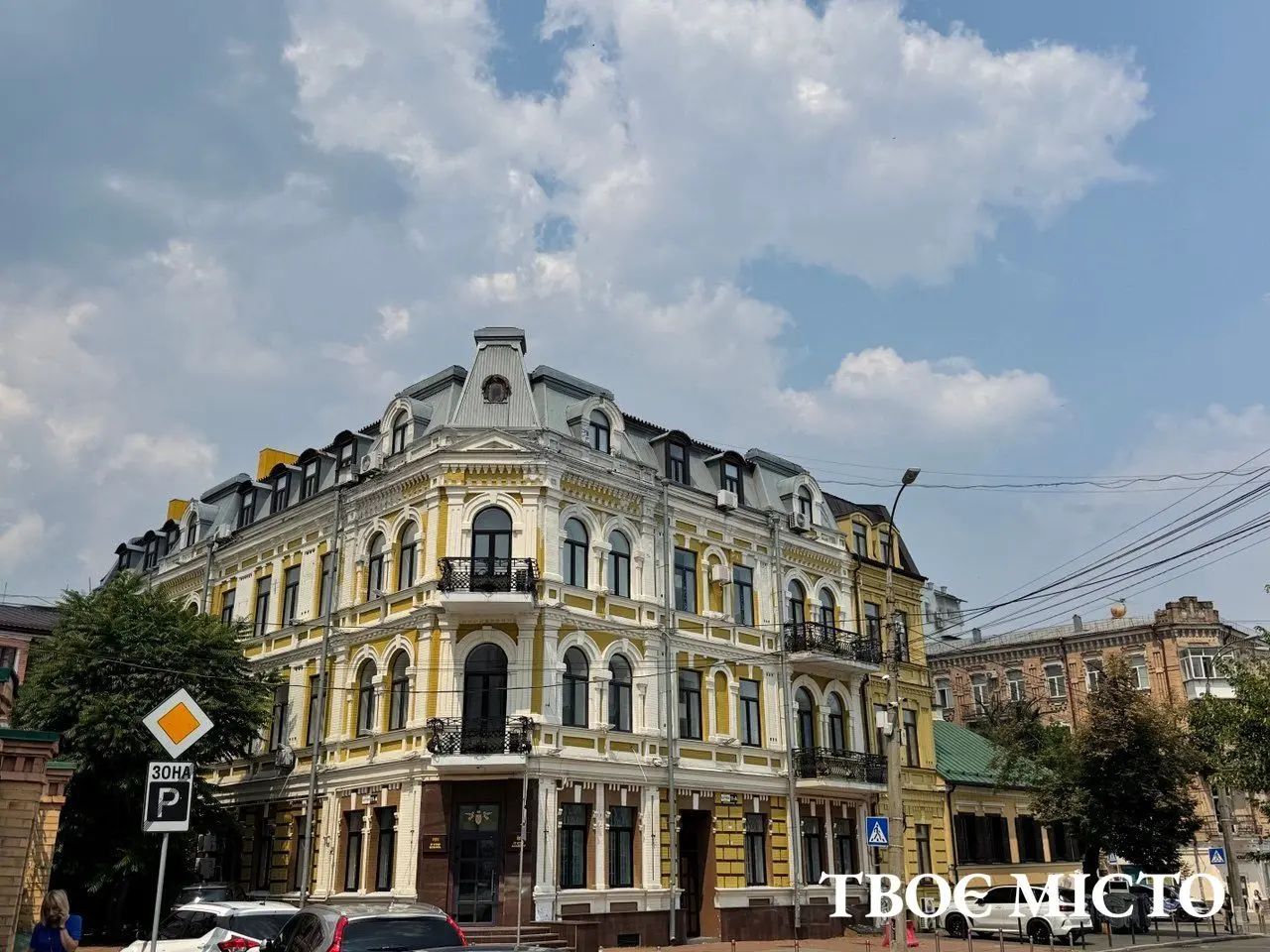
According to the local historian, old buildings are being destroyed due to lack of maintenance, and their appearance is often changed by the owners themselves - with chaotic extensions, glazed balconies, additional floors, and facades that increasingly resemble historic Podil.
Stepanets calls the so-called "monster house" on Nyzhnii Val, which, in his opinion, has become a symbol of how historical restrictions can give way to the interests of development.
Experts also cite reconstructions of individual historical buildings with additional floors added, facade renovations without considering their historical appearance, and the prolonged destruction of monuments whose owners have failed to fulfill their conservation obligations for years as equally telling examples. As a result, the historical environment is lost not only due to new construction but also due to the gradual distortion of existing development.
According to Stepanyets, the problem isn't even a single specific building. The precedent it creates is much more dangerous. If a city once allows height restrictions to be violated in a historical area, it gradually undermines the very logic of cultural heritage protection.
At the same time, the researcher is convinced that the greatest danger lies not in the emergence of new architecture as such, but in the loss of urban scale.
That is precisely why, in Stepanyets' opinion, historical Podil needs not only new protective statuses but also daily monitoring of how its environment is changing.
Despite this, the local historian does not consider the situation hopeless. He is convinced that the old Podil can still be felt – it is enough to turn off the main tourist routes into old courtyards, where the atmosphere of the district, formed naturally over decades, is still preserved.
"The problem is not with Podil, but with the system."
Architect Viktor Hleba views the situation much more harshly. If historians talk about the loss of the environment, he believes its cause is primarily managerial.
According to the architect, Podil remains a unique example of European urban planning, formed after the fire of 1811. Its value is created by the regular grid of blocks, the human scale of development, and the historical landscape.
However, today, Hleba is convinced, these principles are increasingly giving way to situational solutions.
The architect points out that Kyiv practically lacks a comprehensive system for managing its historical environment. The city has been operating without a chief architect for years, and district administrations, he says, lack sufficient authority to genuinely influence territorial development.
In the architect's opinion, most conflicts around historical development are merely a consequence of systemic problems. When a city lacks up-to-date urban planning documentation, responsible officials, and a long-term development strategy for historical areas, such situations will arise again and again.
This includes updating urban planning documentation, approving a historical and architectural reference plan, restoring the institution of the chief architect, and establishing clear rules for the maintenance of historical facades.
The problem is also acknowledged by the Department for the Protection of Cultural Heritage of the Kyiv City State Administration. According to its director, Maryna Soloviova, one of the main barriers today remains flawed legislation. The current fines for violating heritage protection laws amount to only 1700 hryvnias for individuals and from 17 to 170,000 hryvnias for legal entities, which is often disproportionate to the potential profits of developers.
The Kyiv City State Administration has already drafted legislative amendments that provide for increasing fines to several million hryvnias, introducing criminal liability for intentional destruction of cultural heritage, and the possibility of seizing historical buildings from unscrupulous owners who have been letting them fall into disrepair for years. However, the relevant bill has not yet been passed by parliament.
At the same time, Hleba emphasizes that protecting historical heritage does not mean Podil should turn into an open-air museum. The district must develop, but this development must occur according to clear rules that respect its historical scale, architecture, and established urban environment.
The architect separately stresses that responsibility should not lie solely with the state. A building owner in a historical center must understand that they are not just buying square meters, but a piece of the city's cultural heritage. Therefore, they must be prepared to invest in its preservation.
Despite criticism, Hleba does not consider the situation hopeless. In his opinion, Podil can still be saved – but only if the city stops reacting to problems after the fact and begins to systematically plan the development of the historical environment.
Podil can still be saved. But time is running out.
Despite critical assessments of the district's current state, Kyiv historian and Deputy General Director of the State Historical and Architectural Reserve "Ancient Kyiv" Roman Malenkov does not believe that Podil has already lost its identity. On the contrary, he is convinced that the district remains the most historically rich part of the capital. The problem lies elsewhere: today, its future depends on whether the city, owners of historical buildings, and the community learn to work together.
According to Malenkov, Podil's uniqueness lies not only in its individual monuments.
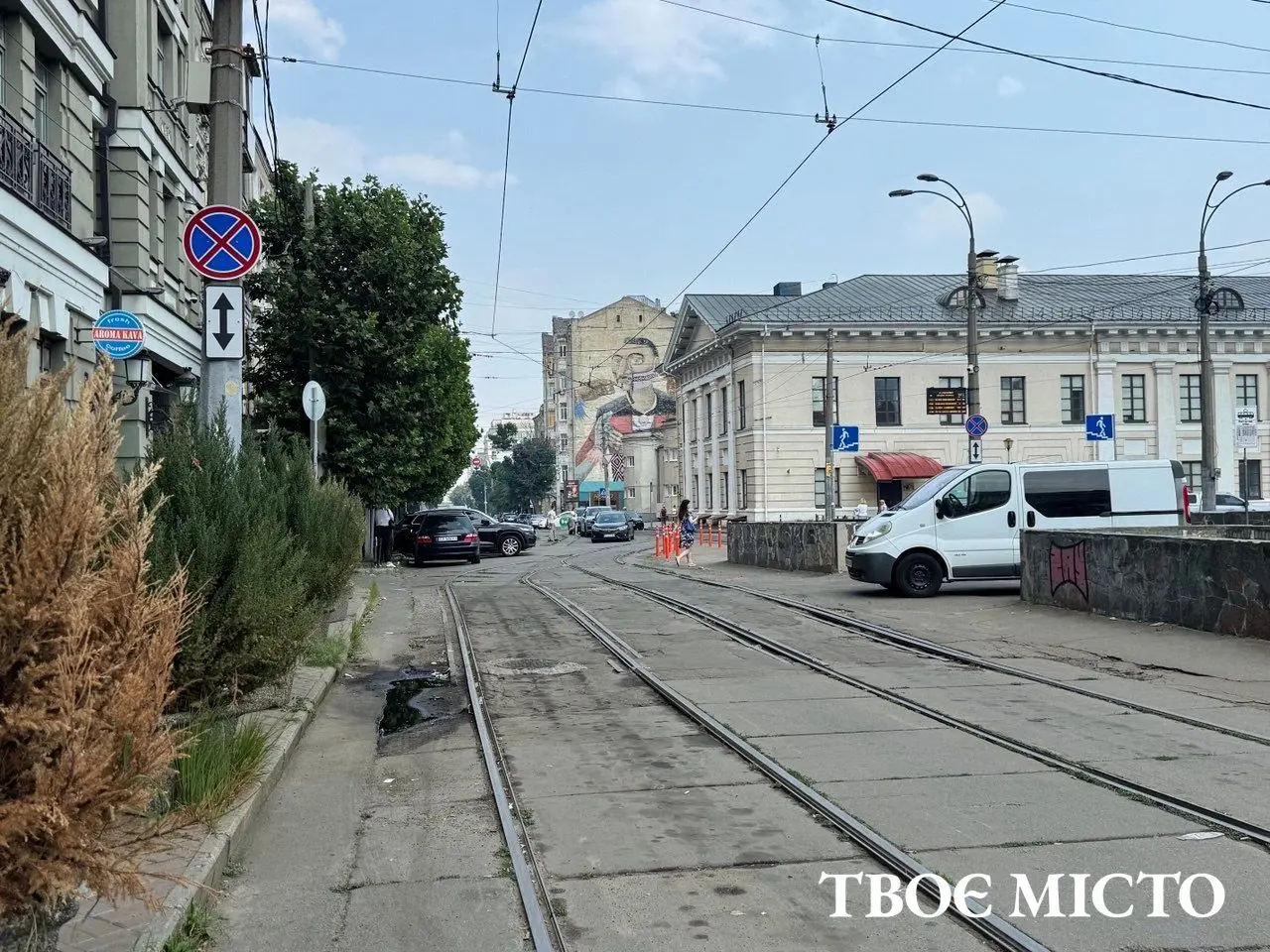
After the Mongol invasion, it was this area that remained the de facto Kyiv for almost six centuries. The magistracy worked here, voyevodes lived here, trade agreements were concluded, craft guilds operated, and the majority of the urban population lived in these very quarters.
That is why, he says, the greatest threat is not the natural development of the city, but the attitude towards historical buildings as ordinary real estate.
After Ukraine gained independence, a significant portion of historical buildings ended up in private ownership. Some new owners did not invest in restoration, expecting the buildings to gradually become dilapidated, after which they could be demolished and the plot redeveloped.
According to the historian, such practices remained one of the main reasons for the destruction of historical Podil for decades.
At the same time, the situation has been gradually changing in recent years.
Malenkov notes that new construction in the historical and architectural reserve is much more difficult to implement today than before. Instead, owners are increasingly forced to order full-scale restoration projects rather than limiting themselves to cosmetic alterations.
However, even this, he is convinced, does not mean that the main problems have been solved.
Dozens of historical buildings remain closed and are gradually being destroyed. The researcher cites the house of archaeologist Vikentiy Khvoinyk on Ihorivska Street as one such example, which has been in a dilapidated state for years despite official orders for its preservation.
What will Podil be like in twenty years?
Unlike many experts who primarily talk about threats, Roman Malenkov also offers his own vision for the district's future.
He is convinced that Podil should become Kyiv's main historical and tourist space – a place where priority is given to people, not cars.
The historian envisions the district with wide pedestrian routes, museums, festivals, book fairs, open public spaces, and restored landmarks that will function not only as architectural objects but as full-fledged cultural centers.
One of the key symbols of such a revival, in his opinion, should be the Gostinyi Dvir.
It is there, Malenkov is convinced, that the National Archaeological Museum of Ukraine could be established – a space where findings from numerous archaeological investigations of Podil would be gathered.
However, the Gostinyi Dvir itself remains one of the most painful examples today of how even iconic landmarks can wait for salvation for years.
In 2012, the building was stripped of its monument status, which effectively opened the way for its reconstruction into a shopping center. It was then that "Hostinna Respublika" emerged – a public movement that united activists, students, teachers, and artists in the fight to preserve the historical building. After the Revolution of Dignity, court decisions allowing development were annulled, and the Gostinyi Dvir itself regained its status as an architectural monument.
However, the problem has not disappeared. Today, the building is state-owned and managed by the National Reserve "Sophia of Kyiv". In an interview with "Tvoe Misto" the director of the Department of Cultural Heritage Protection of the Kyiv City State Administration, Maryna Solovyova, statedthat the city has repeatedly appealed to the government with a request to transfer the Gostinyi Dvir to municipal ownership, which would allow for funding full-scale emergency stabilization works from the city budget.
Only on the eve of the publication of this material, specialists from the Department of Cultural Heritage Protection once again stated that the technical condition of the monument continues to deteriorate. A significant part of the building remains unconsolidated, and the impact of precipitation and temperature fluctuations accelerates its destruction. That is why the story of the Gostinyi Dvir is increasingly becoming a symbol not only of the struggle for cultural heritage but also of the imperfect system of its management.
The Department of Cultural Heritage Protection emphasizes that they see the future of historical Kyiv not only in budget funding. One of the key directions they name is attracting international grants, supporting patrons, and active cooperation with public organizations that are already helping to respond to threats to historical buildings. It is precisely the combination of the efforts of the state, the city, and the public sector, according to officials, that can become the basis of a long-term strategy for the preservation of Podil.
Podil has always been changing. But today it is experiencing, perhaps, the most important transformation.
Podil survived the Mongol invasion, the fire of 1811, the industrial revolution, the Soviet reconstruction, and a full-scale war. It would seem that history has repeatedly proven: this district knows how to survive. But today its future is determined not by wars or natural disasters. It is determined by people.
Will old buildings remain just beautiful decorations for restaurants and tourist routes? Will the courtyards, where one can still feel the real Podil, be preserved? Will historical buildings become a value, not an obstacle for new projects?
There is no clear answer to these questions.
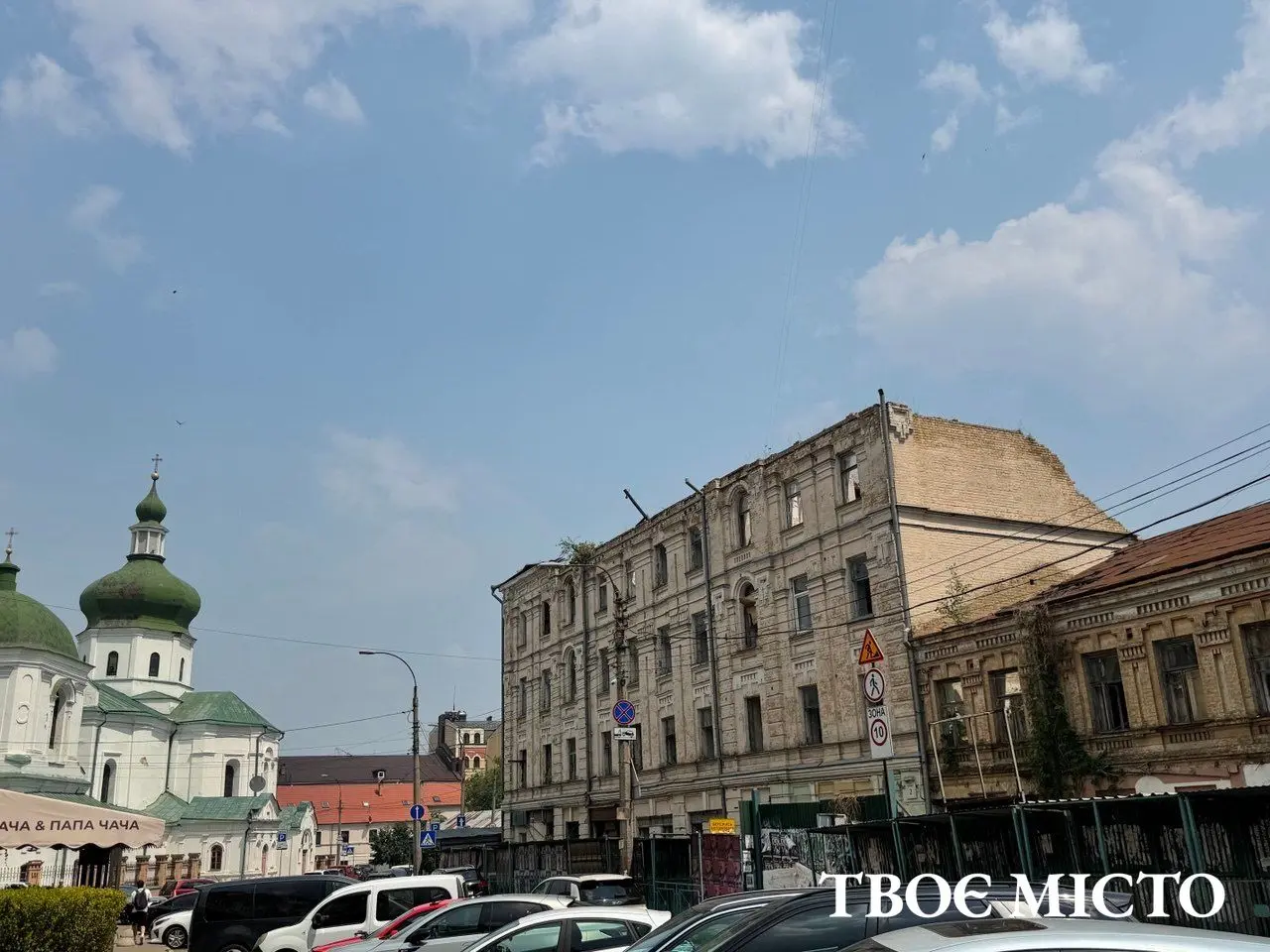
All the experts, whom "Tvoe misto"spoke with, view the problem differently. Some talk about chaotic development, others about imperfect legislation, and still others about the indifference of owners of historical buildings.
However, they are unanimous in one thing: Podil has not lost itself yet. But it has long ceased to be a place that can exist without the attention of the city and society.
Perhaps the main value of Podil lies precisely in the fact that it is not a preserved museum or a decoration for tourist postcards. It is a living district that continues to change. And it is now being decided whether these changes will remain part of its history or become the beginning of its loss.
Full or partial republication of the text without the written consent of the editorial office is prohibited and is considered a copyright infringement.

Related News